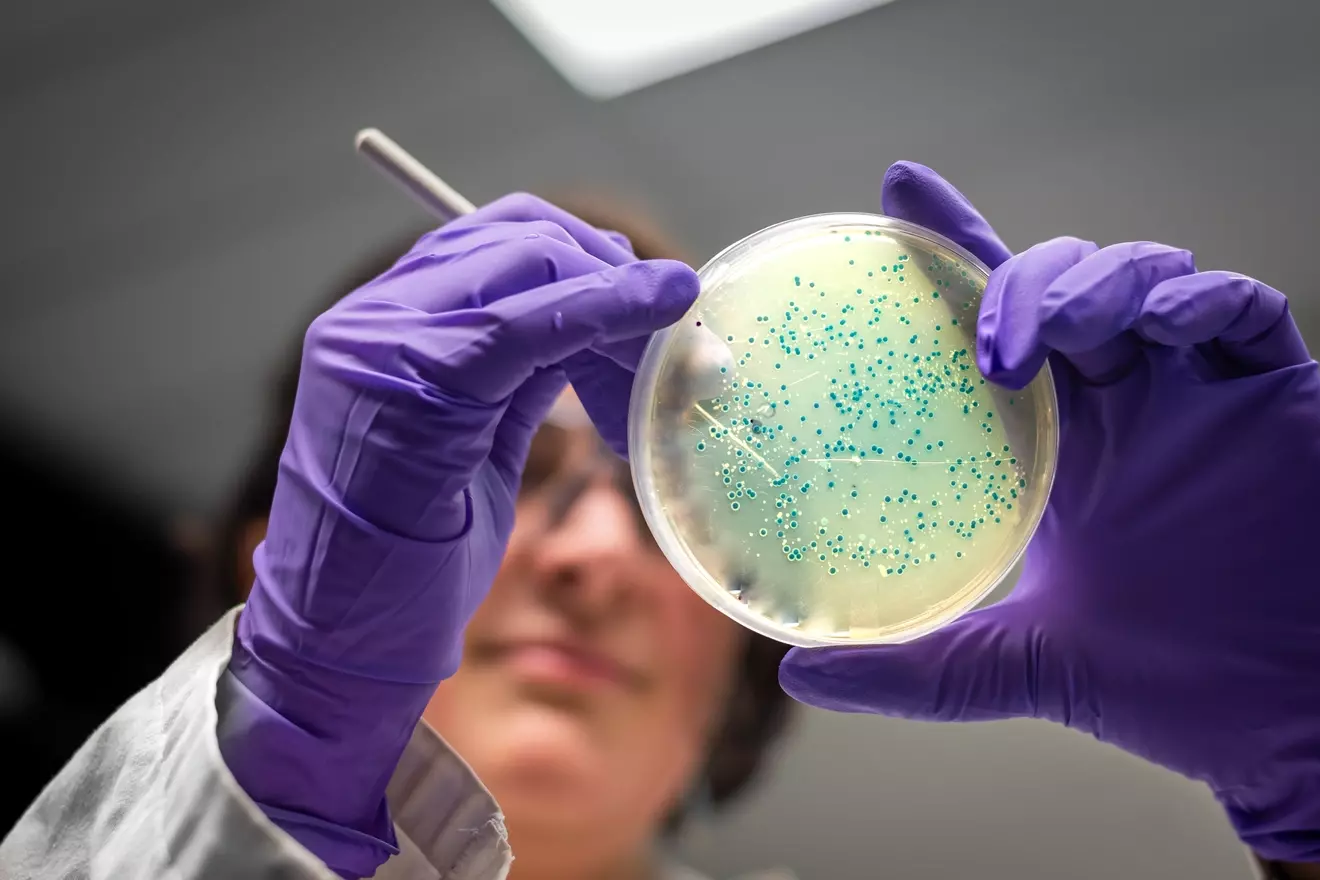
At Liv Hospital, we understand how important T lymphocytes are for our immunity. T cells are a key part of our immune system. They find and kill infected or damaged cells and help control our immune reactions.
The ‘T’ in T cell comes from the thymus, where they grow up. They start as stem cells in the bone marrow. Studies show T cells are very important for our health. If they don’t work right, we can get sick.
We are dedicated to top-notch healthcare and helping our patients with the newest in medicine. Knowing how T cells form, what they look like, and what they do is key in today’s health care.
Key Takeaways
- T lymphocytes are a type of white blood cell vital for our immune system.
- T cells grow up in the thymus after starting as bone marrow stem cells.
- T cell problems can cause many diseases, showing how important they are.
- Liv Hospital is committed to giving advanced medical care and full health services.
- Understanding T cell functions and structures is essential for a strong immune response.
The Essential Role of T Lymphocytes in Human Immunity
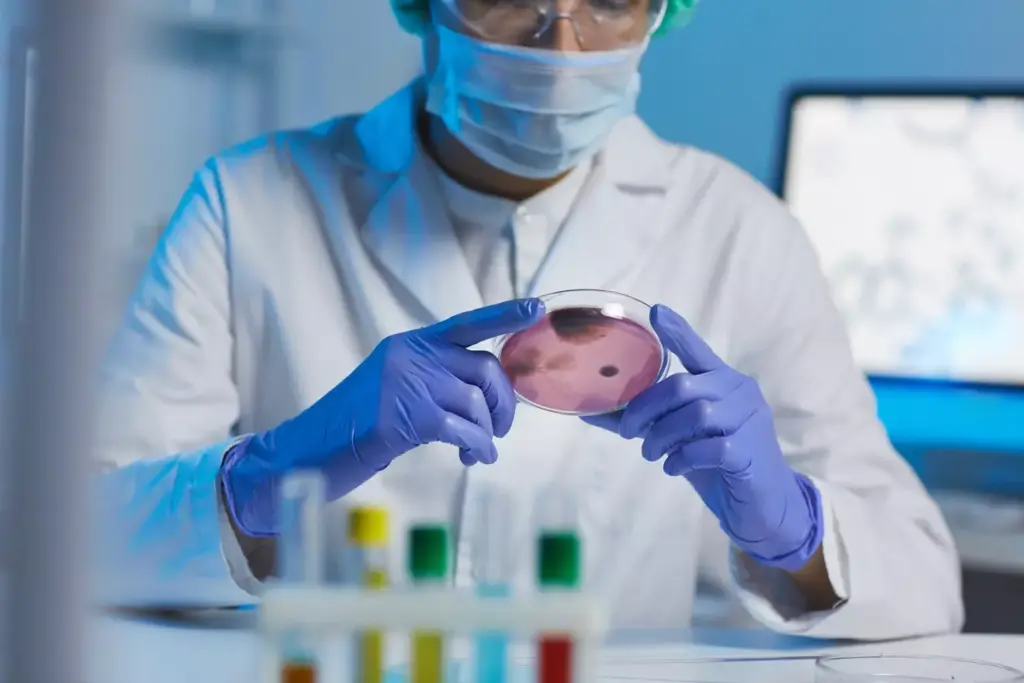
T lymphocytes are key to our immune system. They help fight off diseases and infections. Without them, our bodies could not defend against many threats.
Defining T Cells Within the Immune System Hierarchy
T cells are a special kind of lymphocyte. They have a T cell receptor on their surface. This receptor helps them find and fight specific invaders.
The immune system is complex, and T cells are a big part of it. They come in different types, like helper T cells, cytotoxic T cells, and regulatory T cells. Each type has its own job in keeping us healthy.
| T Cell Type | Function | Role in Immunity |
|---|---|---|
| Helper T Cells (CD4+) | Activate and direct other immune cells | Essential for initiating immune responses |
| Cytotoxic T Cells (CD8+) | Directly kill infected cells or produce chemical signals | Critical for controlling viral infections and tumor cells |
| Regulatory T Cells | Modulate immune responses and prevent autoimmunity | Vital for maintaining immune tolerance |
The Evolutionary Significance of T Cells
T cells have evolved to protect us from many dangers. They remember specific threats, making our defense stronger over time.
Studies show that T cells are important in many animals. They help these creatures survive and adapt to their environments.
Learning about T lymphocytes is key to fighting diseases. By understanding how they work, we can improve our health and fight off illnesses.
What Does T Lymphocytes Do: Core Functions in Immune Defense
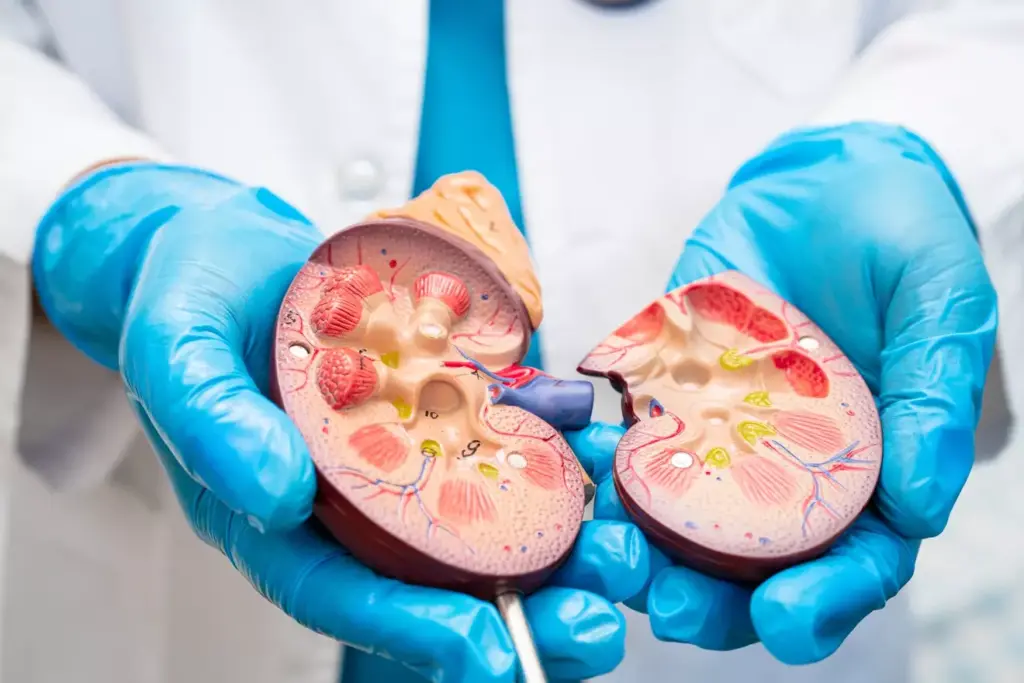
T lymphocytes are key players in our immune system. Knowing what they do helps us understand their role in keeping us healthy. They fight off infections, lead the immune response, and send signals to other immune cells.
Direct Targeting and Destruction of Infected Cells
Cytotoxic T cells are experts at finding and killing infected cells or tumors. This action is vital for fighting off infections. They spot infected cells by their unique markers. Then, they release toxins that kill the infected cells, stopping the infection.
Orchestration of Immune Responses
Helper T cells are key in coordinating the immune response. They help activate other immune cells like B cells and macrophages. This teamwork is essential for a strong immune response against pathogens. Helper T cells do this by sending out specific signals to other cells.
Cytokine Production and Immune Communication
T cells also produce cytokines, which are like messengers for the immune system. These molecules can either boost or slow down the immune response. T cells’ ability to make many cytokines helps tailor the immune response to the right level for each pathogen.
In short, T lymphocytes are vital for our immune defense. They fight infections, lead the immune response, and send signals to other cells. Their work is essential for keeping us safe from diseases.
The Birth of T Cells: From Bone Marrow to Thymus
Learning about T cell development helps us understand their importance in our immune system. It starts in the bone marrow. T cells, or T lymphocytes, are key players in fighting off infections.
Their journey from bone marrow to thymus is complex. It involves several stages and places in our body.
Hematopoietic Stem Cell Origins
T cells come from hematopoietic stem cells in the bone marrow. These stem cells can turn into all blood cells, including immune cells. The process starts when these stem cells are stimulated.
This is vital for creating T cell precursors. For more details, check out this article.
The Journey to the Thymus
After starting in the bone marrow, T cell precursors head to the thymus. This gland is behind the sternum. It’s where T cells mature.
On their way, these cells go through big changes. These changes get them ready for their roles in the immune system.
Why They’re Called “T” Cells: The Thymic Connection
The “T” in T cells comes from the thymus. This gland is key to their development. In the thymus, T cells learn to tell self from non-self.
This is important for avoiding autoimmune diseases. It’s a critical part of their function.
| Stage | Location | Description |
|---|---|---|
| Hematopoietic Stem Cells | Bone Marrow | Origin of all blood cells, including T cells |
| T Cell Precursors | Bone Marrow to Thymus | Migration and initial differentiation |
| Mature T Cells | Thymus | Selection and maturation |
In conclusion, T cells develop from bone marrow to thymus through a complex process. This journey is essential for their role in our immune system.
T Cell Development: The Education of an Immune Defender
Exploring T cell development reveals the detailed steps in creating these immune heroes. This complex process mainly happens in the thymus.
Positive Selection: Learning to Recognize Self-MHC
Positive selection is key in T cell development. It picks T cells that can spot self-MHC molecules. This lets T cells work well with antigen-presenting cells.
Negative Selection: Eliminating Self-Reactive Cells
Negative selection gets rid of T cells that attack self-antigens. This step is vital for avoiding autoimmune diseases. It’s a major part of thymocyte growth.
The Transition from Thymocyte to Mature T Cell
The change from thymocyte to mature T cell goes through many stages. These include growing, changing, and being selected. This careful process makes sure T cells are ready and safe.
The T cell development journey can be shown in this table:
| Stage | Description |
|---|---|
| Progenitor Cells | Cells move from the bone marrow to the thymus |
| Thymocytes | Grow and change into different forms |
| Positive Selection | T cells learn to recognize self-MHC |
| Negative Selection | Elimination of self-reactive T cells |
| Mature T Cells | Ready T cells are released into the blood |
The Structural Architecture of T Lymphocytes
T lymphocytes have a unique structure that lets them do their job in the immune system. We’ll look at the main parts of T cells. These parts help them work well.
Cell Membrane and Critical Surface Markers
The cell membrane of T lymphocytes does more than protect them. It’s a complex part that talks to the outside world. Critical surface markers like CD4 and CD8 are key. They decide what T cells can do and how they talk to other immune cells.
These markers don’t just identify T cells. They help turn them on and off. For example, CD4+ T cells help lead the immune response. CD8+ T cells kill infected cells.
The T Cell Receptor: Structure and Antigen Recognition
The T cell receptor (TCR) is vital for T cells to find and bind to antigens. It’s made of several parts that work together. They find specific antigen peptides on MHC molecules of antigen-presenting cells.
This precise recognition is what starts T cell action. The TCR scans for specific antigens on antigen-presenting cells. This lets T cells fight off infections.
Internal Cellular Components and Their Functions
Inside T lymphocytes, there are important parts beyond the cell membrane and TCR. The cytoplasm has organelles like mitochondria. They give T cells the energy to get ready and grow.
The nucleus holds the genes for the TCR and other important molecules. When T cells get activated, they change how they use their genes. This lets them grow and become different types of cells.
Knowing how T cells work inside helps us understand their role in fighting off diseases. It also shows how problems can lead to sickness.
The T Cell Family: Different Types and Their Specialized Roles
It’s important to know about the different T cell types and their roles in our immune system. T cells are key players in our adaptive immune system. They help fight off many pathogens and immune challenges.
Helper T Cells (CD4+): The Immune System Coordinators
Helper T cells, or CD4+ T cells, are vital for leading the immune response. They help activate and guide other immune cells, like B cells and cytotoxic T cells. They are key in starting and managing the fight against infections.
Helper T cells have different subtypes, like Th1, Th2, Th17, and Tfh cells. Each subtype has its own job. For example, Th1 cells help fight infections inside cells, while Th2 cells are important for fighting parasites.
Cytotoxic T Cells (CD8+): The Precision Killers
Cytotoxic T cells, or CD8+ T cells, are experts at killing infected cells or cancer cells. They find and destroy these cells by recognizing specific proteins on their surface. This action helps get rid of infections or tumors.
These cells are essential for fighting viruses and keeping an eye out for cancer. Their skill in finding and killing cancer cells is a big part of fighting tumors.
Regulatory T Cells: The Peacekeepers of Immunity
Regulatory T cells (Tregs) are important for keeping the immune system in balance. They help stop the immune system from attacking itself or getting too strong. This prevents damage to healthy tissues.
Tregs are key in teaching the immune system to ignore self-antigens and in reducing inflammation. Problems with Tregs have been linked to many autoimmune and inflammatory diseases.
Memory T Cells: Guardians of Long-term Protection
Memory T cells remember specific pathogens and quickly respond when they see them again. They help keep us safe from infections we’ve had before.
There are two kinds of memory T cells. Central memory T cells live in lymphoid organs and can quickly grow and become active. Effector memory T cells are in tissues and can quickly attack pathogens.
T Cell Activation: The Pathway from Recognition to Response
Understanding T cell activation is key to seeing how our immune system fights off infections and diseases. This process involves several steps, from recognizing antigens to responding to them.
Antigen Presentation by APCs
Antigen presentation is the first step in T cell activation. Antigen-presenting cells (APCs) are vital here. They engulf pathogens, process them, and display antigens on their surface using MHC molecules. This lets T cells recognize the antigens.
Formation of the Immunological Synapse
When a T cell spots an antigen on an APC, it forms an immunological synapse. This special area is where T cells and APCs exchange signals and activate T cells. The synapse has a specific arrangement of molecules for effective communication.
Signal Transduction Cascades
After the immunological synapse forms, signal transduction cascades start in the T cell. These cascades are a series of molecular interactions leading to the activation of transcription factors. These factors then control the expression of genes involved in the immune response.
Clonal Expansion and Effector Differentiation
Activated T cells then multiply, creating many effector T cells. These effector T cells differentiate into types like cytotoxic T cells and helper T cells. Each type has a specific role in fighting off pathogens. This process is vital for a strong immune response.
| Step | Description | Key Molecules Involved |
|---|---|---|
| Antigen Presentation | APCs process and present antigens on MHC molecules | MHC molecules, antigens |
| Immunological Synapse Formation | T cells recognize antigens and form a synapse with APCs | TCR, CD4/CD8, adhesion molecules |
| Signal Transduction | Signaling cascades are initiated within the T cell | Kinases, adaptor proteins, transcription factors |
| Clonal Expansion and Differentiation | T cells proliferate and differentiate into effector cells | Cytokines, transcription factors |
T cell activation is a complex, regulated process essential for a strong immune response. By understanding these steps, we can better grasp how our immune system works and find new ways to fight diseases.
T Cells in Action: Circulation, Migration, and Tissue Surveillance
The immune system works well because T cells can move around, check tissues, and fight infections. This helps keep the body healthy and balanced.
How Naïve T Cells Patrol the Body
Naïve T cells are always on the move. They travel through blood and lymphatic systems. This lets them meet antigens from antigen-presenting cells (APCs) in lymphoid organs. They are ready to fight specific infections.
“Naïve T cells don’t move randomly,” say immunologists. “Their journey is carefully planned to ensure they reach the right spots at the right time.” This is key for the immune system to fight off pathogens.
Homing to Lymphoid and Non-lymphoid Tissues
T cells can find their way to different tissues. They use special molecules and receptors to do this. This is important for T cells to get to where infections or inflammation are, so they can work effectively.
- Lymphoid tissues, like lymph nodes and spleen, are where T cells get activated.
- Non-lymphoid tissues, such as skin and mucosal surfaces, are where T cells do their job.
Tissue-Resident Memory T Cells: Local Defenders
Tissue-resident memory T cells (TRMs) live in non-lymphoid tissues. They offer long-term protection by quickly responding to pathogens at infection sites. TRMs are vital for keeping the body safe from reinfection.
Understanding T cell movement and surveillance is key to knowing how we stay healthy. By moving around, finding specific tissues, and staying in important places, T cells protect us from infections and diseases.
Conclusion: The Indispensable Role of T Lymphocytes in Health and Disease
T lymphocytes are key to keeping our immune system in balance. Their problems can cause many health issues. We’ve looked into how T cells grow, get ready to fight, and work to protect us.
T cells are important because they can find and kill infected cells. They help our body’s defense by leading the fight against sickness. As we learn more about T cells, we can find new ways to help people with immune problems.
Knowing how T lymphocytes work is vital for finding better treatments. By studying T cell functions and failures, we can find new ways to help people. This could lead to better health and outcomes for many diseases.
What is the role of T lymphocytes in human immunity?
T lymphocytes are key players in our immune system. They target and destroy infected or abnormal cells. They also help control how our immune system responds to threats.
Where do T cells develop and mature?
T cells start from stem cells in the bone marrow. They then mature in the thymus. This is why they are called “T” cells.
What is the significance of the ‘T’ in T cells?
The ‘T’ in T cells stands for thymus. This is where they mature.
What are the different types of T cells and their functions?
There are several types of T cells. These include Helper T Cells (CD4+), Cytotoxic T Cells (CD8+), Regulatory T Cells, and Memory T Cells. Each type has a specific role in defending our body.
How are T cells activated to respond to infections?
T cells get activated through antigen presentation and the formation of the immunological synapse. This leads to signal transduction cascades, clonal expansion, and effector differentiation.
What is the structure of a T cell, and how does it recognize antigens?
T cells have a cell membrane with important surface markers. They have a T cell receptor that recognizes antigens. Inside, they have components that help them function.
How do T cells circulate and migrate to different tissues?
Naïve T cells roam the body, going to lymphoid and non-lymphoid tissues. Tissue-resident memory T cells stay in one place to defend it.
What is the importance of T cells in maintaining immune homeostasis?
T cells are vital in fighting infections and diseases. Without them, our immune system can fail, leading to many disorders.
What is the process of T cell development, and how do they become functional?
T cells go through positive and negative selection in the thymus. After that, they mature into functional T cells. These cells can then recognize and respond to antigens.
References
- Akadeum Life Sciences. T cell / T-Cell overview & development. Available from: https://www.akadeum.com/t-cell/
- Wikipedia. T cell. Available from: https://en.wikipedia.org/wiki/T_cell
- Sun L, Su Y, Jiao A, Wang X, Zhang B, et al. T cells in health and disease. Signal Transduction and Targeted Therapy. 2023;8:235. Available from: https://www.nature.com/articles/s41392-023-01471-y
- Encyclopædia Britannica. T-cell. Available from: https://www.britannica.com/science/T-cell
- Sauls RS. Histology, T-Cell Lymphocyte (StatPearls, NBK535433). Available from: https://www.ncbi.nlm.nih.gov/books/NBK535433/