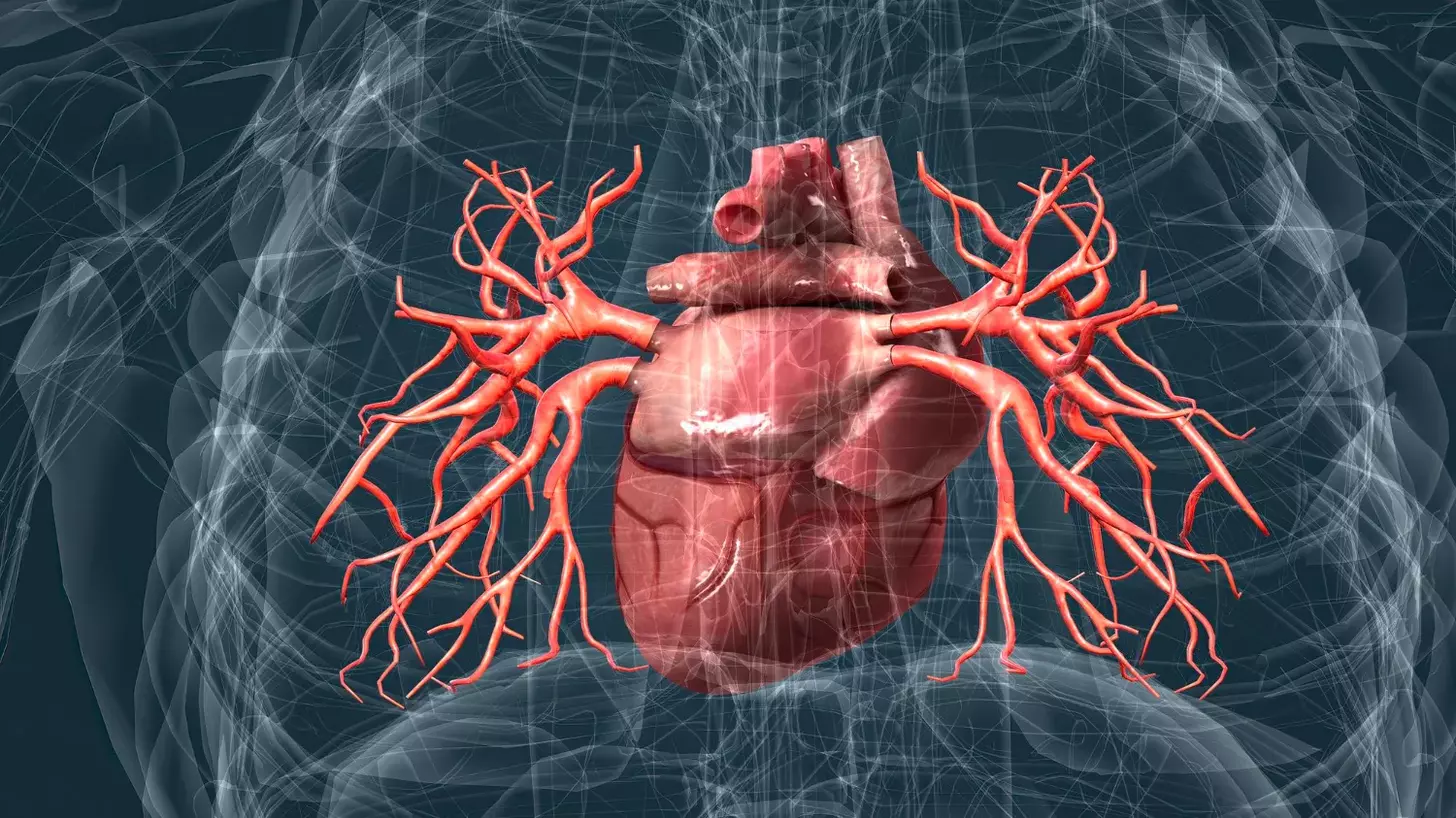
At Liv Hospital, we understand the importance of clear communication in healthcare. When it comes to critical conditions like Acute Myocardial Infarction, understanding the terminology is crucial.
AMI stands for Acute Myocardial Infarction, commonly known as a heart attack. This condition occurs when the blood flow to a part of the heart muscle becomes suddenly blocked, leading to heart tissue damage. According to global data, AMI remains a leading cause of morbidity and mortality, but effective interventions and early treatment can significantly improve survival outcomes.
We are committed to providing world-class healthcare with complete support for international patients. Understanding what AMI stands for in medical terminology is essential for both medical professionals and patients to ensure timely and effective treatment.
Key Takeaways
- AMI stands for Acute Myocardial Infarction, a condition commonly known as a heart attack.
- Understanding AMI is crucial for timely and effective treatment.
- Liv Hospital is committed to providing world-class healthcare for international patients.
- Early intervention can significantly improve survival outcomes for AMI patients.
- Clear communication is essential in healthcare, especially for critical conditions.
Decoding the AMI Acronym Medical Terminology
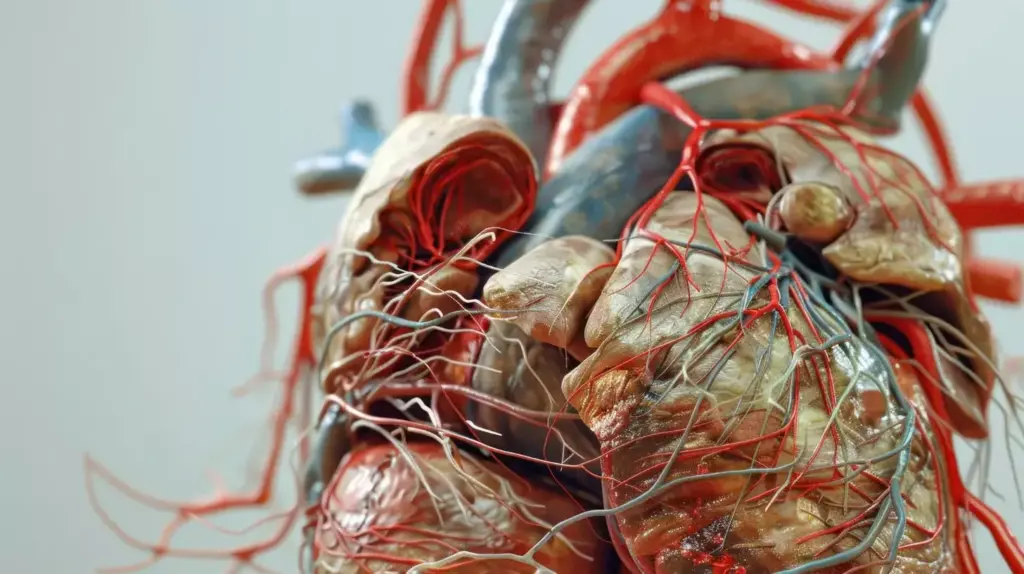
Decoding the AMI acronym is essential for both medical professionals and patients to comprehend the severity of the condition it represents. The AMI acronym, standing for Acute Myocardial Infarction, is a critical term in cardiology that signifies a heart attack. Understanding this acronym is vital for timely and appropriate medical interventions.
The Full Form: Acute Myocardial Infarction
The full form of AMI, Acute Myocardial Infarction, refers to the sudden loss of blood flow to a part of the heart muscle, leading to tissue damage or death. This condition is commonly known as a heart attack. The term “acute” indicates that the condition is severe and sudden, while “myocardial” refers to the heart muscle, and “infarction” denotes the death of tissue due to lack of blood supply. Recognizing AMI is crucial for immediate medical response.
Key aspects of AMI include:
- Sudden onset of symptoms
- Blockage of coronary arteries
- Damage to heart muscle cells
- Need for immediate medical intervention
Historical Development of the Term
The term AMI has evolved significantly over time, with advancements in medical science contributing to its current understanding and management. Historically, the diagnosis and treatment of AMI have undergone substantial changes, from initial recognition of symptoms to the development of sophisticated diagnostic tools and therapeutic strategies. Understanding the historical context of AMI helps appreciate the progress made in managing this condition.
Some significant developments include:
- Early recognition of heart attack symptoms
- Advancements in electrocardiography (ECG)
- Development of cardiac biomarkers for diagnosis
- Introduction of reperfusion therapies
These advancements have transformed the management of AMI, improving outcomes for patients worldwide.
The Pathophysiology Behind AMI
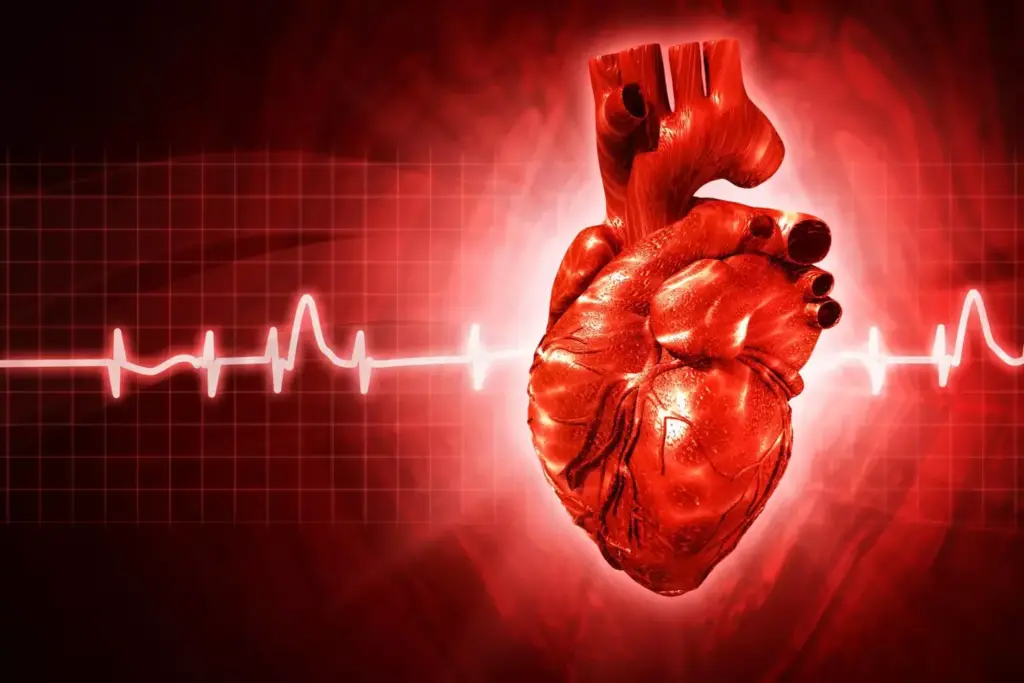
Delving into the pathophysiology of AMI reveals the critical nature of this condition and the importance of timely treatment. At its core, AMI, or Acute Myocardial Infarction, is characterized by the interruption of blood flow to the heart muscle, leading to tissue damage or necrosis.
Coronary Artery Blockage and Ischemia
The pathophysiology of AMI typically begins with the blockage of a coronary artery, often due to atherosclerosis or thrombosis. This blockage results in ischemia, a condition where the heart muscle does not receive enough oxygen and nutrients to function properly. Ischemia can lead to reversible injury initially, but prolonged deprivation of blood flow results in irreversible damage.
As we understand it, the blockage can be due to various factors, including plaque rupture, which is a common cause of acute coronary syndromes. The formation of a thrombus at the site of plaque rupture can suddenly and significantly reduce blood flow, leading to ischemia.
Cellular Damage and Tissue Necrosis
The lack of blood flow and oxygen leads to cellular damage and eventually tissue necrosis. This process involves complex biochemical pathways, including the depletion of ATP, changes in ion balances, and the release of various intracellular components into the bloodstream.
As the cells undergo necrosis, the structural integrity of the heart muscle is compromised, potentially leading to complications such as heart failure or arrhythmias. Timely medical intervention is crucial to minimize the extent of tissue damage.
| Pathophysiological Process | Effect on Heart Muscle |
|---|---|
| Coronary Artery Blockage | Reduced Blood Flow |
| Ischemia | Oxygen and Nutrient Deprivation |
| Cellular Damage | Loss of Cellular Function |
| Tissue Necrosis | Irreversible Damage |
Understanding these processes is vital for developing effective treatment strategies. At Liv Hospital, our team is committed to providing the highest level of care for patients with AMI, utilizing the latest advancements in medical science to improve outcomes.
Types and Classification of Acute Myocardial Infarction
Acute Myocardial Infarction can be categorized into various types based on electrocardiogram (ECG) findings and cardiac biomarker levels. This classification is crucial for determining the appropriate treatment protocol and improving patient outcomes. At Liv Hospital, our cardiologists utilize the latest diagnostic tools to accurately classify AMI and provide personalized care.
STEMI: ST-Elevation Myocardial Infarction
STEMI is characterized by a complete blockage of a coronary artery, resulting in significant ST-segment elevation on an ECG. This type of AMI requires immediate medical attention, typically involving emergency revascularization procedures such as angioplasty. Prompt treatment is essential to minimize cardiac damage and improve survival rates.
NSTEMI: Non-ST-Elevation Myocardial Infarction
NSTEMI occurs when there is a partial blockage of a coronary artery, leading to ischemia but not necessarily significant ST-segment elevation on an ECG. While the initial ECG may not show ST elevation, cardiac biomarkers are elevated, indicating myocardial damage. The management of NSTEMI involves a combination of medical therapy and, in some cases, invasive procedures.
The distinction between STEMI and NSTEMI is critical for guiding treatment decisions. The following table summarizes the key differences between these two classifications:
| Characteristics | STEMI | NSTEMI |
|---|---|---|
| ECG Findings | ST-segment elevation | No ST-segment elevation |
| Coronary Artery Status | Complete blockage | Partial blockage |
| Typical Treatment Approach | Emergency revascularization (e.g., angioplasty) | Medical therapy ± invasive procedures |
Recognizing AMI: Symptoms and Warning Signs
Prompt recognition of AMI symptoms is essential for ensuring that patients receive the necessary emergency care. We emphasize the importance of being aware of these symptoms to facilitate timely medical intervention.
Classic Presentation of Heart Attack Symptoms
The classic symptoms of AMI include chest pain or discomfort, often described as a pressure or tightness in the chest that may radiate to the arm, neck, or jaw. Other common symptoms are shortness of breath, cold sweats, and nausea or vomiting. These symptoms can vary in intensity and may not always be typical.
Atypical Presentations and Silent AMIs
Not all AMIs present with the classic symptoms. Atypical presentations can include fatigue, dizziness, or palpitations. Some individuals may experience silent AMIs, where there are no noticeable symptoms at all. These atypical presentations can make diagnosis more challenging.
| Symptom Type | Classic Symptoms | Atypical Symptoms |
|---|---|---|
| Primary Symptoms | Chest pain, shortness of breath | Fatigue, dizziness |
| Associated Symptoms | Nausea, cold sweats | Palpitations, silent AMIs |
Understanding these variations in AMI presentation is crucial for healthcare providers to make accurate diagnoses and provide appropriate care. We must be vigilant in recognizing both classic and atypical symptoms to ensure the best possible outcomes for patients.
Diagnostic Approaches for AMI
To diagnose AMI accurately, we utilize a range of diagnostic methods that provide comprehensive insights. At Liv Hospital, we understand the importance of timely and accurate diagnosis in managing AMI effectively.
Cardiac Biomarkers: Troponin and Beyond
Cardiac biomarkers play a crucial role in diagnosing AMI. The most commonly used biomarker is troponin, which is highly specific for myocardial damage. Elevated troponin levels indicate cardiac injury, helping us diagnose AMI with high accuracy.
Other biomarkers, such as creatine kinase-MB (CK-MB) and myoglobin, are also used in certain clinical contexts. However, troponin remains the preferred marker due to its high sensitivity and specificity.
Electrocardiography and Cardiac Imaging
Electrocardiography (ECG) is another critical tool in diagnosing AMI. It helps identify patterns of ischemia or infarction, such as ST-segment elevation or depression. We use ECG to quickly assess the type of AMI, whether it’s STEMI or NSTEMI, guiding immediate treatment decisions.
Cardiac imaging techniques, including echocardiography and cardiac MRI, provide additional information on cardiac structure and function. These imaging modalities help us assess the extent of cardiac damage and guide further management.
| Diagnostic Method | Description | Clinical Utility |
|---|---|---|
| Cardiac Biomarkers | Measures troponin and other enzymes released during cardiac damage | Highly sensitive and specific for AMI diagnosis |
| Electrocardiography (ECG) | Records the electrical activity of the heart | Helps identify STEMI and NSTEMI, guiding immediate treatment |
| Cardiac Imaging | Includes echocardiography and cardiac MRI | Assesses cardiac structure and function, guiding further management |
The AMI Acronym Medical Significance in Emergency Care
In emergency medicine, the AMI acronym holds substantial importance for timely patient management. The term, which stands for Acute Myocardial Infarction, is a medical emergency that requires immediate attention. We, as healthcare providers, understand that recognizing and treating AMI promptly is crucial for improving patient outcomes.
The AMI acronym medical significance is multifaceted, encompassing both the urgency of the condition and the specific interventions required to manage it effectively. In emergency care settings, understanding the ami meaning in medicine is vital for healthcare professionals to make rapid, informed decisions.
Time-Critical Interventions
Time-critical interventions are paramount in the management of AMI. The sooner the intervention, the better the chances of minimizing cardiac damage. We emphasize the importance of:
- Rapid assessment and diagnosis
- Immediate administration of appropriate medications
- Prompt activation of cardiac catheterization laboratory
These interventions are designed to restore blood flow to the affected area of the heart, thereby reducing the extent of damage. Our team is trained to work efficiently under pressure, ensuring that every minute counts in the management of AMI.
Modern Reperfusion Strategies
Modern reperfusion strategies have revolutionized the treatment of AMI. We employ the latest techniques to restore blood flow to the heart, including:
- Primary percutaneous coronary intervention (PCI)
- Thrombolysis
These ami medical term interventions are backed by evidence and have been shown to significantly improve outcomes in patients with AMI. Our facilities are equipped with state-of-the-art technology to support these modern reperfusion strategies, ensuring that our patients receive the best possible care.
The full form of AMI, Acute Myocardial Infarction, underscores the severity of the condition and the need for swift action. By understanding the ami full form and its implications, we can better appreciate the importance of timely and effective emergency care.
Post-AMI Management and Recovery
The journey to recovery after AMI involves a comprehensive strategy that we tailor to each patient’s needs. Effective post-AMI management is crucial for improving long-term outcomes and reducing the risk of future cardiac events.
Evidence-Based Medication Protocols
We utilize evidence-based medication protocols to manage AMI patients. These protocols typically include:
- Antiplatelet therapy to prevent clot formation
- Beta-blockers to reduce heart rate and blood pressure
- ACE inhibitors to improve heart function
- Statins to lower cholesterol levels
These medications are crucial in managing AMI and preventing further cardiac damage.
Cardiac Rehabilitation Programs
Cardiac rehabilitation programs play a vital role in post-AMI recovery. These programs are designed to:
- Improve cardiovascular health through supervised exercise
- Educate patients on heart-healthy lifestyle choices
- Provide emotional support and counseling
At Liv Hospital, our cardiac rehabilitation programs are tailored to meet the individual needs of our patients, ensuring a comprehensive approach to recovery.
Global Burden and Epidemiology of AMI
Understanding the epidemiology of AMI is crucial for developing effective public health strategies. We recognize that AMI, or Acute Myocardial Infarction, is a major cause of morbidity and mortality worldwide.
Worldwide Incidence and Mortality Trends
The incidence of AMI varies globally, with significant implications for healthcare systems. According to recent data, AMI remains a leading cause of death worldwide, with varying incidence and mortality trends across different regions. Regional differences in healthcare access and lifestyle factors contribute to these trends. We observe that regions with higher incidences of AMI often have higher mortality rates due to delayed or inadequate treatment.
Modifiable and Non-Modifiable Risk Factors
Several risk factors contribute to the likelihood of experiencing AMI. Modifiable risk factors include hypertension, hyperlipidemia, diabetes, and smoking, which can be addressed through lifestyle changes and medical interventions. Non-modifiable risk factors such as age, gender, and family history also play a significant role. We emphasize the importance of managing modifiable risk factors to reduce the global burden of AMI.
By understanding these factors, we can develop targeted public health initiatives to mitigate the risk of AMI and improve outcomes for patients worldwide.
Related Medical Abbreviations in Cardiology
Familiarity with cardiology-related medical abbreviations enhances communication among healthcare professionals. Understanding these abbreviations is crucial for accurate diagnosis and effective treatment planning.
Common Cardiac Condition Acronyms
Cardiology employs numerous acronyms to describe various cardiac conditions. For instance, AMI stands for Acute Myocardial Infarction, commonly known as a heart attack. Other significant acronyms include AF for Atrial Fibrillation, VT for Ventricular Tachycardia, and HF for Heart Failure. Familiarity with these acronyms facilitates efficient communication among healthcare providers.
| Acronym | Full Form | Description |
|---|---|---|
| AMI | Acute Myocardial Infarction | A condition where the blood flow to the heart is blocked, causing damage to the heart muscle. |
| AF | Atrial Fibrillation | An irregular and often rapid heart rhythm that can lead to blood clots in the heart. |
| VT | Ventricular Tachycardia | A fast heart rate that originates in the lower chambers of the heart, potentially life-threatening. |
Diagnostic and Treatment Terminology
In addition to condition-specific acronyms, cardiology also utilizes abbreviations for diagnostic tests and treatments. For example, ECG (Electrocardiogram) is a test used to measure the electrical activity of the heart, while PCI (Percutaneous Coronary Intervention) is a procedure used to open blocked coronary arteries. Understanding these terms is vital for healthcare professionals to provide comprehensive care.
At Liv Hospital, our cardiology department is well-versed in these terminologies, ensuring accurate diagnosis and treatment. By staying updated with the latest medical abbreviations, we enhance our ability to provide world-class healthcare to our patients.
Conclusion: The Critical Importance of AMI Awareness
Understanding the ami acronym medical is crucial for timely medical interventions. The ami stands for medical terminology, Acute Myocardial Infarction, is a life-threatening condition requiring immediate attention.
At Liv Hospital, we recognize the significance of the ami abbreviation medical in emergency care. Raising awareness about what ami is medical can significantly improve patient outcomes. Public awareness campaigns and education play a vital role in reducing AMI-related morbidity and mortality.
By promoting timely recognition and treatment of AMI, we can save lives. Our commitment to providing high-quality care for AMI patients aligns with broader public health initiatives aimed at enhancing cardiovascular health.
We emphasize the need for continued public education and awareness campaigns to address the global burden of AMI. By working together, we can make a significant impact on reducing the incidence and impact of AMI.
What does AMI stand for in medical terminology?
AMI stands for Acute Myocardial Infarction, a condition where the blood flow to a part of the heart muscle becomes suddenly blocked, leading to heart tissue damage.
What is the difference between STEMI and NSTEMI?
STEMI (ST-Elevation Myocardial Infarction) and NSTEMI (Non-ST-Elevation Myocardial Infarction) are two classifications of AMI. STEMI is characterized by a significant blockage in a coronary artery, resulting in a distinct ST-segment elevation on an electrocardiogram (ECG). NSTEMI, on the other hand, involves a partial blockage and does not show ST-segment elevation on an ECG.
What are the common symptoms of AMI?
Common symptoms of AMI include chest pain or discomfort, shortness of breath, nausea, fatigue, and pain or discomfort in one or both arms, the back, neck, jaw, or stomach. Some people may experience atypical symptoms, such as dizziness or lightheadedness.
How is AMI diagnosed?
AMI is diagnosed using a combination of clinical evaluation, electrocardiography (ECG), cardiac biomarkers (such as troponin), and cardiac imaging techniques (like echocardiography or angiography).
What is the significance of timely medical interventions in AMI?
Timely medical interventions are crucial in AMI to restore blood flow to the affected heart muscle, minimize damage, and improve patient outcomes. Prompt treatment can significantly reduce mortality and morbidity associated with AMI.
What are the modifiable risk factors for AMI?
Modifiable risk factors for AMI include hypertension, hyperlipidemia, diabetes mellitus, smoking, and physical inactivity. Managing these risk factors through lifestyle changes and evidence-based treatments can help reduce the risk of AMI.
What is the role of cardiac rehabilitation in post-AMI management?
Cardiac rehabilitation programs play a vital role in post-AMI management by providing a structured, supervised exercise and education program to help patients recover, improve cardiovascular health, and reduce the risk of future cardiac events.
How can public education and awareness campaigns promote AMI awareness?
Public education and awareness campaigns can promote AMI awareness by educating people about the symptoms, risk factors, and importance of timely medical attention. This can help reduce delays in seeking medical care and improve outcomes for AMI patients.