The optic disc is a key part of the eye. It’s located at the back and connects the retina and optic nerve. This area is vital for sending visual signals to the brain, helping us see the world.what does the optic disc doHow Long Does a Knee Scope Surgery Take and What Affects the Timing?
Knowing how the optic disc works is important for eye health. Checking it regularly can tell us a lot about our vision and eye health. By learning about the optic disc, we understand its role in keeping our vision sharp and our eyes healthy.
Key Takeaways
- The optic disc is a vital structure at the back of the eye that connects the retina to the optic nerve.
- It plays a critical role in sending visual signals from the eye to the brain.
- Regular checks of the optic disc are key for eye health.
- The optic disc is also a pathway for blood vessels that feed the eye.
- Understanding the optic disc’s functions is essential for eye well-being.
Anatomy of the Optic Disc: Structure and Location

The optic disc is on the medial aspect of the retina. It’s key for sending visual signals. It’s also called the optic nerve head, where the optic nerve fibers leave the eye. Knowing its anatomy helps in diagnosing and treating eye problems.
Physical Characteristics and Dimensions
The optic disc is usually a vertical oval. It’s about 1.76 mm horizontally by 1.92 mm vertically. These sizes can vary but are mostly the same in healthy eyes. Its size and shape are key in eye exams.
Position Within the Retina
The optic disc is on the nasal or medial side of the retina. It’s where ganglion cell axons come together to form the optic nerve. This area has no photoreceptors, making it a “blind spot.”
Despite lacking photoreceptors, the optic disc is vital for sending visual info to the brain. Ophthalmologists need to know its exact location and size. This knowledge is key in diagnosing retinal and optic nerve issues.
What Does the Optic Disc Do: Primary Functions

Our eyes rely on the optic disc to see. It’s where about 1 to 1.2 million nerve fibers meet. This spot is key for our vision, as it’s where the optic nerve starts.
Nerve Fiber Convergence Point
The optic disc is where all retina nerve fibers come together. These fibers carry what our eyes see. They come from the retina’s photoreceptors.
The optic disc is not just a passive convergence point; it is an active participant in the transmission of visual signals. It bundles these fibers well. This ensures our brain gets visual info clearly.
Visual Signal Transmission
The optic disc sends visual signals from the retina to the brain. As ganglion cell axons leave the eye, they form the optic nerve. This is key for us to see and understand things.
The optic disc’s role in visual signal transmission is not limited to the physical conveyance of nerve fibers. It keeps the visual pathway working well. This way, the brain can make sense of what we see.
In short, the optic disc is essential for our vision. It helps gather and send visual information. Its role is vital for us to see and understand the world.
The Optic Disc as the Gateway to the Brain
The optic disc is where our eyes send visual information to the brain. It’s not just a part of the eye; it’s the key that connects our eyes to our brain. This connection lets us understand what we see.
Formation of the Optic Nerve
The formation of the optic nerve starts with the joining of axons from retinal ganglion cells at the optic disc. This is key because it begins the optic nerve. The optic nerve carries visual signals from the eye to the brain.
The optic nerve is made when the axons of retinal ganglion cells meet at the optic disc. This is how visual information travels from the retina to the brain.
Visual Information Processing Pathway
The visual information processing pathway starts at the retina. Photoreceptors there turn light into electrical signals. These signals then go to retinal ganglion cells, whose axons meet at the optic disc to form the optic nerve.
The optic disc is also where the central retinal artery enters the eye and the central retinal vein exits. This shows it’s not just for visual information but also for blood supply to the retina. The visual information then goes through the optic nerve to the brain, where it’s processed and understood.
Knowing how the optic disc works is key to understanding how we see. It’s the start of the optic nerve and where the eye and brain connect. It’s where visual information begins its journey to our brain.
Vascular Components of the Optic Disc
The vascular parts of the optic disc are key to the retina’s health. The optic disc is not just a structure but also a vital spot for blood vessels. These vessels bring blood to and take it away from the retina.
We’ll look at the central retinal artery and vein. They are vital for the retina’s blood supply and drainage. Keeping the retina healthy depends on these vessels.
Central Retinal Artery: Blood Supply to the Retina
The central retinal artery comes from the ophthalmic artery. It brings blood to the retina through the optic disc. This blood is essential for the retina’s oxygen and nutrients.
Key Functions of the Central Retinal Artery:
- Supplies oxygen and nutrients to the retina
- Essential for maintaining retinal health and function
- Enters the eye through the optic disc
Central Retinal Vein: Drainage System
The central retinal vein takes deoxygenated blood away from the retina. It leaves the eye through the optic disc. This is important for removing waste from the retina.
Key Functions of the Central Retinal Vein:
- Drains deoxygenated blood from the retina
- Removes waste products from the retinal tissue
- Exits the eye through the optic disc
The balance between the blood supply and drainage is critical. It keeps the retina healthy.
Vascular Component | Function | Relation to Optic Disc |
Central Retinal Artery | Supplies blood to the retina | Enters through the optic disc |
Central Retinal Vein | Drains blood from the retina | Exits through the optic disc |
The Blind Spot: Why the Optic Disc Creates a Visual Gap
The optic disc is a key part of our eyes, causing a blind spot in our vision. This happens because of how the optic disc is made. It’s where the optic nerve fibers meet to send visual info to our brain.
To get why the optic disc makes a blind spot, we must look at its structure. It doesn’t have photoreceptor cells like rods and cones. These cells are vital for seeing light and sending signals to our brain.
Absence of Photoreceptors in the Optic Disc
The main reason for the blind spot is the lack of photoreceptors in the optic disc. Without rods or cones, it creates a small blind spot in each eye. This means light hitting the optic disc isn’t seen, leaving a gap in our vision.
Here are some key points about the lack of photoreceptors:
- The optic disc doesn’t have the cells needed to detect light.
- This lack causes a blind spot in each eye.
- Our brain usually makes up for this blind spot, so we don’t notice it normally.
How the Brain Compensates for the Blind Spot
Even with a blind spot, our brain can make up for it. It uses info from around the blind spot to fill in the missing parts. This way, we don’t usually notice the blind spot.
This trick is thanks to complex brain processes. They include:
- Combining visual info from both eyes to make a complete picture.
- Using clues from the surroundings to guess what’s missing in the blind spot.
- Learning and adapting to fix any visual issues.
So, we usually don’t see our blind spots unless we close one eye or face special visual situations.
Clinical Significance of the Optic Disc
The optic disc is very important for eye health. It lets us see inside the eye and find diseases early. This makes it a key tool in eye care.
The optic disc is a diagnostic window for many eye problems. Its look and health tell us a lot about the eye. It helps us spot diseases.
Diagnostic Window for Eye Health
The optic disc is key for finding eye diseases like glaucoma. We use special tools to check it. We look at:
- The shape and color of the optic disc
- Any abnormalities or damage
- The health of the retina around it
By checking these, we understand the eye’s health better. We can find problems early.
Common Abnormalities and Their Implications
Many common problems can affect the optic disc. Each one means something important for the eye. These include:
- Optic disc edema, which can mean high pressure in the brain
- Optic disc cupping, often a sign of glaucoma
- Optic neuritis, showing inflammation of the optic nerve
Knowing about these problems and what they mean is key. It helps us take care of the eyes better. We must watch the optic disc closely for any changes.
Examining the Optic Disc: Diagnostic Techniques
To check the optic disc’s health, doctors use many methods. These range from old-school to the latest tech. These tools help see how the optic disc is doing and spot eye problems.
Ophthalmoscopy and Fundus Photography
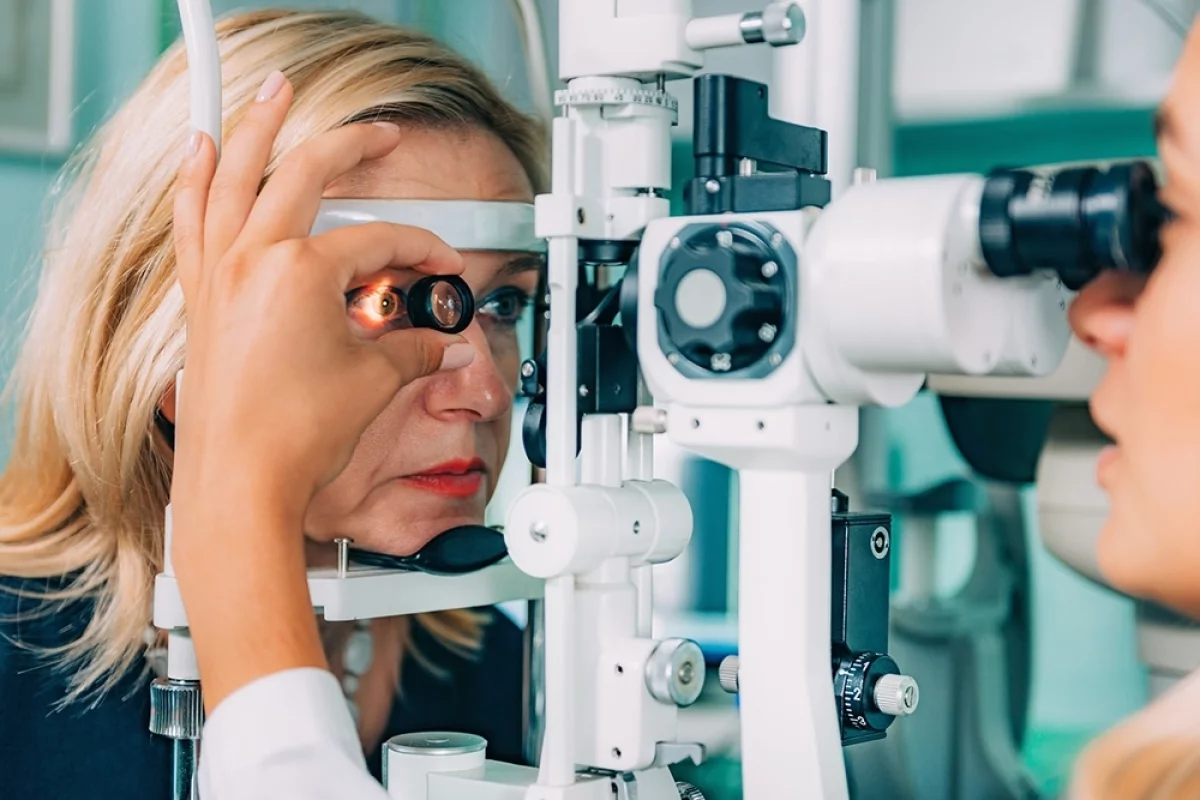
Ophthalmoscopy is key for looking at the optic disc. It uses an ophthalmoscope to see inside the eye. Fundus photography takes pictures of the retina and optic disc. These photos help track changes and find issues.
Advanced Imaging Technologies
New tech has changed eye care, giving deep looks at the optic disc. Optical Coherence Tomography (OCT) makes detailed images of the retina and optic disc. It’s great for spotting small changes and diagnosing glaucoma.
Other new tools include confocal scanning laser ophthalmoscopy and scanning laser polarimetry. They give detailed info on the optic disc’s shape and nerve layer thickness. This helps doctors diagnose and keep an eye on eye conditions.
By mixing old and new methods, doctors can really understand the optic disc’s health. This helps them create good treatment plans for eye problems.
Optic Disc Disorders and Their Impact on Vision
The health of the optic disc is key for good vision. Several disorders can harm this area. The optic disc sends visual information from the eye to the brain.
Optic Disc Edema and Papilledema
Optic disc edema is swelling of the optic disc. It can be caused by high pressure in the brain. Papilledema is a type of edema due to skull pressure. These can cause vision problems and, if not treated, permanent vision loss. We use advanced tests to spot these issues early.
Symptoms include vision changes, headaches, and severe vision loss. Quick diagnosis and treatment are vital to avoid lasting damage.
Glaucoma and Optic Disc Cupping
Glaucoma damages the optic nerve due to high eye pressure. Optic disc cupping is a sign of glaucoma. Early detection is key to prevent vision loss. Regular eye exams are important to check the optic disc.
Glaucoma can be slowed with treatment. Watching for optic disc changes is vital in managing glaucoma.
Optic Neuritis and Inflammation
Optic neuritis is inflammation of the optic nerve. It can cause pain and vision loss. It’s linked to diseases like multiple sclerosis. Optic neuritis can significantly affect vision, but vision may sometimes return. We’ll talk about treatments for optic neuritis and other optic disc inflammation.
Diagnosing optic neuritis involves a detailed eye exam and imaging. Treatment focuses on the cause and may include anti-inflammatory drugs.
Conclusion: The Essential Role of the Optic Disc in Vision
The optic disc is key to our vision and eye health. It’s where visual signals from the eye go to the brain. We’ve looked at its anatomy, functions, and how it affects our eyes and sight.
This disc is essential for sending visual signals. Its special structure lets nerve fibers come together. Knowing about the optic disc helps us spot and treat eye problems like glaucoma and optic neuritis.
In short, the optic disc is a vital part of our vision. By understanding its role, we can better care for our eyes and keep our vision sharp.
FAQ
What is the optic disc?
The optic disc, also known as the optic nerve head, is at the back of the eye. It connects the retina to the optic nerve. It plays a key role in sending visual signals to the brain.
Where is the optic disc located?
The optic disc is on the medial aspect of the retina. Its position is important for understanding its functions and clinical significance.
What is the function of the optic disc?
The optic disc collects visual information from the retina. It sends this information to the brain via the optic nerve. This helps us see and understand visual stimuli.
What is the role of the central retinal artery and vein in the optic disc?
The central retinal artery brings blood to the retina. The central retinal vein takes blood away from the retina. Both are key for the retina’s health and function.
Why does the optic disc create a blind spot?
The optic disc lacks photoreceptors, causing a blind spot. But, our brain usually fills in this missing information, making it less noticeable.
What is the clinical significance of the optic disc?
The optic disc’s appearance and condition offer insights into eye health. It’s a key diagnostic tool for eye diseases.
How is the optic disc examined?
Ophthalmoscopy, fundus photography, and OCT are used to examine the optic disc. These methods help assess its health.
What are some common disorders that affect the optic disc?
Disorders like optic disc edema, glaucoma, and optic neuritis can impact vision. They require immediate medical attention.
What is the importance of the optic disc in maintaining eye health?
The optic disc is vital for eye health and vision. Understanding its functions and clinical significance is essential.
What is optic disc edema?
Optic disc edema is swelling of the optic disc. It’s often due to increased intracranial pressure or other conditions.
How does glaucoma affect the optic disc?
Glaucoma can damage the optic disc. This leads to optic disc cupping and can cause permanent vision loss if not treated.
References
National Center for Biotechnology Information. Evidence-Based Medical Guidance. Retrieved from https://www.ncbi.nlm.nih.gov/books/NBK507907/