
Tongue cancer has clear signs that are important for catching it early. We’ll look at the main signs, like painful sores and red or white patches. These signs mean you need to see a doctor right away. What does tongue cancer look like? A visual guide to recognizing the early signs of a sore or lump on the tongue.
Knowing these signs is key to finding and treating tongue cancer early. Places like Liv Hospital focus on teaching patients and screening early. This helps people get the care they need quickly.
Early detection and expert medical help can greatly improve treatment success.
Key Takeaways
- Early signs of tongue cancer include painful sores, unusual lumps, or discolored patches.
- Prompt medical attention is key for effective treatment.
- Tongue cancer starts as a growth of cells on the tongue.
- Trusted healthcare organizations focus on patient education and early screening.
- Early detection boosts treatment success rates.
Understanding Tongue Cancer
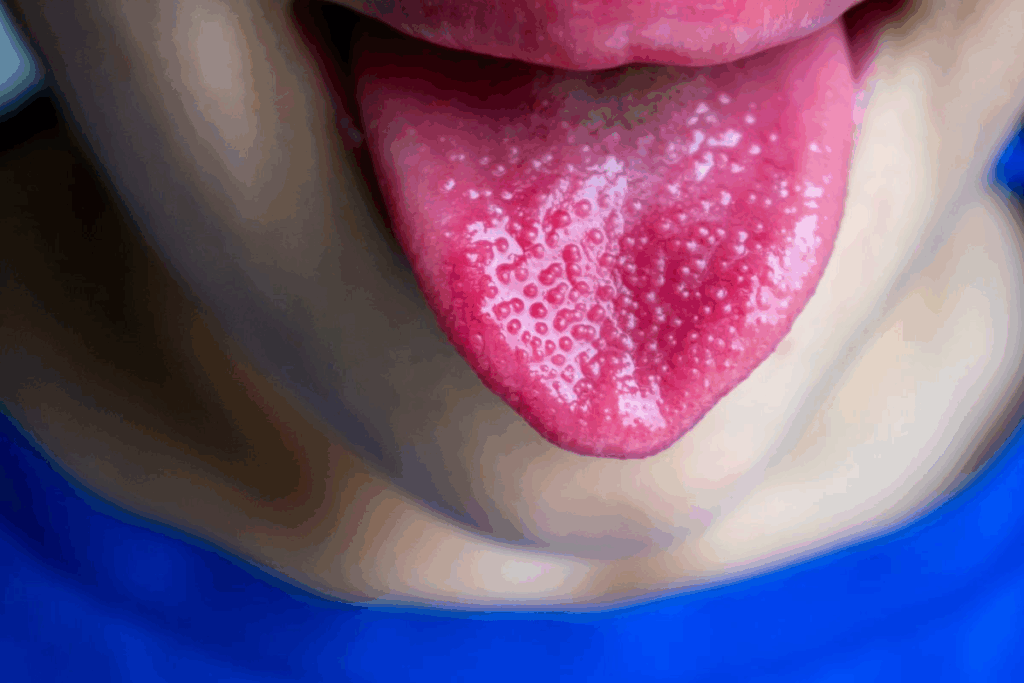
Knowing about tongue cancer is key to catching it early and treating it well. This can save lives and make treatment more effective. We’ll explore what tongue cancer is, how common it is, its types, and risk factors. This will give you a full picture of this serious condition.
Definition and Prevalence in the United States
Tongue cancer, also called lingual cancer, starts in the tongue. It’s when cancer cells grow out of control in the tongue’s tissue. The American Cancer Society says tongue cancer is a top oral cancer type in the U.S., with many new cases each year.
Knowing about tongue cancer is important in the U.S. It affects many people, with some groups at higher risk. This is because of certain risk factors.
Type of Cancer | Estimated New Cases | Estimated Deaths |
Tongue Cancer | 13,560 | 2,410 |
Oral Cavity and Pharynx Cancer | 53,000 | 10,860 |
Types of Tongue Cancer
Tongue cancer is mainly divided into two types: oral tongue cancer and base of tongue cancer. Oral tongue cancer is in the front part of the tongue, visible when you stick it out. Base of tongue cancer is at the back, near the throat.
The most common tongue cancer is squamous cell carcinoma. It starts in the squamous cells on the tongue’s surface. Other rare types include adenocarcinoma and sarcoma.
Common Risk Factors
It’s hard to pinpoint the exact cause of tongue cancer. But, some risk factors increase your chance of getting it. These include smoking, heavy drinking, HPV infection, and exposure to chemicals and radiation.
Knowing these risk factors is important for prevention and early detection. People who smoke or drink a lot, or have HPV, should watch their oral health closely. They should tell their doctor about any unusual changes.
- Smoking and tobacco use
- Heavy alcohol consumption
- HPV infection
- Exposure to certain chemicals and radiation
By knowing the risk factors and types of tongue cancer, you can take steps to prevent it. This can lead to better treatment outcomes.
What Does Tongue Cancer Look Like? Visual Characteristics

Tongue cancer can look different, but there are common signs. It often starts as a small, painless spot. This can be a red or white patch, a sore, or a lump on the tongue. Spotting these signs early is key for treatment.
Common Visual Presentations
Tongue cancer can show up in several ways. Most often, people see red or white patches on their tongue. These patches might be precancerous or cancerous and need a doctor’s check.
Red patches (erythoplakia) are more likely to be cancerous than white patches. They look like red, velvety spots that can’t be rubbed off.
White patches (leukoplakia) are white spots that can’t be wiped away. They often come from chronic irritation and might turn cancerous.
Thickening of Oral Tissue
Another sign of tongue cancer is thickened oral tissue. This feels like a rough or hard area on the tongue. Such thickening might mean cancerous changes in the tissue.
Nodular Masses and Velvety-Textured Lesions
Nodular masses or lumps on the tongue can also point to cancer. These might not hurt at first but can become uncomfortable as they grow. Velvety-textured lesions, often seen with erythoplakia, also need medical attention.
Knowing these signs can help catch tongue cancer early. If you see anything unusual on your tongue, see a doctor right away.
Early Signs and Symptoms of Tongue Cancer
It’s important to know the early signs of tongue cancer for better treatment. We aim to give you the info you need to spot issues early.
Persistent Sores and Ulcers
Persistent sores or ulcers on the tongue are a key sign. These sores can hurt and bleed easily. They look like canker sores but don’t heal.
Pain and Discomfort
Pain in the tongue or mouth is another sign. This pain can feel dull or sharp. It gets worse when you eat, drink, or talk.
Changes in Speech and Swallowing
Tongue cancer can change how you speak and swallow. You might slur your words or have trouble making sounds. You might also feel like something is stuck in your throat.
Bleeding and Numbness
Bleeding or numbness in the tongue or mouth is a sign too. Tumors can disrupt normal tissue and nerve function, causing these symptoms.
Knowing these signs can help with treatment. If you notice any, see a doctor for a check-up.
Red and White Patches: Key Visual Indicators
When looking at the tongue for cancer signs, red and white patches are important. These can be early warning signs that need quick medical help.
Erythoplakia (Red Patches)
Erythoplakia means red patches on the tongue that can’t be identified as other lesions. These red spots are more likely to turn into cancer than white ones. It’s very important to watch any red patches on the tongue, as they might be an early sign of oral cancer.
“The presence of erythoplakia on the tongue is considered a serious condition due to its high risk of turning into cancer.”
Leukoplakia (White Patches)
Leukoplakia shows up as white patches on the tongue that can’t be rubbed off. These are often caused by long-term irritation and might turn into cancer. It’s wise to keep an eye on these patches and get a biopsy to check for cancer.
- White patches that don’t go away
- Changes in the texture of the patches
- Patches that bleed easily
When to Be Concerned About Tongue Discoloration
If you see red or white patches on your tongue that last more than two weeks, see a doctor. Catching it early is key to treating it well. Keep an eye out for any changes in your tongue’s look and get medical help if you see something odd.
Key indicators to watch for include:
- Red or white patches that don’t fade
- Changes in the size or texture of the patches
- Bleeding or pain in the affected area
By knowing these signs and acting fast, you can greatly increase your chances of catching tongue cancer early and treating it effectively.
Squamous Cell Carcinoma: The Most Common Type
Squamous cell carcinoma is the most common type of tongue cancer. It starts from the thin, flat cells on the tongue’s surface. This cancer is important because it affects many people’s oral health.
Appearance and Characteristics
Squamous cell carcinoma on the tongue can look different. It might show up as a red or white patch, an ulcer, or a lump. The changes can vary, but often include texture and color changes on the tongue.
Development in Surface Cells of the Tongue
This cancer starts in the squamous cells, which cover the tongue’s surface. These cells are key to the tongue’s health. When they turn cancerous, the tongue can look and work differently.
Progression Patterns
The growth of squamous cell carcinoma can change over time. At first, it might look like a small, harmless spot. But as it grows, it can get bigger, ulcerate, or spread to other areas. Knowing how it progresses helps in catching it early and treating it well.
Spotting squamous cell carcinoma early is key to better treatment. It’s important for both patients and doctors to know what to look for.
Early-Stage Tongue Cancer Appearance
Tongue cancer caught early has a better chance of being treated successfully. It might not show clear signs at first. But, there are certain visual clues and changes that can hint at its presence.
Small Indurated Ulcerations
One early sign of tongue cancer is small, hard sores. These sores don’t heal and can feel tough. Early treatment can lead to survival rates of 80-90%.
Irregular Margins and Well-Defined Borders
Lesions from early-stage tongue cancer have jagged edges. This means their borders are not smooth. Doctors stress that catching it early is vital for treatment.
“The appearance of tongue cancer can vary significantly from one individual to another, making it important to notice any unusual changes in the mouth.”
Texture Changes
Texture changes in the tongue can signal tongue cancer. These might include rough, thick, or hard spots. Regular self-checks can spot these early.
Early Warning Signs That Shouldn’t Be Ignored
Watch out for signs like persistent sores, pain, or trouble speaking. Also, numbness or bleeding is a red flag. Seeing a doctor quickly is key if you notice these symptoms.
Being alert to these signs and knowing what early-stage tongue cancer looks like can save lives. It allows for early treatment, greatly improving outcomes.
Advanced Tongue Cancer Presentation
Advanced tongue cancer shows clear signs that are different from early stages. As it gets worse, symptoms get more severe. This affects how well a person can live their life.
Larger Ulcerated Masses
One key sign of advanced tongue cancer is big ulcerated masses. These can hurt and bleed easily. This makes it hard to eat and talk.
Inflammatory Changes
Advanced tongue cancer also causes inflammation. This leads to swelling, redness, and more pain. It makes it even harder to swallow or speak.
Impact on Surrounding Tissues
As tongue cancer gets worse, it can spread to nearby tissues. This includes muscles, bones, and nerves. It can make it hard to chew, swallow, and speak clearly.
Late-Stage Visual Indicators
Late-stage tongue cancer shows clear signs. These include a lot of tissue damage, big ulcers, and a lot of inflammation. These signs are scary for patients and need quick medical help.
Visual Indicator | Description | Impact on Patient |
Larger Ulcerated Masses | Painful masses that may bleed easily | Difficulty eating, speaking; pain |
Inflammatory Changes | Swelling, redness, increased pain | Complicates swallowing, speaking |
Tissue Invasion | Invasion into surrounding muscles, bones, nerves | Affects chewing, swallowing, speech articulation |
It’s important to know these signs of late-stage tongue cancer. Spotting them early can help get the right treatment sooner. This can make a big difference in a patient’s life.
Differentiating Tongue Cancer from Other Oral Conditions
Tongue cancer and benign oral conditions can look similar. It’s important to know the differences for accurate diagnosis and treatment.
Common Benign Conditions That Mimic Cancer
Several benign conditions can look like tongue cancer. It’s key to understand their characteristics. These include:
- Canker sores
- Oral lichen planus
- Benign tumors
- Traumatic ulcers
These conditions can cause pain or discomfort and look like ulcers or lesions. But, they have different causes and implications than tongue cancer.
Canker Sores vs. Cancerous Lesions
Canker sores are a common condition that can be mistaken for cancer. They are painful and look like ulcers but usually heal in a few weeks. Cancerous lesions, though, don’t heal and can grow.
If a sore on your tongue doesn’t heal in two weeks, see a healthcare professional.
When to Seek Medical Attention
Notice any unusual changes in your tongue? Like persistent sores, white or red patches, or numbness? It’s important to get medical help. Early detection is key to effective treatment.
Stay alert to your oral health. If you’re worried about tongue cancer or other oral conditions, talk to a healthcare professional.
Importance of Early Detection
Finding tongue cancer early is key to successful treatment. Early detection is vital for managing and treating tongue cancer. It allows for quick action and better results for patients.
Impact on Treatment Success
Research shows that getting treatment quickly boosts survival chances. The importance of early detection is huge. It greatly affects how well treatment works.
Time to Treatment | Survival Rate |
Within 1 month | 80% |
1-3 months | 60% |
More than 3 months | 40% |
Self-Examination Techniques
Doing regular self-examinations is a simple but effective way to spot problems early. To check your tongue, look for:
- Unusual patches or discoloration
- Persistent sores or ulcers
- Numbness or pain
- Changes in texture or thickness
Being proactive and knowing your oral health can greatly help in catching tongue cancer early.
Regular Dental Check-ups
Regular dental check-ups are also key in catching tongue cancer early. Dentists can spot oral cancers early, often before symptoms show. They will check your tongue and mouth for any oddities during a visit.
By doing self-exams and going to the dentist regularly, you can catch and deal with any issues fast.
Diagnosis and Treatment Options
Diagnosing tongue cancer involves a few steps. We will explain how doctors find out if you have tongue cancer. We will also talk about the different ways to treat it.
Visual Examination and Biopsy
A doctor first looks for any signs of cancer on your tongue. They check for ulcers, white or red patches, or thickened tissue. If they find something suspicious, they take a biopsy.
A biopsy means taking a small piece of tissue for a closer look. This helps find out if cancer cells are there.
A medical expert says, “A biopsy is key for tongue cancer diagnosis. It helps us know if cancer is present and how to treat it.”
Imaging Techniques
Doctors also use imaging techniques like CT, MRI, and PET scans. These tests show how big the cancer is and if it has spread. Knowing this helps doctors plan the best treatment.
- CT scans show detailed body images.
- MRI scans focus on soft tissues.
- PET scans spot cancer by its activity.
Surgery and Radiation Therapy
The treatment for tongue cancer depends on several factors. Surgery is often the first choice for small tumors. It removes the tumor and some nearby tissue.
In some cases, radiation therapy is used alone or with surgery. It kills any cancer cells left behind.
Chemotherapy and Targeted Treatments
For bigger tumors, chemotherapy and targeted treatments are used. Chemotherapy kills cancer cells with drugs. Targeted treatments focus on cancer growth molecules.
These treatments can work with surgery and radiation. They help give a full treatment plan.
It’s clear that treating tongue cancer needs a team effort. This approach helps get the best results.
Conclusion
Knowing the signs of tongue cancer and its risks can help people get medical help early. Early detection is key to managing tongue cancer well. It helps patients keep their speech and swallowing skills.
We talked about the visual signs and early symptoms of tongue cancer. These include red and white patches, sores that don’t heal, and changes in speech and swallowing. Spotting these signs early can help identify problems quickly.
Getting treatment early is vital for better outcomes in tongue cancer. Options like surgery, radiation, and chemotherapy can work well if caught early.
Being aware of tongue cancer’s risk factors and signs can lead to early detection and treatment. We urge readers to watch their oral health closely. If they notice anything unusual, they should see a doctor right away.
FAQ
What does cancer of the tongue look like?
Tongue cancer can show up as a sore that hurts, or as red or white patches. It can also cause the tongue to thicken or form nodules. These signs need quick attention.
What are the early signs and symptoms of tongue cancer?
Early signs include sores and ulcers that don’t heal, pain, and trouble speaking or swallowing. Bleeding and numbness are also warning signs. Spotting these early can lead to better treatment.
What do red and white patches on the tongue indicate?
Red patches, called erythoplakia, and white patches, called leukoplakia, might mean tongue cancer. They could be early signs of cancer and need a doctor’s check.
How does squamous cell carcinoma, the most common type of tongue cancer, appear?
Squamous cell carcinoma can look like a small, hard sore, a lump, or a soft, velvety spot. Knowing what it looks like is key to catching it early.
What does early-stage tongue cancer look like?
Early tongue cancer might show as small, hard sores, or changes in the tongue’s texture. Spotting these signs early can help with treatment.
How can tongue cancer be differentiated from other oral conditions?
Tongue cancer stands out with its sores, ulcers, and red or white patches. A doctor can tell it apart from other mouth issues through a look and a biopsy.
Why is early detection of tongue cancer important?
Finding tongue cancer early is key to treating it well. Checking yourself and seeing a dentist regularly can help catch it early.
What are the treatment options for tongue cancer?
Treatments include surgery, radiation, chemotherapy, and targeted therapy. The right treatment depends on the cancer’s stage and the patient’s health.
What does tongue cancer look like in its advanced stages?
Advanced tongue cancer shows as big sores, swelling, and damage to nearby tissues. It can also make the tongue not work right.
Can tongue cancer be treated successfully?
Yes, tongue cancer can be treated well if caught early. Quick action and treatment can greatly improve life for those with tongue cancer.
How can I identify tongue cancer at home?
Look for unusual tongue changes like sores, patches, or thickening. If you see anything odd, see a doctor right away.
References
World Health Organization. (2025). What Does Tongue Cancer Look Like Early Signs. Retrieved from https://www.who.int/news-room/fact-sheets/detail/oral-health