Last Updated on November 26, 2025 by Bilal Hasdemir
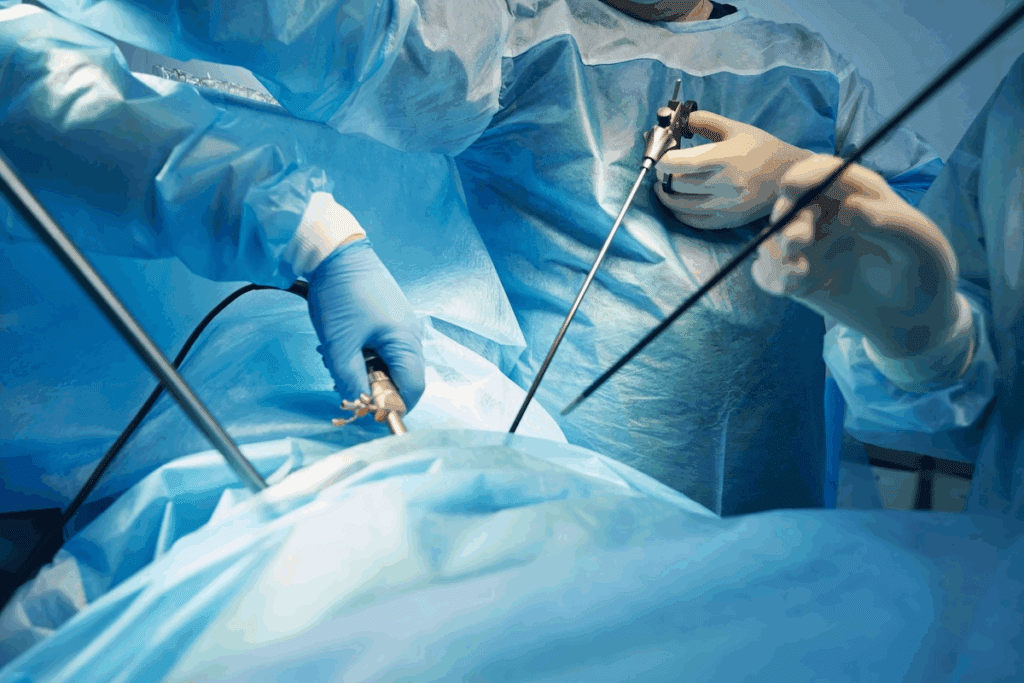
A general surgeon is the doctor who typically removes the gallbladder. These specialists often focus on minimally invasive or laparoscopic surgery, which allows for smaller incisions, faster recovery, and less pain after the procedure.
The surgery to remove the gallbladder is called a cholecystectomy. It’s performed to treat conditions like gallstones, gallbladder inflammation (cholecystitis), or infection. When the gallbladder becomes diseased, removal is often the best way to relieve symptoms such as pain, nausea, and digestive issues.
If you’re wondering what dr removes gallbladder or whether you might need this surgery, it’s important to consult with an experienced general surgeon.
At Liv Hospital, our expert surgeons specialize in advanced, patient-focused surgical care. Using the latest laparoscopic techniques, they ensure the highest standards of safety, precision, and recovery support for every patient.
Key Takeaways
- A general surgeon specializing in laparoscopic procedures typically performs gallbladder removal surgery.
- Gallbladder surgery is necessary for conditions like gallstones and cholecystitis.
- Understanding the signs and risks helps in making an informed decision about surgery.
- Liv Hospital provides patient-centered care with world-class surgical expertise.
- Gallbladder removal is considered when the gallbladder is diseased or inflamed.
The Gallbladder: Function and Importance
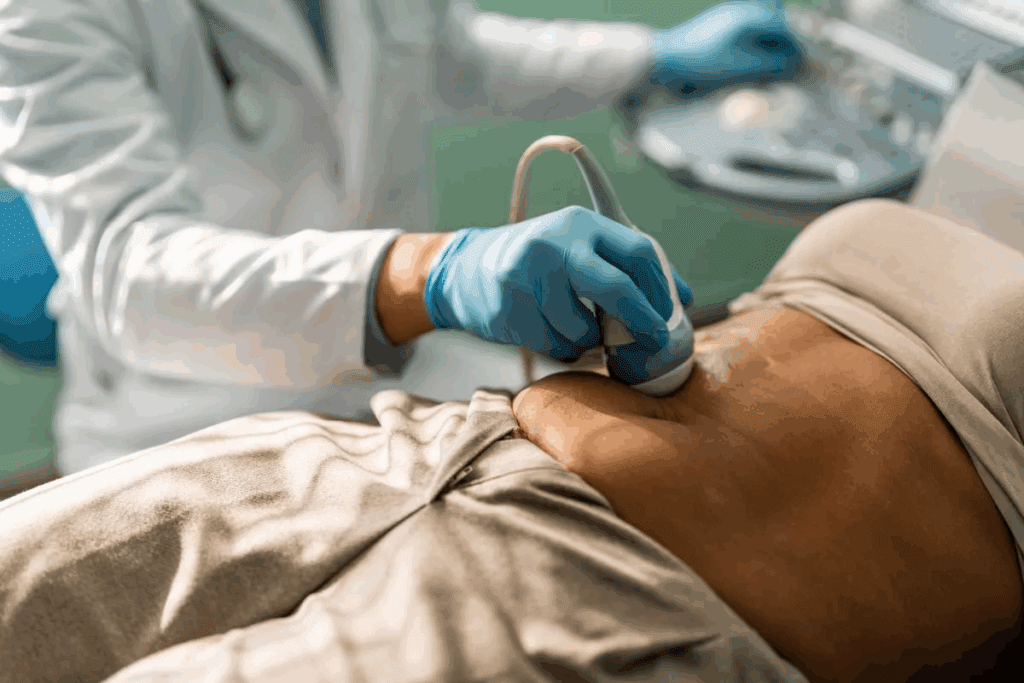
It’s key to know how the gallbladder works to see its role in our health. Many don’t get it until they face issues. But, it’s vital for digestion.
Anatomy and Location in the Digestive System
The gallbladder is a small, pear-shaped organ under the liver. It’s part of the biliary system, which also includes the liver and bile ducts. Its main job is to store bile, a liver-made fluid that helps digest fats.
Role in Bile Storage and Fat Digestion
Bile from the gallbladder goes into the small intestine during meals, mainly with fatty foods. This bile breaks down fats for easier digestion by enzymes. Even though the gallbladder stores bile, the liver keeps making it.
Why the Gallbladder Is Not Essential for Survival
Interestingly, you can live without a gallbladder. Many people have gallbladder removal surgery (cholecystectomy) for gallstones or diseases. Without it, bile goes straight from the liver to the small intestine, causing some digestive changes but usually manageable.
| Condition | Effect on Gallbladder | Outcome After Gallbladder Removal |
| Gallstones | Blockage or pain | Relief from symptoms |
| Cholecystitis | Inflammation | Resolution of inflammation |
| Biliary Dyskinesia | Poor bile flow | Improved digestion |
In conclusion, the gallbladder aids in digestion but isn’t needed to live. Knowing its role helps us make better health choices, like deciding about gallbladder removal.
What Doctor Removes the Gallbladder?
General surgeons are the main doctors who remove gallbladders. They have the skills and knowledge to do the surgery well.
General Surgeons as Primary Gallbladder Specialists
General surgeons can do many surgeries, including removing gallbladders. They are trained to take care of you before, during, and after surgery. They will:
- Check if you need surgery based on tests and your health history
- Talk to you about the surgery’s risks and benefits
- Do the surgery, using the best method for you
- Help you recover after surgery
Subspecialties in Minimally Invasive and Laparoscopic Surgery
Many general surgeons specialize in minimally invasive and laparoscopic surgery. This is great for gallbladder removal. Laparoscopic surgery uses small cuts and a camera. Surgeons skilled in this area can:
- Make smaller cuts, leading to less pain after surgery
- Keep you in the hospital for less time and help you recover faster
- Have fewer complications than open surgery
Qualifications to Look for When Choosing a Surgeon
When picking a surgeon for gallbladder removal, look at their qualifications and experience. Important things to check are:
- Board certification in surgery
- Experience with laparoscopic and minimally invasive techniques
- A good success rate
- Ability to perform surgery at a trusted hospital or center
Choosing a skilled and experienced general surgeon means your surgery will be in good hands.
Common Gallbladder Conditions Requiring Medical Attention
Many gallbladder issues can lead to serious problems that need a doctor’s help. Sometimes, this means removing the gallbladder. Knowing about these problems helps figure out the best treatment.
Gallstones: Formation, Types, and Complications
Gallstones are small, hard pieces that form in the gallbladder. They often happen when there’s an imbalance of cholesterol or bilirubin. There are two main kinds: cholesterol stones and pigment stones.
Types of Gallstones:
- Cholesterol stones: These are yellowish and linked to high cholesterol.
- Pigment stones: Smaller and darker, made of bilirubin.
Gallstones can block bile ducts, causing severe pain, infection, or inflammation. If not treated, they can lead to cholecystitis.
| Type of Gallstone | Composition | Common Causes |
| Cholesterol Stones | Primarily cholesterol | High cholesterol, obesity |
| Pigment Stones | Bilirubin | Blood disorders, liver disease |
Cholecystitis: Acute and Chronic Inflammation
Cholecystitis is inflammation of the gallbladder. It can be acute or chronic. Acute cholecystitis is often caused by gallstones blocking the cystic duct. Chronic cholecystitis happens from recurring inflammation.
Symptoms of Cholecystitis:
- Severe abdominal pain
- Fever
- Nausea and vomiting
Untreated cholecystitis can cause serious problems like gangrene or perforation of the gallbladder. In severe cases, removing the gallbladder may be necessary to prevent further issues.
Biliary Dyskinesia and Other Functional Disorders
Biliary dyskinesia is when the gallbladder doesn’t work right, causing chronic pain and digestive problems. Other disorders can also affect the gallbladder, making it hard to store and release bile.
Diagnostic Approaches:
- Imaging studies like ultrasound or HIDA scans
- Laboratory tests to check gallbladder function
In some cases, these conditions may need medical treatment, including gallbladder removal if other treatments don’t work. Knowing when a gallbladder is removed is important for those with these conditions.
Recognizing Gallbladder Problem Symptoms
Knowing the signs of gallbladder problems is key to avoiding serious issues. The gallbladder aids in digestion, even though it’s not vital for life. Problems with it can cause a lot of pain and health issues.
Characteristic Pain Patterns and “Gallbladder Attacks”
Gallbladder issues often show up as pain in the upper right abdomen. This pain can be steady or come and go. It’s sometimes called a “gallbladder attack.” These attacks can be triggered by eating fatty foods and may have other symptoms.
Symptoms during a gallbladder attack may include:
- Severe, sharp pain in the upper right abdomen
- Pain that radiates to the right shoulder or back
- Nausea and vomiting
- Sweating and chills
Digestive Symptoms and Systemic Effects
Gallbladder problems can also cause digestive symptoms. Some people may feel systemic effects if the problem gets worse or becomes complicated.
Common digestive and systemic symptoms include:
- Bloating and gas
- Indigestion and discomfort after eating
- Fever, in cases of infection or inflammation
- Jaundice, a yellowing of the skin and eyes due to bile duct obstruction
Warning Signs That Require Immediate Medical Care
Certain symptoms mean you need to see a doctor right away. If you have any of these, get help fast.
| Symptom | Description |
| Severe Abdominal Pain | Pain that is intense and unrelenting, potentially indicating a gallbladder attack or complication. |
| Fever and Chills | Signs of infection, which can occur with cholecystitis or other gallbladder conditions. |
| Jaundice | Yellowing of the skin and eyes, suggesting a bile duct obstruction. |
It’s important to know these symptoms to know when to seek medical help. If you’re having ongoing or severe symptoms, talk to a doctor for the right care.
Diagnosis and Evaluation of Gallbladder Conditions
Diagnosing gallbladder conditions requires a detailed approach. This includes imaging studies and lab tests. Accurate diagnosis is key to finding the right treatment, which might include removing the gallbladder.
Imaging Studies: Ultrasound, CT, MRI, and HIDA Scans
Imaging studies are essential for diagnosing gallbladder diseases. Ultrasound is often the first choice because it’s non-invasive and good at finding gallstones and inflammation.
Computed Tomography (CT) scans give detailed images and help spot complications like gallbladder perforation or pancreatitis. Magnetic Resonance Imaging (MRI) and Hepatobiliary Iminodiacetic Acid (HIDA) scans also help, with HIDA scans being great for checking gallbladder function and bile duct obstructions.
Laboratory Tests for Gallbladder Function
Laboratory tests are vital for checking gallbladder function and spotting gallbladder disease. Tests include liver function tests and complete blood counts. These tests help find signs of infection or inflammation.
| Laboratory Test | Purpose | Indicators of Gallbladder Disease |
| Liver Function Tests | Measure liver enzyme levels and bilirubin | Elevated levels may indicate bile duct obstruction or liver dysfunction |
| Complete Blood Count (CBC) | Assess for signs of infection or inflammation | Elevated white blood cell count may indicate cholecystitis |
| Bilirubin Levels | Measure bilirubin levels in the blood | Elevated bilirubin may indicate bile duct obstruction |
The Diagnostic Process and Consultation
The diagnostic process starts with a detailed medical history and physical exam. Based on these findings, doctors may order imaging studies and lab tests. A specialist, like a gastroenterologist or surgeon, is often needed to decide the best treatment.
When deciding if the gallbladder needs to be removed, doctors look at several factors. These include recurrent gallstones, chronic inflammation, or other complications. The decision to have surgery depends on the patient’s health and the severity of their symptoms.
When Is Gallbladder Removal Necessary?
Understanding when gallbladder surgery is needed is key. The choice to remove the gallbladder, or cholecystectomy, depends on gallbladder disease severity.
Medical Criteria for Recommending Surgery
Surgery is often advised for those with symptomatic gallstones or cholecystitis. Gallstones causing pain or leading to inflammation or infection usually require surgery.
Common reasons for gallbladder surgery include:
- Recurring gallstone attacks
- Acute or chronic cholecystitis
- Gallbladder polyps larger than 1 cm
- Gallbladder cancer
Emergency Situations vs. Elective Procedures
The urgency of gallbladder surgery varies. Emergency surgery is needed for severe conditions like acute cholecystitis. Planned surgeries are for non-emergency cases.
Risk-Benefit Analysis for Different Patient Populations
Choosing surgery involves weighing risks and benefits for each patient. Older adults or those with health issues face higher risks.
| Patient Group | Benefits of Surgery | Risks and Considerations |
| Young, Healthy Adults | Relief from symptoms, prevention of complications | Minimal risks, quick recovery |
| Older Adults | Resolution of gallbladder issues, improved quality of life | Higher risk of surgical complications, longer recovery |
| Patients with Underlying Conditions | Elimination of gallbladder-related health issues | Increased risk of complications, need for careful preoperative evaluation |
The need for gallbladder removal varies by individual. It depends on health status, condition severity, and surgery risks and benefits.
Modern Approaches to Gallbladder Surgery
Modern surgery for gallbladder removal has changed a lot. It now offers many options for different needs.
Laparoscopic Cholecystectomy: The Gold Standard
Laparoscopic cholecystectomy is the top choice for removing the gallbladder. It uses small cuts in the belly for a laparoscope and tools. This method has less pain, quicker healing, and less scarring than old surgery.
Key advantages of laparoscopic cholecystectomy:
- Smaller incisions, resulting in less tissue damage
- Reduced risk of complications
- Shorter hospital stays
- Faster return to normal activities
Open Cholecystectomy: Traditional Approach
Open cholecystectomy is the old way of removing the gallbladder. It needs a big cut in the belly. It’s more invasive and takes longer to heal. But, it’s used when laparoscopic surgery can’t be done or when the situation is complex.
When is open cholecystectomy preferred?
- In cases of severe inflammation or scarring
- When laparoscopic equipment is not available or suitable
- In complex cases where direct visualization is necessary
Advanced Techniques: Single-Incision and Robotic-Assisted Surgery
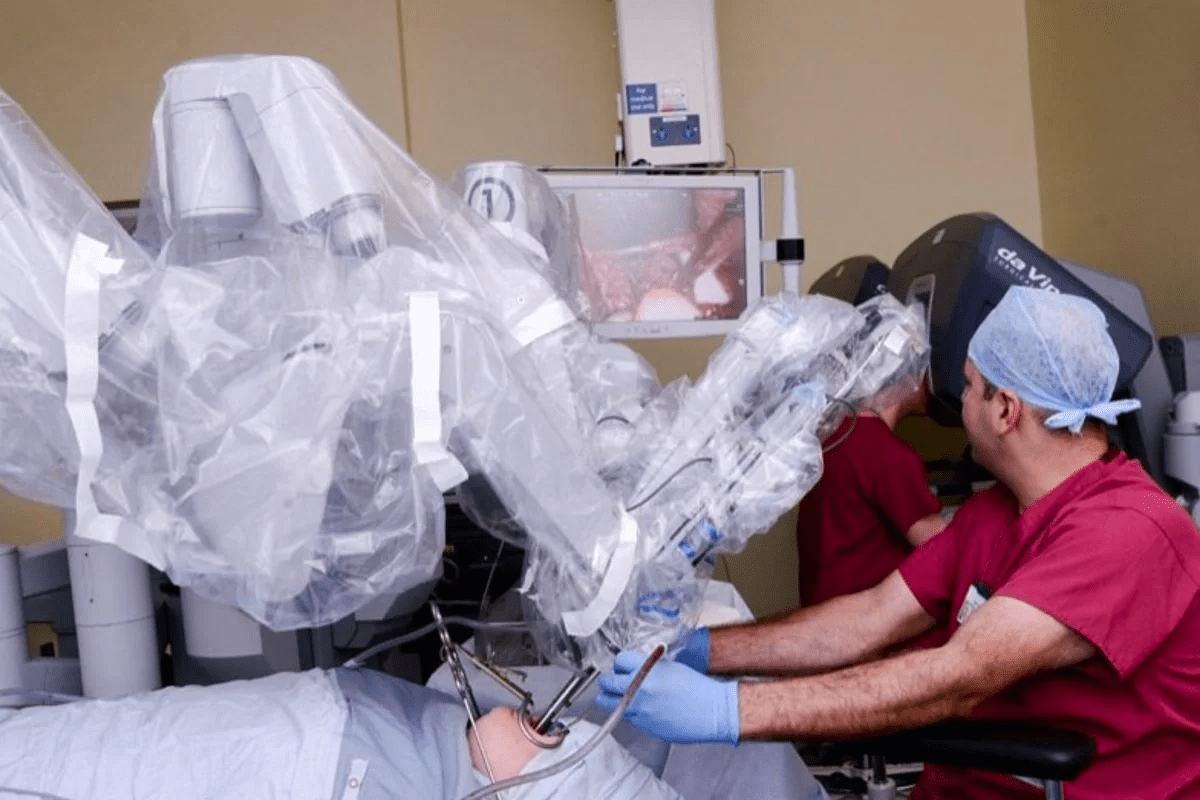
New techniques like single-incision and robotic-assisted surgery have come up. Single-incision surgery uses one cut, usually in the belly button, for less scarring. Robotic-assisted surgery uses a robot for better control and precision.
| Surgical Technique | Benefits | Considerations |
| Laparoscopic Cholecystectomy | Minimally invasive, less pain, quicker recovery | Requires specialized training and equipment |
| Open Cholecystectomy | Direct access, useful in complex cases | More invasive, longer recovery time |
| Single-Incision Surgery | Less visible scarring | Limited availability, technically challenging |
| Robotic-Assisted Surgery | Enhanced precision, improved dexterity | High cost, limited accessibility |
The right surgery for gallbladder removal depends on many things. These include the patient’s health, how bad their condition is, and the surgeon’s skills. Knowing about these modern methods helps patients make better choices.
The Surgical Process and Hospital Experience
Having your gallbladder removed involves several important steps. These include preparation before surgery and care after it. Knowing these steps can help ease your worries and prepare you for your hospital stay.
Preoperative Preparation and Testing
Before surgery, patients go through tests and preparations. These steps are to make sure the surgery and recovery go well. Tests may include:
- Blood tests to check overall health and find any issues
- Imaging tests like ultrasound or CT scans to confirm the diagnosis
- Electrocardiogram (ECG) to check heart health
- Review of medications to avoid any problems
Preoperative preparation is key to reducing risks and ensuring a successful surgery.
What Happens During Gallbladder Removal Surgery
The surgery to remove the gallbladder is usually done laparoscopically. This means:
- Small incisions are made in the abdomen for instruments and a camera
- The abdomen is filled with carbon dioxide gas for a clear view
- The gallbladder is dissected and removed
- The incisions are closed with sutures or staples
Laparoscopic surgery is chosen for its less invasive nature, leading to faster recovery times.
Immediate Post-Operative Care and Hospital Stay
After surgery, patients are watched in the recovery room for a few hours. The care includes:
- Watching for any complications or bad reactions
- Managing pain with medication
- Looking for signs of infection or other problems
The hospital stay can vary. But, many patients go home the same day or the next day. This depends on their health and the surgery’s complexity.
Knowing about the surgery and hospital stay can make patients feel more ready and less worried about their procedure.
Life After Gallbladder Removal
For those who’ve had their gallbladder taken out, knowing how it affects their life is key. This surgery, called cholecystectomy, changes how the body digests food and overall health.
Recovery Timeline and Activity Restrictions
Recovering from gallbladder surgery usually takes a week. But, it can take longer for some. It’s vital to listen to your doctor’s advice during this time.
Patients should avoid heavy lifting and driving until they feel ready. This helps prevent complications.
Dietary Adjustments and Digestive Changes
After surgery, some people notice changes in digestion. The gallbladder helps with fat digestion. Without it, bile goes straight to the small intestine.
This can cause digestive problems if diet isn’t changed. At first, eating low-fat foods is advised. Then, slowly add more fat to see how you react.
- Eat smaller, more frequent meals to ease digestion.
- Gradually increase fat intake to monitor tolerance.
- Stay hydrated to help with digestion.
Long-Term Health Considerations Without a Gallbladder
Most people don’t have big digestive problems after surgery. But, some might need to watch their diet more closely. Regular doctor visits are important for managing any ongoing issues.
Being aware of possible long-term problems is also key. But, these are rare.
By understanding the changes and making the right adjustments, people can live healthy lives. It’s about finding a new normal and taking care of your health.
Alternatives When Surgery Is Not Necessary
Not everyone needs to have their gallbladder removed. Surgery is often the go-to for some gallbladder problems. But, there are other ways for less serious cases or when surgery risks are too high.
Watchful Waiting for Asymptomatic Gallstones
For people with gallstones that don’t cause pain, surgery might not be needed right away. Watchful waiting means keeping an eye on the situation with regular check-ups and tests. This is often suggested for those without symptoms, as surgery risks might not be worth it.
“Deciding to operate on gallstones without symptoms is tricky,” a study in a top medical journal says. “It depends on the patient’s health and other risk factors.”
Medical Management of Mild Gallbladder Disease
For mild gallbladder disease, medicine might be a better choice than surgery. Medications can help dissolve stones or ease symptoms. But, not everyone can use this method, and it might not work for everyone.
- Ursodeoxycholic acid (UDCA) is a drug that can dissolve some gallstones.
- Pain relief medicines can help manage symptoms.
Lifestyle and Dietary Approaches to Support Gallbladder Health
Changing your lifestyle and diet can help your gallbladder. Eating less fat and more fiber can ease symptoms and boost digestive health.
Living a healthy lifestyle, with a balanced diet and exercise, is key to gallbladder health. Foods rich in omega-3s are also good for you.
These alternatives can help avoid or delay surgery for some. Always talk to a doctor to find the best plan for you.
Conclusion: Making Informed Decisions About Your Gallbladder Health
It’s important to know about the gallbladder and its symptoms. General surgeons, who specialize in less invasive surgeries, remove the gallbladder. They are the doctors you should see.
Knowing when surgery is needed is key. Issues like gallstones, cholecystitis, and biliary dyskinesia might need a doctor’s help. Sometimes, surgery is the best option.
Even though you can live without a gallbladder, its removal changes how you eat and digest food. Knowing these changes and other options, like watchful waiting, helps you decide. This way, you can choose what’s best for you.
Always talk to a healthcare expert about your gallbladder issues. They can guide you on the right treatment. This way, you can manage your health better.
FAQ
Do you have to have a gallbladder?
No, you don’t need a gallbladder to survive. Many people live well without one.
When is gallbladder removal necessary?
You might need surgery if your gallbladder is sick or damaged. This often happens with gallstones or cholecystitis. Doctors usually suggest surgery when symptoms are bad or when problems arise.
What doctor removes the gallbladder?
A general surgeon, often one who specializes in laparoscopic surgery, does the removal.
Is it necessary to remove a gallbladder with gallstones?
Not always. If you don’t have symptoms, you might not need surgery. But, if symptoms show up or problems happen, removing it is often a good idea.
Can you live a normal life without a gallbladder?
Yes, many people do just fine without a gallbladder. The liver keeps making bile, which goes straight to the small intestine to help with digestion.
What are the symptoms of gallbladder problems?
Signs include pain in your belly, often after eating fatty foods, nausea, vomiting, and fever. If you have severe pain or signs of infection, see a doctor right away.
How is gallbladder disease diagnosed?
Doctors use imaging like ultrasound, CT, or MRI scans and lab tests to check the gallbladder’s function and for signs of inflammation or infection.
What are the alternatives to gallbladder removal surgery?
Options include waiting and watching for small gallstones, managing mild disease with medicine, and making lifestyle and diet changes to help the gallbladder.
Is laparoscopic surgery the standard for gallbladder removal?
Yes, laparoscopic cholecystectomy is the top choice for removing the gallbladder. It’s less invasive, leading to quicker recovery and fewer problems.
What should I expect after gallbladder removal?
After surgery, you’ll need to rest and might have to change your diet. Most people can get back to normal in a few weeks.
Are there long-term health considerations after gallbladder removal?
Your body can adjust to not having a gallbladder. Some might notice changes in digestion. But, the liver’s bile production usually helps avoid big long-term issues.
Why does a gallbladder need to be removed?
You might need surgery if your gallbladder is sick or damaged. This can be due to gallstones, cholecystitis, or other issues that affect its function or cause serious symptoms.
Should I get my gallbladder removed if I have gallstones?
Whether to remove your gallbladder depends on your symptoms, how severe the condition is, and the risk of complications. Always talk to a healthcare professional to decide what’s best for you.
References:
- Garruti, G., et al. (2018). Cholecystectomy: a way forward and back to metabolic disease? Current Opinion in Lipidology, 29(3), 189-195. Retrieved from https://pmc.ncbi.nlm.nih.gov/articles/PMC8114797/