
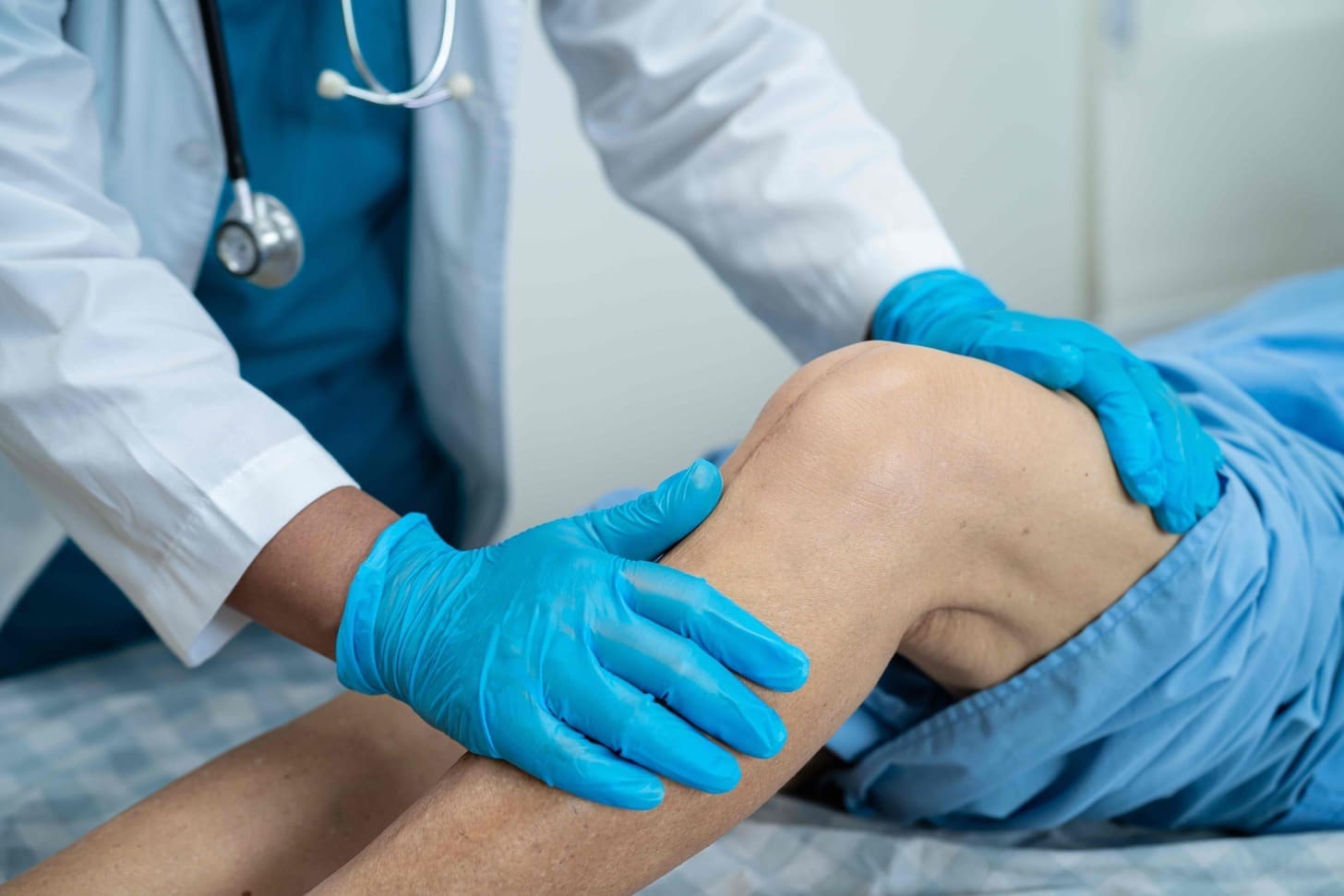
Partial anterior cruciate ligament (ACL) tears are common, making up 10-27 percent of ACL injuries. The choice of treatment depends on several factors. Knowing these is key to making the right treatment choice.
At Liv Hospital, we understand that every patient is different. We make treatment plans based on the latest medical knowledge. We look at what decides if a partial ACL tear needs surgery or if it can be treated without it.
Key Takeaways
- Partial ACL tears account for 10-27% of isolated ACL injuries.
- The decision between surgery and conservative care depends on several factors.
- Understanding the implications of partial ACL tears is key for making the right treatment choice.
- Liv Hospital is dedicated to providing advanced, patient-focused care.
- Treatment plans are made to fit each patient’s unique needs and the latest medical research.
Understanding Partial ACL Tears
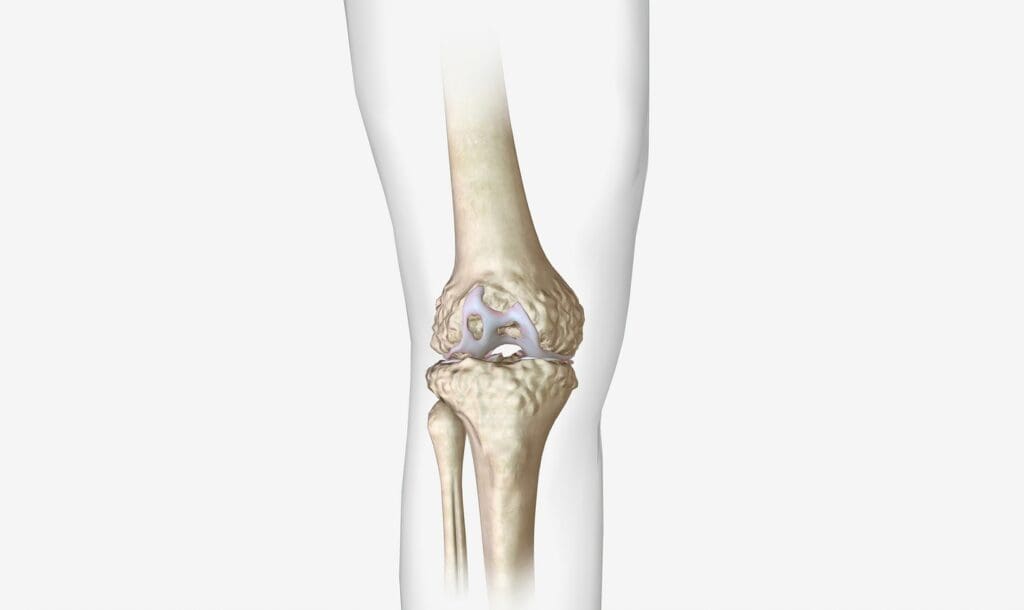
It’s key to understand partial ACL tears to get the right treatment. These tears can be small, partial thickness, or affect part of the ligament. They can really mess with how well your knee works and how stable it is.
Definition and Anatomy
The ACL is a vital ligament that keeps your knee stable. It has two parts: the anteromedial and posterolateral bundles. A partial ACL tear happens when one of these parts or a part of the ligament gets damaged, not the whole thing.
These tears can be different in how bad they are. They’re often sorted by how much damage there is. The ACL’s job in keeping your knee stable makes it prone to injuries. This is true, mainly for sports that involve quick stops, sharp turns, or direct hits.
Prevalence and Statistics
ACL injuries, including partial tears, are quite common. They happen a lot in sports like soccer, basketball, and football. Research shows that partial ACL tears are a big part of ACL injuries. Some studies even think they might be more common than we thought.
This shows we need to be good at diagnosing and treating partial ACL tears. We’ll look into these topics more in the next parts. We’ll give you the lowdown on managing partial ACL tears.
Types and Classification of Partial ACL Tears

It’s important to know the types and classification of partial ACL tears to choose the right treatment. We sort these injuries by how severe they are and what they look like. This helps us decide the best way to treat them.
Small Tears vs. Partial Thickness Tears
Partial ACL tears are divided into small tears and partial thickness tears. Small tears are minor damage to the ACL fibers. On the other hand, partial thickness tears are more serious, with a bigger disruption of the ligament. Knowing the difference is key because it decides if we should treat it without surgery or if surgery is needed.
To diagnose and classify partial ACL tears, we use clinical exams, imaging like MRI, and sometimes arthroscopy. Imaging techniques show us how big the tear is. This is important for picking the right treatment.
Grading System for Partial Tears
The grading system for partial ACL tears goes from Grade 1 to Grade 3. Grade 1 is a minor tear, and Grade 3 is a more serious one. This grading is based on how much the ligament is damaged and how unstable the knee is.
- Grade 1: Minor sprain or tear, with the ligament intact and knee stable.
- Grade 2: Moderate tear, where the ligament is partially torn, and knee shows some instability.
- Grade 3: Severe partial tear, with a big part of the ligament damaged, causing noticeable knee instability.
Getting the right grade for partial ACL tears is key for a good treatment plan. We use both clinical checks and imaging to figure out the tear’s grade. Then, we choose the best treatment.
Common Causes and Risk Factors
Partial ACL tears can happen for many reasons, like sports injuries and other non-athletic causes. Knowing why they happen is key to preventing and treating them.
Sports-Related Injuries
Sports injuries often lead to partial ACL tears. Activities that require quick stops, changes in direction, or direct contact can cause ACL injuries. Sports like soccer, basketball, and football are high-risk because they demand fast movements and can involve collisions.
Research shows that female athletes face a higher risk than males. This might be due to muscle strength, neuromuscular control, and biomechanics differences.
| Sport | Risk Level | Common Injury Mechanism |
|---|---|---|
| Soccer | High | Planting and pivoting |
| Basketball | High | Jumping and landing |
| Football | High | Direct contact |
| Tennis | Moderate | Quick changes in direction |
Non-Athletic Causes
While sports injuries are a big reason for partial ACL tears, other causes exist. Slip and fall accidents, workplace injuries, and other traumatic incidents can also cause ACL tears.
Activities that involve twisting or bending can also increase the risk of a partial ACL tear. It’s important to know these risks to prevent them.
Knowing the common causes and risk factors for partial ACL tears helps in prevention and early diagnosis. By understanding these, people can lower their risk and get the right medical care if injured.
Symptoms and Signs of a Partial ACL Tear
A partial ACL tear can show different symptoms that need to be checked. We will talk about the symptoms that happen right away and those that come later. We will also help you tell the difference between a partial and complete ACL tear.
Immediate Symptoms
When a partial ACL tear happens, you might feel symptoms right away. These can tell you how bad the injury is. Some common symptoms include:
- A loud “pop” or snap at the time of injury
- Severe pain, specially when trying to stand or walk
- Instability or feeling like the knee is giving way
- Swelling that comes up fast, often in the first few hours
Swelling is a big sign of how serious the injury is. Even if it’s not as bad as a complete tear, swelling is a sign you need to see a doctor.
Delayed Symptoms
Some symptoms of a partial ACL tear might not show up right away. They can come later. These symptoms include:
- Pain during activities that involve twisting or pivoting
- Difficulty bearing weight on the affected leg
- A feeling of instability during daily activities or sports
Watching these symptoms is important. They can show how the injury is getting worse or how your body is reacting to it.
Differentiating from Complete Tears
Telling a partial ACL tear from a complete one by symptoms alone is hard. But, some signs can help:
| Symptom | Partial ACL Tear | Complete ACL Tear |
|---|---|---|
| Instability | Mild to moderate | Severe |
| Pain | Variable, often less severe | Often more severe |
| Swelling | May be less pronounced | Typically more pronounced |
Knowing these differences is key to picking the right treatment. Always talk to a healthcare professional for a correct diagnosis.
Diagnostic Approaches for Partial ACL Tears
Diagnosing partial ACL tears involves several steps. We use clinical exams, advanced imaging, and sometimes arthroscopy. This multi-step approach helps us accurately diagnose and understand the severity of the injury.
Clinical Examination Techniques
Clinical exams are the first step in diagnosing partial ACL tears. We perform tests like the Lachman, pivot shift, and anterior drawer tests. These tests help us check knee stability and ACL integrity.
Lachman Test: This test is very sensitive for ACL injuries. It’s done with the knee flexed at 20-30 degrees. We check how much the tibia moves compared to the femur and compare it to the other knee.
Imaging Methods (MRI, Ultrasound)
Imaging is key in confirming partial ACL tears. MRI is very good at showing soft tissue injuries like ACL tears. We look for signs like fiber discontinuity and changes in ACL signal intensity.
Ultrasound can also be used, but its effectiveness depends on the operator.
Role of Arthroscopy in Diagnosis
Arthroscopy is the best way to diagnose ACL tears, including partial ones. It lets us see the ACL directly and check its integrity. During arthroscopy, we can see how the ACL fibers are connected and how big the tear is.
In some cases, arthroscopy is used for both diagnosis and treatment. This way, we can fix the ACL injury right away.
Does a Partial ACL Tear Need Surgery? Key Determining Factors
Deciding if a partial ACL tear needs surgery depends on several factors. We look at the tear’s details, the patient’s health, and their lifestyle. This helps us choose the best treatment.
Functional vs. Non-functional Partial Tears
It’s important to know if the tear is functional or non-functional. Functional tears don’t hurt the ACL’s ability to keep the knee stable. Non-functional tears do. We check how the tear affects the knee’s function through tests and images.
Patient Age and Activity Level
The patient’s age and how active they are also matter. Young, active people, like athletes, might need surgery to keep their knee stable. Older, less active people might not need surgery and can focus on exercises to strengthen their knee.
Degree of Instability
How unstable the knee is is also key. If the knee often feels like it’s going to buckle, surgery might be needed. We check for instability by looking at the patient’s history, doing tests, and sometimes using special imaging.
| Factor | Surgical Consideration | Conservative Consideration |
|---|---|---|
| Functional Status | Non-functional tears | Functional tears |
| Patient Age and Activity | Younger, active individuals | Older, less active individuals |
| Degree of Instability | Significant instability | Minimal instability |
In conclusion, choosing between surgery and non-surgical treatment for a partial ACL tear is complex. We consider the tear’s type, the patient’s age and activity, and how unstable the knee is. This way, we can give the best treatment for each person, helping them recover safely and effectively.
Conservative Treatment Approaches
When someone has a partial ACL tear, we often start with non-surgical treatments. We know that not every tear needs surgery. A non-surgical approach can help manage pain and improve knee function.
Initial Immobilization Strategies
After finding out about a partial ACL tear, we might use a knee brace. This helps keep the knee stable and limits movement. We also suggest the RICE method: Rest, Ice, Compression, and Elevation. This helps with pain and swelling.
Key components of initial immobilization include:
- Using a knee brace to provide stability
- Applying ice to reduce pain and inflammation
- Elevating the knee to minimize swelling
Rehabilitation Protocols
Our rehab plans for partial ACL tears aim to improve knee function and strength. We make these plans based on the individual’s needs and the tear’s severity. A physical therapist will help with exercises to improve range of motion and strengthen muscles.
“A well-structured rehabilitation program is key for managing partial ACL tears without surgery.” –
Rehab starts with simple exercises and gets harder as you get stronger. We watch how you’re doing and adjust the plan if needed.
Strengthening Exercises
Strengthening exercises are important for treating partial ACL tears. We focus on exercises that make the quadriceps, hamstrings, and other knee muscles stronger. This helps support and stabilize the knee.
- Straight leg raises to strengthen the quadriceps
- Hamstring curls to strengthen the hamstrings
- Wall squats to improve overall knee strength and stability
By using these non-surgical treatments, many people with partial ACL tears can see big improvements. They might not even need surgery.
Timeline for Conservative Care
Conservative care for partial ACL tears needs a clear plan. We have a timeline to help patients recover well. Each patient gets a treatment plan that fits their needs.
Early Progressive Exercise Therapy
Early exercise is key for partial ACL tears. We start therapy early to improve knee strength and stability. The exercises are made just for the patient, ensuring a safe recovery.
Key components of early progressive exercise therapy include:
- Range of motion exercises to maintain flexibility
- Strengthening exercises for the surrounding muscles
- Balance and proprioception training to improve knee stability
The 3-Month Evaluation Period
The 3-month mark is a big check-in for conservative care. We see how the patient is doing to decide if to keep going with care or if surgery is needed.
During this time, we watch a few things:
- Pain levels and knee function
- Progress in rehabilitation exercises
- Overall knee stability
Signs of Successful Non-Surgical Treatment
Signs of good non-surgical treatment for partial ACL tears are clear. We look for better knee function, less pain, and more stability. Patients who do well in rehab are likely to keep with conservative care.
Indicators of successful treatment include:
- Improved knee stability and function
- Reduced pain and inflammation
- Successful return to desired activities
By sticking to a care plan and watching patient progress, we manage partial ACL tears well. This helps patients get the best results.
When Surgery Becomes Necessary
If conservative treatments don’t work, surgery might be needed for partial ACL tears. This choice is made after checking the patient’s condition and how they react to initial treatments.
Persistent Symptoms Despite Conservative Care
Those who keep feeling knee instability, pain, or a feeling of the knee “giving way” might need surgery. These symptoms can be tough to deal with.
We look at how bad these symptoms are and how they affect daily life and sports activities.
Athletic Requirements and Return to Sport
For athletes or those in high-level sports, surgery might be needed to keep the knee stable. This is to prevent more injuries. The demands of their sport and the need to play again are key in this choice.
Surgery could help restore knee function. This way, athletes can safely get back to their sports.
Combined Injuries (Meniscus, Other Ligaments)
Having other injuries, like meniscal tears or damage to other ligaments, makes treating partial ACL tears harder. In these cases, surgery might be needed to fix all the injuries at once.
We check how bad these other injuries are. Then, we plan a treatment that might include surgery to fix everything.
| Factors Influencing Surgical Decision | Description | Impact on Treatment |
|---|---|---|
| Persistent Symptoms | Continued knee instability, pain, or feeling of the knee “giving way” despite conservative care | Surgery considered to alleviate symptoms and improve knee function |
| Athletic Requirements | High-level sports participation requiring knee stability and performance | Surgery may be recommended to ensure safe return to sport and prevent re-injury |
| Combined Injuries | Presence of meniscal tears or damage to other ligaments alongside partial ACL tear | Surgery necessary to address all injured structures and restore knee stability |
Surgical Options for Partial ACL Tears
Partial ACL tears have several surgical treatments. Each method has its own benefits and things to consider. The choice depends on the tear’s size, the patient’s activity level, and any other injuries.
Selective Bundle Reconstruction
Selective bundle reconstruction fixes only the damaged part of the ACL. It keeps the healthy part intact. This method is good for patients with partial ACL tears because it tries to keep some of the ACL’s function.
- Benefits: Less invasive, potentially faster recovery, keeps some ACL function.
- Considerations: Needs accurate diagnosis of the damaged bundle, not for all partial tears.
Traditional ACL Reconstruction
Traditional ACL reconstruction replaces the ACL with a graft. This graft comes from the patient’s body or a donor. It’s a common and successful method.
Key aspects of traditional ACL reconstruction include:
- Graft selection and preparation
- Arthroscopic or open surgical technique
- Rehabilitation protocol
Emerging Surgical Techniques
New techniques for partial ACL tears include better arthroscopic surgery, biological enhancements, and custom ACL reconstruction. These aim to better results, shorter recovery times, and happier patients.
Some of the emerging trends include:
- Biological augmentation with growth factors or stem cells
- Personalized ACL reconstruction based on individual anatomy
- Minimally invasive arthroscopic techniques
Knowing these surgical options helps patients and doctors choose the best treatment for partial ACL tears.
Long-Term Outcomes and Prognosis
When looking at treatment for partial ACL tears, it’s key to look at long-term results. This helps patients and doctors decide if to go for non-surgical or surgical options.
Recovery Expectations After Conservative Treatment
Non-surgical treatment for partial ACL tears includes a rehab program. Recovery expectations depend on the tear’s severity and how well the patient follows the rehab plan. Most people can get back to normal in a few months.
- Initial phase: Focus on pain management and restoring range of motion.
- Progressive phase: Strengthening exercises and functional training.
- Advanced phase: Return to sports or high-level activities.
Many studies show that with good rehab, many can do well without surgery. But, there’s always a chance of getting hurt again or feeling unstable.
Post-Surgical Success Rates
Surgery for partial ACL tears often leads to great results. Selective bundle reconstruction and other methods help a lot with knee stability and function.
“The success of ACL reconstruction is multifactorial, depending on factors such as surgical technique, graft choice, and rehabilitation protocols.”
Most patients can get back to their old activities after surgery. Success depends on:
- The surgeon’s skill and method.
- The patient’s health and rehab effort.
- Any other injuries, like meniscal tears.
Risk of Re-injury and Prevention Strategies
Re-injury is a big worry after a partial ACL tear, whether treated without surgery or with it. Prevention strategies are key to lower this risk.
Good prevention includes:
- Keeping muscles strong and conditioned.
- Learning proper training for sports and activities.
- Wearing protective gear when needed.
Knowing the long-term effects helps patients make better choices and take steps to avoid getting hurt again.
Conclusion: Making an Informed Decision
When you face a partial ACL tear, knowing your treatment options is key. We’ve looked at what affects your choice between surgery and non-surgical care. This includes the tear’s type and severity, your age, activity level, and how stable your knee is.
Understanding these points helps you work with your healthcare team. Together, you can create a treatment plan that’s right for you. This way, you can make choices that lead to the best results for your knee.
Both non-surgical and surgical methods have their roles in treating partial ACL tears. It’s important to pick the best option for your situation. This choice helps you get back to moving well, lowers injury risk, and lets you enjoy your activities again.
What is a partial ACL tear?
A partial ACL tear is when only part of the ACL is torn. The ACL is key for knee stability.
Does a partially torn ACL need surgery?
It depends. Factors like tear severity, age, activity level, and instability play a role.
What is the difference between a partial ACL tear and a complete ACL tear?
A partial tear only disrupts part of the ligament. A complete tear tears it all. Symptoms and treatment vary.
Can a partial ACL tear heal on its own?
Yes, some can heal with treatment like immobilization and exercises. Healing chances depend on tear severity.
What are the symptoms of a partial ACL tear?
Symptoms include pain and instability right away. Swelling and mobility issues can come later. Accurate diagnosis is key.
How is a partial ACL tear diagnosed?
Doctors use exams, MRI, and sometimes arthroscopy. A detailed diagnosis is needed to understand the tear.
What are the treatment options for a partial ACL tear?
Options include non-surgical care and surgery. Surgical methods include selective bundle reconstruction and traditional ACL reconstruction.
When is surgery necessary for a partial ACL tear?
Surgery is needed if non-surgical care fails. It’s also necessary for athletes or those with other injuries like meniscus tears.
What is the recovery time for a partial ACL tear?
Recovery time varies. Non-surgical care can take months. Surgery recovery can take a year or more.
Can a partial ACL tear be prevented?
Some tears can’t be prevented. But, exercises and proper training can lower injury risk.
What is the risk of re-injury after a partial ACL tear?
Re-injury risk depends on the initial tear, treatment, and rehabilitation. Prevention strategies can help.
How does a partial thickness ACL tear differ from a partial ACL tear?
A partial thickness tear affects only a part of the ligament’s thickness. A partial ACL tear can be any partial disruption.
Is a small ACL tear considered a partial ACL tear?
Yes, a small ACL tear is a type of partial ACL tear, based on severity and location.
REFERENCES
- Stone, A. V., Marx, S., & Conley, C. W. (2021, January 15). Management of partial tears of the anterior cruciate ligament: A review of the anatomy, diagnosis, and treatment. The Journal of the American Academy of Orthopaedic Surgeons, 29(2), 60‑70. https://doi.org/10.5435/JAAOS‑D‑20‑00242 Lippincott Journals+1