
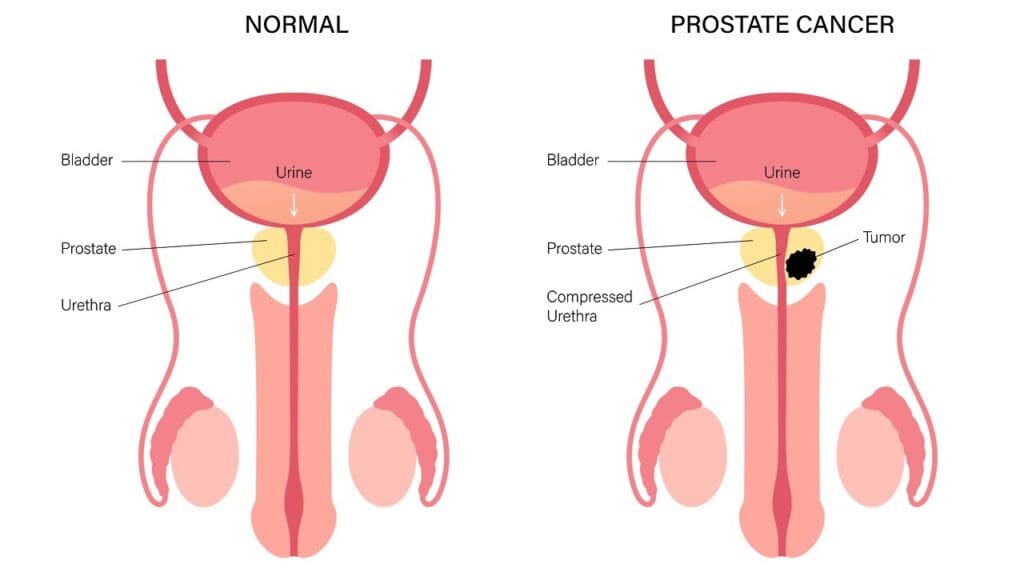
Men facing prostate surgery or cancer often worry about living without a prostate gland. At Liv Hospital, we get it and are here to help. We’ll look at what happens when the prostate is removed, often due to cancer or severe BPH.
Removing the prostate gland, or prostatectomy, is a big decision. It can change your health, but it’s good to know you can live without a prostate. In fact, life without a prostate is possible and can even be longer for some with early cancer treatment.
We’ll talk about how prostate removal affects your health. We’ll share what to expect and how to deal with any side effects.
Key Takeaways
- Prostate removal is often necessary due to cancer or severe BPH.
- Life expectancy is generally not shortened by prostatectomy.
- Early treatment for localized prostate cancer may extend life expectancy.
- Prostate removal can lead to changes in urinary, sexual, and reproductive health.
- Management strategies are available to mitigate possible side effects.
Understanding the Prostate Gland and Its Functions
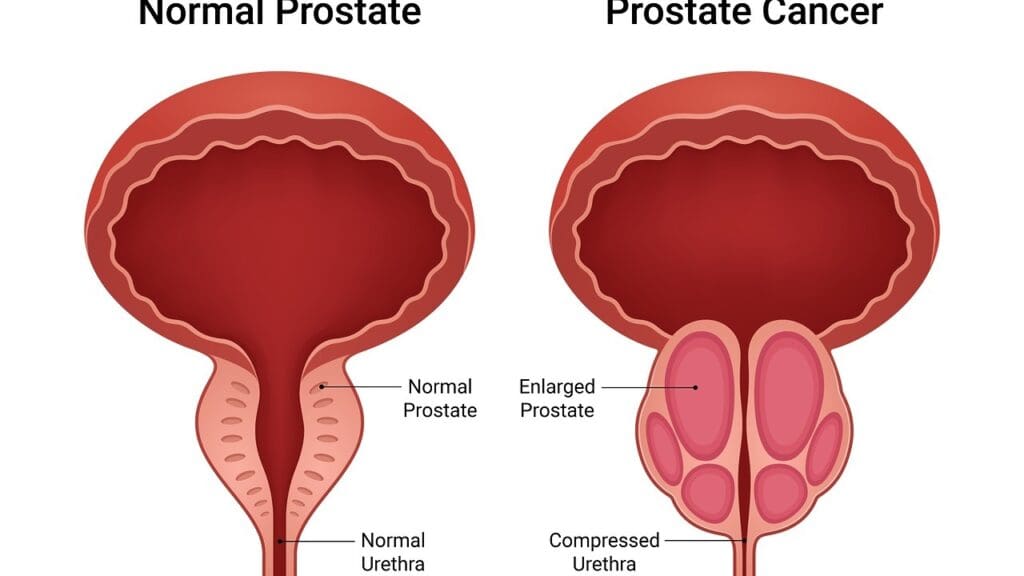
The prostate gland is key to the male reproductive system. It’s vital for sexual function and urinary health. Knowing how it works is important for men’s health.
Anatomical Location and Structure
The prostate gland sits below the bladder and in front of the rectum. It surrounds the urethra. It’s about the size of a walnut and can vary in size. It has glandular tissue and smooth muscle for producing seminal fluid and ejaculation.
Primary Functions in Male Reproductive Health
The prostate gland makes seminal fluid. This fluid nourishes and protects sperm. It’s full of enzymes, zinc, and other nutrients for sperm health and fertility. The prostate’s muscles also help push seminal fluid through the urethra during ejaculation.
The Prostate’s Role in Urinary Function
The prostate gland also affects urinary control. It surrounds the urethra, the tube for urine flow. A healthy prostate helps control urine flow. Any issues can affect how well you urinate.
| Prostate Function | Description | Impact on Health |
|---|---|---|
| Seminal Fluid Production | Produces fluid that nourishes and protects sperm | Essential for male fertility |
| Ejaculation Assistance | Muscular component helps propel seminal fluid | Supports effective sperm delivery |
| Urinary Regulation | Surrounds the urethra, influencing urine flow | Impacts urinary control and function |
Understanding the prostate gland’s functions is key. It’s important for reproductive and urinary health. Knowing this helps us understand its role in men’s health.
Common Reasons for Prostate Removal
Men often face the need to remove their prostate due to cancer or severe BPH. This decision comes after trying other treatments. Knowing why a prostate is removed helps men understand the surgery’s effects and benefits.
Prostate Cancer and Treatment Options
Prostate cancer is a top reason for removing the prostate. Treatment choices depend on the cancer’s stage and how aggressive it is. Studies show surgery might not always be needed for early-stage cancer. Yet, it’s a good option for many.
The main treatments for prostate cancer are:
- Radical prostatectomy: Removing the prostate gland.
- Radiation therapy: Using radiation to kill cancer cells.
- Active surveillance: Watching the cancer without immediate treatment.
For many, removing the prostate is key in treating prostate cancer. This is true when the cancer is localized and can be cured.
Severe Benign Prostatic Hyperplasia (BPH)
Severe BPH, or an enlarged prostate, is another reason for surgery. When BPH symptoms are bad and don’t get better with medicine, surgery is needed. It helps with urinary problems and improves life quality.
| Symptom | Description | Impact on Quality of Life |
|---|---|---|
| Urinary Frequency | Need to urinate often, with small amounts | Disrupts daily activities and sleep |
| Urinary Urgency | Sudden, intense need to urinate | Can lead to incontinence if not managed promptly |
| Weak Urine Flow | Reduced flow rate, making urination difficult | Can cause straining and discomfort |
Removing the prostate can greatly improve these symptoms. It helps restore normal urination.
Other Medical Conditions Requiring Prostatectomy
While cancer and BPH are common reasons, other conditions also require surgery. These include:
- Prostatitis: Chronic inflammation of the prostate gland.
- Prostate stones: Hardened deposits within the prostate.
Men can live without their prostate, but it’s important to know about changes in urination and sex life after surgery.
Understanding prostate removal and its outcomes helps men make informed health decisions. Talking with healthcare providers about treatment options is key to choosing the best path for their condition.
Types of Prostate Removal Procedures
Modern medicine offers several ways to remove the prostate, each with its own benefits. The choice depends on the patient’s health, the cancer stage, and the surgeon’s skill.
Radical Prostatectomy
Radical prostatectomy removes the whole prostate gland and some surrounding tissue. It’s often chosen for men with localized prostate cancer. The goal is to remove all cancerous cells to stop the disease from spreading.
Robotic-Assisted Laparoscopic Prostatectomy
Robotic-assisted laparoscopic prostatectomy is a minimally invasive surgery. It uses a robotic system for better precision and flexibility. This method leads to less blood loss and faster recovery times than traditional surgery.
Partial Prostate Removal Options
Partial removal of the prostate is considered for men with BPH or early-stage cancer. Techniques like transurethral resection of the prostate (TURP) or laser ablation are used.
Nerve-Sparing Techniques and Their Benefits
Nerve-sparing techniques are key for men worried about losing sexual function and urinary control. By preserving the nerves around the prostate, surgeons can greatly improve outcomes. This enhances the patient’s quality of life.
Knowing about the different prostate removal procedures helps men make better treatment choices. It’s vital to talk to a healthcare provider to find the best option for each individual.
Can a Man Live Without a Prostate? The Medical Reality
Men often wonder if they can live normally without a prostate after surgery. The answer is yes. With the right care, they can lead active and fulfilling lives.
Immediate Post-Surgery Recovery
The first few weeks after surgery are key. Men might feel pain, be tired, and have trouble with urination. But these issues usually get better as they heal.
Important things to do during this time include:
- Managing pain with medicine
- Following doctor’s advice for care
- Doing gentle exercises to help healing
Life Expectancy After Prostate Removal
Men worry about how prostate removal affects their life span. Research shows that for most, life expectancy after prostate removal is not greatly changed. This is true, mainly if the surgery is for cancer.
Several factors affect life expectancy:
- The cancer’s stage and grade
- Overall health and other health issues
- How well the surgery and any extra treatments work
Day-to-Day Life Without a Prostate Gland
Living without a prostate means making some lifestyle changes. Even without a prostate, men can keep their urinary and sexual functions mostly intact.
Men will need to make some adjustments, such as:
- Learning to manage urinary incontinence with Kegel exercises
- Exploring treatments for erectile dysfunction
- Getting used to changes in ejaculation and orgasm
With time, support, and the right medical care, men can adapt to these changes. They can enjoy a good quality of life.
Urinary Function Changes After Prostatectomy
Prostatectomy, or the removal of the prostate, can change a man’s urinary health. This surgery is often needed for prostate cancer or severe BPH. It’s important for patients to know how it affects their urine.
Incontinence: Types, Severity, and Duration
Incontinence is a common change after prostatectomy. There are stress and urge incontinence types. The severity and how long it lasts can vary.
Factors influencing incontinence include:
- The surgical technique used
- The patient’s age and overall health
- The presence of any pre-existing urinary conditions
Urinary Control Rehabilitation
There are ways to improve urinary control after prostatectomy. Pelvic floor exercises, or Kegel exercises, are very helpful. They strengthen the muscles that help control urine.
Rehabilitation programs may also include:
- Biofeedback therapy to help patients become aware of their pelvic floor muscles
- Electrical stimulation to enhance muscle strength
- Lifestyle modifications, such as dietary changes and fluid management
Long-term Urinary Health Management
Managing urinary health long-term after prostatectomy requires ongoing care. Patients should eat well and exercise regularly. This helps support their urinary health.
Key aspects of long-term management include:
- Regular follow-up appointments with healthcare providers
- Continuing pelvic floor exercises
- Being aware of any changes in urinary function and reporting them to healthcare providers
By understanding urinary function changes after prostatectomy, men can improve their life after surgery. Engaging in rehabilitation and management strategies helps a lot.
Sexual Health After Prostate Removal
Sexual health is very important for men after prostate removal surgery. The prostate gland is key to male reproductive health. Its removal can change how men have sex.
Erectile Dysfunction: Causes and Prevalence
Erectile dysfunction (ED) is common after prostate surgery. The chance of getting ED depends on the surgery type, age, and how well a man could get an erection before surgery. Using nerve-sparing techniques helps, but ED can happen.
Research shows ED rates after prostate surgery vary from 20% to 80%. The main reason is damage to nerves around the prostate during surgery.
Treatment Options for Sexual Dysfunction
There are many ways to help men with sexual problems after prostate surgery. These include:
- Phosphodiesterase type 5 inhibitors (PDE5 inhibitors)
- Vacuum erection devices
- Penile implants
- Counseling and sex therapy
Each option has its own benefits and risks. The right choice depends on a man’s health and what he prefers.
| Treatment Option | Success Rate | Potential Side Effects |
|---|---|---|
| PDE5 inhibitors | 50-70% | Headache, flushing, nasal congestion |
| Vacuum erection devices | 70-90% | Bruising, pain, numbness |
| Penile implants | 80-90% | Infection, mechanical failure |
Changes in Orgasm and Sexual Satisfaction
Prostate removal can also change how men orgasm and feel about sex. Some men might feel their orgasms are less intense or different.
Talking to a healthcare provider before surgery is key. This way, men can understand what to expect and find ways to keep enjoying sex.
Psychological Impact on Intimacy and Relationships
The emotional effects of prostate removal on relationships are big. Men might feel anxious, depressed, or not good enough because of their sex life.
Getting help from partners, doctors, or support groups is important. It helps deal with these feelings and keeps relationships strong.
We know how important sexual health is. We’re here to support men through prostate removal surgery and help them stay healthy and happy.
Fertility and Reproductive Changes
Removing the prostate gland can change a man’s fertility. It’s important for men to know about these changes, whether they’re thinking about or have had prostate surgery.
Infertility After Radical Prostatectomy
Radical prostatectomy means removing the prostate, seminal vesicles, and sometimes more. This surgery stops sperm from being ejaculated normally. It makes a man infertile.
Infertility after prostatectomy is permanent. But, it doesn’t mean a man can’t be a biological parent.
Sperm Banking and Fertility Preservation Options
Sperm banking is a way to save sperm before prostate surgery. This saved sperm can be used later for IVF or ICSI. It helps men who want to have children in the future.
“Sperm banking offers hope for men who wish to have children in the future. It’s a simple and effective way to preserve fertility before undergoing treatments that may render them infertile.”
Talking to a fertility specialist about sperm banking before surgery is a good idea. They can explain the process and its effects.
Alternative Family Planning Approaches
Men who can’t bank sperm or don’t want to use IVF have other options. They can adopt or use a sperm donor.
| Family Planning Option | Description |
|---|---|
| Adoption | Adopting a child can be a fulfilling way to build a family. It involves legally taking on the parenting role for a child not biologically related. |
| Sperm Donation | Using sperm from a donor, couples can conceive through intrauterine insemination (IUI) or IVF, giving a biological link to one parent. |
Each option has its own considerations. Men and their partners should explore them to make an informed choice.
Lifestyle Adjustments and Ongoing Care
After prostate removal, recovery is just the start. Men must adopt new habits for long-term health. They need to make lifestyle changes to manage their condition well and improve their life quality.
Dietary Considerations After Prostate Removal
Eating well is key to recovery and health after prostate surgery. Focus on foods rich in nutrients like fruits, veggies, whole grains, and lean proteins. Avoid processed foods, sugars, and fats.
More fiber helps with bowel habits and lowers complication risks. Drinking lots of water is also important for urinary health.
Exercise and Physical Activity Guidelines
Exercise is vital for health after prostate surgery. Start with easy activities like walking or Kegels to strengthen muscles. As you get better, add more activities like cycling or swimming.
Always talk to a doctor before starting new exercises.
Regular Medical Monitoring Requirements
Regular check-ups are key for men after prostate surgery. These visits help catch any problems early. For more info, visit Atlantic Urology Clinics.
These visits include PSA tests, physical checks, and talks about symptoms or worries.
Support Groups and Community Resources
Life without a prostate can be tough, physically and emotionally. Support groups and resources offer help and advice. They let men share experiences and learn from others.
Connecting with others who understand can be very empowering. It makes men feel less alone in their journey.
Conclusion: Living a Fulfilling Life Without a Prostate
Men who have their prostate removed often wonder about their life after surgery. Living without a prostate can be tough, but it’s possible to live well with the right care. We know it’s not easy, but with support, you can have a fulfilling life.
Adjusting to life after prostate removal takes time, mainly for urinary and sexual health. But many men adapt well and keep a good quality of life. It’s key to get ongoing care, make lifestyle changes, and have support from doctors.
Can you live without a prostate? Yes, you can. Even though the prostate is important for health, losing it doesn’t mean your life is over. Men who have had their prostate removed can stay active and keep strong relationships.
We at our institution are dedicated to top-notch healthcare for international patients. We aim to give our patients the knowledge and support they need after prostate removal. This way, they can have the best life possible.
Can a man live without his prostate?
Yes, men can live without a prostate gland. The prostate is important for male health. But, it’s sometimes removed due to cancer or BPH.
What happens if you don’t have a prostate?
Men without a prostate might see changes in how they urinate and have sex. But, with the right care, they can live well.
Is the prostate necessary for urinary function?
The prostate helps control the urethra. Yet, men can keep their urinary function after removal. They just need the right care and management.
Can you survive without your prostate gland?
Yes, many men do well without their prostate. They might face some changes in urination and sex. But, these can be managed with treatment and lifestyle changes.
How does prostate removal affect sexual health?
Removing the prostate can affect sex, possibly causing erectile dysfunction or changes in orgasm. But, there are treatments to help.
Can men be fertile after prostate removal?
Radical prostatectomy usually makes men infertile. But, they can bank sperm or explore other family planning options before surgery.
What lifestyle adjustments are needed after prostate removal?
Men might need to change their diet and exercise. They should also see doctors regularly to stay healthy.
Can you live without a prostate gland and have a good quality of life?
Yes, with the right care, men can live well without a prostate. It’s key to address any health concerns that come up.
What are the benefits of nerve-sparing techniques during prostate removal?
Nerve-sparing techniques can help keep urinary and sexual function. This might lower the risk of incontinence and erectile dysfunction after surgery.
How long does it take to recover from prostate removal surgery?
Recovery times differ, but most men can get back to normal in weeks to months. Right after surgery, doctors closely watch their recovery.
Reference:
https://www.medicalnewstoday.com/articles/can-you-live-without-a-prostate
https://helios-russia.ru/en/article/gaining-and-sustaining-health-life-without-prostate-gland
https://koelis.com/us/blogs-details/life-expectancy-after-prostate-removal