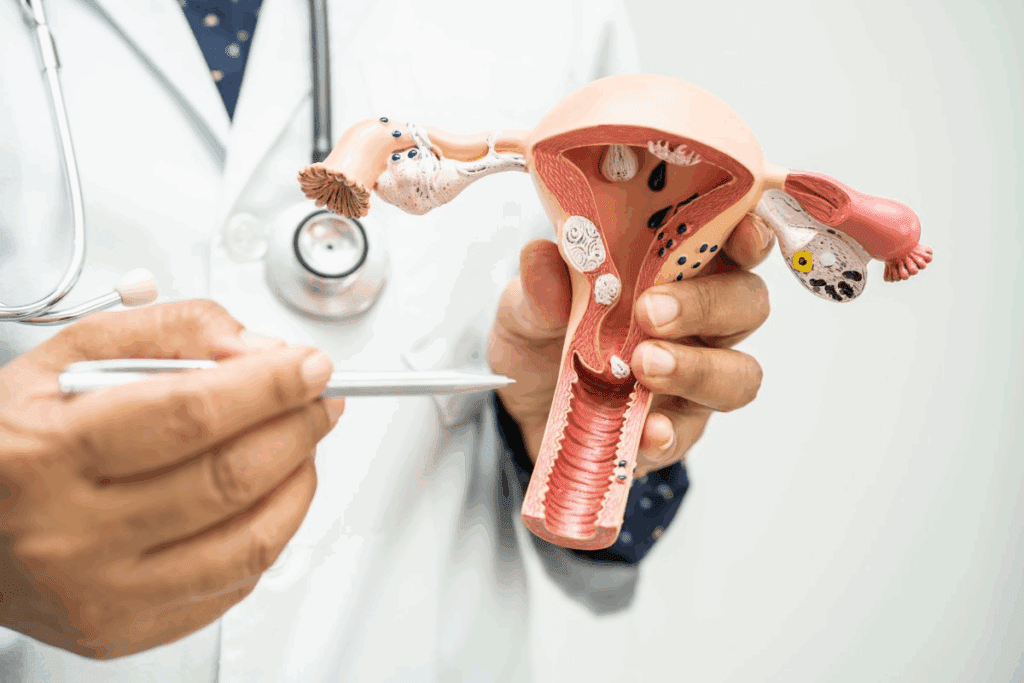
Effective treatments and recovery steps for what helps heal bladder polyps removal surgery.
Having bladder polyp removal surgery is a big step in taking care of your bladder health. This surgery, often done via transurethral resection (TURBT), helps find and treat bladder cancer. At Liv Hospital, we know how key it is to recover well and get the right care after surgery.
The time it takes to get better after bladder polyp removal surgery is usually 2 to 4 weeks. You might feel a bit sore and should not do too much. We give detailed advice on treatments and recovery steps to make sure you get through this safely and well.
Key Takeaways
- Understand the recovery steps after bladder polyp removal surgery.
- Learn about the treatments available for bladder cancer.
- Discover the importance of follow-up care post-surgery.
- Explore the role of TURBT in diagnosing and treating bladder cancer.
- Find out how to manage discomfort during the recovery period.
Understanding Bladder Polyps and Their Removal
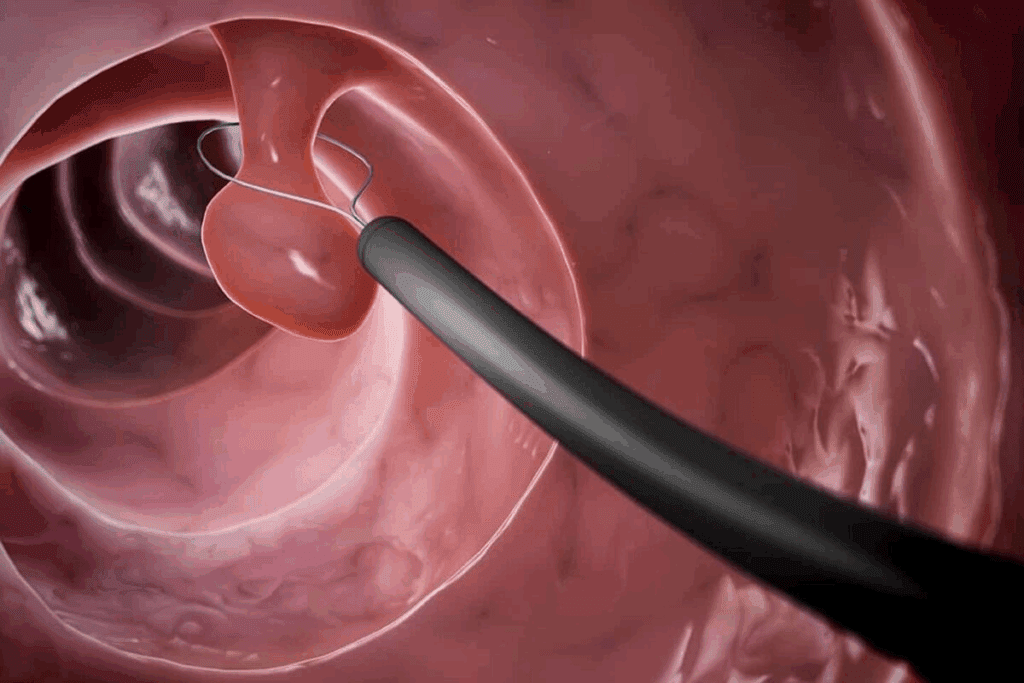
Bladder polyps are growths on the bladder wall. Knowing about them is key to treating them well. They can be harmless or cancerous, so finding and removing them is very important.
What Are Bladder Polyps and Their Significance
Bladder polyps are abnormal growths from the bladder lining. They can be harmless or cancerous. These growths can cause symptoms like blood in the urine or block urine flow. Some polyps might turn cancerous over time.
Diagnosis of bladder polyps often starts with imaging like ultrasound or CT scans. Then, a flexible tube with a camera is used to see the polyps directly. A biopsy might be done to check if the polyps are cancerous.
Malignancy Risk and Early Detection
The chance of bladder polyps becoming cancerous varies. But, it’s important to keep an eye on them because up to 50 percent might become cancerous. Finding cancer early is key to treating it well.
The TURBT (Transurethral Resection of Bladder Tumor) procedure is very helpful. It lets doctors see and remove tumors under anesthesia. This helps figure out the cancer’s stage and grade, which is important for treatment planning.
| Procedure | Purpose | Benefits |
| Cystoscopy | Visual examination of the bladder | Direct visualization of polyps |
| TURBT | Removal of bladder tumors | Diagnosis and treatment in one procedure |
| Biopsy | Examination of polyp tissue | Determination of malignancy |
It’s important to understand bladder polyps and their cancer risk. Regular checks and quick action can greatly improve patient outcomes.
Types of Bladder Cancer Operations

There are several surgical methods to treat bladder cancer. Each method has its own benefits and recovery times. It’s important for patients to know about these options to make the best choices for their care.
Transurethral Resection (TURBT) Procedure
Transurethral Resection of Bladder Tumor (TURBT) is a common treatment for bladder cancer. It removes the tumor from the bladder wall using a special tool inserted through the urethra. TURBT is often used for early-stage bladder cancer and can be both diagnostic and therapeutic.
This procedure is done under general or spinal anesthesia. The surgeon uses a resectoscope to see the tumor and remove it along with some healthy tissue. The goal is to remove the tumor completely while preserving as much of the bladder as possible.
Partial and Radical Cystectomy Options
For more advanced bladder cancer, or when TURBT is not enough, partial or radical cystectomy may be needed. Partial cystectomy involves removing the portion of the bladder containing the tumor, while radical cystectomy removes the entire bladder, surrounding lymph nodes, and possibly other nearby organs.
Radical cystectomy is a major surgery that requires a long recovery time, often up to 8-12 weeks. It’s considered for patients with muscle-invasive bladder cancer or those who have not responded to other treatments. The choice between partial and radical cystectomy depends on the extent of the cancer and the patient’s overall health.
Minimally Invasive Surgical Approaches
Minimally invasive surgical techniques, such as robotic-assisted surgery, are increasingly used for bladder cancer treatment. These methods offer benefits like smaller incisions, less blood loss, and shorter hospital stays. Robotic radical cystectomy is one such technique that has shown promising results in terms of recovery and complication rates.
Comparing TURBT with more invasive surgeries like radical cystectomy highlights the diversity of treatment options available. The table below summarizes key differences between these procedures.
| Procedure | Invasiveness | Recovery Time | Indications |
| TURBT | Less invasive | Shorter | Early-stage bladder cancer |
| Partial Cystectomy | Moderately invasive | Moderate | Localized tumors |
| Radical Cystectomy | Highly invasive | Longer (up to 8-12 weeks) | Muscle-invasive bladder cancer |
Understanding the types of bladder cancer operations and their implications is key for patients to navigate their treatment journey effectively. Each surgical approach has its benefits and challenges, and the choice of procedure depends on various factors, including the stage of cancer and the patient’s health status.
Immediate Post-Surgical Recovery Steps
Right after surgery, the recovery phase is key for bladder cancer treatment. It needs careful watching and care for the patient. After surgery, patients stay in a recovery room. Here, they manage pain and deal with any quick problems.
First 48 Hours After Surgery
The first 48 hours are very important for recovery. Patients should rest and avoid hard activities. These can hurt the bladder or mess up healing.
It’s important for patients and their helpers to watch for signs of trouble. Look out for severe pain, heavy bleeding, or trouble peeing. Tell the doctor right away if you see any of these.
Key Activities to Avoid in the First 48 Hours:
- Lifting heavy objects
- Engaging in strenuous exercise
- Taking long baths (showering is recommended instead)
Hospital Care Protocol
Hospital care after bladder cancer surgery is all about keeping patients safe and helping them heal well. Managing pain is a big deal. Doctors give medicines to help with pain.
“Effective pain management is key in the post-op period. It lets patients heal better and get back to normal faster.” – Medical Expert, Urologist
A typical hospital care protocol includes:
| Care Aspect | Description |
| Pain Management | Use of prescribed medicines to control pain |
| Monitoring | Regular checks on vital signs and surgical site |
| Catheter Care | Managing urinary catheter to prevent infection |
Managing Catheter Discomfort
Dealing with catheter discomfort is a big part of care after surgery. Patients might feel some discomfort or irritation where the catheter is. This can be handled with the right care and keeping the area clean.
Follow what your doctor says about taking care of the catheter. Clean the area and watch for signs of infection like redness, swelling, or unusual discharge.
By sticking to these tips and talking openly with doctors, patients can get through the early recovery period better and more comfortably.
What Helps Heal Bladder Polyps Removal Surgery
The recovery from bladder polyp removal surgery needs three key things: medicine, good food, and plenty of water. Knowing and using these can really help you heal faster.
Prescribed Medications and Their Functions
After surgery, doctors give you medicine to help you get better. This might include:
- Antibiotics to stop or treat infections in your urinary tract.
- Pain management medications to help with pain and discomfort.
- Medications to reduce bladder spasms, making catheter use less uncomfortable.
It’s very important to take your medicine exactly as your doctor tells you. This helps you heal the best way possible.
Optimal Nutrition for Tissue Repair
Eating the right foods is very important for healing. Foods that help include:
- Protein for fixing and growing new tissue.
- Vitamins C and E for keeping your body healthy.
- Zinc, a mineral that helps wounds heal.
Talking to a nutritionist can help you make a meal plan that’s good for your recovery.
Hydration Strategies for Bladder Health
Drinking enough water is key for your bladder’s health. Here’s how to stay hydrated:
- Drink lots of water all day long.
- Stay away from things like caffeine and alcohol that can make your bladder hurt more.
- Watch your urine to make sure it’s pale yellow or clear. This means you’re drinking enough water.
Using medicine, eating right, and drinking plenty of water can really help you get better after bladder polyp removal surgery.
Week-by-Week Recovery Timeline
Recovering from bladder polyp removal surgery takes time and varies for everyone. It has different stages with their own challenges. Knowing this timeline helps patients get ready for their recovery journey.
First Week Milestones and Challenges
The first week after surgery is key for a smooth recovery. Patients often feel pain, tiredness, and urinary problems because of the catheter. Effective pain management and following doctor’s orders are very important.
Some common first week challenges include:
- Managing catheter discomfort
- Dealing with possible bleeding or spotting
- Adjusting to medication regimens
As one patient said,
“The first week was tough, but following the doctor’s instructions and having a good support system made a huge difference.”
Weeks 2-4: Progressive Healing
By weeks 2-4, patients start to feel much better as they heal. The catheter is usually taken out, and bladder function starts to get back to normal. Progressive healing means more energy and less pain.
| Week | Typical Recovery Milestones | Common Challenges |
| 2 | Catheter removal, improved mobility | Potential urinary tract infections |
| 3 | Increased energy, reduced pain | Managing scar tissue formation |
| 4 | Return to light activities, improved bladder control | Possible temporary incontinence |
The table shows big improvements, but challenges like urinary tract infections or temporary incontinence can happen.
Extended Recovery for Radical Cystectomy (8-12 Weeks)
Patients who have radical cystectomy take longer to recover, usually 8 to 12 weeks. This surgery is more complex and requires a longer healing time.
During this longer period, patients can expect:
- Gradual improvement in physical strength and endurance
- Adjustment to new urinary diversion or reconstruction
- Ongoing follow-up care to monitor for complications
Radical cystectomy recovery needs patience and following post-operative instructions closely for the best healing and to avoid complications.
Most patients start to feel better in six weeks, but full recovery can take months. Recovery times vary, with radical cystectomy needing up to 8-12 weeks for full recovery.
Physical Activity Guidelines During Healing
After bladder polyp removal surgery, finding the right balance of physical activity is key. It’s important to mix rest with gentle exercise for your well-being. This balance helps you heal smoothly.
Activity Restrictions and Their Rationale
During recovery, some activities are off-limits to avoid problems and help healing. Avoid strenuous activities like heavy lifting, bending, or hard exercise. These are banned to lower the chance of bleeding, infection, or injury to the surgery area.
- Avoid heavy lifting (more than 10 pounds) for at least 4-6 weeks.
- Refrain from strenuous exercise or activities that may cause straining.
- Limit bending or stooping to avoid putting pressure on the bladder.
Safe Movement Practices
While rest is important, some light activities are good for circulation and to prevent stiffness. Walking is great for blood flow without too much strain. Start with short walks and increase the distance as you get more comfortable.
- Begin with short walks around your home or hospital room.
- Gradually increase your walking distance over time.
- Avoid walking too quickly or uphill, at least in the early stages.
Gradual Return to Normal Activities
As you get better, you can slowly go back to your usual activities. But, listen to your body and don’t rush. Resume activities gradually, starting with easy ones and then getting harder.
By sticking to these activity guidelines, you can have a safe and effective recovery from bladder polyp removal surgery. Always check with your healthcare provider before starting any hard activities or exercise.
Treatment for Bladder Cancer in Women
Women with bladder cancer have several treatment options. These options are chosen based on each woman’s needs and concerns. While the main treatments for bladder cancer are the same for both men and women, women may have special needs.
Surgical Considerations for Female Patients
Surgery is a key treatment for bladder cancer in women. The female pelvis’s anatomy can make surgery more complex. The bladder’s close location to reproductive organs is a big factor.
We use the latest surgical methods to protect surrounding tissues and organs. Sometimes, partial cystectomy or radical cystectomy is needed, based on the cancer’s stage and spread.
Fertility Preservation Options
Women who can have children face a big concern: preserving fertility. Treatments like surgery and chemotherapy can harm fertility. We talk to our patients about options like egg freezing or embryo cryopreservation to help them keep their fertility options open.
Hormone-Related Considerations
Hormones play a role in bladder cancer risk and growth. Hormonal differences between men and women might affect bladder cancer differently. Knowing this helps us tailor treatments to meet each woman’s needs.
| Treatment Aspect | Considerations for Women |
| Surgery | Anatomical considerations, impact on reproductive organs |
| Fertility Preservation | Options like egg freezing, embryo cryopreservation |
| Hormone-Related Factors | Influence of hormonal differences on cancer risk and progression |
We focus on these unique aspects to give women with bladder cancer the best care. This care is tailored to their specific needs.
Treatment for Bladder Cancer in Men
Men with bladder cancer need a detailed treatment plan. This includes surgery and ways to keep sexual function intact. It also looks at how to handle prostate issues. Knowing these challenges is key to understanding treatment options.
Surgical Approaches Tailored to Male Anatomy
Surgery for bladder cancer in men is carefully planned. The main surgery is the Transurethral Resection of Bladder Tumor (TURBT). It’s used for both checking and treating the cancer.
For more serious cases, a radical cystectomy might be needed. This means removing the bladder and sometimes other organs too. The surgery aims to avoid harming nearby areas.
Preserving Sexual Function
Keeping sexual function is a big part of treating bladder cancer in men. Nerve-sparing surgery during radical cystectomy helps. We also use new surgical tools to lower the chance of sexual problems.
Addressing Prostate-Related Considerations
The prostate is close to the bladder, so it’s important in treatment. Surgeons must check if the prostate is involved. They plan the surgery to avoid risks.
To get a clearer picture of bladder cancer treatment in men, let’s look at different surgeries and their effects.
| Surgical Approach | Description | Implications for Sexual Function |
| TURBT | Transurethral resection of bladder tumor, used for diagnosis and treatment. | Generally minimal impact. |
| Radical Cystectomy | Removal of the bladder and potentially surrounding organs. | Potential for significant impact; nerve-sparing techniques can help. |
| Partial Cystectomy | Removal of the portion of the bladder containing the tumor. | Variable impact depending on the extent of the surgery. |
In conclusion, treating bladder cancer in men needs a custom plan. This plan includes surgery, keeping sexual function, and prostate care. Understanding these points helps men deal with their treatment better.
How Curable Is Bladder Cancer
How curable bladder cancer is depends on several things, like the stage it’s diagnosed at. Knowing what affects curability helps both patients and doctors make better treatment choices.
Survival Rates by Cancer Stage
Survival rates for bladder cancer change a lot based on the stage it’s found in. Early-stage bladder cancer, like non-muscle-invasive, has a better outlook than muscle-invasive or advanced cancer.
The American Cancer Society gives these five-year survival rates for bladder cancer:
| Cancer Stage | Five-Year Survival Rate |
| Localized (confined to the bladder) | 96% |
| Regional (spread to surrounding tissues or lymph nodes) | 69% |
| Distant (metastasized to distant organs) | 15% |
Early detection greatly boosts survival chances. Medical Expert, a top oncologist, says,
“Early-stage bladder cancer is highly treatable, and with the right management, many patients can see significant improvement.”
Factors Affecting Curability
Several things affect how curable bladder cancer is, including:
- The stage and grade of the cancer
- The patient’s overall health and age
- The presence of genetic mutations or other biomarkers
- The success of the chosen treatment
Early detection and the right treatment are key to better curability. Patients with early-stage cancer usually have a better chance than those diagnosed later.
Success Rates of Different Treatment Approaches
Treatment for bladder cancer can include surgery, intravesical therapy, chemotherapy, radiation, or a mix of these. The success of treatment depends on the cancer’s stage and type, and the patient’s health.
For non-muscle-invasive bladder cancer, intravesical therapy is often used. Success rates vary based on the treatment and how well the patient responds. For muscle-invasive bladder cancer, radical cystectomy (surgical removal of the bladder) is common. Survival rates improve when it’s combined with chemotherapy or radiation.
Understanding bladder cancer’s curability and what affects it helps patients and doctors make better choices about treatment.
Advanced Treatment Options Beyond Surgery
There are new ways to treat bladder cancer beyond surgery. These options give hope and better results. Medical research keeps finding new ways to fight bladder cancer, helping those where surgery isn’t enough.
For bladder cancer patients, knowing all treatment options is key. Surgery is often the first choice, but other treatments like immunotherapy, chemotherapy, and radiation are also important. They help in treating bladder cancer fully.
Intravesical Immunotherapy
Intravesical immunotherapy puts medicine directly into the bladder. It helps the body fight cancer cells in the bladder. BCG (Bacillus Calmette-Guérin) is a common medicine used for this. It helps stop cancer from coming back.
“Immunotherapy has changed how we treat bladder cancer,” says Medical Expert. Huang. “It’s more targeted and has fewer side effects than old treatments.”
Systemic Chemotherapy Protocols
Systemic chemotherapy kills cancer cells all over the body. It can be used before, after, or instead of surgery. The right treatment depends on the cancer’s stage and the patient’s health.
- Doctors pick chemotherapy drugs based on their effectiveness against bladder cancer.
- Treatment cycles are planned to be effective but also to avoid too many side effects.
- It’s important to check how the treatment is working and make changes if needed.
Radiation Therapy Applications
Radiation therapy kills cancer cells with high-energy rays. It can be used alone or with other treatments. It’s good for patients who can’t have surgery or as part of a treatment plan that saves the bladder. New ways of doing radiation therapy make it safer and more effective.
The American Cancer Society says, “Radiation therapy is a good treatment for bladder cancer, often used with other treatments.” This shows how important it is to plan treatment carefully for each patient.
Long-Term Monitoring and Recurrence Prevention
Recovery from bladder polyp removal surgery is just the start. Long-term monitoring is key to catch any signs of recurrence early. Regular check-ups help manage treatment effects and watch for recurrence.
Follow-Up Schedule and Testing
Patients need to stick to a follow-up plan. This includes:
- Regular cystoscopies to visually examine the inside of the bladder
- Imaging tests such as CT scans or MRIs to monitor for any abnormalities
- Urine tests to check for cancer cells or other signs of recurrence
Following this schedule is critical for catching recurrence early and managing it well.
Lifestyle Modifications to Reduce Recurrence Risk
Changing your lifestyle can lower recurrence risk. These changes include:
- Quitting smoking: Smoking is a big risk factor for bladder cancer coming back.
- Dietary changes: Eating more fruits, veggies, and whole grains is good for health.
- Staying hydrated: Drinking lots of water helps keep the bladder healthy.
By making these lifestyle changes, patients can play a big role in lowering their risk of recurrence.
Warning Signs That Require Immediate Attention
It’s important for patients to know the warning signs of recurrence or complications. These include:
- Blood in the urine
- Painful urination
- Frequent urination
- Abdominal pain
If you notice any of these symptoms, get medical help right away. Early detection is vital for effective treatment.
Conclusion: Navigating Your Recovery Journey
Recovering from bladder polyp removal surgery needs a full plan. This includes getting the right medical care, making lifestyle changes, and getting emotional support. Knowing about treatments and recovery steps is key for a good recovery.
Patients who have bladder cancer surgery need to be well-informed. We’ve talked about different treatments, like surgery and other advanced options. By following the right recovery steps and making lifestyle changes, patients can lower the chance of cancer coming back and feel better overall.
Remember, recovering from bladder polyp removal surgery takes time, effort, and the right support. Working with healthcare professionals and sticking to the treatment plan helps patients beat bladder cancer and recover well.
As you go through your recovery, stay informed, ask questions, and get help when you need it. With the right care and support, you can beat bladder cancer and get your health back.
FAQ
What is the typical recovery time after bladder polyp removal surgery?
Recovery time varies based on the surgery type and the person. Most people take a few weeks to a few months to recover. It’s important to follow a detailed recovery plan, including rest, good nutrition, and follow-up care.
How is bladder cancer treated, and what are the available surgical options?
Treatment for bladder cancer depends on the cancer’s stage and type. Surgical options include TURBT, partial cystectomy, and radical cystectomy. Minimally invasive methods might also be used. We help choose the best treatment by discussing the pros and cons of each.
What are the signs of complications after bladder polyp removal surgery?
Look out for severe pain, heavy bleeding, or trouble urinating. Fever, chills, or infection signs need quick medical help. We guide on managing symptoms and spotting complications.
Can bladder cancer be cured, and what are the survival rates?
Bladder cancer’s curability depends on its stage and type. Early stages have a better cure rate. Advanced stages might need more aggressive treatment. We explain the latest survival rates and treatments to help understand the prognosis.
What lifestyle modifications can help reduce the risk of bladder cancer recurrence?
Quitting smoking, eating healthy, and staying hydrated can lower recurrence risk. Regular check-ups and monitoring are also key to catching issues early.
How do I manage catheter discomfort after bladder surgery?
Use pain meds as directed, keep the area clean, and follow our catheter care advice. We offer tips to ease discomfort and aid healing.
What are the treatment options for bladder cancer in women, and how do they differ from those for men?
Women with bladder cancer might have surgery options like partial or radical cystectomy. Fertility preservation is also a consideration. We discuss the unique needs of female patients and guide them through treatment.
Are there any advanced treatment options available for bladder cancer beyond surgery?
Yes, options like intravesical immunotherapy, chemotherapy, and radiation therapy are available. We explore these options and their benefits and risks.
How can I support my recovery after bladder polyp removal surgery?
Follow our recovery plan, which includes rest, good nutrition, and staying hydrated. Regular check-ups and monitoring are also important for a smooth recovery.
What are the activity restrictions after bladder surgery, and how can I gradually return to normal activities?
Avoid heavy lifting, bending, or strenuous exercise after surgery. We provide safe movement tips and a gradual return plan to aid healing and prevent complications.
References
National Center for Biotechnology Information. (2025). How to Help Heal After Bladder Polyp Removal. Retrieved from https://pubmed.ncbi.nlm.nih.gov/34292056/