
Going through hip replacement surgery can change your life, but it’s full of unknowns. Nearly 1 million hip replacement surgeries are performed annually in the United States alone. Yet, many patients feel they’re not ready for what’s coming. What i wish i knew before hip replacement surgery is now revealed. Get essential insights for an amazing and safe surgical experience today.
Understanding hip replacement surgery is key. We need to know what to expect. By sharing experiences, we can help others prepare for the journey ahead.
We aim to give you a detailed guide. This will help you make smart choices about your care.
Key Takeaways
- Understand the importance of pre-surgery preparation
- Learn about the latest hip replacement surgery techniques
- Discover tips for managing post-surgery pain and recovery
- Explore the benefits of physical therapy in the recovery process
- Gain insights into the emotional aspects of hip replacement surgery
Understanding Hip Replacement Surgery: The Basics
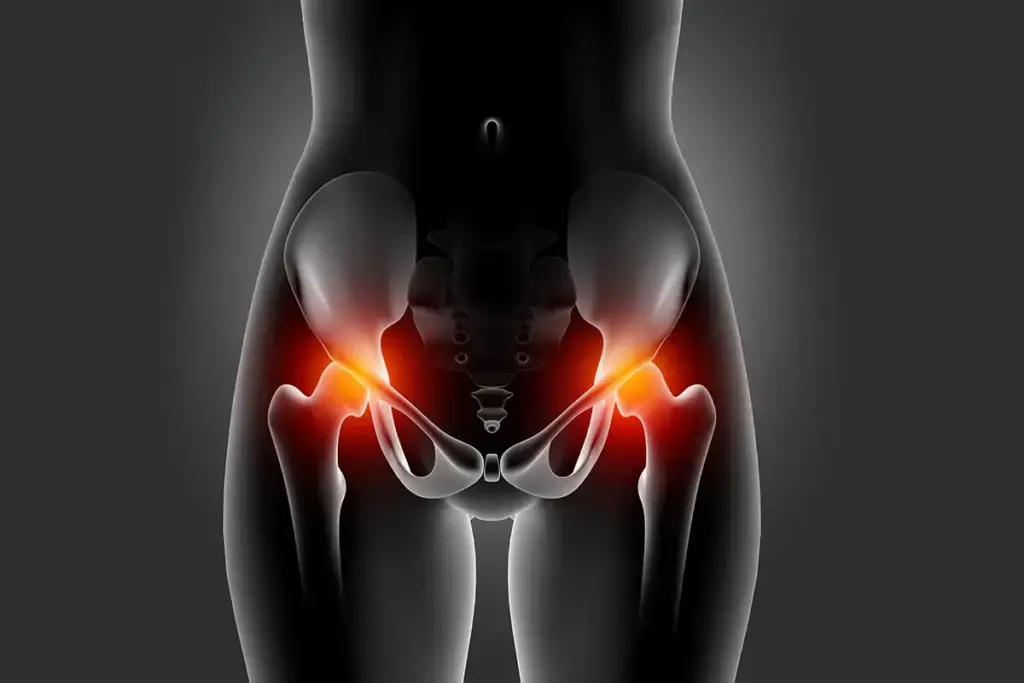
Learning about hip replacement surgery is key for those thinking about it. It can greatly change their life. Hip replacement surgery involves replacing a damaged or arthritic hip joint with an artificial joint. It’s often chosen when other treatments don’t work to ease pain and improve movement.
Types of Hip Replacement Procedures
There are many types of hip replacement surgeries, each with its own benefits. The most common ones are:
- Total Hip Replacement: This is the most common, where both the ball and socket are replaced.
- Partial Hip Replacement: Known as hemiarthroplasty, it replaces only the ball, for certain hip fractures.
- Minimally Invasive Hip Replacement: This uses smaller incisions, leading to less damage and quicker healing.
- Revision Hip Replacement: A complex procedure to replace a worn-out artificial hip, often due to wear and tear.
When Surgery Becomes Necessary
Hip replacement is needed when the joint is severely damaged. This can be due to osteoarthritis, rheumatoid arthritis, or hip fractures. Surgery is considered after other treatments like medications and physical therapy have failed. It’s a personal choice that should be made with an orthopedic surgeon, considering symptoms, health, and personal wishes.
Setting Realistic Expectations
It’s important to have realistic expectations for a good outcome. Patients should know that surgery can greatly improve life but comes with risks. Understanding the benefits and limitations helps manage expectations. Following post-operative instructions is also key for proper healing and to avoid complications.
By knowing the basics of hip replacement surgery, patients can make better decisions. This knowledge helps them actively participate in their recovery, leading to better results.
The Decision-Making Process: Choosing the Right Time<image3>
Deciding on hip replacement surgery is a big choice. It depends on your health, the damage to your hip, and how it impacts your daily life. We’ll help you understand what to think about before making this decision.
Signs That You’re Ready for Surgery
There are signs that might mean it’s time for surgery. These include:
- Chronic Pain: Feeling constant pain that stops you from doing everyday things and sleeping well.
- Limited Mobility: Finding it hard to move your hip or do simple tasks.
- Failed Conservative Treatments: Trying other treatments like physical therapy, medicine, or injections but they don’t help.
Weighing Risks and Benefits
It’s important to think about the good and bad sides of surgery. Benefits like less pain, better movement, and a better life are possible. But, risks like infection, blood clots, or the implant not working right are also there. Talk about these with your doctor.
Some important questions to ask are:
- What are the chances of the surgery being successful?
- How will the surgery help my condition?
- What are the possible problems, and how can we avoid them?
Second Opinions Matter
Getting a second opinion is a key part of deciding. It can give you more information about your situation and the treatment plan. A second view might:
- Confirm what your first doctor said.
- Suggest other ways to treat your problem.
- Make you feel more sure or bring up things to talk about with your first doctor.
By thinking about these points and getting the right advice, you can make a well-informed choice about surgery.
Selecting the Right Surgeon and Hospital
Choosing the right surgeon and hospital is key for a good hip replacement surgery outcome. This choice affects your recovery and the surgery’s success. It’s important to consider several factors.
Qualifications to Look For
When looking for a surgeon, check their qualifications and experience. Board certification in orthopedic surgery is a must. It shows they’ve had the right training and meet high standards. Also, look at their experience with your specific surgery type.
- Check for any specialized training or certifications in orthopedic surgery.
- Review their surgical volume and success rates.
- Ask about their experience with patients with conditions similar to yours.
Questions to Ask Your Surgeon
Preparing questions for surgeons helps you make a good choice. Important questions include:
- What is your experience with hip replacement surgeries?
- What are the risks and complications associated with this procedure?
- What kind of pain management options will be available to me?
- What is the typical recovery time, and what kind of support can I expect during this period?
These questions give insights into the surgeon’s expertise and patient care approach.
Importance of Hospital Quality and Specialization
The quality and specialization of the hospital are as important as the surgeon’s qualifications. Hospitals that specialize in orthopedic surgeries have teams experienced in your case. They also have the latest technology and rehabilitation facilities.
When evaluating a hospital, consider:
- The hospital’s infection rates and complication rates for hip replacement surgeries.
- The availability of advanced surgical techniques and technology.
- The quality of post-operative care and rehabilitation services.
By carefully evaluating these factors, you can make an informed decision. This enhances your chances of a successful surgery and a smooth recovery.
Insurance and Financial Considerations
Dealing with the costs of hip replacement surgery can be tough but important. Knowing the financial side helps reduce stress and makes recovery easier.
Understanding Your Coverage
It’s key to know what your insurance covers before surgery. Most plans help with some costs, but how much varies. Check your policy or call your insurance to see what’s included.
Ask about:
- The percentage of surgery costs covered by your insurance
- Any deductibles or copays for surgery and follow-up care
- Pre-approval needs for the surgery
- Coverage for physical therapy and rehab
Out-of-Pocket Expenses to Anticipate
Even with insurance, you might face extra costs. These include deductibles, copays, and uncovered services. Also, plan for unexpected needs after surgery.
Some might choose extra services like a private room. Include these costs in your budget.
Negotiating Medical Bills and Payment Plans
If bills are more than your insurance, talk to your healthcare provider. They might offer payment plans or financial help. Discuss your situation with the billing team.
Also, check your bills for errors. If you find mistakes, fix them quickly to save money.
Knowing your insurance, extra costs, and billing options helps manage surgery expenses. This way, you can focus on getting better without worrying about money.
What I Wish I Knew Before Hip Replacement Surgery: Honest Insights
Many patients who had hip replacement surgery wish they knew more before. Their stories can help others who are thinking about or have scheduled the surgery.
The Emotional Journey
Choosing to have hip replacement surgery is not just about the body. It’s also an emotional choice. People feel many emotions, from fear and anxiety to hope and relief. It’s important to understand these feelings to prepare for the surgery and recovery.
Patients have shared their emotional experiences. Some were worried about the surgery and recovery time. Others were scared of the pain. But many also talked about their strength and determination, showing the power of a positive attitude.
|
Emotional Phase |
Common Feelings |
Coping Strategies |
|---|---|---|
|
Pre-Surgery |
Anxiety, Fear |
Mindfulness, Support Groups |
|
Post-Surgery |
Pain, Frustration |
Pain Management, Physical Therapy |
|
Recovery |
Hope, Relief |
Setting Milestones, Celebrating Progress |
Physical Realities vs. Common Misconceptions
There are many myths about hip replacement surgery. One big myth is that the recovery is too painful or the surgery is too invasive. But, thanks to new surgical methods and pain control, the experience has greatly improved.
Patients say there is some discomfort, but it’s manageable with the right pain control. The benefits of the surgery, like less pain and better mobility, are worth the temporary challenges.
Advice from Past Patients
Past patients have valuable advice for those thinking about hip replacement surgery. They say to be ready for the recovery. This means having support, following instructions, and being patient with your body.
They also suggest staying positive and celebrating your progress. It’s good to ask your surgeon lots of questions and get a second opinion if you need to.
- Prepare your home for recovery by removing tripping hazards and setting up a comfortable recovery area.
- Follow your surgeon’s instructions for post-operative care carefully.
- Stay positive and focus on your progress.
By understanding the emotional journey, knowing the physical facts, and listening to past patients, you can better prepare for hip replacement surgery.
Essential Items to Purchase Before Hip Surgery
Getting your home ready with key items before hip surgery is key for a smooth recovery. The right gear and supplies can make your post-op period easier.
Mobility Aids and Equipment
Mobility aids are a must for safely moving around your home after surgery. Here are some must-haves:
- Walker: A walker gives you stability and support, making it safer to move.
- Crutches: Crutches are another choice for getting around, but they need more arm strength.
- Non-Slip Mats: Putting non-slip mats in places like the bathroom can stop slips and falls.
Dressing and Grooming Tools
After surgery, simple tasks like getting dressed and grooming can be tough. Here are some tools to make these tasks easier:
- Long-Handled Reachers: These tools let you grab things without bending or straining.
- Elastic Shoelaces: Elastic shoelaces mean you don’t have to bend down to tie your shoes.
- Shower Chair: A shower chair is a safe spot to sit while bathing, lowering fall risks.
Comfort and Convenience Items
Comfort and convenience items can really improve your recovery. Here are some good choices:
- Comfortable Clothing: Wearing loose, comfy clothes can make a big difference.
- Pillows and Blankets: Having extra pillows and blankets can keep you cozy while resting.
- Ice Packs: Ice packs can help lessen swelling and pain after surgery.
Having these essential items ready can make your recovery space more comfortable and safe. This lets you focus on healing and getting back to your usual self.
Preparing Your Home for Post-Surgery Recovery
Making your home safe and comfy is key for a good recovery after hip surgery. It’s important to have a space that helps you heal well.
Creating a First-Floor Living Space
Setting up a first-floor area is a big help. It lets you rest, eat, and do daily tasks without stairs. Here’s what to do:
- Moving your bed downstairs if you can.
- Creating a cozy spot with a strong chair and a table.
- Keeping your phone, meds, and water close.
Bathroom Safety Modifications
Keeping the bathroom safe is vital. To avoid falls, try these changes:
- Putting in grab bars by the toilet and in the shower.
- Adding a non-slip mat or stickers in the tub or shower.
- Making sure the bathroom is bright and tidy.
Also, think about using a shower chair or bench to stay safe while bathing.
Removing Hazards and Obstacles
It’s important to clear out any dangers that could make you trip or fall. This means:
- Securing loose rugs and clearing walkways of clutter.
- Keeping electrical cords out of the way.
- Boosting light in hallways and stairs.
By doing these things, you can make your home safer and more comfortable for your recovery.
Pre-Surgery Preparation: Physical and Mental
Getting ready for hip replacement surgery is key. It involves exercises, nutrition, and managing stress. We’ll guide you to be ready physically and mentally for surgery and recovery.
Exercises to Strengthen Supporting Muscles
Doing certain exercises before surgery can help a lot. They make your muscles around the hip stronger. This improves your condition and lowers the chance of problems after surgery.
- Quad Sets: Tightening the muscles on the front of your thigh helps in stabilizing the knee and supporting the hip.
- Gluteal Sets: Contracting your buttock muscles aids in hip stability and strength.
- Straight Leg Raises: Lifting your leg while keeping it straight helps in strengthening the hip flexors.
Nutritional Preparation
Eating well is important before surgery. It helps your body get ready and recover better. Eat foods rich in:
- Protein-rich foods like lean meats, fish, eggs, and legumes to support tissue repair.
- Complex carbohydrates such as whole grains, fruits, and vegetables for energy and fiber.
- Adequate hydration by drinking plenty of water throughout the day.
Mental Preparation Techniques
Getting your mind ready is as important as your body. Try meditation, deep breathing, and visualization to handle stress and anxiety.
Managing Anxiety and Expectations
Knowing what to expect can lower your anxiety. Talk to your doctor about your worries and what you hope for. This will help you understand the process better.
- Ask Questions: Clarify any doubts you have about the surgery, recovery, and post-operative care.
- Set Realistic Expectations: Understand the timeline for recovery and the milestones to achieve during rehabilitation.
The Day Before and Morning of Surgery
Getting ready for hip replacement surgery is key. The day before and morning are critical for a smooth experience. Having everything ready will help you relax and focus on healing.
Final Checklist
It’s vital to complete a final checklist. This includes:
- Confirming your hospital admission details and arrival time
- Reviewing your medical history and any last-minute instructions from your surgeon
- Ensuring you have all necessary documents, such as insurance cards and identification
- Arranging for someone to drive you home after the surgery
What to Pack for the Hospital
Packing the right items for your hospital stay is important. Consider bringing:
- Comfortable clothing, including a robe and slippers
- Toiletries, such as toothbrush, toothpaste, and any personal hygiene items
- Any necessary medications and their prescriptions
- Electronic devices, such as a phone and charger, to stay entertained
Last-Minute Preparations
In the final hours before your surgery, there are several last-minute preparations to make. These include:
- Following any dietary restrictions or fasting instructions provided by your healthcare team
- Taking a shower or bath as instructed, possibly with a special soap
- Getting a good rest and trying to manage any anxiety or concerns
By following this guide, you’ll be well-prepared for your hip replacement surgery. This ensures a smoother experience and a successful recovery.
The Hospital Experience: What to Expect
Knowing what to expect during your hospital stay for hip replacement surgery can make a big difference. The hospital experience includes the surgical process, immediate post-operative recovery, and how long you’ll stay. It also covers the safety and comfort protocols in place.
The Surgical Process
The surgical process for hip replacement is complex and requires precision. Your surgical team will include experienced orthopedic surgeons, anesthesiologists, and nurses who will guide you through it. Before the surgery, you will be given anesthesia to ensure your comfort during the operation.
The surgery involves replacing the damaged or arthritic hip joint with an artificial one. This artificial joint is made of materials like metal, ceramic, or plastic. Your surgeon will discuss the materials and procedure with you beforehand.
Immediate Post-Op Recovery
After the surgery, you will be taken to the recovery room. You may experience some pain, swelling, or discomfort, which will be managed with medication and other strategies. It’s important to follow your healthcare team’s instructions on pain management and movement.
Early mobilization is key in the recovery process. Physical therapists will work with you to help you get moving soon after surgery, starting with simple exercises and walking.
Hospital Stay Duration and Protocols
The length of your hospital stay varies based on your health, the surgery’s complexity, and your recovery progress. Typically, patients stay for 1 to 3 days after hip replacement surgery.
|
Day |
Typical Activities |
Care Focus |
|---|---|---|
|
Day 1 |
Surgery, initial recovery |
Pain management, initial mobilization |
|
Day 2 |
Physical therapy, continued recovery |
Continued pain management, increased mobilization |
|
Day 3 |
Discharge preparation, final physical therapy sessions |
Discharge planning, home care instructions |
Working Effectively with Your Healthcare Team
Effective communication with your healthcare team is vital for a smooth hospital experience. Be sure to ask questions, express your concerns, and follow their advice. Your healthcare team is there to support you through every step of your hospital stay and recovery.
Understanding the hospital experience and what to expect can significantly reduce anxiety and improve your overall outcome. By being informed and prepared, you can navigate your hospital stay with confidence.
The First Weeks of Recovery: Challenges and Solutions
After hip replacement surgery, patients face many challenges. The first weeks are key for a good recovery. They set the stage for long-term success.
Pain Management Strategies
Managing pain is vital during recovery. Doctors give patients a mix of medicines to help with pain. “Following the medication plan is key to controlling pain,” saysan orthopedic surgeon.
Sticking to the medication schedule is important. It greatly affects how well you recover.
Deep breathing and meditation can also help. They reduce stress and help you relax.
Physical Therapy Expectations
Physical therapy is essential for getting back strength and mobility. It starts soon after surgery. The goal is to do gentle exercises and gradually get better.
Patients work with a physical therapist to create a plan just for them. This plan is based on their needs and abilities.
“Physical therapy is not just about exercising; it’s about learning how to move safely and effectively after hip replacement surgery,” notes a physical therapist.
- First, you’ll do simple exercises like ankle pumps and leg lifts.
- As you get better, more challenging exercises will be added to improve strength and flexibility.
Common Complications and How to Address Them
While rare, knowing about possible complications is important. Issues like infection, blood clots, and dislocation can happen. Being alert and telling your doctor about any unusual symptoms is key.
Watch for signs of infection like redness, swelling, or fever. If you see these, get medical help right away.
Long-Term Recovery and Rehabilitation
Recovering fully after hip replacement surgery takes time and effort. A good rehabilitation plan is key to getting back to normal. It helps you regain strength and move better.
Milestone Timeline
Knowing the recovery milestones helps set realistic goals. Patients usually:
- Start doing daily tasks again in 6 to 12 weeks
- See big improvements in strength and movement in 3 to 6 months
- Reach full recovery and get the most from the surgery in 6 to 12 months
Returning to Daily Activities
Going back to daily life should be slow and guided by your doctor. It’s important to mix activity with rest to avoid too much strain. Start with simple movements and add more complex ones as you get better.
Exercise and Physical Activity Guidelines
Exercise is vital for long-term recovery. A good exercise plan should include strengthening, flexibility, and aerobic exercises. A physical therapist can create a program that fits your needs and abilities.
Sample Exercise Routine
|
Exercise Type |
Examples |
Frequency |
|---|---|---|
|
Strengthening |
Leg press, leg lift |
2-3 times a week |
|
Flexibility |
Leg swings, hip flexion |
Daily |
|
Aerobic |
Brisk walking, swimming |
3-5 times a week |
When to Contact Your Doctor
Even though problems are rare, knowing when to see a doctor is important. Call your doctor if you notice:
- More pain or swelling
- Signs of infection (fever, redness, warmth around the surgical site)
- Instability or dislocation of the hip
Understanding the recovery and rehabilitation process helps patients on their journey to full recovery. It ensures the best results from hip replacement surgery.
Conclusion
We’ve covered a lot in this hip replacement surgery guide. It’s key to know what to expect before and after surgery. By understanding the basics and preparing well, you can have a good outcome.
Following our tips for a successful surgery can help a lot. This includes making the right choices and getting ready physically and mentally. These steps help you face recovery challenges with confidence and ease.
Being well-prepared makes a big difference. It helps you work with your healthcare team and use available resources. Stay active, ask questions, and get help when you need it. This way, your recovery will be smoother.
FAQ
What are the most important things to consider when choosing a surgeon for hip replacement surgery?
Look at the surgeon’s qualifications, experience, and focus on orthopedic surgery. Ask about their success and complication rates during consultations. Also, find out how they handle post-operative care.
How can I prepare my home for a safe and comfortable recovery after hip replacement surgery?
Make your home safe by living on the first floor and making bathroom changes. Remove any hazards and buy essential items like mobility aids and comfort tools.
What are the most common complications after hip replacement surgery, and how can they be addressed?
Infections, blood clots, and dislocations are common issues. Follow your surgeon’s advice, take your meds, and go to follow-up visits. If you notice anything odd, call your doctor right away.
How long does it take to recover from hip replacement surgery, and what are the milestones in the recovery process?
Recovery time varies, but most people get back to normal in 6-12 weeks. Key steps include getting mobile, strengthening muscles, and increasing activity.
What are the benefits of physical therapy after hip replacement surgery, and what can I expect from the process?
Physical therapy boosts mobility, strength, and function. You’ll get a tailored exercise plan, learn proper techniques, and face challenges to aid in your recovery.
How can I manage pain and discomfort after hip replacement surgery?
Use medication, ice and heat, and relaxation methods to manage pain. Your healthcare team will create a plan to reduce discomfort and aid in your recovery.
What are the signs that I’m ready for hip replacement surgery, and how do I know if it’s the right decision for me?
Look for persistent pain, limited mobility, and daily life impact. Talk to your doctor to discuss risks, alternatives, and the best treatment for you.
How do I navigate insurance and financial considerations for hip replacement surgery?
Know your insurance, plan for costs, and negotiate bills if needed. Your hospital’s financial counselor can assist with these steps.
What are the most important questions to ask my surgeon before hip replacement surgery?
Ask about their experience, expected results, possible complications, and post-op care. Share any concerns or fears you have.
What are the benefits of having a support system during hip replacement surgery and recovery?
A support system offers emotional support, helps with daily tasks, and aids in rehabilitation. A strong network can greatly improve your recovery.
Referencecs
National Center for Biotechnology Information. Evidence-Based Medical Insight. Retrieved from https://pubmed.ncbi.nlm.nih.gov/8245062/