
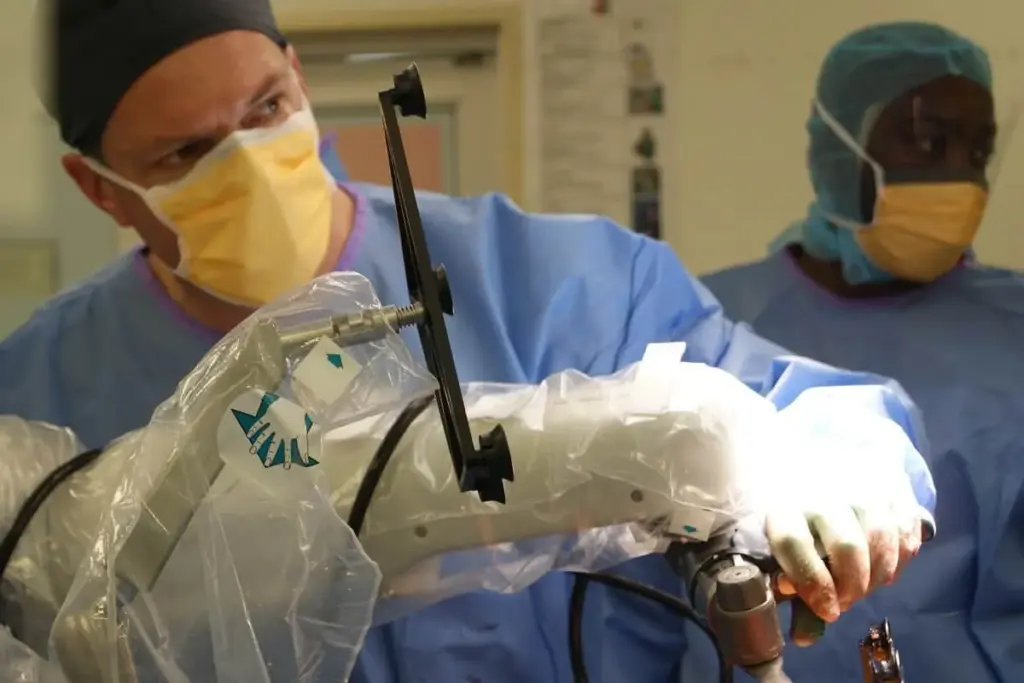
Did you know over 790,000 knee replacement surgeries happen every year in the U.S.? Preparing for this big surgery is key, and the night before is especially important.
It’s crucial to follow your healthcare team’s instructions. This means sticking to certain diets and taking special showers. By doing this, you can avoid problems and make your recovery better.
We’ll show you how to get ready for your knee replacement surgery the night before. This will help you have a good surgery and recovery.
Key Takeaways
- Follow specific dietary restrictions as instructed by your healthcare team
- Complete any required antiseptic showering protocols
- Review and follow all pre-surgery instructions carefully
- Prepare your home for post-surgery recovery
- Arrange for post-surgery transportation and support
Understanding Knee Replacement Surgery Basics
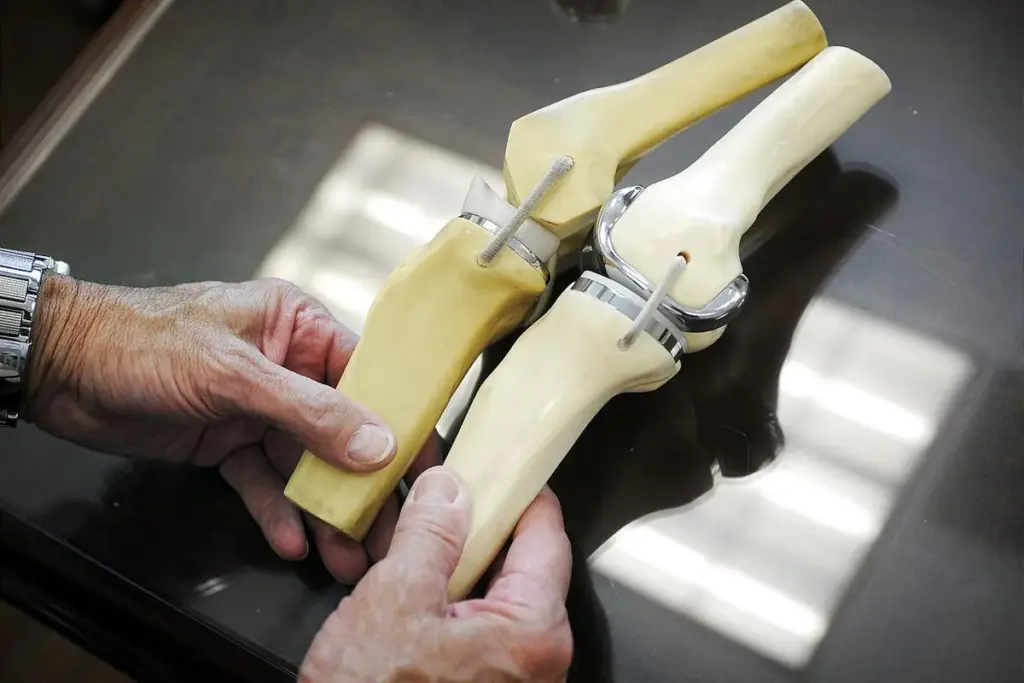
Knee replacement surgery, also known as knee arthroplasty, is a surgical procedure. It involves replacing the damaged or diseased knee joint with artificial components. This operation is considered when other treatments fail to alleviate knee pain and improve function.
Types of Knee Replacement Procedures
There are several types of knee replacement procedures, each tailored to the patient’s specific needs. The main types include:
- Total Knee Replacement: This is the most common type, where the entire knee joint is replaced with artificial components.
- Partial Knee Replacement: In this procedure, only the damaged part of the knee is replaced, preserving the healthy bone and tissue.
The choice between these procedures depends on the extent of the knee damage and the patient’s overall health.
When Is Knee Replacement Surgery Necessary?
Knee replacement surgery becomes necessary when other treatments fail to provide relief from knee pain and improve knee function. Conditions that may lead to knee replacement surgery include:
|
Condition |
Description |
|---|---|
|
Osteoarthritis |
Wear and tear on the joint cartilage, leading to bone-on-bone contact and pain. |
|
Rheumatoid Arthritis |
An autoimmune disease that causes inflammation and degeneration of the joint. |
|
Post-Traumatic Arthritis |
Arthritis that develops after a knee injury. |
The decision to undergo knee replacement surgery is typically made after a thorough evaluation by an orthopedic surgeon. The surgeon will assess the severity of the knee damage and the patient’s overall health.
What I Wish I Knew Before Knee Replacement Surgery
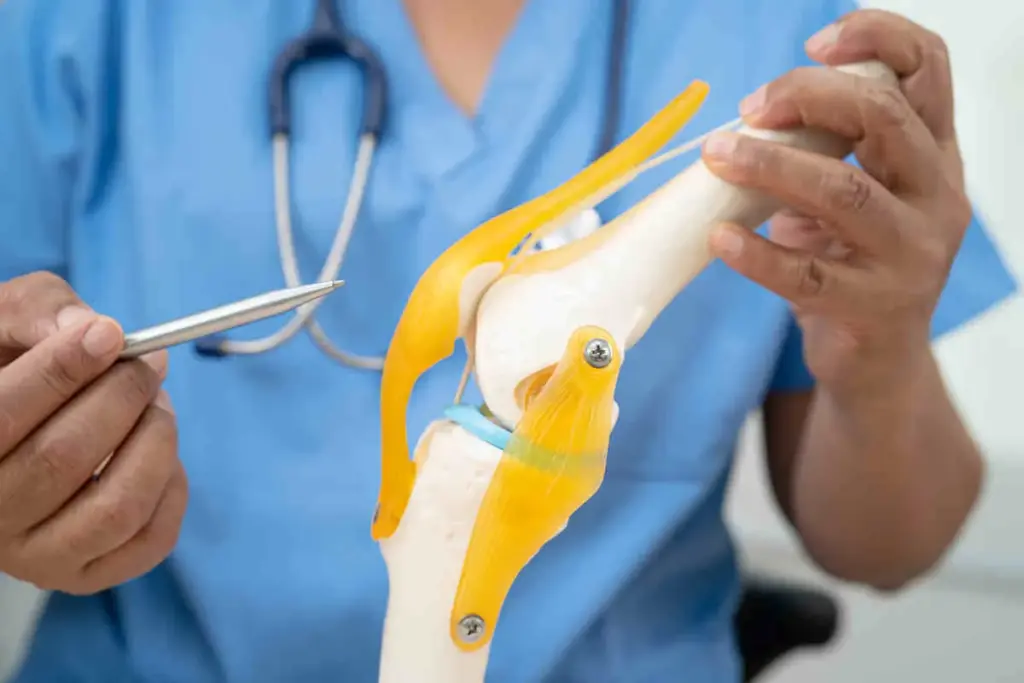
Looking back, there were key things we wish we knew before knee replacement surgery. Knowing the process and being ready can really change the outcome and experience.
Common Misconceptions About Knee Surgery
Many people have wrong ideas about knee replacement surgery. This can cause extra worry or wrong hopes. One big myth is that it’s only for older folks. But, it’s really about how bad the knee damage and pain are, not age.
Some other misconceptions include:
- Thinking knee replacement surgery is very painful. But, thanks to new pain treatments, it’s much better now.
- Believing recovery takes forever. But, many people get back to their usual life in just a few weeks.
- Thinking it will stop all knee pain. While it helps a lot, some people still feel a bit of pain now and then.
Real Patient Experiences and Insights
Real stories from patients give us great tips on what to expect before, during, and after surgery. They say knowing what’s going to happen and having the right hopes made their experience better.
For instance, many patients wish they had known:
“I wish I had known how important physical therapy would be in my recovery. It made a huge difference in regaining my strength and mobility.” –
By hearing from others who’ve had knee replacement surgery, those thinking about it can get ready better.
Two Weeks Before: Essential Medical Preparations
Getting ready for knee replacement surgery means doing some important medical checks two weeks early. Your healthcare team will do several key evaluations to make sure you’re set for surgery.
Medical Evaluations and Clearances
Two weeks before your surgery, you’ll have to go through some medical checks. These might include:
- Blood work to check for infections or conditions that could affect surgery
- Imaging studies, such as X-rays or MRIs, to assess the condition of your knee
- A physical examination to evaluate your overall health and fitness for surgery
These checks help your healthcare team spot any risks and take steps to avoid them. This makes the surgery smoother.
Medication Adjustments and Considerations
It’s also key to talk about your current meds with your healthcare provider. Some meds might need to be changed or stopped before surgery to lower risks. This includes:
- Blood thinners, which may need to be paused to reduce the risk of bleeding during surgery
- Certain diabetes medications that could interact with anesthesia or affect blood sugar levels during surgery
- Some over-the-counter supplements that may increase the risk of bleeding or other complications
Your healthcare team will tell you which meds to adjust and how to manage your condition before surgery.
It’s vital to follow your healthcare provider’s instructions on medication changes to stay safe during and after surgery.
What Tests Are Done Before Knee Replacement Surgery
Before knee replacement surgery, several tests are done to check the patient’s health. These tests make sure the patient is ready for surgery. They also find any risks or problems.
Required Blood Work and Lab Tests
Patients must have blood tests and lab exams before surgery. These tests check the blood count, chemistry, and clotting. Blood work is key to find any health issues that might affect the surgery or recovery.
Common tests include a complete blood count (CBC), blood typing, and coagulation studies. These tests give important info about the blood health. They help plan for the surgery.
Imaging Studies and Physical Examinations
Imaging studies are also important before knee replacement surgery. X-rays, MRI, and CT scans are used. These tests show the knee joint’s condition and damage. They help plan the surgery.
A physical exam checks the knee’s range of motion, strength, and stability. This info is crucial for the best surgical plan. It also helps predict the recovery.
Cardiac and Other Specialty Evaluations
Patients with heart issues or other health problems may need extra tests. Cardiac evaluations check the heart’s function. They look for heart risks during surgery.
Other specialists like cardiologists or pulmonologists might also be involved. These evaluations improve the patient’s health before surgery. They help reduce the risk of complications.
Exercises to Prepare for Knee Replacement Surgery
Knee replacement surgery is a big deal. Doing exercises before can really help. These exercises strengthen your knee muscles, improve movement, and keep you balanced.
Strengthening Your Quadriceps and Hamstrings
It’s key to strengthen your quadriceps and hamstrings before surgery. These muscles help keep your knee stable. Quadriceps strengthening exercises like straight leg raises are good. Lie on your back, tighten your quadriceps, and lift your leg a bit.
Hamstring strengthening exercises like hamstring curls are also important. Bend your knee while keeping your thigh still.
To do these exercises right:
- Lie on your back for straight leg raises.
- Slowly lift your leg, keeping it straight.
- Hold for a few seconds before lowering it back down.
- For hamstring curls, stand or lie on your stomach and bend your knee.
Improving Range of Motion Exercises
It’s important to improve your range of motion. Range of motion exercises help prevent stiffness. They make it easier to move your knee after surgery. Simple exercises include knee bends and heel slides.
To get the most out of these exercises:
- Start with gentle movements and gradually increase the range.
- Do these exercises 2-3 times a day.
- Stop if you feel pain.
Balance and Stability Training
Balance and stability training are crucial before surgery. These exercises improve your balance. They help prevent falls and injuries during recovery. Simple exercises include standing on one leg and heel-to-toe walks.
To add balance training to your routine:
- Stand on one leg for a few seconds before switching legs.
- Practice heel-to-toe walking by placing the heel of one foot directly in front of the toes of the other foot.
- Engage your core and keep your back straight during these exercises.
By focusing on these exercises, you can prepare well for knee replacement surgery. This will help you recover faster and more smoothly.
Setting Up Your Home for Post-Surgery Recovery
Having a well-prepared home can greatly help your recovery after knee replacement surgery. It’s important to make your home safe and comfy. This will help you recover smoothly and efficiently.
Creating a Single-Level Living Space
One key thing is to make your home single-level. This means putting your bed, bathroom, and kitchen on one floor. This reduces the need to go up and down stairs while you’re recovering.
We suggest moving furniture to make paths clear and removing anything that could trip you up.
Tips for a Single-Level Living Space:
- Move your bed to a spot close to a bathroom.
- Put your most used things where you can easily reach them.
- Remove any clutter or things that could get in your way.
Bathroom Safety Modifications
Bathroom safety is very important during your recovery. Slippery floors and hard-to-use facilities can be risky. Here are some changes you can make:
Bathroom Safety Tips:
- Put grab bars near the toilet and shower.
- Use a non-slip mat or stickers in the shower or bathtub.
- Think about getting a raised toilet seat for easier sitting and standing.
One patient said, “Grab bars in the bathroom made a huge difference. I felt much more secure and confident.”
“I was amazed at how much of a difference the simple modifications made. It was like having a new bathroom!”
Essential Recovery Equipment to Have Ready
Having the right equipment can make your recovery more comfortable. Some important items include:
Recovery Equipment Checklist:
- A walker or crutches, as your doctor recommends.
- A comfy, supportive chair or recliner.
- Ice packs or cold therapy devices for pain and swelling.
- Easy-to-wear, comfy clothes.
By getting your home ready with these things in mind, you’ll be better set for your recovery. This will make your experience smoother and more comfortable.
The Day Before Surgery: Complete Checklist
With your knee replacement surgery just a day away, it’s time for last-minute preparations. The day before is key to ensure everything is ready for a smooth surgery.
Final Medical Instructions to Follow
Your healthcare team will give you final medical instructions the day before. These might include:
- Any last-minute medication adjustments
- Specific dietary restrictions or fasting requirements
- Special antiseptic showering protocols
Following these instructions carefully is crucial. It helps minimize risks and prepares you for the surgery.
Packing Your Hospital Bag
Packing your hospital bag early can reduce stress. Here are some essentials to pack:
- Comfortable clothing for your hospital stay
- Personal care items such as toiletries and a toothbrush
- Any necessary medical devices or equipment
- Phone chargers and entertainment for downtime
Check with your healthcare provider for any specific items they recommend or require.
Transportation and Caregiver Arrangements
Arrange for transportation to and from the hospital on surgery day. You’ll also need a caregiver for your initial recovery. Make sure your caregiver knows their responsibilities, including:
- Assisting with daily tasks and medication management
- Providing emotional support and companionship
- Helping with physical therapy exercises as recommended by your healthcare team
Having a strong support system is key for a smooth recovery.
Night Before Knee Replacement Surgery: Step-by-Step Guide
To ensure a smooth and successful knee replacement surgery, follow our step-by-step guide for the night before.
Dietary Restrictions and Fasting Requirements
It’s essential to follow the dietary instructions provided by your healthcare team to minimize risks during surgery. Typically, you’ll be asked to fast for a certain period before your surgery.
- Clear Liquids Only: You may be allowed to consume clear liquids up to a certain time before surgery. This can include water, clear broth, or electrolyte-rich beverages like sports drinks.
- Avoid Heavy Meals: Eating a large or heavy meal before surgery can increase the risk of complications.
- Medication Instructions: Some medications may need to be taken with a small amount of water, even on an empty stomach.
Special Antiseptic Showering Protocol
Using an antiseptic soap the night before surgery can help reduce the risk of infection. Here’s how to do it:
- Use the Right Soap: Your healthcare provider will likely recommend a specific antiseptic soap or chlorhexidine gluconate (CHG) solution.
- Shower Thoroughly: Pay special attention to the area around your knee, washing it thoroughly with the soap.
- Avoid Applying Lotions: After showering, avoid applying lotions, creams, or deodorants, as these can interfere with the surgical site preparation.
Preparing Your Bedroom for Your Last Night
Creating a restful environment can help you get a good night’s sleep before your surgery. Consider the following:
- Comfortable Bedding: Ensure your bed is comfortable and well-prepared for the night ahead.
- Minimize Distractions: Turn off electronic devices and minimize noise to create a peaceful environment.
- Have Essentials Ready: Keep your hospital bag packed and ready by the door, along with any last-minute items you might need.
By following these steps, you’ll be well-prepared for your knee replacement surgery and can focus on a restful night’s sleep before the big day.
Can I Put On Deodorant Before Knee Surgery? Personal Hygiene Guidelines
Keeping yourself clean before knee surgery is very important. Many patients wonder about safe personal care products before surgery. We will talk about what’s okay and what’s not.
Approved Personal Care Products
Knowing which personal care items are safe before surgery is vital. Mild soap and water are usually okay for bathing. Some places might let you use certain deodorants or antiperspirants. Always check with your doctor or the surgery place about deodorant use.
For other personal care items:
- Use a clean, unwrapped bar of soap or a dispensed soap product for bathing.
- Avoid using lotions, creams, or powders on the surgical site.
- Refrain from applying perfumes, colognes, or other fragrances.
Prohibited Substances and Why They’re Restricted
Some things are not allowed before surgery because they might cause problems. These include:
- Antibacterial soaps: They can irritate your skin and mess with the surgical site prep.
- Creams and lotions: They can leave stuff on your skin that might lead to infection.
- Makeup and nail polish: They can mess with the monitoring of your oxygen levels during surgery.
Nail Care and Jewelry Restrictions
There are also rules for nail care and jewelry:
- Take off all nail polish from your nails to check your oxygen levels during surgery.
- Remove any jewelry, like rings and earrings, because they can cause problems during surgery.
By following these rules, you can make sure your surgery goes well. If you’re unsure about what’s okay, always ask your doctor.
The Knee Surgery Process: What Happens in the Operating Room
Learning about the knee surgery process can ease your worries. We’ll walk you through what happens in the operating room. You’ll understand the steps and what to expect.
Anesthesia Options and What to Expect
Before surgery, you’ll get anesthesia to keep you comfortable. There are different types, like:
- General Anesthesia: Makes you completely asleep during surgery.
- Regional Anesthesia: Numbs your lower body, so you won’t feel pain in the surgical area.
- Spinal Anesthesia: Involves injecting medication into your spinal fluid.
Your anesthesiologist will talk to you about these options. They’ll choose the best one for you based on your health and surgery details.
Step-by-Step Surgical Procedure
The knee replacement surgery has several key steps:
- Incision: The surgeon makes an incision to expose the knee joint.
- Removal of Damaged Tissue: The damaged cartilage and bone are removed.
- Implant Placement: The artificial knee components are secured in place.
- Wound Closure: The incision is closed with sutures or staples.
This process usually takes 1 to 2 hours, depending on the case’s complexity.
Duration and Immediate Post-Op Care
After surgery, you’ll go to the recovery room. Your vital signs will be monitored closely. You’ll get pain medication as needed, and our team will watch for any immediate complications. You’ll usually move to your hospital room a few hours after surgery.
Knowing these steps can make you feel more ready and less anxious about your surgery. Our team is dedicated to giving you the best care during your journey.
Immediate Post-Surgery Recovery: The First 48 Hours
The first 48 hours after knee replacement surgery are critical. You’ll focus on managing pain, starting physical therapy, and watching for any complications.
Pain Management Strategies
Managing pain well in the first 48 hours is key. We use medicines and other methods to help you feel better.
- Medications: We’ll give you pain medicine as needed.
- Ice Therapy: Ice can help with swelling and pain.
- Elevation: Keeping your leg up can also reduce swelling.
It’s important to take your medicine as your doctor tells you to. This helps control your pain best.
Initial Physical Therapy Sessions
Moving around early is important for a good recovery. Our physical therapists will guide you in gentle exercises. These help improve your mobility and strength.
|
Exercise |
Purpose |
Frequency |
|---|---|---|
|
Straight Leg Raises |
Strengthen quadriceps |
3 sets of 10 reps, twice daily |
|
Ankle Pumps |
Improve circulation |
3 sets of 10 reps, twice daily |
|
Gentle Knee Bending |
Improve range of motion |
3 sets of 10 reps, twice daily |
Monitoring for Complications
Though rare, complications can happen. We watch for signs of infection, blood clots, and other problems.
Signs of Potential Complications:
- Increased redness or swelling around the surgical site
- Fever over 100.4°F (38°C)
- Increased pain not managed by medication
- Shortness of breath or chest pain
Things to Expect After Knee Replacement Surgery
Knowing what to expect after knee replacement surgery can make recovery easier. It’s important to know the normal recovery steps, common challenges, and when to get medical help.
Normal Recovery Milestones
Recovery from knee replacement surgery takes time. Most patients can regain a lot of mobility in the first few weeks. Here are some key milestones:
- Within the first week, you’ll likely be able to stand and walk with assistance.
- By the end of the second week, many patients can walk without assistance, though they may still use a walker or crutches for balance.
- Within 4-6 weeks, most patients can resume normal daily activities, including driving.
- By 3 months, patients typically experience significant pain reduction and improved knee function.
As one patient noted,
“The first few weeks were tougher than I expected, but by the six-week mark, I was back to most of my normal activities.”
Common Challenges and How to Overcome Them
While recovery is generally smooth, some challenges may arise. Pain management is a common concern. We recommend following your doctor’s pain management plan closely.
|
Challenge |
Solution |
|---|---|
|
Pain and discomfort |
Adhere to prescribed pain management medication and consider alternative methods like ice therapy. |
|
Swelling and bruising |
Elevate your leg and apply ice packs as directed by your healthcare provider. |
|
Limited mobility |
Engage in physical therapy exercises to improve range of motion and strength. |
When to Contact Your Doctor
It’s essential to know when to seek medical help. Contact your doctor immediately if you experience any of the following:
- Severe pain not relieved by medication
- Increased swelling or redness around the knee
- Fever over 100.4°F (38°C)
- Signs of infection, such as pus or discharge
- Difficulty bending or straightening the knee
By understanding these aspects of recovery, you’ll be better prepared to navigate the post-operative period. Always follow your healthcare provider’s specific instructions and attend follow-up appointments to ensure a smooth recovery.
Best Exercises After Knee Surgery for Optimal Recovery
After knee surgery, a good exercise plan is key for a strong recovery. The right exercises help you get stronger, move better, and avoid problems. We’ll show you the best exercises for early rehab, getting stronger, and keeping your knee healthy long-term.
Early Stage Rehabilitation Exercises
In the first stages after surgery, focus on exercises that help your knee heal and stay flexible. These include:
- Straight Leg Raises: This exercise strengthens your quadriceps without stressing your knee too much.
- Quad Sets: It makes your quadriceps muscles stronger by tightening them.
- Heel Slides: This helps keep and improve your knee’s bending ability.
- Ankle Pumps: They boost blood flow and cut down swelling.
Progressive Strengthening Program
As you get better, it’s important to make your exercises harder to build muscle strength. You can do:
- Straight Leg Raises with Weights: This adds weight to make your quadriceps stronger.
- Wall Squats: They work your quadriceps, hamstrings, and glutes.
- Step-Ups: This exercise boosts strength and function.
- Cycling: It’s great for your heart and keeps your knee moving.
|
Exercise |
Repetitions |
Sets |
|---|---|---|
|
Straight Leg Raises |
10-15 |
3 |
|
Quad Sets |
10-15 |
3 |
|
Wall Squats |
10 |
3 |
Long-term Maintenance Exercises
For lasting success, keep doing exercises that keep your knee healthy and fit. This includes:
- Low-Impact Aerobics: Activities like swimming or cycling keep your heart fit without hurting your knee.
- Flexibility Exercises: Regular stretching helps keep or improve your range of motion.
- Strengthening Exercises: Keep working on strengthening your knee muscles to support it.
By sticking to this exercise plan, you can fully recover from knee surgery. You’ll regain strength, mobility, and enjoy an active life.
Conclusion: Keys to a Successful Knee Replacement Journey
A successful knee replacement journey needs careful planning and understanding. By following our guide, you can have a smooth recovery and great results.
To increase your chances of success, focus on staying healthy and following your rehab plan. Also, get help from healthcare experts. Setting up your home for recovery, managing pain, and knowing what to expect are key.
Being informed and ready will help you face your knee replacement journey confidently. Stay committed to your rehab and ask for help when you need it. This will lead to the best outcome for you.
FAQ
What are the different types of knee replacement procedures?
There are a few types of knee replacement surgeries. These include total knee, partial knee, and revision knee replacements. The right procedure for you depends on your knee damage and health.
How do I prepare for knee replacement surgery?
To get ready for surgery, you’ll need to do some medical checks and adjust your meds. You should also do exercises to strengthen your muscles and improve your range of motion.
What tests are done before knee replacement surgery?
Before surgery, you’ll have several tests. These include blood work, imaging studies, and physical exams. They help make sure you’re a good candidate for surgery and spot any risks.
Can I wear deodorant before knee surgery?
It’s best to avoid deodorant on surgery day. It can mess with the prep of the surgical site. But, you can use approved personal care items. We’ll give you specific rules to follow.
What happens during the knee surgery process?
During surgery, you’ll get anesthesia. Our surgical team will then replace your damaged knee joint with an artificial one.
How long does it take to recover from knee replacement surgery?
Recovery time varies, but most see big progress in 6-12 weeks. You’ll need to do exercises and follow care instructions to recover well.
What are the common challenges after knee replacement surgery, and how can I overcome them?
After surgery, you might face pain, stiffness, and limited mobility. To deal with these, do exercises, manage pain, and go to physical therapy.
When should I contact my doctor after knee replacement surgery?
Call your doctor if you notice unusual symptoms like more pain, swelling, or redness. Or if you have recovery concerns. We’ll tell you when to seek help.
What are the best exercises after knee surgery for optimal recovery?
Good exercises include early rehab, strengthening, and long-term maintenance. We’ll show you these exercises to help you recover well.
How can I speed up my knee surgery recovery?
To recover faster, follow care instructions, do exercises, and stay healthy. We’ll give you personalized advice to help your recovery.
Reference
National Center for Biotechnology Information. Evidence-Based Medical Insight. Retrieved from https://www.ncbi.nlm.nih.gov/books/NBK561420