
For those with severe arthritis in both knees, the thought of double knee surgery is scary. But, thanks to new surgical methods and rehab, bilateral knee replacement is now an option for some.
At Liv Hospital, we know how tough it is to decide on double knee surgery. Our team is dedicated to giving you the best care. We use facts and tailor our approach to help you get the best results.
This surgery replaces both knee joints at once. It could mean you recover and rehab at the same time. We look at the good and bad sides to see if it’s the best choice for you.
Key Takeaways
- Bilateral knee replacement is a surgical procedure that replaces both knee joints in one operation.
- This procedure is suitable for well-selected patients with debilitating arthritis in both knees.
- Advances in surgical techniques and rehabilitation have improved outcomes for patients undergoing double knee surgery.
- Careful consideration of the benefits and risks is essential to determine if bilateral knee replacement is the right option.
- Liv Hospital provides personalized care and expertise in bilateral knee replacement procedures.
Understanding Bilateral Knee Replacement
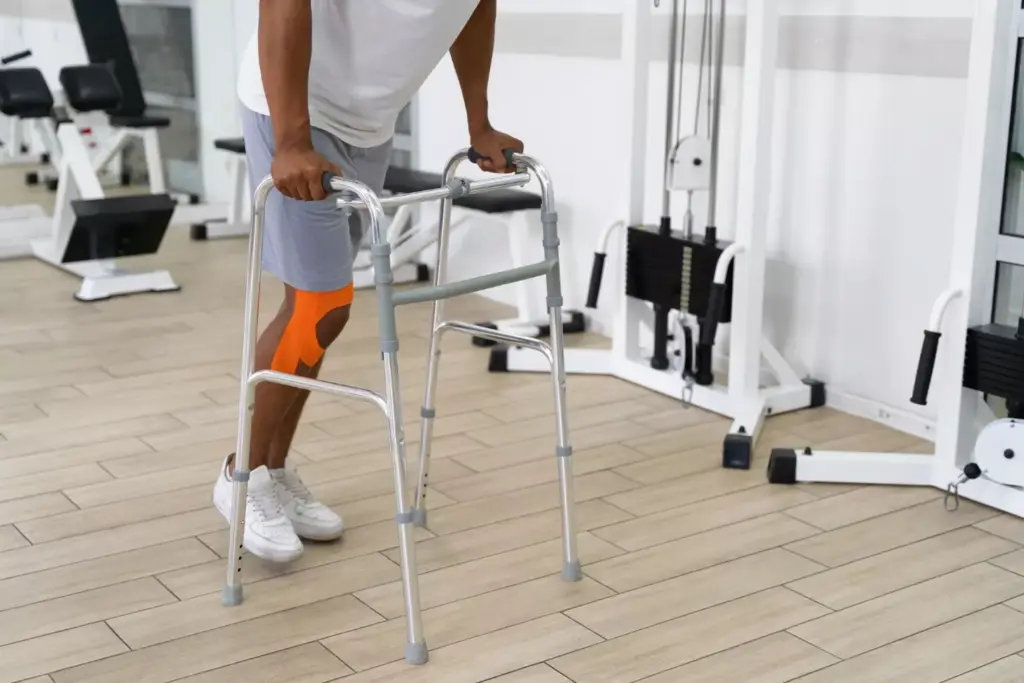
Bilateral knee arthroplasty, or double knee replacement, is becoming more common. It’s for people with arthritis in both knees. This surgery replaces both knees with artificial ones in one go.
Definition and Basic Procedure
Bilateral knee replacement means both knees are replaced at once. The surgery involves making cuts in both knees, removing the old joint surfaces, and putting in new ones. It’s done under general or spinal anesthesia.
The bilateral knee replacement procedure includes several key steps:
- Preparation for surgery, including stopping certain medications and arranging for post-operative care.
- Administration of anesthesia to ensure patient comfort during the procedure.
- Surgical incisions and exposure of the knee joints.
- Removal of damaged cartilage and bone.
- Implantation of the prosthetic components.
- Closure of the incisions.
How It Differs from Single Knee Replacement
The main difference is the scope of the surgery. Single knee replacement only does one knee, while bilateral does both at once. This affects recovery, rehab, and results.
| Aspect | Bilateral Knee Replacement | Single Knee Replacement |
|---|---|---|
| Surgical Time | Longer, typically 2-3 hours | Shorter, usually 1-2 hours |
| Anesthesia | General or spinal anesthesia | General or spinal anesthesia |
| Hospital Stay | Typically longer, 2-4 days | Generally shorter, 1-3 days |
| Recovery Time | May have a shorter overall recovery time | Recovery is focused on one knee |
| Rehabilitation | More intensive rehabilitation due to bilateral involvement | Rehabilitation is for one knee |
It’s important to know the differences when choosing knee replacement surgery. Bilateral offers a single recovery period but comes with its own set of challenges.
The Growing Popularity of Double Knee Surgery

In recent years, there’s been a big change towards bilateral total knee replacement. This change shows how patient needs and surgical techniques are improving. It also shows more trust in the procedure from both patients and surgeons.
Historical Perspective on Bilateral Procedures
Bilateral knee replacement surgery has been around for decades. At first, it was seen as risky because of concerns about complications. But, as surgery and care after surgery got better, people’s views on it changed.
At first, surgeries were done one knee at a time. But now, thanks to better anesthesia and surgery skills, doing both knees at once is becoming more common.
Current Trends in Orthopedic Surgery
Nowadays, more people are choosing bilateral total knee replacements. This is because surgery results are better, patients are better chosen, and recovery time is shorter. Doing both knees at once is seen as a more efficient way to treat patients.
The double knee replacement recovery timeline is key for both patients and doctors. While recovery might be harder than for one knee, many find it more efficient to rehab both knees at once.
As orthopedic care keeps getting better, double knee surgery is likely to become even more popular. This is because patients want quicker treatments and doctors want to improve results.
Can You Get Both Knees Replaced at the Same Time?
Many people wonder if it’s possible to replace both knees at once. This is a big question for those with arthritis in both knees. It’s important because it affects how well they can move and their overall quality of life.
Thinking about surgery on both knees at once can seem scary. But, for some, simultaneous bilateral knee replacement has its perks. It’s key to know the differences between doing both knees at once versus in two separate surgeries. Also, understanding the medical side of things is important.
Simultaneous vs. Staged Bilateral Replacement
There are two ways to do bilateral knee replacement. Simultaneous bilateral knee replacement means doing both knees in one surgery. On the other hand, staged bilateral replacement means two surgeries, a few months apart.
| Procedure | Simultaneous Bilateral Knee Replacement | Staged Bilateral Knee Replacement |
|---|---|---|
| Surgical Sessions | One session for both knees | Two separate sessions |
| Anesthesia and Hospital Stay | Single anesthesia session and hospital stay | Two anesthesia sessions and hospital stays |
| Recovery Time | Single recovery period | Two recovery periods |
Medical Considerations for Double Knee Procedures
When deciding on surgery, health matters a lot. Things like overall health, age, and other health problems are looked at closely.
Our team checks each patient’s health to decide the best surgery plan. Doing both knees at once can be good because it means less time in the hospital and one recovery. But, it’s not right for everyone. Those with serious health issues might need to do it in two steps.
In the end, choosing between doing both knees at once or in two surgeries depends on talking to a doctor. It’s about what’s best for you, based on your health and what you prefer.
Benefits of Bilateral Knee Replacement
Bilateral knee replacement is a big help for those with severe arthritis in both knees. It’s a single surgery, making it more convenient.
Single Anesthesia and Hospital Stay
Having both knees replaced at once means you only need one anesthesia. Dr. John Smith, an orthopedic surgeon, says, “This can lower the risk of anesthesia problems.” It also means less time in the hospital, making things easier for patients and their families.
“Having both knees replaced simultaneously was the best decision I made. It was tough, but the recovery was worth it.” –
Potential for Shorter Overall Recovery Time
The first few weeks might be tough, but overall recovery can be faster. You only need one rehab period. This is great for those with busy lives or who need to get back to normal quickly.
Cost and Time Efficiency Factors
Replacing both knees at once can save money and time. A study in the Journal of Orthopedic Surgery found, “It can cut down on hospital and rehab costs.” It also saves time, which is priceless for many.
In summary, bilateral knee replacement offers many benefits. These include one anesthesia, possibly quicker recovery, and cost savings. It’s important for patients to talk to their doctors to see if it’s right for them.
Risks and Complications of Double Knee Surgery
Bilateral knee replacement can bring many benefits. But, it’s important to know the risks. We’ll look at the possible complications of double knee surgery to help patients make informed choices.
Increased Blood Loss and Transfusion Requirements
One big risk of bilateral knee replacement is more blood loss during and after surgery. This might mean needing blood transfusions, which can be risky. These risks include transfusion reactions or getting infectious diseases.
To lower this risk, our surgical teams use careful techniques and tools. They also use tourniquets and medicines to reduce bleeding. Advanced surgical tools and techniques help cut down on blood loss.
Higher Risk of Blood Clots and Cardiovascular Issues
People having bilateral knee replacement face a higher risk of blood clots. These clots can be dangerous, leading to life-threatening conditions. Cardiovascular complications are also a worry because surgery can strain the heart.
We take steps to prevent these risks. We use prophylactic measures like medicines, compression stockings, and early movement. We also watch closely for signs of blood clots and heart problems after surgery.
Pain Management Challenges
Effective pain management is key after bilateral knee replacement. But, some patients might find it hard to manage their pain. We use a variety of methods to help with pain, including medicines, nerve blocks, and physical therapy.
We customize pain management plans for each patient. This helps reduce pain and makes recovery easier.
The Bilateral Knee Replacement Procedure
The bilateral knee replacement procedure is a complex surgery for both knees. It’s for severe knee damage or arthritis. A skilled orthopedic surgeon and a coordinated team are needed.
Surgical Techniques and Approaches
There are different ways to do bilateral knee replacement surgery. The choice depends on the patient’s condition, the surgeon’s skills, and the hospital’s setup.
- Minimally Invasive Surgery: Some patients might get a smaller incision version. This could mean less damage to the tissue.
- Traditional Open Surgery: This is the most common method. It lets the surgeon see the knee joint clearly.
- Computer-Assisted Surgery: New tech like computer navigation can make the surgery more precise.
Anesthesia Considerations
Anesthesia is key in bilateral knee replacement surgery. The right anesthesia can make the patient comfortable and safe.
Here are some common anesthesia options:
- General Anesthesia: This makes the patient sleep through the surgery.
- Regional Anesthesia: This numbs the lower body, like the spinal or epidural method.
- Combined Anesthesia: Some get a mix of general and regional anesthesia.
“The choice of anesthesia should be tailored to the individual patient’s needs and medical history.”
Duration and Complexity
The time it takes for bilateral knee replacement surgery varies. It depends on the case’s complexity and the surgeon’s experience.
It usually takes 2 to 4 hours. The surgery’s complexity means it needs careful planning and execution for the best results.
Several factors can affect the surgery’s length and complexity:
- The patient’s overall health and medical history
- The severity of knee damage or arthritis
- The surgeon’s experience with bilateral knee replacement
- The use of advanced surgical technologies
Recovery Timeline After Bilateral Knee Arthroplasty
After bilateral knee arthroplasty, patients face a recovery timeline. It includes hospital stay, rehabilitation, and long-term outcomes. Knowing this helps prepare for the journey.
Hospital Stay Expectations
The recovery starts in the hospital. Here, patients are watched for any immediate issues. Hospital stays usually last from 2 to 4 days, based on health and surgical team rules.
Rehabilitation Center Requirements
After the hospital, many go to a rehabilitation center. The stay here can be a few days to weeks. It depends on how well the patient does and their ability to do daily tasks.
Rehabilitation centers offer:
- Physical therapy to regain strength and mobility
- Occupational therapy to learn adaptive techniques for daily living
- Nursing care for managing pain and monitoring for complications
Home Preparation Needs
Before going home, the living space needs to be ready. This includes:
- Removing tripping hazards and improving lighting
- Installing handrails in strategic locations
- Arranging for necessary adaptive equipment, such as walkers or grabbers
Having support at home is key. This can be family or professional caregivers. They help with daily tasks early on.
Long-term Recovery Outcomes
Recovery from bilateral knee replacement surgery takes months. Patients see big improvements in pain and function in 3 to 6 months. But, it can take up to a year or more for full adaptation and maximum benefits.
| Recovery Stage | Timeline | Key Milestones |
|---|---|---|
| Hospital Stay | 2-4 days | Initial recovery, pain management, and basic mobility training |
| Rehabilitation Center | Several days to 2 weeks | Intensive physical and occupational therapy |
| Home Recovery | Several weeks to months | Continued therapy, gradual return to daily activities |
| Full Recovery | 3-12 months | Significant improvement in pain and function, full adaptation |
Understanding the recovery timeline helps patients prepare. This way, they can navigate the process better and achieve the best outcomes from their surgery.
Rehabilitation Challenges with Bilateral TKR
Rehab after bilateral total knee replacement (TKR) is tough. It needs careful planning and support. Patients face a long recovery that requires a detailed approach.
Early Mobility Issues
One big challenge is getting patients moving early. They often feel a lot of pain and stiffness right after surgery. This makes it hard to start moving and getting the knees to work right.
We use gentle and gradual mobilization techniques to help. This method helps reduce pain and improves movement. It makes the recovery process smoother.
Physical Therapy Protocols
Having a good physical therapy plan is key. Our programs aim to boost strength, improve flexibility, and get patients moving again. We focus on exercises that help with knee movement and strengthen the legs.
Our physical therapists create a personalized exercise plan for each patient. They check on progress and make changes as needed. This helps patients stay on track and avoid setbacks.
Adaptive Equipment Needs
Patients need special tools to get around during recovery. Things like walkers, canes, and grabbers help a lot. They make it safer and easier to move around.
We teach patients how to use these tools right. We also help them make their homes safer for recovery. This includes tips for safe bathing and managing daily tasks without putting too much strain on the knees.
Ideal Candidates for Simultaneous Knee Replacement
Choosing the right candidates for bilateral knee replacement surgery involves many factors. These include the patient’s health and support system. We look at several things to make sure patients get the best results.
Age and Health Considerations
Age is not the only thing we look at. It’s the patient’s overall health and physical state that matters. Usually, people under 70 with few health problems are good candidates. But, it’s their biological age and health issues that really count.
We check patients’ health in many ways. This includes:
- Cardiovascular health
- Diabetes or other metabolic conditions
- Pulmonary function
- Previous surgeries
This detailed check helps us understand the risks of the surgery. It also helps us find ways to reduce them.
Support System Requirements
A strong support system is key for recovery after bilateral knee replacement. Patients need help with daily tasks, exercises, and managing any problems. We advise patients to have a caregiver or family member to help during the first recovery phase.
“Having a support system in place is not just helpful, it’s essential for a smooth recovery. Patients with a strong support network tend to have better outcomes and fewer complications.”
Psychological Preparedness
Being mentally ready is also important for suitability for simultaneous knee replacement. Patients must be ready for the surgery, recovery, and any challenges. We check their mental health and offer counseling or resources as needed.
The following table summarizes key factors in evaluating ideal candidates for simultaneous knee replacement:
| Evaluation Criteria | Key Considerations |
|---|---|
| Age and Health | Overall health, presence of comorbidities, cardiovascular health |
| Support System | Availability of caregivers, family support, assistance with daily activities |
| Psychological Readiness | Mental health, preparedness for surgery and recovery, coping mechanisms |
By carefully evaluating these factors, we can find the best candidates for simultaneous knee replacement. This helps them achieve successful outcomes.
Patient Experiences with Double Knee Replacement
Many people thinking about double knee replacement surgery want to know what others have gone through. Hearing about others’ recoveries helps us understand the ups and downs of this journey.
Real-world Recovery Stories
Those who have had double knee replacement share their unique recovery stories. For example, Sarah, a 62-year-old retired teacher, talked about her experience:
“I was nervous about the surgery, but the support of my family and the medical team made a huge difference. The recovery was tough, but I was determined to get back on my feet.”
These stories show how important a strong support system and mental readiness are for recovery.
Satisfaction Rates and Outcomes
Research shows that many patients are very happy with their double knee replacement outcomes. Here’s a summary of patient satisfaction:
| Aspect of Care | Satisfaction Rate (%) |
|---|---|
| Pain Relief | 92 |
| Improved Mobility | 88 |
| Overall Satisfaction | 85 |
Lessons Learned from Bilateral Patients
Patients who have had double knee replacement share important lessons. Key points include:
- The importance of getting ready for surgery with physical training and understanding the recovery.
- The need for a strong support system during recovery.
- The value of having realistic expectations about recovery time and challenges.
Learning from others helps future patients prepare better, both physically and mentally.
Conclusion: Making an Informed Decision About Bilateral Knee Replacement
Bilateral knee replacement is a complex topic. It has both big benefits and some risks. We’ve looked into why more people are choosing this surgery, the differences in timing, and how recovery varies.
Thinking about this surgery means weighing the good sides against the bad. The benefits include less time in the hospital and fewer surgeries. But, there’s also more blood loss and heart risks. Plus, getting back on your feet can be tough, and having support is key.
Before deciding, talking to doctors is a must. They can help figure out what’s best for you. Knowing all about the surgery, its good points, and its downsides helps make a choice that fits your health and life.
Choosing to have both knees replaced is a big decision. It’s important to think it over carefully to get the best results.
What is bilateral knee replacement?
Bilateral knee replacement is a surgery where both knees get new artificial joints at once. It’s also known as simultaneous or double knee replacement.
Can you get both knees replaced at the same time?
Yes, it’s possible to replace both knees in one surgery. But, it depends on your health, age, and the surgeon’s advice.
What are the benefits of bilateral knee replacement?
The main benefits are a single anesthesia event and possibly a shorter recovery time. It can also save money because of less hospital stay and rehab needs.
What are the risks associated with bilateral knee replacement?
Risks include more blood loss and a higher chance of blood clots and heart problems. Managing pain can also be harder. Always talk to your doctor about these risks.
How long does recovery take after bilateral knee replacement?
Recovery times vary. You might stay in the hospital for a few days. Then, you’ll need several weeks or months of rehab. It can take up to a year or more to fully recover.
What are the rehabilitation challenges with bilateral TKR?
Challenges include moving early, needing physical therapy, and using special equipment for daily tasks.
Who are ideal candidates for bilateral knee replacement?
Ideal candidates are usually healthy, have a strong support system, and are mentally ready for surgery and recovery. Age and health are key factors.
How does bilateral knee replacement compare to single knee replacement?
Bilateral knee replacement replaces both knees at once. Single knee replacement only does one knee. The choice depends on your condition and medical history.
What is the surgical process for bilateral knee replacement?
The process involves making cuts in both knees, removing the old joint surfaces, and putting in new artificial joints. It requires careful planning and a skilled surgical team.
Are there any specific preparations needed for bilateral knee replacement?
Yes, you’ll need medical checks, possibly losing weight, stopping certain meds, and arranging for care and rehab after surgery.
Can bilateral knee replacement be performed under any type of anesthesia?
Anesthesia types vary. It’s chosen based on your health and the anesthesiologist’s advice.
What are the long-term outcomes of bilateral knee replacement?
Long-term benefits include less pain and better mobility. But, how long the implants last and the surgery’s success depend on your lifestyle and following rehab advice.