
A nuclear bone scan is a test that doctors use to find and track bone problems. This includes cancer, infections, and fractures.
Did you know over 1 million bone scans are done every year in the U.S.? A bone scan procedure uses a tiny bit of radioactive material. It’s injected into the blood and builds up in bones, making detailed images possible.
So, what is a bone scan? It’s a simple, safe test that shows how bones are doing. It helps doctors create the best treatment plans for patients.
Key Takeaways
- A bone scan is a diagnostic test used to detect bone conditions.
- The procedure involves injecting radioactive material into the bloodstream.
- Bone scans help doctors monitor and treat bone-related diseases.
- Over 1 million bone scans are performed annually in the United States.
- The test is painless and non-invasive.
Understanding Bone Scans
A bone scan, also known as a radionuclide bone scan, is a test used to check bone health. It helps doctors find issues like infections, cancer, and fractures.
Definition and Basic Principles
A bone scan is a nuclear medicine scan bones test. It involves injecting a tiny amount of radioactive material into your blood. This material goes to your bones, letting a camera take pictures of them.
The test works because the radioactive material sticks to bone tissue more in some areas. This happens in places with more activity, like diseased or injured bones. These areas show up as “hot spots” on the scan.
How Bone Scans Differ from Other Imaging Tests
Bone scans are different from tests like X-rays, CT scans, or MRI scans. While those tests show what bones look like, a bone scan test shows how bones work.
Unlike X-rays or CT scans, bone imaging through bone scans spot changes in bone activity. This is great for catching bone cancer or infections early.
Also, bone scans can look at the whole skeleton. This makes them perfect for finding and tracking diseases that affect many parts of the body.
Why Would a Doctor Order a Bone Scan?
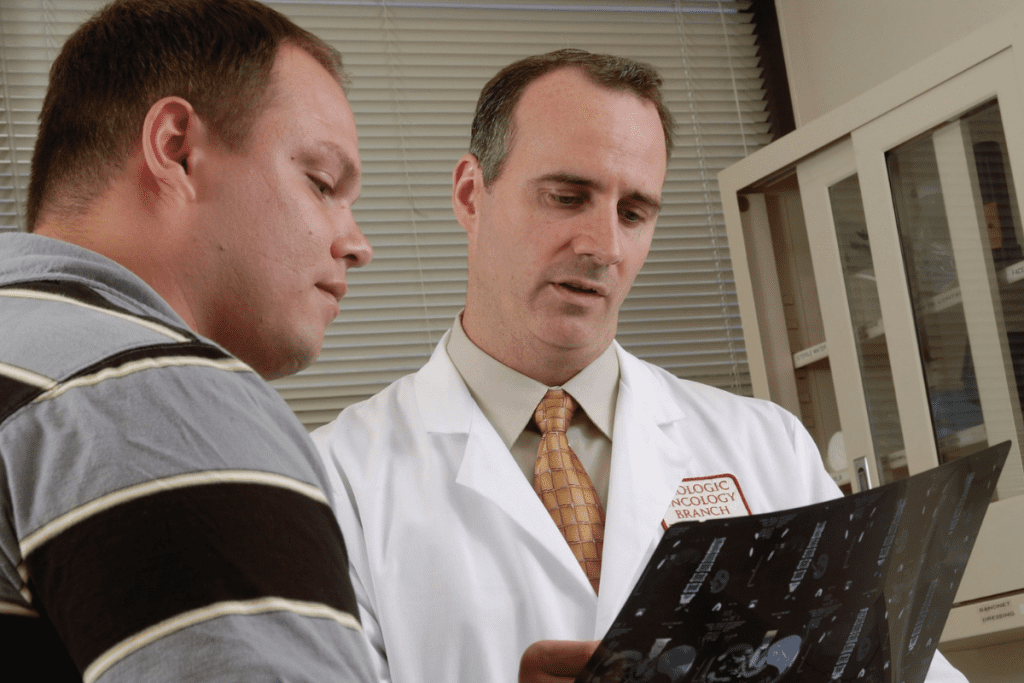
Bone scans are key for doctors to find bone problems. These can include infections, cancer, unexplained pain, and fractures.
Diagnosing Bone Infections
Bone infections, like osteomyelitis, are hard to spot with X-rays. A bone scan can find areas where bone activity is high, showing infection. This is great for infections that are deep or hard to see on other tests.
Key benefits of bone scans for diagnosing infections include:
- High sensitivity for detecting bone activity
- Ability to scan the entire skeleton
- Useful for monitoring the progression of infection
Detecting Bone Cancer and Metastases
Bone scans are used to find bone cancer and metastases. Cancer cells change bone metabolism, showing up on bone scans.
For instance, a bone scan can help identify:
- Primary bone cancers, such as osteosarcoma
- Metastatic bone disease from cancers like breast, prostate, or lung cancer
Evaluating Unexplained Bone Pain
Unexplained bone pain can be a mystery. A bone scan can find the cause, like stress fractures, tumors, or other disorders.
“Bone scans have become an indispensable tool in the diagnosis and management of bone-related disorders, providing a unique insight into bone metabolism and pathology.” –
A renowned medical professional
Assessing Fractures and Trauma
Conventional X-rays might miss fractures, like stress or hairline fractures. A bone scan can spot these by showing where bone activity is high.
Knowing why a doctor orders a bone scan helps patients understand its value. It’s used for infections, cancer, pain, and fractures. Bone scans are essential for patient care.
Types of Bone Scan Procedures
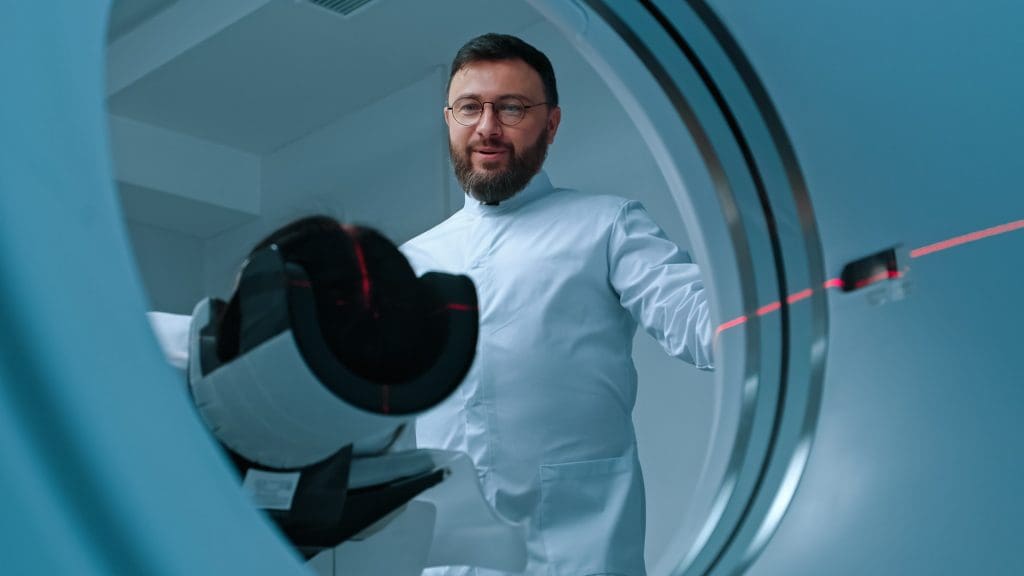
There are many types of bone scans used in medical diagnostics. Each has its own use in diagnosing and monitoring bone-related conditions. They are key tools in healthcare today.
Standard Nuclear Bone Scan
A Standard Nuclear Bone Scan is the most common. It uses a small amount of radioactive material, like Technetium-99m methylene diphosphonate (Tc-99m MDP). This material goes into the bones, showing where there’s abnormal activity.
Three-Phase Bone Scan
The Three-Phase Bone Scan builds on the standard scan. It takes pictures at three times: right after, a few minutes later, and a few hours later. This helps spot bone infections and check bone blood flow.
Whole Body Bone Imaging
Whole Body Bone Imaging scans the whole skeleton. It looks for abnormal bone activity. This scan is great for finding cancer spread or other widespread bone issues.
Bone Scintigraphy Techniques
Bone Scintigraphy Techniques cover various ways to see bone metabolism. They can be adjusted for different needs, like using different tracers or scan times. These methods are very good at finding bone problems, from fractures to cancer.
In summary, the right bone scan depends on the question being asked. Knowing the different scans helps doctors pick the best one. This leads to better diagnoses and treatment plans.
How Does a Bone Scan Work?
A bone scan is a way to see inside bones using tiny amounts of radioactive materials. It’s called bone scintigraphy. This method helps doctors find and watch bone problems.
The Science Behind Radionuclide Scanning
Radionuclide scanning uses special materials that stick to active bone areas. This lets doctors see bone health. Technetium-99m methylene diphosphonate (Tc-99m MDP) is a key material because it loves bone tissue.
Radioactive Tracers Used
The right tracer is key for a good bone scan. Tc-99m MDP is top because it has the right mix of properties. It’s injected into the blood, where it goes to active bone spots.
Gamma Camera Technology
A gamma camera picks up the radiation from the tracer. It’s very good at finding the tracer in bones. The camera moves around the patient to get pictures from all sides.
Image Processing and Analysis
The camera’s pictures are then made better for doctors to see. Special software helps make these images clear. This is how doctors spot bone infections, cancer, and breaks.
To sum up, a bone scan uses special science and tech. It uses radioactive tracers, gamma cameras, and advanced image tools. This helps doctors find and track bone issues well.
Preparing for Your Bone Scan
Getting ready for a bone scan involves a few steps. These steps help make the process smooth and effective. Your healthcare provider will guide you with specific instructions. Here are some general tips to follow.
Pre-Scan Instructions
Your healthcare provider will give you pre-scan instructions. You might need to arrive early to change into a hospital gown. Also, remove any jewelry or metal objects that could interfere with the scan.
Medication Considerations
Tell your doctor about any medications you’re taking. Some might need to be stopped or adjusted before the scan. Your healthcare provider will let you know what changes are needed.
Hydration Requirements
Drinking plenty of water is key before a bone scan. It helps the radioactive tracer move through your body. This ensures clearer images for the scan.
What to Wear and Bring
Wear loose, comfortable clothes and avoid metal. You’ll likely need to change into a hospital gown. Don’t forget to bring any important documents, like insurance cards and ID.
The Bone Scan Procedure Step by Step
Getting a bone scan is a simple process. It helps doctors find bone problems like cancer, infections, and fractures. This test uses special imaging to see inside your bones.
Tracer Injection Process
The first step is getting a radioactive tracer, usually Technetium-99m, in your vein. This tracer finds diseased or damaged bones, making them show up on the scan.
Waiting Period Activities
After the injection, you’ll wait for 30 minutes to a few hours. This lets the tracer spread through your bones. You can move around but drinking water helps your body process it.
Positioning for the Scan
When it’s time for the scan, lie on a table on your back. A gamma camera will move over you, catching the tracer’s radiation. You might need to change positions for better pictures.
Duration of Different Scan Types
The scan’s length depends on the type. A standard scan takes 30-60 minutes. Whole-body scans can take longer.
| Type of Scan | Typical Duration |
| Standard Bone Scan | 30-60 minutes |
| Whole Body Bone Scan | 1-2 hours |
| Three-Phase Bone Scan | 2-3 hours |
Knowing what happens in a bone scan can make it less scary. By understanding the process, patients can feel more ready for it.
What to Expect During a Bone Scan
If you’re getting a bone scan, you might wonder what it’s like. A bone scan is a test that finds problems in bones, like cancer or infections. It’s used to check for fractures too.
Physical Sensations
You might feel some things during a bone scan, but it’s usually not painful. The tracer injection might pinch a bit. Some people feel uneasy while lying down.
Key points to note:
- The tracer is given through a vein in your arm.
- You might feel cold when it’s injected.
- The scan itself doesn’t hurt.
Comfort Measures
We make sure you’re comfortable during the scan. You’ll lie on a comfy table. The room is bright and cool.
“The comfort of our patients is our top priority,” says a radiologist with over a decade of experience. “We ensure that the environment is conducive to a smooth and stress-free experience.”
Equipment Used
The main tool is a gamma camera. It finds the radiation from the tracer. The camera is big and moves slowly over you.
Managing Anxiety During the Procedure
Feeling anxious is normal during medical tests. Here’s how to cope:
- Ask your doctor to explain the scan before it starts.
- Bring someone you trust for support.
- Try deep breathing to relax.
Knowing what to expect can help you feel more at ease. It makes the bone scan less scary.
What Does a Bone Scan Show?
A bone scan shows important details about bone health. It finds both normal and abnormal findings. This tool is key for spotting infections, cancer, and fractures.
Normal vs. Abnormal Findings
Bone scan results compare the radioactive tracer’s uptake in bones. Normal findings show even tracer distribution. Abnormal findings show uneven uptake.
Abnormal findings can mean many things, like infections or cancer. The tracer’s pattern and intensity help doctors guess the cause.
Hot Spots and Cold Spots Explained
“Hot spots” and “cold spots” are seen in bone scans. Hot spots mean more bone activity, like in cancer or healing. Cold spots show less activity or damage.
- Hot spots show bone growth or repair.
- Cold spots point to reduced activity or damage.
Knowing about hot and cold spots is key for correct diagnosis and treatment.
How Cancer Appears on Bone Scans
Cancer in bones shows up as hot spots on scans. Cancer cells cause bone growth or destruction, showing up as increased tracer uptake. The hot spots’ pattern helps see how far cancer has spread.
Bone scans are great for finding cancers that spread to bones, like prostate, breast, and lung cancer.
Identifying Infections and Inflammation
Bone scans can spot infections and inflammation by showing more bone activity. Osteomyelitis, a bone infection, shows up with a specific tracer uptake pattern.
Being able to find infections and inflammation makes bone scans very useful for diagnosing and treating many bone issues.
Radiation Safety and Concerns
Bone scans use small amounts of radioactive tracers. It’s important to look at the safety concerns. These scans are valuable for diagnosis, but knowing the safety is key for everyone involved.
Radiation Exposure Levels
The radiation from a bone scan is usually low. The American College of Radiology says it’s about 6.3 millisieverts (mSv). For comparison, a chest X-ray is about 0.1 mSv. But, the dose can change based on the procedure and the patient’s size.
Radiation Exposure Comparison
| Procedure | Effective Dose (mSv) |
| Bone Scan | 6.3 |
| Chest X-ray | 0.1 |
| CT Scan (Abdomen/Pelvis) | 10-20 |
Post-Scan Precautions
After a bone scan, patients should take steps to reduce radiation exposure to others. They should:
- Drink lots of fluids to clear the tracer
- Avoid being close to pregnant women and young kids for 24 hours
- Practice good hygiene, like washing hands well after using the restroom
“Patients should be reassured that the radiation exposure from a bone scan is relatively low, and the benefits of the diagnostic information gained often outweigh the risks.” – A Nuclear Medicine Specialist
Safety for Special Populations
Some groups, like pregnant or breastfeeding women, and children, need special care. The risks and benefits are weighed carefully. For pregnant women, the decision to have a bone scan is made when the benefits are greater than the risks.
Understanding radiation safety helps patients make informed choices about their care. It’s vital to talk to a healthcare provider about any concerns to get the best results.
Bone Scan vs. Other Diagnostic Tests
It’s important to know how bone scans compare to other tests. These tests help check bone health, find problems, and see how treatments are working. Let’s look at how bone scans stack up against other tests.
Bone Scan vs. Bone Density Test
A bone density test and a bone scan are not the same. The bone density test, or DXA, checks for osteoporosis risk. It looks at bone mineral density. On the other hand, a bone scan finds issues like infections, cancer, or fractures by looking at bone activity.
Key differences:
- Purpose: Bone density test for osteoporosis risk; bone scan for detecting abnormal bone activity.
- Information provided: Bone density test measures bone mineral density; bone scan shows areas of bone metabolism.
Bone Scan vs. PET Scan
Bone scans and PET scans are both nuclear medicine tests. But they use different tracers and give different info. PET scans look at cancer metabolism, while bone scans focus on bone activity. PET scans can give more detailed info on tissue metabolism, including cancer.
Key differences:
- Tracer used: Bone scan uses Technetium-99m; PET scan uses Fluorodeoxyglucose (FDG).
- Information provided: Bone scan focuses on bone activity; PET scan assesses tissue metabolism.
Bone Scan vs. MRI
MRI and bone scans give different kinds of info. MRI is great for soft tissue images and can spot issues like herniated discs or torn ligaments. Bone scans are better for finding bone lesions or areas of high bone activity.
Key differences:
- Imaging focus: MRI excels at soft tissue imaging; bone scan focuses on bone activity.
- Diagnostic use: MRI for soft tissue issues; bone scan for bone-related conditions.
Bone Scan vs. CT Scan
CT scans and bone scans both check bone health but in different ways. CT scans give detailed images of bones and soft tissues, useful for finding fractures or bone diseases. Bone scans, while not as detailed, are more sensitive to bone activity changes.
Key differences:
- Imaging detail: CT scan provides detailed anatomical images; bone scan shows functional information about bone activity.
- Diagnostic sensitivity: Bone scan is more sensitive to changes in bone metabolism; CT scan is better for anatomical detail.
Potential Risks and Side Effects
Bone scans are usually safe, but there are risks and side effects to know. Knowing these can help patients make better choices about their health care.
Common Side Effects
Most people don’t feel much after a bone scan. But, some might feel:
- Mild discomfort or pain at the injection site
- Fatigue or feeling tired after the procedure
- Nausea or headache, though these are rare
Allergic Reactions
There’s a chance of allergic reactions to the tracer used in bone scans. Symptoms include:
- Rash or itching
- Difficulty breathing
- Swelling at the injection site
Long-term Considerations
The tracer in bone scans breaks down fast and leaves the body. But, there’s a small chance of cancer risk from radiation. The scan’s benefits usually outweigh these risks.
Managing Discomfort
To ease discomfort during and after a scan, patients should:
- Stay hydrated to help flush out the tracer
- Report any discomfort or pain to the medical staff
- Follow post-scan instructions from healthcare professionals
Knowing the risks and side effects helps patients prepare for a bone scan. It also helps them reduce any discomfort.
Conclusion
A bone scan is a key tool for checking bone health and finding bone problems. It helps spot infections, cancer, and fractures, and explains unexplained bone pain. This makes it a vital part of medical care.
Healthcare teams use bone scan results to create better treatment plans. This leads to better health outcomes for patients. Knowing how bone scans work and what to expect helps patients understand their tests better.
In short, bone scans are essential for keeping bones healthy. If you’re worried about your bones, talk to your doctor about getting a bone scan. This way, you can take care of your bones and stay healthy.
FAQ
What is a bone scan?
A bone scan is a test that uses a tiny bit of radioactive material. It helps find and track bone problems like cancer, infections, and fractures.
How does a bone scan work?
A bone scan injects a radioactive tracer into your blood. This tracer goes to your bones. A special camera then picks up the radiation, making bone images.
What are the different types of bone scans?
There are many types of bone scans. These include standard nuclear scans, three-phase scans, and whole body imaging. Each type gives different info.
Why would a doctor order a bone scan?
A doctor might order a bone scan for several reasons. This includes finding infections, detecting cancer, checking pain, or looking at fractures.
How long does a bone scan take?
The time for a bone scan varies. It depends on the scan type and body area. It can last from 30 minutes to several hours.
Is a bone scan painful?
A bone scan is usually painless. But, some might feel discomfort or anxiety.
What are the risks and side effects of a bone scan?
The risks of a bone scan are small. Some might have allergic reactions or radiation exposure.
How do I prepare for a bone scan?
To prepare, avoid certain meds and remove metal items. Drink lots of water to flush out the tracer.
What should I expect during a bone scan?
During the scan, you’ll lie on a table. The camera will take images of your bones. You might need to change positions or hold your breath.
How do I interpret the results of a bone scan?
A healthcare pro should interpret the scan results. They’ll explain what they found and suggest next steps.
Can a bone scan detect cancer?
Yes, a bone scan can find cancer in bones. It can also spot certain bone cancers.
Is a bone scan the same as a bone density test?
No, they’re not the same. A bone density test checks bone density. A bone scan uses a tracer to image bones and find issues.