
Coronary artery bypass grafting (CABG) is a surgery that can greatly improve your life. It’s a big operation that makes a new path for blood to flow. This is done by using blood vessels from other parts of your body.
Going through CABG can be scary and uncertain. But at our place, we’re here to help. Our team will support you every step of the way, from getting ready to getting better.
CABG is a lifesaving procedure that helps blood flow to the heart. It relieves symptoms and boosts your health. Knowing what to expect can make you feel more ready for your recovery.
Key Takeaways
- CABG is a surgical procedure that improves heart health by creating a detour around blocked coronary arteries.
- The procedure involves using blood vessels from other parts of the body to bypass narrowed or blocked areas.
- Our institution provides comprehensive care and support for international patients undergoing CABG.
- CABG can significantly improve symptoms and overall quality of life.
- Understanding the procedure can help alleviate anxiety and uncertainty.
What Is a Bypass? Medical Definition and Basic Concepts
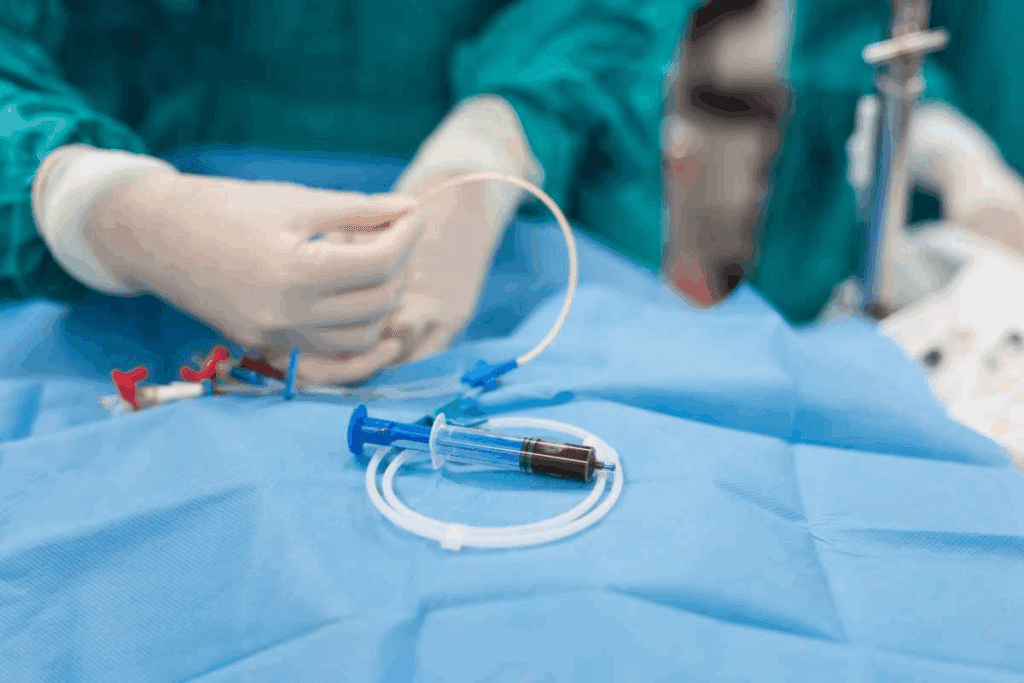
A bypass is a surgery that reroutes blood flow around a blocked or diseased vessel. It’s often used in coronary artery bypass grafting (CABG) to treat coronary artery disease. This disease narrows or blocks the arteries that supply blood to the heart.
It’s important to know the basics of bypass surgery if you’re thinking about it. Simply put, a bypass procedure uses a healthy blood vessel to create a detour around the blocked area. This helps restore normal blood flow.
Definition of Bypass Surgery in Medicine
Bypass surgery is a medical procedure that creates a new path for blood circulation. It does this by grafting a healthy vessel onto the affected artery, bypassing the diseased section. CABG is the most common type of bypass surgery, used for patients with serious coronary artery disease.
How Bypass Procedures Redirect Blood Flow
Bypass procedures redirect blood flow around blocked or narrowed artery segments. The Medical organization explains that coronary artery bypass surgery uses a healthy blood vessel to create a new path for blood to the heart. This improves blood flow and reduces the risk of heart damage and other complications from coronary artery disease.
Understanding how bypass procedures work and their role in treating coronary artery disease helps patients make informed decisions. We’ll dive deeper into CABG and other related topics in the next sections.
Coronary Artery Disease: The Primary Reason for Bypass Surgery
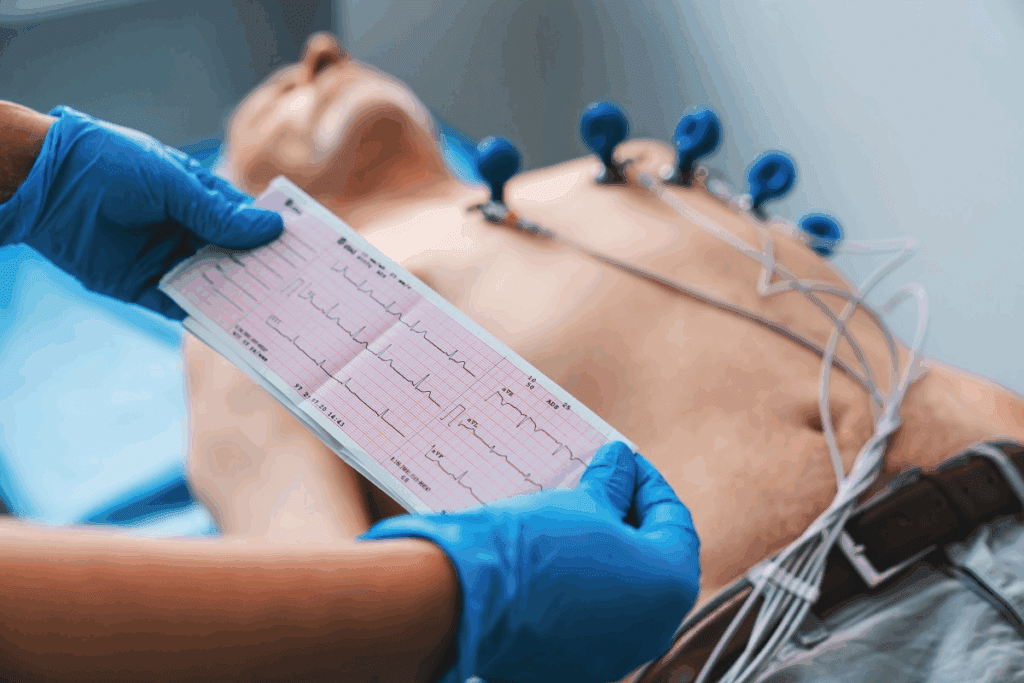
It’s important to know about coronary artery disease. This is because it’s the main reason for needing bypass surgery. CAD happens when the heart’s blood supply arteries get narrowed or blocked by plaque buildup. This can cause heart pain, shortness of breath, and other symptoms.
Understanding Coronary Artery Disease
CAD gets worse over time. Plaque in the heart’s arteries comes from high cholesterol, blood pressure, smoking, diabetes, and family history. As plaque grows, it can harden or burst, causing blood clots that block the artery.
Risk factors for CAD include:
- High levels of low-density lipoprotein (LDL) cholesterol
- Low levels of high-density lipoprotein (HDL) cholesterol
- High blood pressure
- Smoking
- Diabetes
- Obesity
- Physical inactivity
- Unhealthy diet
When Coronary Artery Disease Requires Surgical Intervention
While lifestyle changes and medicines are first, some need surgery. Coronary artery bypass grafting (CABG) is for those with severe CAD not helped by other treatments or complex blockages.
CABG is for patients with:
- Multiple blockages in the coronary arteries
- Blockages in critical areas, such as the left main coronary artery
- Poor response to angioplasty or stenting
- Severe symptoms that significantly impact quality of life
Healthcare providers use this info to choose the best treatment. This might include CABG to improve blood flow to the heart.
CABG Explained: What Does the Abbreviation Mean?
Have you ever wondered what CABG means? It stands for coronary artery bypass grafting. This is a surgery where a healthy blood vessel is grafted onto the heart. It’s done to bypass blocked or narrowed coronary arteries.
Breaking Down the CABG Abbreviation
The CABG abbreviation is for a serious but life-saving surgery. Coronary artery bypass grafting uses a graft from another part of the body. It creates a detour around blocked areas in coronary arteries.
This surgery is mainly for treating coronary artery disease. This disease narrows or blocks the coronary arteries due to atherosclerosis.
History and Development of CABG Procedures
The history of CABG is one of constant improvement. The first CABG was done in the 1960s. It started a new chapter in heart surgery.
Over time, CABG has seen many advancements. These include better surgical techniques, graft choices, and care after surgery.
To grasp the importance of CABG, let’s look at some key facts:
| Aspect | Description | Benefit |
| Primary Purpose | Bypass blocked coronary arteries | Improved blood flow to the heart |
| Graft Sources | Saphenous vein, internal mammary artery, radial artery | Variety of options for grafting |
| Surgical Evolution | From traditional to minimally invasive techniques | Reduced recovery time and scarring |
Knowing the anatomy of CABG is key. Here’s an illustration of the heart and coronary arteries:
In conclusion, CABG is a critical surgery for coronary artery disease. By understanding CABG and its history, patients can see its importance and complexity.
Types of Bypass Grafts Used in Heart Surgery
Bypass grafts are healthy blood vessels taken from other parts of the body. They are used to reroute blood around blocked coronary arteries. The choice of graft depends on the patient’s health, the extent of their disease, and the surgeon’s preference.
We use these grafts to restore blood flow to the heart muscle. This improves the patient’s quality of life and reduces symptoms of coronary artery disease.
Saphenous Vein Grafts from the Leg
The saphenous vein in the leg is a common graft in bypass surgery. It is often taken from the patient’s leg to bypass blocked arteries. Using the saphenous vein graft has been a long-standing practice in CABG procedures.
Internal Mammary Artery Grafts from the Chest
The internal mammary artery in the chest is another preferred graft. It is known for its longevity and resistance to atherosclerosis. Using this graft has been linked to better long-term outcomes in CABG surgery.
Radial Artery Grafts from the Arm
Radial artery grafts from the arm are another option for bypass grafting. While not as common as saphenous vein or internal mammary artery grafts, they can be useful in certain situations. They provide an additional conduit for surgeons.
| Graft Type | Source | Advantages |
| Saphenous Vein Graft | Leg | Readily available, long-standing practice |
| Internal Mammary Artery Graft | Chest | Longevity, resistance to atherosclerosis |
| Radial Artery Graft | Arm | Useful in specific situations, additional conduit option |
In conclusion, choosing the right bypass graft is key in CABG surgery. Each graft has its own benefits. Understanding these options helps us see the complexity and personal touch in heart bypass surgery.
The CABG Procedure: Step-by-Step Process
Coronary artery bypass grafting (CABG) is a surgery that saves lives by rerouting blood to the heart. It needs a skilled team and modern facilities.
Preparation and Anesthesia
The CABG starts with general anesthesia to keep the patient comfortable and pain-free. “General anesthesia is key in CABG,” say cardiac surgeons, “as it helps the team work without stressing the patient.”
After the anesthesia kicks in, the team gets the patient ready. They clean and sterilize the area where the surgery will happen.
Accessing the Heart: Traditional vs. Minimally Invasive Approaches
Traditionally, CABG uses a long chest incision to reach the heart. The surgeon opens the rib cage to see the heart. This method gives a clear view for precise grafting.
But, some might get a minimally invasive CABG with smaller cuts. This choice depends on the patient’s health and disease extent.
Creating and Attaching the Bypass Grafts
The surgeon takes grafts from the body, like the leg vein or chest artery. These grafts are then attached to the heart’s arteries. This bypasses the blocked areas to improve blood flow.
The skill in making and attaching these grafts is critical for CABG success. The team works carefully to ensure the grafts are secure and blood flow is restored.
Single vs. Multiple Bypass Grafts: What the Numbers Mean
Coronary artery bypass grafting (CABG) is a complex surgery. It can involve one or more artery bypass grafts, based on the number of blocked arteries. The American Heart Association says the number of grafts needed depends on how many arteries are blocked. We will explain the difference between single and multiple bypass grafts and how surgeons decide how many are needed.
Understanding Single, Double, Triple, and Quadruple Bypasses
The terms single, double, triple, and quadruple bypass refer to the number of bypass grafts used during CABG surgery.
- A single bypass involves one graft to bypass a blocked artery.
- A double bypass involves two grafts to bypass two blocked arteries.
- A triple bypass involves three grafts to bypass three blocked arteries.
- A quadruple bypass involves four grafts to bypass four blocked arteries.
The surgery’s complexity increases with the number of grafts needed. A renowned cardiac surgeon said,
“The more grafts required, the more challenging the procedure, but also the more significant the benefit for the patient in terms of improved heart function and reduced symptoms.”
How Surgeons Determine the Number of Grafts Needed
Surgeons decide on the number of grafts based on the extent of coronary artery disease and the number of blocked arteries. Tests like angiograms help find out where and how bad the blockages are.
During surgery, the team looks at the patient’s heart anatomy. They then choose the best number and placement of grafts.
Preparing for CABG Surgery: What Patients Should Know
CABG surgery needs careful preparation. This includes tests, adjusting medications, and getting mentally and physically ready. Being well-prepared can greatly improve your surgery’s success and recovery.
Pre-Surgical Testing and Evaluation
Before CABG surgery, patients must go through several tests. These tests check their health and heart condition. They might include blood work, ECGs, echocardiograms, and stress tests.
“These tests give a full picture of your health,” says Dr. John Smith, a top cardiothoracic surgeon. “This helps your healthcare team plan the surgery just for you.”
We suggest patients bring a list of their medications, allergies, and questions to the testing facility. This helps during the pre-surgical consultation.
Medication Adjustments Before Surgery
Changing medications is a key part of getting ready for surgery. Patients might need to stop or change some medications to avoid bleeding or other problems. “It’s vital to follow your healthcare provider’s advice on medication changes,” says Dr. Jane Doe, a cardiologist.
We tell patients to tell their healthcare team about all medications they’re taking. This includes over-the-counter drugs, supplements, and herbal remedies. This helps your healthcare providers make the best decisions about your medications before surgery.
Mental and Physical Preparation
Mental and physical preparation is as important as medical preparation. We suggest patients do stress-reducing activities like meditation or yoga. They should also follow any exercise or diet advice from their healthcare team to get in the best shape before surgery.
Key steps to prepare mentally and physically include:
- Following a healthy diet as recommended by your healthcare provider
- Engaging in approved physical activities to maintain or improve your physical condition
- Practicing stress-reduction techniques
- Ensuring you have a support system in place for recovery
By focusing on these areas, patients can greatly improve their readiness for CABG surgery. This sets them up for a successful recovery.
Recovery After Heart Bypass Surgery
After heart bypass surgery, patients start a key recovery phase. This includes immediate care and long-term rehab. This process is vital for the best results and a better life quality.
Immediate Post-Operative Care
The recovery starts in the ICU, where patients get constant care. Immediate post-operative care watches vital signs, manages pain, and helps with breathing. Patients often have a breathing tube, which is removed a few hours post-surgery.
This early time can be tough, but our team offers caring support. Once patients are stable, they move to a step-down unit for more recovery.
Hospital Recovery Timeline
Most patients stay in the hospital for 5 to 7 days after CABG. We manage pain, prevent issues, and teach post-op care. Our team ensures patients are ready for home.
- Monitoring for complications
- Pain control with meds
- Slow movement to avoid blood clots
- Teaching wound care and future visits
Long-Term Recovery and Rehabilitation
Long-term recovery and rehab are key to healing. We suggest a structured rehab plan to build strength and heart health. This includes exercise, diet changes, and stress management.
Rehabilitation programs are made for each patient. They may include exercise, nutrition advice, and emotional support. Our aim is for patients to fully recover and live normally again.
By sticking to the recovery and rehab plan, patients can greatly improve their health. We support our patients every step of the way, providing the help and advice they need for a successful recovery.
Effectiveness and Outcomes of CABG Surgery
Coronary artery bypass grafting (CABG) is a top choice for treating heart disease. It has led to better patient results and a better life quality.
Success Rates and Survival Statistics
Research shows CABG surgery boosts survival for those with severe heart disease. Recent data shows it beats medication alone in survival rates.
The surgery’s success is measured by graft patency and need for more surgeries. High graft patency rates are key for lasting success. We use the latest techniques and materials to achieve these rates.
Quality of Life Improvements
Most patients see a big boost in their life quality after CABG surgery. They can do normal activities again, and some stay symptom-free for years. The Medical organization says, “After recovering from coronary artery bypass surgery, most people feel better.”
“The improvement in quality of life after CABG surgery is substantial, with many patients experiencing a significant reduction in symptoms related to coronary artery disease.”
Lifestyle Changes for Long-Term Success
To get the most from CABG surgery, patients need to make healthy lifestyle changes. This includes:
- Following a heart-healthy diet
- Engaging in regular physical activity
- Quitting smoking
- Managing stress
- Adhering to prescribed medication regimens
By adopting these changes, patients can greatly improve their long-term health. We help our patients with the support and guidance they need for a successful recovery.
Risks and Complications of CABG Surgery
It’s important for patients to know the risks of CABG surgery. This surgery is a lifesaver for many but is a big operation. It comes with serious risks and possible complications.
CABG surgery, like any big surgery, has risks. These risks can happen right after the surgery or later. Knowing about these risks helps patients make good choices about their treatment.
Common Short-Term Complications
Short-term complications happen during or right after surgery. Some common ones include:
- Bleeding and the need for blood transfusions
- Infection at the chest wound or graft site
- Heart attack or stroke from blood clots
- Respiratory issues needing long-term ventilation support
These complications can be very serious. But, thanks to better surgery and care, they happen less often now.
Potential Long-Term Complications
Long-term complications can happen months or years after surgery. Some include:
- Graft failure or blockage
- Return of angina symptoms
- Need for more surgeries
- Cognitive issues or memory problems
Long-term complications can really affect a patient’s life. It’s key to see doctors regularly to catch and manage these issues.
Risk Factors That Increase Complication Rates
Some risk factors can make complications more likely after CABG surgery. These include:
| Risk Factor | Description | Impact on CABG Outcomes |
| Age | Being over 70 | Higher risk of death and serious problems |
| Diabetes | Having diabetes | More risk of infection and graft failure |
| Smoking | Smoking now or recently | More risk of breathing and heart problems |
| Renal Dysfunction | Having kidney disease | More risk of kidney failure after surgery |
Knowing these risk factors helps doctors prevent and watch for problems. This way, we can make CABG safer and better for patients.
Knowing about CABG surgery’s risks helps patients prepare. It’s vital to talk about personal risks and worries with doctors.
Conclusion: The Future of Bypass Surgery and Heart Disease Treatment
Looking ahead, bypass surgery and heart disease treatment will see big improvements. New grafting methods and better cardiac rehab programs will help patients a lot. These changes will make life better for those who have CABG.
It’s key to have a supervised cardiac rehab program, like the Medical organization suggests. This helps patients get their heart health back on track after surgery. With these advances and lifestyle changes, patients can live better and avoid future problems.
The future of bypass surgery looks bright, thanks to ongoing research and new ideas. We’re always working to make surgery better and care for patients top-notch. Our goal is to provide the best healthcare, supporting patients from all over the world.
FAQ
What is CABG surgery?
CABG stands for coronary artery bypass grafting. It’s a surgery where a healthy blood vessel is grafted onto the heart. This bypasses blocked or narrowed coronary arteries.
What is coronary artery disease?
Coronary artery disease happens when arteries to the heart get narrowed or blocked. This is due to plaque buildup. It can lead to heart attacks or serious complications.
Why is CABG surgery performed?
CABG surgery is done to improve blood flow to the heart. It helps areas not getting enough oxygen and nutrients. This improves survival rates and quality of life.
What types of grafts are used in CABG surgery?
In CABG surgery, grafts come from different parts of the body. These include the leg, chest, and arm. Each has its own benefits.
How is the number of grafts needed determined?
The number of grafts needed depends on the extent of coronary artery disease. Surgeons assess the patient’s condition. They decide on single, double, triple, or quadruple bypasses.
What is the recovery process like after CABG surgery?
Recovery starts with immediate care in the ICU. It includes a hospital stay and long-term rehabilitation. Patients are guided through each phase.
What are the risks and complications associated with CABG surgery?
CABG is a life-saving procedure but carries risks. These include complications from surgery, anesthesia, and post-operative care. Certain factors can increase these risks.
How effective is CABG surgery in improving quality of life?
CABG surgery improves survival rates and reduces symptoms. It enhances quality of life for many patients. Cardiac rehabilitation and lifestyle changes are key for long-term success.
What preparations are necessary before undergoing CABG surgery?
Preparations include pre-surgical testing and medication adjustments. Patients also need to mentally and physically prepare for surgery and recovery.
What advancements are being made in CABG surgery and heart disease treatment?
Advances in CABG surgery and heart disease treatment are ongoing. These include better surgical techniques and grafting methods. The focus is on long-term health through cardiac rehabilitation and lifestyle changes.
References
- Hawkes, A. L., Lo, S. K., & Tunstall-Pedoe, H. (2006). Outcomes of coronary artery bypass graft surgery. PubMed Central (PMC). https://www.ncbi.nlm.nih.gov/pmc/articles/PMC1994021/
- Delimanoli, E., Muurlink, O., Myrianthefs, P., & Korompeli, A. (2024). Cardiac rehabilitation after open heart surgery: A narrative systematic review. Journal of Cardiovascular Development and Disease, 11(11), 376.https://www.mdpi.com/2308-3425/11/11/376
- Pezeshki, P. S., et al. (2023). 7-Year outcomes in diabetic patients after coronary artery bypass graft surgery. BMC Cardiovascular Disorders. https://bmccardiovascdisord.biomedcentral.com/articles/10.1186/s12872-023-03279-8 BioMed Centr