In the United States, over 300,000 lumbar surgeries happen every year. Knowing about cadaver bone grafts is key. At Liv Hospital, we focus on our patients and follow strict rules. This makes cadaver bone grafts a reliable choice for spinal fusion surgery.
Key Takeaways
- Cadaver bone grafts support weight-bearing and promote new bone growth.
- Over 300,000 lumbar surgeries are performed annually in the United States.
- Liv Hospital uses a patient-centered approach and rigorous standards.
- Cadaver bone grafts are a trusted solution in spinal fusion surgery.
- We use bone grafts to repair and rebuild damaged or unstable areas.
Understanding Spinal Fusion Surgery
Spinal fusion is a surgery that stabilizes the spine. It’s often needed for serious conditions. The goal is to join vertebrae together to ease pain and improve stability.
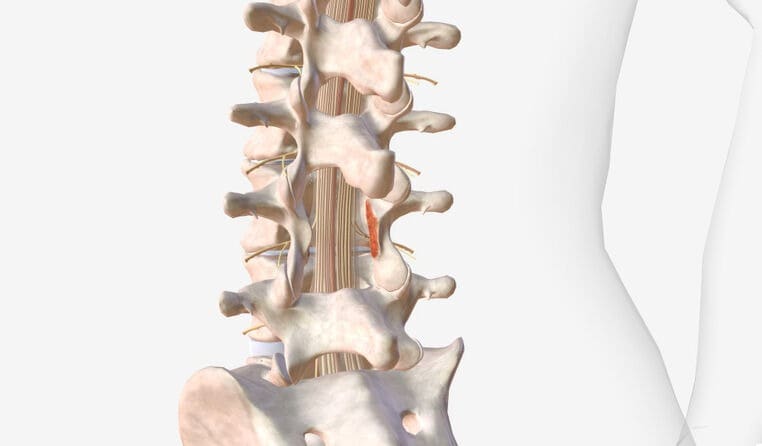
Common Conditions Requiring Spinal Fusion
Several spinal issues may lead to the need for spinal fusion surgery. These include:
- Degenerative Disc Disease: When spinal discs lose their cushioning, causing pain and instability.
- Spondylolisthesis: A condition where a vertebra slips over another, leading to nerve compression and pain.
- Spinal Stenosis: Narrowing of the spinal canal, putting pressure on the spinal cord and nerves.
- Scoliosis: An abnormal spine curvature that can cause discomfort and breathing issues.
Goals of Spinal Fusion Procedures
The main aims of spinal fusion surgery are:
- Restoring Vertical Space: To re-establish normal spacing between vertebrae, relieving nerve pressure.
- Pain Relief: To reduce chronic pain caused by spinal instability or nerve compression.
- Stabilizing the Spine: To fuse vertebrae together, preventing further degeneration or injury.
By achieving these goals, spinal fusion surgery can greatly improve patients’ lives. The use of bone grafts, including cadaver bone grafts, is key in the fusion process.
The Role of Spinal Fusion Bone Grafts
Bone grafts are key to spinal fusion surgery success. They serve as a scaffold for new bone growth. Bone grafts treat injuries and diseases, with four main uses: for fractures, fusion, regeneration, and implanted devices.
Why Bone Grafts Are Necessary
Bone grafts are essential for spinal fusion. They provide a biological framework for new bone formation. This is vital for a successful fusion between vertebrae.
Without bone grafts, the spine may not stabilize properly. This could lead to complications or fusion failure.
In bone graft lumbar fusion, grafts stabilize the lumbar spine. Cadaver bone or bone graft from cadaver is often used due to its availability and compatibility.
How Bone Grafts Promote Fusion
Bone grafts promote fusion by providing a matrix for new bone cells to grow into. This process, known as osteoconduction, allows the graft to serve as a conduit for bone growth. Bone grafts also contain osteoinductive factors that stimulate bone formation.
The effectiveness of bone grafts in promoting fusion is evident in various spinal fusion surgeries. The table below summarizes the key aspects of bone grafts in spinal fusion:
| Type of Bone Graft | Source | Advantages |
| Autograft | Patient’s own bone | High fusion success rate, no risk of disease transmission |
| Allograft | Cadaver bone | Availability, reduced operating time, no donor site pain |
| Synthetic | Artificial materials | No risk of disease transmission, customizable |
Understanding bone grafts’ role in spinal fusion is crucial. They provide a scaffold for new bone growth and promote fusion. This makes bone grafts vital for spinal fusion surgery success.
What Is Cadaver Bone and Where Does It Come From?
It’s important to know where cadaver bone comes from for those thinking about spinal fusion. Cadaver bone, or allograft, comes from human donors. It helps in spinal surgery to make bones fuse together.
Definition of Cadaver Bone (Allograft)
Cadaver bone, or allograft, is bone taken from a donor after they pass away. It’s then cleaned and sterilized for spinal fusion surgeries. Using allografts means no need for taking bone from the patient, which can avoid complications.
Donor Selection and Screening Process
Choosing and checking donors is key to safe cadaver bone grafts. Donors are looked at for their health history. The bone is tested for diseases. This careful process lowers the chance of disease passing to the person getting the graft.
Tissue Banking and Processing
After donation, the bone goes to a tissue bank for cleaning and storage. Banks follow strict rules to keep the bone safe and effective. The bone is cleaned, disinfected, and sometimes shaped for surgery.
Safety Protocols and Testing
Keeping the bone safe is top priority. The bone is tested for diseases like HIV and hepatitis. It’s also sterilized to kill germs without harming its structure.
Knowing about cadaver bone helps patients decide on spinal fusion. Cadaver bone grafts are a safe and reliable option for spinal surgery, alongside using the patient’s own bone.
Types of Bone Grafts Used in Spine Fusion
Bone grafts are key in spine fusion surgeries. Surgeons have many options to choose from. The right bone graft depends on the patient’s health, the surgeon’s choice, and the surgery’s needs.
Autografts (Patient’s Own Bone)
Autografts come from the patient’s own body. They are the top choice for spine fusion. They heal well because they have living cells and growth factors that help bone grow.
The iliac crest is often used for autografts. But, other areas can be chosen based on the patient and surgeon. Autografts are great for fusion but can cause pain and are limited.
Allografts (Cadaver Bone)
Allografts come from cadavers. They are safe because they are processed and sterilized to prevent disease. They come in different forms, like morselized grafts, used in spine surgery.
Allografts are easy to get and don’t cause donor site pain. But, they might not fuse as well as autografts. A study showed allografts work well in spine surgery as noted in this research paper.
Synthetic Bone Graft Substitutes
Synthetic bone graft substitutes are another option. They are made from materials like ceramics and polymers. They are available and safe because they don’t carry disease risks.
But, how well they work can vary. Some are used with other grafts to improve their performance.
Comparison of Different Graft Types
When looking at bone grafts, several things matter. Autografts are the best for fusion but are limited. Allografts are a good choice but might not fuse as well. Synthetic grafts are versatile and safe but their success can vary.
- Autografts: High fusion potential, limited availability, donor site pain
- Allografts: Good fusion potential, available, no donor site pain
- Synthetic Grafts: Variable efficacy, unlimited availability, safe
In conclusion, choosing a bone graft for spine fusion is complex. It depends on the patient’s needs, the surgeon’s skills, and the surgery’s specifics. Understanding each graft’s pros and cons helps healthcare providers make the best choice for patients.
Cadaver Bone Graft Preparation and Processing
Before using cadaver bone grafts in spine surgery, they go through a detailed process. This ensures they are safe and work well for spinal fusion.
Sterilization Methods
It’s key to sterilize cadaver bone grafts to remove harmful pathogens. We use several methods, including:
- Gamma Radiation: This kills bacteria and viruses by damaging their DNA.
- Chemical Sterilization: Chemicals are used to clean the bone grafts, making them safe from infections.
- Freeze-Drying: This method keeps the bone intact and lowers disease risk.
These methods are tested to make sure they work well and keep the bone grafts strong.
Preservation Techniques
Keeping cadaver bone grafts viable and strong is crucial. We use:
- Freezing: This keeps the bone at very low temperatures.
- Freeze-Drying (Lyophilization): This removes water, making storage easier and reducing rejection risk.
These methods help us store the bone grafts for a long time without losing quality.
Forms of Cadaver Bone Used in Spine Surgery
Cadaver bone grafts come in different forms for various surgical needs. These include:
- Cancellous Bone: This spongy, porous bone helps it integrate faster.
- Cortical Bone: Stronger and denser, it offers structural support.
- Corticocancellous Bone: It combines the benefits of both types.
Knowing the different forms helps surgeons pick the best for each patient.
The Cadaver Bone Graft Procedure in Spinal Fusion
The cadaver bone graft procedure is key in spinal fusion surgery. It helps stabilize and fuse vertebrae together. Bone grafts from donors are used to aid in this process.
Surgical Techniques
Spinal fusion surgery using cadaver bone grafts varies by procedure and patient condition. The Anterior Lumbar Interbody Fusion (ALIF) surgery is common. It removes the spinal disc and replaces it with a bone-filled spacer.
Other techniques like Posterior Lumbar Interbody Fusion (PLIF) or Transforaminal Lumbar Interbody Fusion (TLIF) are also used. Each has its own benefits and is chosen based on the patient’s needs.
Placement of Allografts
Placing allografts in spinal fusion surgery needs precision. The allograft is shaped to fit the patient’s anatomy. It’s placed in the disc space or along the spine’s posterior elements.
In ALIF, the allograft fills a cage in the disc space. This maintains disc height and supports bone growth.
Combination with Hardware (Screws, Rods, Cages)
Cadaver bone grafts are often used with hardware like screws, rods, and cages. This hardware adds stability to the spine during fusion. It keeps the spine aligned and the bone graft in place.
Using hardware with cadaver bone grafts improves fusion rates and outcomes. The table below shows common hardware used:
| Type of Hardware | Function | Benefits |
| Screws | Provide fixation and stability | Enhance fusion rates, improve spinal alignment |
| Rods | Stabilize the spine, correct deformity | Improve spinal stability, promote fusion |
| Cages | Maintain disc height, provide scaffold for fusion | Restore natural disc height, promote bone growth |
A leading spine surgeon notes, “Cadaver bone grafts with modern hardware have changed spinal fusion surgery. They offer patients a reliable way to achieve successful fusion and better outcomes.”
“The use of allografts in spinal fusion has become a cornerstone of our practice, providing a safe and effective means of promoting bone fusion.”
A Spine Surgeon
Spinal fusion surgery can seem scary. But with new techniques and cadaver bone grafts, patients can get successful fusion and better lives.
Bone Graft Lumbar Fusion Specifics
Bone graft lumbar fusion is a complex surgery that needs a deep understanding of the lumbar spine. This part of the spine bears weight and must be treated with care during surgery.
Unique Considerations for Lumbar Spine
The lumbar spine has special features that affect the success of bone graft fusion. Its weight-bearing role means the graft must be strong. We look at the patient’s health, the spine’s condition, and the fusion’s needs.
Weight-Bearing Capabilities
Cadaver bone grafts for lumbar fusion are picked for their strength. The structural integrity of these grafts is key for the lumbar region’s stresses. Our surgeons check the graft’s density and design for successful fusion.
Success Rates in Lumbar Procedures
Lumbar fusion with cadaver bone grafts has good success rates. Many patients see successful fusion and symptom relief. We keep track of results to improve our care.
Common Approaches (ALIF, PLIF, TLIF)
There are several ways to do lumbar fusion, like ALIF, PLIF, and TLIF. Each has its own use and benefits. Our surgeons pick the best method for each patient.
With over 300,000 lumbar fusions done each year in the U.S., it’s a common fix for spine issues. Understanding bone graft lumbar fusion helps us see its complexity and the need for the right graft and approach.
Benefits of Using Cadaver Bone for Spine Fusion
Cadaver bone grafts are gaining popularity in spinal fusion. They offer many benefits. We’ll look into these advantages to see why they’re a top choice for surgeons and patients.
Elimination of Donor Site Pain
One big plus of cadaver bone grafts is no donor site pain. The bone comes from a donor, not the patient. This means no extra surgery site, less pain, and less discomfort after surgery.
Reduced Operating Time
Using cadaver bone grafts also makes surgery faster. Surgeons don’t have to take bone from the patient. This means they can focus on the fusion, making the surgery quicker. A shorter surgery time means less anesthesia and possibly fewer risks.
Unlimited Supply
Cadaver bone grafts have an unlimited supply. This is different from autografts, which are limited by the patient’s bone. Surgeons always have the graft material they need, without the limits of autografts.
Structural Advantages
Cadaver bone grafts also offer strong support for spinal fusion. They come in various shapes and sizes. This allows for a custom fit for each patient. The strength of allografts can help create a stronger fusion, leading to better results for patients.
In summary, cadaver bone grafts have many benefits for spine fusion. They reduce pain, shorten surgery time, offer a constant supply, and provide strong support. These advantages make cadaver bone grafts a great choice for both surgeons and patients.
- Cadaver bone grafts eliminate the need for a second surgical site, reducing patient discomfort.
- They offer a readily available supply, streamlining the surgical process.
- The structural integrity of cadaver bone grafts supports successful spinal fusion.
Potential Risks and Complications
Cadaver bone grafts are a valuable option for spinal fusion. However, they come with potential risks. It’s important to understand these complications.
Disease Transmission Concerns
One major concern is the risk of disease transmission. Although the risk is low, it’s not zero. “The risk of viral transmission, such as HIV or hepatitis, is estimated to be about 1 in 1.6 million,” studies say. We follow strict protocols to reduce this risk, including thorough screening and testing of donors.
Immune Response Issues
Cadaver bone grafts can trigger an immune response. This happens because the body sees the graft as foreign. Modern processing has lowered the chance of this reaction. Still, we consider it when choosing a cadaver graft for a patient.
Fusion Failure Rates
Fusion failure is another complication. It happens when the bone doesn’t integrate properly. Success depends on the patient’s health, graft quality, and surgery technique. We aim to minimize this risk by carefully selecting patients and planning surgeries.
Comparison to Autograft Complications
Comparing cadaver bone grafts to autografts (the patient’s own bone) is key. Autografts can cause pain and complications at the donor site. Cadaver grafts avoid this but have their own risks. “The choice between cadaveric and autograft bone for spinal fusion depends on various factors,” spinal surgeons say.
We consider these factors to choose the best grafting option for each patient. This ensures they get the best care for their spinal fusion needs.
Recovery and Healing After Cadaver Bone Graft Spinal Fusion
Understanding the recovery and healing process is vital for patients who have undergone cadaver bone graft spinal fusion. The recovery period is crucial for achieving optimal results and ensuring the long-term success of the surgery.
Timeline for Bone Integration
The timeline for bone integration after cadaver bone graft spinal fusion can vary among individuals. Generally, the initial healing phase lasts several weeks, during which the body begins to integrate the grafted bone.
We typically see significant progress in bone integration within 3 to 6 months post-surgery. However, complete fusion may take up to a year or more in some cases.
Post-Operative Care
Proper post-operative care is essential for a smooth recovery. Patients are usually advised to:
- Rest and avoid high-impact activities for several weeks to months
- Follow a medication regimen as prescribed by their healthcare provider
- Attend follow-up appointments to monitor the healing process
Adhering to these guidelines helps minimize complications and supports the healing process.
Physical Therapy and Rehabilitation
Physical therapy plays a crucial role in the recovery process after cadaver bone graft spinal fusion. A tailored rehabilitation program helps patients regain strength, flexibility, and mobility.
We recommend that patients work with a physical therapist to develop a personalized exercise plan. This plan is designed to:
- Improve range of motion
- Strengthen the muscles supporting the spine
- Enhance overall physical function
Signs of Successful Fusion
Successful fusion is indicated by several key signs, including:
- Reduced pain and discomfort
- Improved mobility and function
- Radiographic evidence of bone fusion on imaging studies
We monitor these signs through regular follow-up appointments and imaging studies to confirm the success of the fusion.
Here’s a summary of the recovery timeline and key milestones:
| Timeframe | Recovery Milestones |
| 0-6 weeks | Initial healing, pain management, and gradual return to light activities |
| 6-12 weeks | Increased mobility, strengthening exercises, and progression to more strenuous activities |
| 3-6 months | Significant bone integration, improved function, and continued rehabilitation |
| 6-12 months | Further consolidation of fusion, return to most normal activities |
Conclusion
We’ve looked into how cadaver bone grafts are key in spinal fusion surgery. This method is safe and works well to help bones fuse together. It’s especially useful in spinal surgeries.
Cadaver bone grafts have many benefits. They don’t cause pain at the donor site, save time in surgery, and are always available. These points make them a good choice for spinal fusion surgery.
Even though there are risks, like disease transmission, they are very low. This is because donors are carefully checked and the tissue is processed well. Taking good care after surgery and doing physical therapy is also crucial for success.
To wrap it up, cadaver bone grafts are very important in spinal fusion surgery. They help bones fuse and improve patient results. As orthopedic surgery gets better, using cadaver bone grafts will likely keep being a big part of spinal fusion.
FAQ
What is a cadaver bone graft?
A cadaver bone graft, also known as an allograft, comes from a deceased donor. It’s used to support weight-bearing and promote new bone growth between vertebrae during spinal fusion surgery.
How is cadaver bone obtained and processed?
Cadaver bone is obtained from donors who have undergone rigorous screening and testing. This ensures the safety and efficacy of the graft. The bone is then processed and sterilized to eliminate pathogens and preserve its integrity.
What are the benefits of using cadaver bone grafts in spinal fusion?
Cadaver bone grafts offer several benefits. They eliminate donor site pain, reduce operating time, and provide an unlimited supply of graft material. They also offer structural advantages that promote successful fusion.
What are the potential risks and complications associated with cadaver bone grafts?
Potential risks include disease transmission concerns and immune response issues. However, the risk of disease transmission is extremely low due to rigorous screening and testing.
How long does it take for the bone to integrate after a cadaver bone graft spinal fusion?
Bone integration varies, but it usually takes several months. Post-operative care and physical therapy are crucial for successful fusion.
What is the success rate of lumbar fusion procedures using cadaver bone grafts?
The success rate of lumbar fusion procedures using cadaver bone grafts is generally high. Studies show successful fusion rates in a significant majority of patients.
What are the different types of bone grafts used in spine fusion?
There are different types of bone grafts used in spine fusion. These include autografts (the patient’s own bone), allografts (cadaver bone), and synthetic bone graft substitutes. Each type has its advantages and disadvantages.
How is cadaver bone graft used in spinal fusion surgery?
Cadaver bone graft is used to provide a scaffold for new bone growth. It promotes fusion between vertebrae. It’s often used with hardware like screws, rods, and cages to stabilize the spine.
What are the common surgical approaches used for lumbar fusion?
Common surgical approaches include ALIF (Anterior Lumbar Interbody Fusion), PLIF (Posterior Lumbar Interbody Fusion), and TLIF (Transforaminal Lumbar Interbody Fusion). Each approach has its unique considerations and advantages.
What is the role of physical therapy and rehabilitation after cadaver bone graft spinal fusion?
Physical therapy and rehabilitation are crucial after spinal fusion surgery. They promote successful fusion and help patients recover. A well-structured rehabilitation program can improve outcomes and reduce complications.
Reference links:
“Allografts and Spinal Fusion” — PMC article reviewing the use of bone allografts (cadaver bone grafts) in spinal fusion surgery. https://pmc.ncbi.nlm.nih.gov/articles/PMC8092936/ PMC
“A systematic review and meta-analysis of fusion rate enhancements and bone graft options for spine surgery” — compares autograft, allograft, synthetic in spinal fusion outcomes. https://www.nature.com/articles/s41598-022-11551-8 Nature
“A systematic review of bone graft products used in lumbar interbody fusion” — review of graft materials for lumbar fusion specifically. https://www.nassopenaccess.org/article/S2666-5484%2824%2900272-5/fulltext