
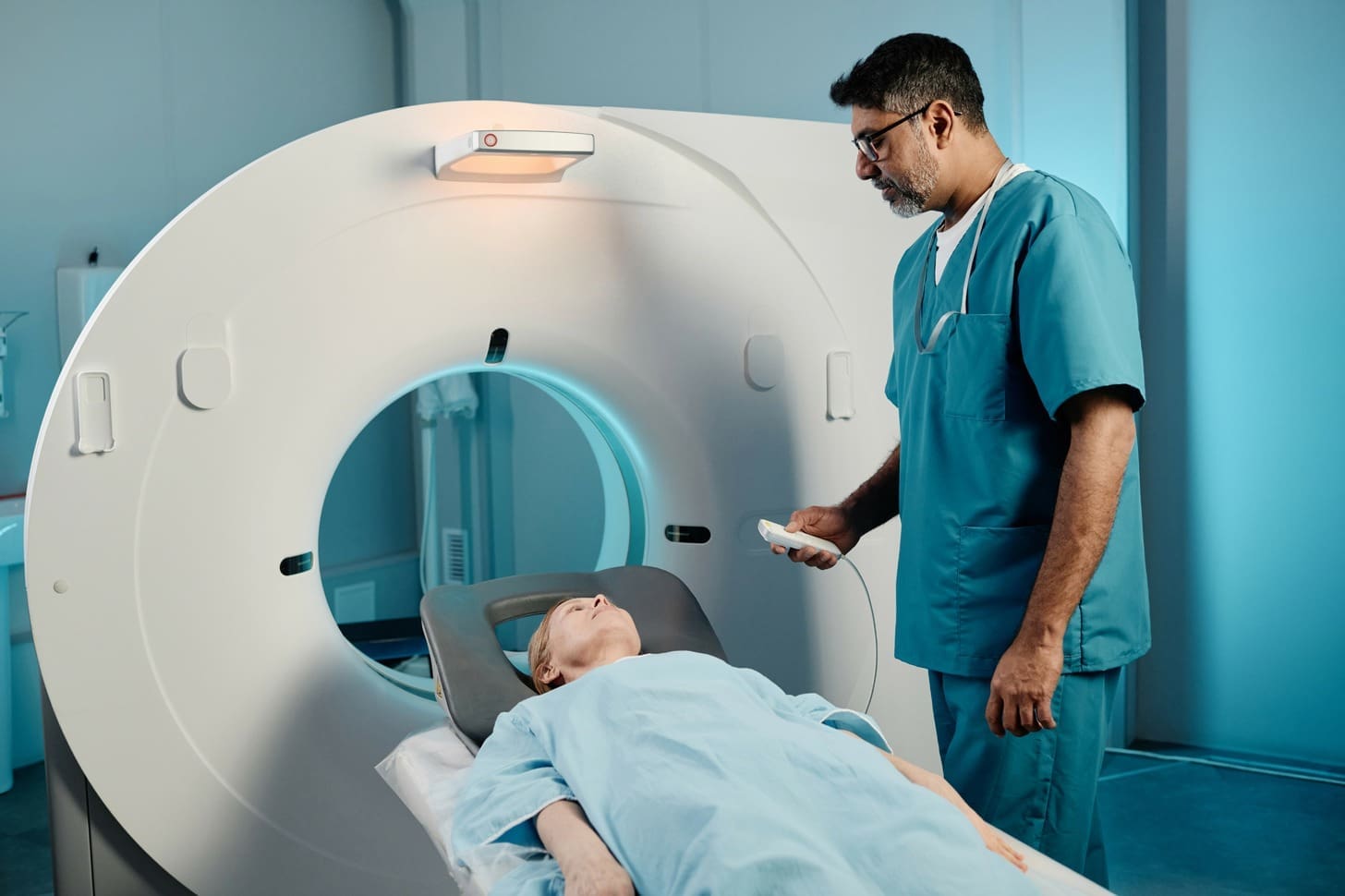
At Liv Hospital, we use the latest imaging tech and focus on our patients. A CT cardiac angiogram is a noninvasive test. It uses CT scans and dye to see the heart’s arteries and structures. This helps us understand the heart better and treat problems well.
Our facilities are top-notch, and we follow the latest medical standards. A study on Nature.com shows CT cardiac angiograms are very helpful. They help us plan treatments and diagnose heart issues.
Key Takeaways
- CT cardiac angiogram is a noninvasive procedure using computed tomography technology.
- It provides detailed images of the coronary arteries and heart structures.
- Liv Hospital prioritizes up-to-date academic protocols and patient-centered care.
- The procedure is key for diagnosing and treating heart conditions effectively.
- Advanced imaging tech improves patient outcomes and experience.
Understanding CT Cardiac Angiogram

We use CT cardiac angiogram technology to get clear images of the heart. This helps find coronary artery disease. It’s a key tool in cardiology, showing how the heart works and its shape.
Definition and Purpose
A CT cardiac angiogram, or CTCA scan, is a test that doesn’t hurt. It uses X-rays to show the heart and blood vessels. Its main goal is to spot coronary artery disease and check the heart’s health.
The CTCA scan helps find blockages in the heart’s arteries. These can cause heart attacks. It gives doctors clear images to plan treatments.
Evolution of Cardiac Imaging Technology
Cardiac imaging has grown a lot, with the cardiac angiogram CT scan leading the way. New CT scanners match images with the heart’s rhythm. This cuts down on blurry images and makes pictures clearer.
This change has made cardiology better. Doctors can now find and treat heart problems sooner. Early detection of heart disease also lowers the chance of heart attacks.
Key Components of the Procedure
The ct coronary angiogram procedure uses CT tech and contrast dye. The dye is given through an IV to make the heart’s arteries stand out.
The CT machine takes pictures of the heart from many angles. These pictures are put together to show the heart’s layout. The whole thing is done quickly, making it easy for patients.
Who Needs a CT Cardiac Angiogram

Knowing who needs a CT cardiac angiogram is key for catching heart disease early. We look at symptoms, risk factors, and medical history to decide.
Common Symptoms Requiring Evaluation
Some symptoms mean you might need a CT cardiac angiogram. These include:
- Chest pain or discomfort, known as angina
- Shortness of breath during physical activity or at rest
- Pain or discomfort in the arms, back, neck, jaw, or stomach
- Fatigue or feeling unusually tired
If you’re feeling any of these symptoms, talk to your doctor right away.
Risk Factors for Coronary Artery Disease
Some things can raise your risk for coronary artery disease. A CT cardiac angiogram can help find these issues. These include:
- Family History: Heart disease in your family raises your risk.
- Smoking: Smoking harms your heart and increases disease risk.
- High Blood Pressure: High blood pressure can narrow and harden arteries.
- High Cholesterol: Too much LDL (bad) cholesterol can cause artery blockages.
- Diabetes: Diabetes can damage heart blood vessels and nerves.
Physician Referral Guidelines
You usually need a doctor’s referral for a CT cardiac angiogram. Doctors look at symptoms, risk factors, and test results to decide.
Talk to your doctor about your risk factors and symptoms. They can tell if a CT cardiac angiogram is needed for you.
How a CT Cardiac Angiogram Differs from Other Cardiac Tests
A CT cardiac angiogram is a powerful tool for heart health. It uses X-rays to create detailed images of the heart and arteries. This gives a full view of the heart’s structure and function.
Comparison with Traditional Angiography
Traditional angiography uses a catheter to see the heart’s arteries. It’s invasive and has risks. On the other hand, a CT cardiac angiogram is non-invasive. It uses X-rays and computer tech for detailed images.
Choosing a CT cardiac angiogram means less risk and quicker recovery. It also spots heart conditions like coronary artery disease and structural issues.
Differences from Stress Tests and Echocardiograms
Stress tests and echocardiograms check heart health in different ways. Stress tests watch the heart under stress, and echocardiograms use sound waves. But a CT cardiac angiogram gives a closer look at the arteries.
It can find blockages or issues not seen by stress tests or echocardiograms. This makes it great for finding coronary artery disease and other blood vessel problems.
Advantages over Other Diagnostic Methods
CT cardiac angiograms have many benefits. They’re non-invasive and provide detailed images for accurate diagnosis. Plus, the procedure is quick, taking just a few minutes.
- Non-invasive: No need for catheters or surgical incisions.
- Detailed imaging: Provides clear views of the heart and coronary arteries.
- Quick recovery: Patients can typically resume normal activities immediately.
- Accurate diagnosis: Helps detect a range of heart conditions, including coronary artery disease.
Knowing how a CT cardiac angiogram differs from other tests helps make better choices. Patients and doctors can pick the best test for each situation.
Medical Conditions Diagnosed with CTCA Scans
The CT heart coronary angiogram is a key tool for diagnosing heart conditions. It’s a non-invasive method that shows the heart’s structure and function. This helps doctors spot many heart diseases.
Coronary Artery Disease Detection
CTCA scans are mainly used to find coronary artery disease (CAD). CAD happens when plaque builds up in arteries, which can lead to heart attacks. The scan shows blockages, helping doctors treat them early.
Studies show that finding CAD early with CTCA scans can greatly improve patient care. For example, a study in a top medical journal showed early detection can prevent heart problems.
Structural Heart Abnormalities
CTCA scans also help find structural heart abnormalities. These include hypertrophic cardiomyopathy (HCM), a major cause of sudden death in young athletes. The scans give clear images of the heart, helping spot problems.
- Hypertrophic cardiomyopathy (HCM)
- Arrhythmogenic right ventricular cardiomyopathy (ARVC)
- Other structural abnormalities
Congenital Heart Defects
CTCA scans are also key for diagnosing congenital heart defects. These defects are present at birth and can affect the heart’s walls, valves, or blood vessels. The scans provide detailed images for diagnosis and treatment planning.
“The use of CTCA scans in diagnosing congenital heart defects has revolutionized the field of cardiology, enabling precise diagnosis and effective treatment planning.”
Other Cardiac Conditions
CTCA scans can also diagnose other heart diseases, like cardiac tumors and pericardial diseases. The CT heart coronary angiogram is a vital tool in cardiology today.
Using CTCA scans, doctors can give better care to patients with heart conditions. The CT cardiac angiogram coronary procedure is essential for improving heart health.
Preparing for Your CT Cardiac Angiogram Procedure
Learning about the CT Cardiac Angiogram prep can make you feel less anxious and improve your results. We’ll walk you through the steps to make your procedure smooth and successful.
Pre-Procedure Instructions
We give you specific instructions before your CT Cardiac Angiogram. It’s very important to follow these steps to get the best results.
- Arrive at least 30 minutes before your scheduled appointment time.
- Remove any metal objects, such as jewelry, glasses, or clothing with metal parts.
- Wear comfortable clothing and avoid wearing anything with metal.
Dietary and Medication Guidelines
Before your CT Cardiac Angiogram, you might need to follow certain dietary and medication guidelines. We recommend following our instructions about eating and drinking before the procedure.
| Guideline | Instruction |
|---|---|
| Fasting | Avoid eating and drinking for at least 4 hours before the procedure. |
| Caffeine | Avoid consuming caffeine for at least 12 hours before the scan. |
| Medications | Tell us about your medications; we might ask you to adjust or stop some. |
What to Bring on the Day
Here’s what to bring on the day of your CT Cardiac Angiogram:
- Your identification and insurance cards.
- A list of your current medications.
- Any relevant medical records or previous test results.
- Comfortable clothing.
Insurance and Cost Considerations
Cost is a big concern for many. We suggest checking with your insurance provider to know what’s covered for your CT Cardiac Angiogram.
“Understanding your insurance coverage can help reduce financial stress and allow you to focus on your health.” – Healthcare Provider
If you don’t have insurance or face out-of-pocket costs, we offer financial counseling. We’re here to help you understand the costs of your procedure.
The CT Coronary Angiogram Procedure: Step by Step
We’ll walk you through the CT coronary angiogram procedure step by step. This will help you feel ready for your scan. The process includes several stages, from getting ready to the actual imaging. Knowing each step can ease any worries you might have.
Before the Scan
Before your CT coronary angiogram, you’ll get specific instructions. You’ll learn about fasting, medication, and avoiding substances like caffeine. Our team will also check your medical history to make sure the procedure is safe.
During the Scan
During the scan, you’ll lie on a table that slides into the CT scanner. Modern CT scanners use the heart’s electrical activity to get clear images. You’ll be asked to hold your breath briefly to get the best images.
Contrast Dye Administration
A contrast dye is given through an intravenous line to make your heart’s blood vessels more visible. This dye contains iodine, which highlights the coronary arteries in the CT scanner’s images. You might feel a warm sensation during the injection, which is normal.
Duration and Patient Experience
The CT coronary angiogram procedure usually takes about 30 minutes to an hour. The actual scanning time is much shorter, just a few seconds to a few minutes. Most patients find it comfortable and can go back to their normal activities right after.
To give you a better idea of what to expect, here’s a summary of the procedure’s key aspects:
| Procedure Step | Description | Duration |
|---|---|---|
| Preparation | Receiving instructions, reviewing medical history | Variable |
| Contrast Dye Administration | IV insertion, contrast dye injection | 5-10 minutes |
| Scanning | Lying on the table, breath-holding | 1-5 minutes |
| Total Procedure Time | From preparation to completion | 30-60 minutes |
By understanding the steps of a CT coronary angiogram, you can feel more confident and prepared. If you have any questions or concerns, our team is here to help and support you.
Advanced Technology Behind CT Heart Coronary Angiogram
The CT heart coronary angiogram uses the latest technology to show the heart’s coronary arteries in detail. This non-invasive tool has changed cardiology, helping doctors diagnose and treat heart disease better.
CT Scanner Components
Modern CT scanners for cardiac angiography have advanced parts for better images. These include:
- High-resolution detectors that capture detailed images of the heart’s structures
- Advanced X-ray tubes capable of producing high-quality images at lower doses of radiation
- Sophisticated cooling systems that allow for continuous scanning without overheating
These parts work together to give clear and detailed images of the coronary arteries. This helps doctors make accurate diagnoses.
Cardiac Gating Techniques
Cardiac gating is key in CT cardiac angiography. It matches image taking with the heartbeat. This is usually during diastole, when the heart is mostly quiet.
There are two main types of cardiac gating:
- Prospective gating, which starts image taking at a set heartbeat phase
- Retrospective gating, which scans continuously and then makes images based on ECG data
Each method has its benefits and is chosen based on the procedure and patient needs.
Image Reconstruction Methods
Advanced algorithms are essential for improving CT cardiac angiography images. They reduce noise, enhance resolution, and fix artifacts. This leads to more accurate diagnoses.
Some techniques used include:
- Iterative reconstruction, which cuts down noise and boosts detail
- Model-based reconstruction, which uses complex algorithms for detailed images
These methods are key for patients with complex heart anatomy or those who can’t hold their breath during scans.
Recent Technological Advancements
Recently, CT technology has made big strides, improving cardiac angiography. Some new developments are:
- Dual-source CT scanners, which improve temporal resolution and reduce scan times
- Photon-counting CT, a new tech for even higher resolution and better tissue detail
- Artificial intelligence (AI) integration, used to enhance image reconstruction and analysis
These updates have made CT cardiac angiography even more effective for diagnosing and treating heart disease. For more on the latest in cardiac imaging, check out Roper St. Francis Healthcare’s blog on their new coronary scanner.
Potential CT Coronary Angiogram Side Effects and Risks
CT coronary angiogram is a key tool for diagnosing heart issues. It’s important to know the possible side effects and risks. We aim to give a full view to help patients make smart choices.
Common Side Effects
Most people have little to no side effects from a CT coronary angiogram. But, some might feel:
- A warm sensation during the contrast dye injection
- A metallic taste in their mouth
- Mild chest discomfort or tightness
- Nausea or dizziness
These effects usually go away quickly after the test.
Contrast Dye Reactions
Some people might react to the contrast dye used in the test. Allergic reactions are rare but serious. Signs include:
- Hives or itching
- Swelling of the face, lips, or throat
- Difficulty breathing
Radiation Exposure Considerations
CT coronary angiogram involves some radiation. The risk is low, but it’s something to think about, mainly for younger people or those needing many scans. We work to keep radiation low while keeping images clear.
Risk Mitigation Strategies
To lower risks, we:
- Check if the test is really needed for each patient
- Use the least amount of contrast dye and radiation needed
- Watch patients closely during and after the test for any bad reactions
- Give clear instructions before the test to help patients prepare
Knowing about possible side effects and risks helps patients get ready for the test. It also lets them talk to their doctor about any worries.
Understanding Your CT Cardiac Angiogram Results
Your cardiac angiogram CT scan results give us important insights into your heart’s health. We’ll explain what these results mean, including what’s normal and what’s not. We’ll also talk about calcium scoring and how to understand stenosis grading.
Normal vs. Abnormal Findings
First, we check if your CT scan results are normal or not. Normal results mean your heart arteries are clear and there’s no big blockage. But, if your results show plaque buildup, narrowing, or blockages, that’s abnormal.
Abnormal findings can vary in severity and location. We’ll discuss these with you to understand their impact on your health.
Calcium Scoring Interpretation
Calcium scoring is a key part of your CT scan. It measures calcium plaque in your heart arteries. A higher score means more plaque and a higher risk of heart disease.
We use the calcium score to gauge your risk:
- A score of 0 means no calcium plaque found.
- Scores from 1 to 100 show a low to moderate risk.
- Higher scores mean a higher risk of heart disease.
Knowing your calcium score helps us create a plan to protect your heart health.
Stenosis Grading and Significance
Stenosis grading measures how narrow your heart arteries are. The degree of narrowing tells us how severe the disease is. We grade stenosis by percentage, with higher numbers showing more severe blockages.
Significant stenosis is when the narrowing is 50% or more. This might need more action, like lifestyle changes, medication, or even surgery.
Next Steps Based on Results
After getting your CT scan results, we’ll talk about what’s next. If everything looks good, we might suggest keeping an eye on things and taking preventive steps. But if there are issues, we’ll create a treatment plan. This could include lifestyle changes, medication, or more tests.
We’re here to support you every step of the way. We want to make sure you get the best care for your unique situation.
Conclusion
A CT cardiac angiogram is a key tool for diagnosing heart disease. It’s also known as a cardiac angio CT scan or ct scan coronary angiogram. This method helps doctors see the heart’s blood vessels clearly.
At Liv Hospital, we follow the latest medical standards. We aim to give our patients the best care possible. Our modern facilities and skilled team show our commitment to top-notch healthcare.
The ct cardiac angiogram has changed how we treat heart disease. It’s a safe and accurate way to find problems in the heart. With advanced technology, we can see the heart’s details well.
We’re always looking to improve at Liv Hospital. Our patients get the newest treatments, like the ct scan coronary angiogram. This helps us give them the best care.
What is a CT cardiac angiogram?
A CT cardiac angiogram is a non-invasive test. It uses CT technology to see the heart and coronary arteries. It uses dye to highlight the arteries and find blockages or problems.
How does a CT cardiac angiogram differ from a traditional angiogram?
A CT cardiac angiogram is not invasive. It uses CT scans to see the arteries. This is safer and more comfortable than traditional angiography, which requires a catheter.
What are the benefits of a CT cardiac angiogram?
It’s non-invasive and gives clear images of the arteries. It can find heart problems like coronary artery disease. It’s also good for spotting structural heart issues.
Who needs a CT cardiac angiogram?
People with chest pain or shortness of breath might need it. Those at risk for heart disease, like those with high blood pressure or cholesterol, might also get it.
How do I prepare for a CT cardiac angiogram?
Don’t take certain meds or eat before. Wear comfy clothes and remove metal. You might need to fast for a few hours.
What happens during a CT coronary angiogram procedure?
You’ll lie on a CT scanner table. Contrast dye is given through an IV. Then, the CT scanner takes pictures of your arteries while you hold your breath.
Are there any side effects or risks associated with CT coronary angiography?
Side effects include mild reactions to the dye, like flushing. Serious risks like allergic reactions or kidney damage are rare. Modern CT scanners also try to keep radiation low.
How are CT cardiac angiogram results interpreted?
A radiologist or cardiologist looks at the images. They check for blockages or defects. Then, they tell the patient’s doctor, who talks about the results with the patient.
What is calcium scoring in a CT cardiac angiogram?
Calcium scoring shows how much plaque is in the arteries. A high score means more plaque and a higher risk of heart problems.
How does a CT cardiac angiogram compare to other cardiac diagnostic tests?
It gives detailed images of the arteries. It’s great for finding coronary artery disease. Other tests, like stress tests, show how the heart works or if it’s getting enough blood.
Is a CT cardiac angiogram covered by insurance?
Insurance coverage varies. Check with your provider to see what’s covered and what you might have to pay out of pocket.
References
- Coronary angiogram. Retrieved from: https://www.betterhealth.vic.gov.au/health/conditionsandtreatments/coronary-angiogram
- Coronary angiography. Retrieved from: https://www.pennmedicine.org/treatments/coronary-angiography
- CT angiography. Retrieved from: https://www.radiologyinfo.org/en/info/angioct?PdfExport=1