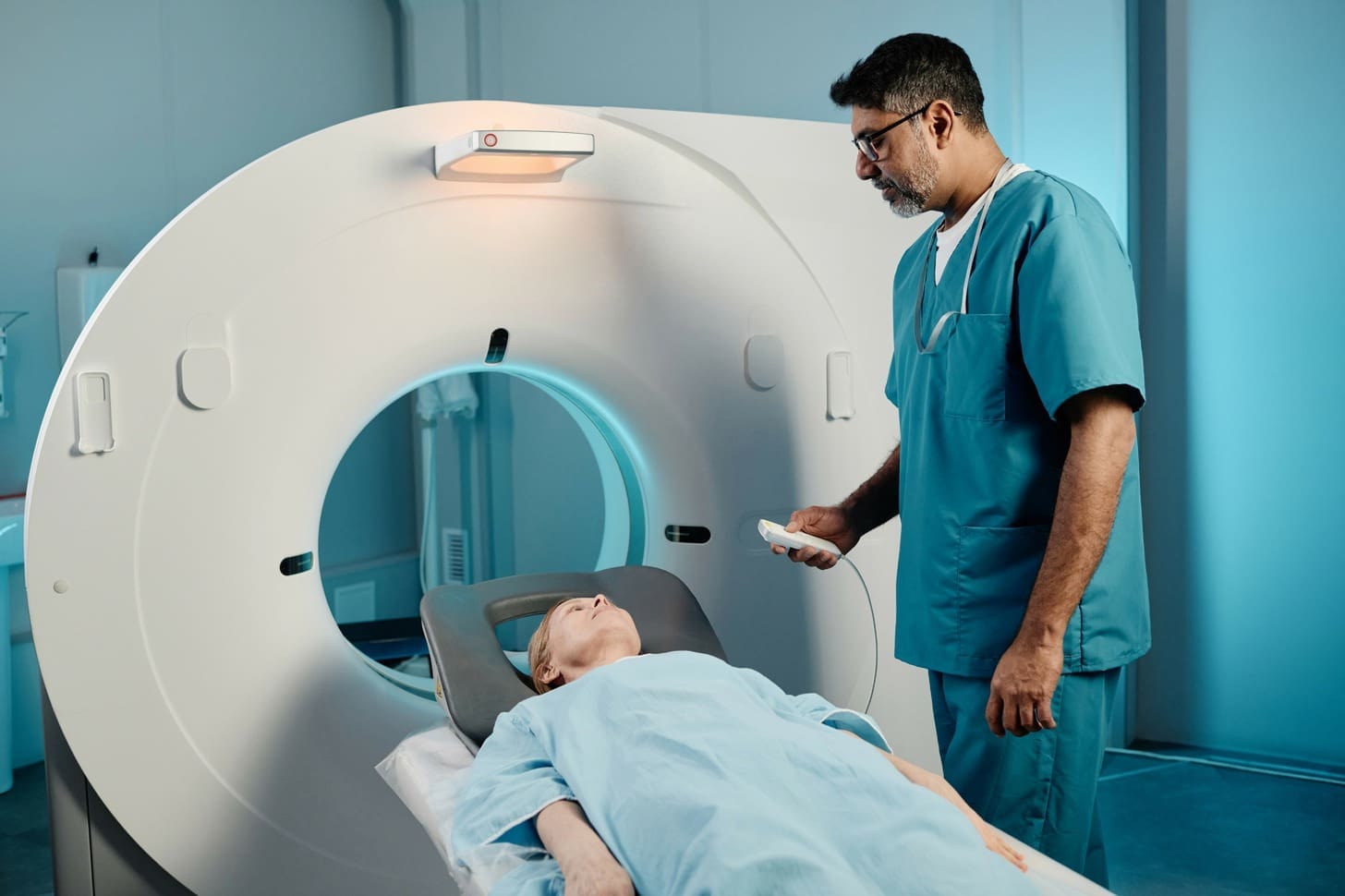
Getting a cardiac angio CT scan can make you nervous. It’s a noninvasive test that shows the coronary arteries clearly. This helps us find blockages or narrow spots that might harm blood flow to the heart.
At Liv Hospital, we use CT imaging technology and contrast dye for this. It lets us see the heart’s vessels in detail. This helps us diagnose and treat heart disease better. Now, a full heart scan with dye takes just a few heartbeats thanks to new CT tech.
Key Takeaways
- A CT coronary angiogram is a noninvasive test that uses advanced imaging and contrast dye.
- It provides a clear picture of the coronary arteries to identify blockages or narrowing.
- Advanced CT technology enables rapid, high-resolution scans.
- The test is designed to assist in the diagnosis and management of heart disease.
- We are committed to providing world-class healthcare with complete support for our international patients.
What Is a CT Coronary Angiogram?

A CT coronary angiogram, or cardiac CT scan, is a detailed test for the heart’s arteries. It’s a non-invasive way to spot heart disease.
Definition and Basic Principles
This test uses X-rays to show the heart and its arteries in slices. It helps find blockages or problems in blood flow.
The test works by using dye to make blood vessels stand out. The CT scanner then takes pictures of these vessels. This gives a clear view of the heart’s blood paths.
How CT Angiography Visualizes Heart Vessels
The CT scanner takes many pictures of the heart from different sides. These are then turned into a 3D model. This lets doctors see the arteries in detail.
The images show if there’s disease in the arteries. This info helps doctors plan the best treatment. It could be medicine, lifestyle changes, or surgery.
Knowing how CT angiography works helps patients see its value in heart health.
The CT Coronary Angiogram Procedure Explained

Learning about the CT coronary angiogram procedure can ease your worries. We’re here to walk you through each step. We want to make sure you’re comfortable and understand what’s happening.
Step-by-Step Process
The procedure starts with a contrast dye to show the heart’s blood vessels. This dye goes into your arm through an IV.
Then, you’ll lie on a table that moves through the CT scanner. The scanner takes detailed pictures of your heart. These pictures help us see how your heart’s blood vessels are doing.
The Role of Contrast Dye
The contrast dye is key in this procedure. It makes the heart’s blood vessels stand out. This helps us spot any problems, like blockages in the arteries.
Duration and Patient Experience
The scan itself is very quick, just a few heartbeats. The whole procedure is made to be as easy as possible for you. You’ll be watched closely to keep you safe and comfortable.
| Procedure Step | Duration | Patient Experience |
|---|---|---|
| Contrast Dye Administration | 2-3 minutes | You may feel a slight pinch as the IV is inserted. |
| Scanning | A few heartbeats | You will be asked to hold your breath for a few seconds. |
| Total Procedure Time | 15-30 minutes | The entire process is designed to be comfortable and efficient. |
Knowing about the CT coronary angiogram procedure can make you feel more ready. Our team is dedicated to giving you the best care and support. We’re here to help you every step of the way.
Medical Reasons for a Cardiac Angio CT Scan
The cardiac angio CT scan is used for many medical reasons. It mainly helps diagnose coronary artery disease. This test is non-invasive and gives insights into the heart’s structure, focusing on the coronary arteries.
Diagnosing Coronary Artery Disease
Coronary artery disease (CAD) happens when the coronary arteries narrow or block due to plaque. A cardiac angio CT scan can spot CAD by showing the coronary arteries and any blockages or narrowing.
Key benefits of using a cardiac angio CT scan for CAD diagnosis include:
- Accurate visualization of coronary artery plaque
- Detection of blockages or narrowing
- Assessment of overall heart health
Evaluating Chest Pain and Symptoms
People with chest pain or symptoms of heart disease often get a cardiac angio CT scan. This test checks the coronary arteries and heart structure to find the cause of symptoms.
Common symptoms that may lead to a cardiac angio CT scan include:
- Chest pain or discomfort
- Shortness of breath
- Palpitations or irregular heartbeat
Pre-Surgical Assessment
Before some heart surgeries, like angioplasty or coronary artery bypass grafting, a cardiac angio CT scan is done. This test gives important info about the coronary arteries. It helps surgeons plan the best treatment.
Research shows CT angiography is good at finding coronary artery disease and deciding if surgery is needed. By using a cardiac angio CT scan, we can spot problems early. This allows for quick and effective treatment.
Who Should Consider a CTCA Scan
Deciding on a CTCA scan depends on a patient’s risk factors and medical history. We assess each person’s health to see if this test is right for them.
Risk Factors and Indications
Some people might benefit more from a CTCA scan. These include:
- Patients with a family history of heart disease
- Individuals with high blood pressure or high cholesterol
- Smokers or those with a history of smoking
- Diabetic patients, as diabetes increases the risk of heart disease
- Those experiencing symptoms such as chest pain or shortness of breath
When Doctors Recommend This Test
Doctors suggest a CTCA scan for several reasons. Mainly, it’s to diagnose and assess coronary artery disease. This test is useful for:
- Evaluating the extent of coronary artery disease
- Assessing the risk of heart attack
- Monitoring the progression of heart disease
- Planning treatment, including surgery or angioplasty
It’s a valuable tool in our diagnostic arsenal, helping us make informed decisions about patient care.
Contraindications for the Procedure
While the CTCA scan is generally safe, there are some exceptions. These include:
| Contraindication | Reason |
|---|---|
| Kidney disease | The contrast dye used in the procedure can be harmful to patients with severe kidney disease. |
| Allergy to contrast dye | Patients allergic to the contrast dye may experience an allergic reaction. |
| Pregnancy | Though the radiation dose is low, it’s best to avoid unnecessary radiation during pregnancy. |
We take a detailed approach to patient care. We consider all relevant factors before a CTCA scan.
Preparing for Your CT Cardiac Angiogram
Getting ready for your CT cardiac angiogram is key. We want to make sure you’re well-prepared and feel confident. We’ll guide you through every step to make your experience smooth.
Pre-Procedure Instructions
We’ll give you specific instructions before your test. You might need to arrive early, wear comfy clothes, and remove jewelry. Following these steps is important for your safety and the success of the test.
Dietary and Medication Restrictions
There might be food and medicine rules to follow. You might need to skip eating or drinking for a few hours. Tell us about all your medicines, including vitamins. We’ll tell you what to eat and what medicines to skip.
You might also need to avoid caffeine and some foods. We’ll let you know about any medicines to avoid before your test.
What to Bring to Your Appointment
Bring these items to make your visit easy:
- A list of your current medications and dosages
- Any relevant medical records or test results
- Comfortable clothing and any necessary personal items
- A friend or family member for support, if desired
Being prepared helps make your CT cardiac angiogram go smoothly.
What Happens During a Heart Scan With Dye
During a heart scan with dye, our team carefully captures images of your heart’s arteries. This is key for spotting any heart vessel problems.
Arrival and Initial Preparation
When you arrive, our staff welcomes you and helps you get ready. They’ll explain everything, answer your questions, and make sure you’re comfortable.
Contrast Dye Administration
We give you a contrast dye through an IV in your arm. This dye makes your heart vessels stand out, helping us see them clearly.
The Scanning Process
We use a CT scanner to get detailed heart images. You’ll need to hold your breath briefly for the best pictures. Our team keeps an eye on you to make sure you’re okay.
Monitoring During the Procedure
Your heart rate and rhythm are watched closely during the scan. Our team is here to support you, answering any questions you might have.
Knowing what happens during a heart scan with dye can make you feel more at ease. Our team works hard to make this process as easy and stress-free as possible for you.
After Your CT Angiogram for Heart: Recovery Process
After a CT angiogram for your heart, you’ll start a recovery phase. Our healthcare team will manage this carefully. We know this step is key for your care and comfort.
Immediate Post-Procedure Care
Right after the test, you’ll be watched closely. This is to make sure you don’t have any bad reactions to the dye or other issues. Our team will give you clear instructions on what to do next, including:
- Any medications you should take or avoid
- Activities you can resume and those to avoid
- Signs of possible complications to watch for
For more detailed information on the CT coronary angiogram procedure, you can visit our dedicated page.
When to Expect Results
The time to get your CT angiogram results can vary. Usually, your doctor will talk about the initial findings with you right after. A detailed report will be made and sent to your doctor, who will share the results with you. You should get your final results in a few days to a week.
Follow-up Appointments
Based on your results, you might need to see your cardiologist or primary care doctor again. These visits are important for talking about your diagnosis, looking at treatment options, and making a plan just for you. We suggest that you:
- Keep all scheduled appointments
- Come prepared with any questions or concerns
- Follow the recommended treatment plan
We aim to give you care that goes beyond just the test. We support you through your treatment journey. If you have any questions or concerns about your recovery or results, please don’t hesitate to reach out to us.
CT Coronary Angiogram Side Effects and Risks
A CT coronary angiogram is a key tool for diagnosing heart issues. But, it’s important to know the possible side effects and risks. We carefully check each patient’s health history and current condition to lower these risks.
Common Minor Side Effects
Most people have little to no side effects from a CT coronary angiogram. But, some might feel:
- Mild allergic reactions to the contrast dye, such as rashes or itching
- Temporary changes in heart rate or blood pressure
- A feeling of warmth or flushing during the contrast dye injection
These effects usually go away quickly and don’t last long.
Rare but Serious Complications
Even though rare, serious problems can happen. These include:
- Kidney damage or kidney failure from the dye, mainly in those with kidney problems
- Severe allergic reactions to the dye, which can be dangerous
- Cardiac issues, like arrhythmias or cardiac arrest, but these are very rare
We do everything we can to avoid these risks. This includes careful patient screening before the test.
Risk Factors for Adverse Reactions
Some things can make you more likely to have bad reactions during the test. These include:
- Pre-existing kidney disease or diabetes
- A history of allergic reactions to dye or other substances
- Heart conditions, such as arrhythmias or severe heart failure
We look for these risk factors to take steps to reduce them.
Safety Measures and Precautions
We take many steps to keep patients safe:
- Thorough patient screening before the test to find risk factors
- Using low-osmolar contrast agents to lessen allergic reactions
- Keeping a close eye on patients during the test to quickly handle any issues
We aim to make the diagnostic process safe and effective for everyone.
Benefits and Limitations of CT Angiography of Heart
CT angiography of the heart is a valuable tool for diagnosing heart conditions. It’s less invasive than traditional angiography. This test gives detailed images of the heart’s vessels, helping us spot various heart problems accurately.
Advantages Over Traditional Angiography
CT angiography is non-invasive, unlike traditional angiography. It uses a CT scanner and contrast dye to see the heart’s vessels. This makes it safer for patients, with fewer risks of complications.
Key advantages include:
- Less invasive, reducing the risk of complications
- Quick procedure, typically taking only a few minutes
- High-quality images that help in accurate diagnosis
- No need for an overnight hospital stay
Diagnostic Accuracy
Studies show CT angiography is very good at finding coronary artery disease and other heart issues. It gives detailed images of the heart’s vessels. This helps us spot blockages and narrowings, leading to timely treatment.
The diagnostic accuracy of CT angiography is one of its strongest features. It provides clear images of the heart’s anatomy. This helps doctors make informed decisions about patient care.
| Diagnostic Feature | CT Angiography | Traditional Angiography |
|---|---|---|
| Non-invasive | Yes | No |
| Diagnostic Accuracy | High | High |
| Risk of Complications | Low | Moderate to High |
Limitations to Consider
While CT angiography has many benefits, there are some drawbacks. The use of contrast dye and radiation exposure are concerns. Also, it might not be right for patients with certain health issues, like kidney disease or allergies to contrast dye.
We carefully check each patient’s health to see if CT angiography is right for them. Knowing its benefits and limitations helps us tailor care to each patient’s needs.
Understanding Your CT Cardiac Angiogram Results
Getting your CT cardiac angiogram results is a big step in knowing your heart’s health. We make sure to explain your results in a way you can understand. This helps you know how it affects your heart health.
Coronary Calcium Score Explained
The coronary calcium score shows how much calcium is in your heart’s arteries. It tells us about plaque buildup. A higher score means more calcium, which could mean a higher risk of heart disease.
We’ll help you understand what your score means for your heart health.
Understanding Blockages and Narrowing
Your CT cardiac angiogram results will show if your heart arteries have blockages or are narrowed. Blockages happen when plaque blocks blood flow. Narrowing means the arteries are smaller. We’ll explain how serious these are and what treatments you might need.
Implications for Your Health
What your CT cardiac angiogram shows can mean different things for your health. For example, a high calcium score or big blockages might mean you’re at higher risk for heart attacks. We’ll talk about what your results mean for you and how to manage any risks.
Knowing your CT cardiac angiogram results helps you make better choices for your heart health. It’s a step towards keeping your heart healthy.
Cost and Insurance Considerations
The cost of a CT Coronary Angiogram changes a lot. It depends on where you are, the facility, and your insurance. Knowing this helps patients plan their care better.
Average Costs for CT Angiogram Procedures
The price for a CT Coronary Angiogram can vary a lot. Things that affect the cost include the facility’s fees, the radiologist’s charge, and any extra tests needed. On average, it costs between $500 to $1,500. But, the price can change based on your situation.
Insurance Coverage and Requirements
Insurance for a CT Coronary Angiogram is different for everyone. Many plans cover it when it’s needed for health reasons. It’s important to check with your insurance to know what you’ll pay, like deductibles or copays.
We suggest you talk to your insurance about what you need for coverage. This includes any pre-approval or pre-certification.
Questions to Ask Your Provider
To get clear on the costs of a CT Coronary Angiogram, ask your doctor these questions:
- What is the total cost of the procedure?
- What part of the cost does my insurance cover?
- Are there extra fees for things like radiologist interpretation or facility charges?
- Can I get a detailed breakdown of the costs?
Understanding costs and insurance helps patients make good choices about their care. We aim to give clear and detailed info to support our patients on their treatment path.
Conclusion
The CT coronary angiogram is a key tool for checking heart health. It shows detailed images of the heart’s blood vessels. This helps doctors spot and treat heart diseases well.
We at our institution focus on caring for our patients. We support them through all heart health tests. Whether you’re feeling symptoms or just getting checked, we’re here to help.
Knowing about the CT coronary angiogram can help you understand your heart better. Talk to your doctor to figure out the best test for you. This way, you can take care of your heart health.
What is a CT coronary angiogram procedure?
A CT coronary angiogram is a noninvasive test. It uses CT imaging and contrast dye to see the heart’s arteries. It helps find blockages or narrowing that might affect blood flow.
How do I prepare for a CT cardiac angiogram?
To get ready for a CT cardiac angiogram, you’ll get specific instructions. You’ll learn about diet and medication rules. Our team will guide you to feel ready and confident.
What happens during a heart scan with dye?
During the scan, you’ll get contrast dye to highlight the arteries. The scanning process captures detailed images of your heart. You’ll be monitored for your safety and comfort.
What are the possible side effects of a CT coronary angiogram?
Minor side effects might include allergic reactions or heart rate changes. Serious complications are rare. Our team works hard to minimize risks.
How long does it take to get the results of a CT angiogram for heart?
The time to get results varies. Our team will tell you when to expect them. They’ll also explain any follow-up appointments or tests.
What are the benefits of CT angiography of the heart?
CT angiography of the heart is noninvasive and accurate. It’s less invasive than traditional angiography, reducing risks.
How much does a CT angiogram procedure cost?
The cost of a CT angiogram varies. Our team will give you clear information on costs. They’ll also help with insurance and requirements.
What do the results of a CT cardiac angiogram mean for my health?
Our team will explain the results in a caring way. They’ll discuss the coronary calcium score and any blockages. They’ll talk about what it means for your health.
Are there any contraindications for a CTCA scan?
Yes, there are contraindications like kidney disease or dye allergies. Our doctors will check your medical history. They’ll decide if the test is right for you.
What should I expect during the recovery process after a CT angiogram for heart?
After the test, you’ll go through a recovery phase. Our team will manage your care. They’ll ensure your comfort and safety, and give you follow-up instructions.
References
- Coronary angiography. Retrieved from: https://www.mountsinai.org/health-library/tests/coronary-angiography
- Coronary angiography. Retrieved from: https://medlineplus.gov/ency/article/003876.htm
- Coronary angiogram. Retrieved from: https://www.betterhealth.vic.gov.au/health/conditionsandtreatments/coronary-angiogram
- CT angiography. Retrieved from: https://www.radiologyinfo.org/en/info/angioct?PdfExport=1