
Up to 5% of people have heart rhythm problems, or irregular heartbeats. Older adults and those with a family history are more likely to have this issue. Atrial fibrillation (AFib), a common irregular heartbeat, affects heart health a lot. Studies show that brisk walking can lower the risk of getting AFib.
What is a dangerous heart rate with AFib during exercise? Learn the scary limits and how to walk safely to improve your cardiovascular health.
It’s important to know how walking affects irregular heartbeats for better heart health. Walking regularly can be a simple yet effective way to boost your heart’s health.
Key Takeaways
- Irregular heartbeats affect a significant portion of the population.
- Walking can reduce the risk of developing atrial fibrillation.
- Regular physical activity improves overall heart health.
- Brisk walking is beneficial for heart health.
- Managing irregular heartbeats is key for overall health.
Understanding Atrial Fibrillation (AFib)
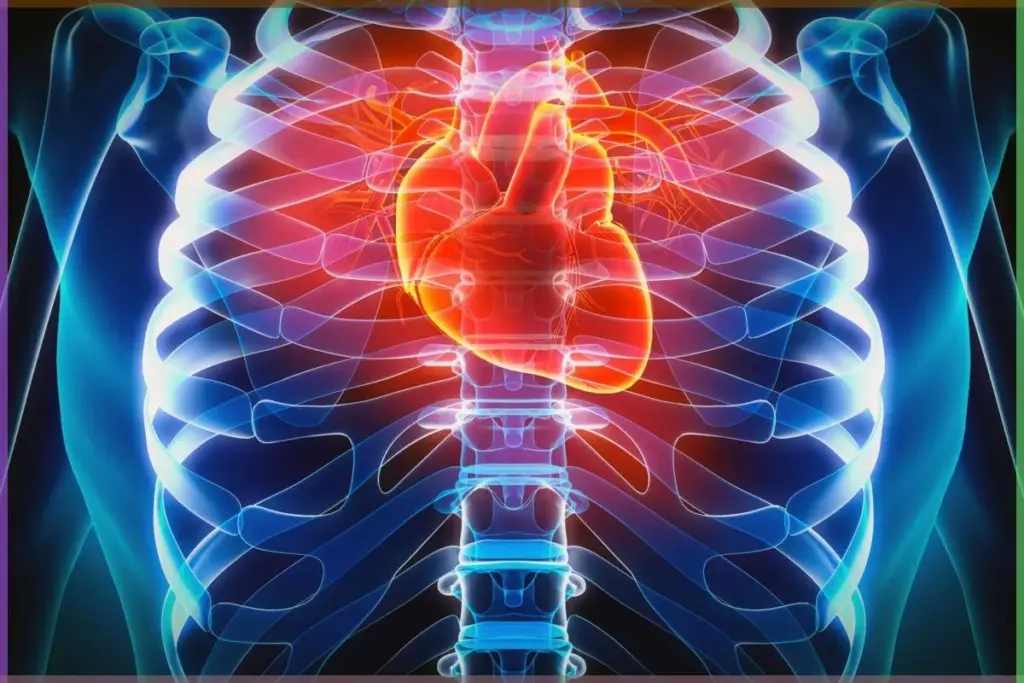
It’s important to know about atrial fibrillation to keep your heart healthy. AFib is a heart condition that affects about 60 million people worldwide. It’s the most common sustained arrhythmia in adults.
What Is Atrial Fibrillation?
Atrial fibrillation makes your heart beat irregularly and fast. This happens when the upper heart chambers (atria) don’t beat right with the lower chambers (ventricles). This makes it hard for the heart to pump blood well.
This condition can cause serious problems like stroke and heart failure. Knowing the symptoms and types of AFib is key to managing it well.
Common Symptoms of AFib
The symptoms of atrial fibrillation vary from person to person. Common signs include:
- Heart palpitations or irregular heartbeat
- Shortness of breath
- Weakness or fatigue
- Dizziness or lightheadedness
- Chest pain or discomfort
Some people with AFib might not feel any symptoms. So, it’s important for those at risk to get regular check-ups.
Types of Atrial Fibrillation
AFib can be divided into different types based on how long it lasts and how often it happens:
- Paroxysmal AFib: Episodes of AFib that stop on their own within seven days.
- Persistent AFib: Continuous AFib that lasts more than seven days.
- Long-standing persistent AFib: AFib that continues for more than a year.
- Permanent AFib: AFib where the presence of the arrhythmia is accepted by the patient and doctor, and no further rhythm control interventions are planned.
Knowing the type of AFib you have is important for finding the right treatment.
The Relationship Between Exercise and Heart Health

Regular physical activity is key for a healthy heart. This is true for people with heart conditions like atrial fibrillation (AFib).
How Physical Activity Affects the Cardiovascular System
Exercise greatly impacts the heart and blood system. It can lower blood pressure and increase ‘good’ cholesterol. This helps keep the heart healthy.
It also makes the heart muscle stronger. This means the heart can pump blood better.
Benefits of Regular Exercise for Heart Function
Regular exercise boosts heart function. It makes the heart pump blood more efficiently. This lowers the risk of heart disease.
It also improves blood flow. This helps tissues get the oxygen and nutrients they need. Plus, it helps manage stress and anxiety, which can worsen heart conditions.
Key benefits of exercise for heart health include:
- Improved cardiovascular efficiency
- Enhanced circulation
- Reduced risk of heart disease
- Better management of stress and anxiety
Exercise Considerations for People with Heart Conditions
People with heart conditions like AFib need to be careful with exercise. Always talk to a doctor before starting a new workout plan. They can suggest the best exercises and how hard to go.
It’s also important to watch your heart rate and listen to your body. This ensures safe and effective exercise.
Remember, exercise is just part of keeping your heart healthy. Eating right, managing stress, and following your doctor’s advice are also important.
What Is a Dangerous Heart Rate with AFib?
For people with atrial fibrillation (AFib), knowing a dangerous heart rate is key to avoiding serious problems. AFib causes an irregular and often fast heart rate. This can lead to health issues if not managed well.
Normal Resting Heart Rate vs. AFib Heart Rate
A normal heart rate at rest is between 60 to 100 beats per minute (bpm). But, those with AFib might have heart rates over 100 bpm at rest. This fast rate can cause symptoms like palpitations, shortness of breath, and tiredness.
Key differences between normal and AFib heart rates include:
- Irregular rhythm
- Higher than normal resting heart rate
- Increased risk of heart failure and stroke
Dangerous Heart Rate Thresholds in AFib Patients
Heart rate thresholds can differ from person to person. But, a heart rate over 120 bpm at rest is usually seen as dangerous for AFib patients. Such high rates can cause decreased cardiac output, leading to dizziness, fainting, or even heart failure.
It’s important for AFib patients to work with their healthcare providers to find a safe heart rate range. Age, overall health, and other heart conditions can affect what’s considered dangerous.
Factors That Influence Heart Rate Risk in AFib
Several factors can affect heart rate risk in AFib patients, including:
- Age and overall health status
- Presence of other heart conditions, such as coronary artery disease or heart valve problems
- Effectiveness of current treatments, including medications and lifestyle modifications
- Lifestyle factors, such as physical activity level and stress
Understanding these factors and their impact on heart rate is vital. It helps AFib patients and their healthcare providers create effective management plans.
A study showed that brisk walking can lower the risk of cardiac arrhythmias, including AFib, by up to 43%. This shows how important physical activity is in managing AFib and reducing dangerous heart rate episodes.
What Is a Normal Heart Rate for Someone with A-Fib?
Knowing what a normal heart rate is is key for those with atrial fibrillation (AFib). AFib is a heart issue that makes the heart beat irregularly and fast. This can cause problems if not handled right.
Target Heart Rate Ranges for AFib Patients
A normal heart rate for adults is usually 60 to 100 beats per minute (bpm). But for AFib patients, it can change a lot. Each person’s heart rate can be different.
Target heart rate ranges for AFib patients are set by doctors. They look at age, health, and other heart issues.
- Some AFib patients aim for a heart rate under 110 bpm.
- Others might try to keep it between 60 to 80 bpm.
- The right range depends on the person’s health and treatment goals.
Variations in “Normal” Based on Individual Factors
What’s normal for someone with AFib can change based on:
- Age and health.
- Other heart problems or health issues.
- The type and success of AFib treatment.
Monitoring and adjusting to these factors is key for managing AFib well.
Monitoring Your Heart Rate with AFib
It’s important to check your heart rate often if you have AFib. You can use:
- Smartwatches or fitness trackers with heart rate tracking.
- Home blood pressure monitors that also track heart rate.
- Manual pulse checks.
Keeping a record of your heart rate can show patterns and changes. This info is helpful for doctors.
Benefits of Walking for AFib Patients
Walking briskly for just a few minutes a day can greatly help AFib patients. It’s a simple, easy exercise that fits many fitness levels. This makes it perfect for those with Atrial Fibrillation.
Cardiovascular Improvements from Regular Walking
Walking regularly can greatly improve the heart in AFib patients. It strengthens the heart and boosts blood flow. This can lower the risk of AFib complications.
Studies show that walking can also improve heart health. It may even cut down on AFib episodes. Walking keeps blood pressure healthy and improves cholesterol levels, which are key for heart health.
It also helps the body better manage heart rhythm. This can lessen AFib symptoms.
Impact on AFib Frequency and Severity
Walking’s effect on AFib is a big deal for patients. Research shows it can reduce AFib episodes and make them less severe. This is because walking improves heart health and helps manage weight, which is a risk factor for AFib.
By walking daily, AFib patients may see fewer symptoms and better quality of life. But, they should talk to their doctor before starting any new exercise.
Mental Health Benefits for AFib Patients
Walking also has mental health benefits for AFib patients. It can reduce stress and anxiety linked to AFib. Walking is a great way to relax and can help with depression and anxiety.
The mental perks of walking come from its ease and chance for outdoor and social activities. For AFib patients, walking can improve both physical and mental health.
Potential Risks of Walking with an Irregular Heartbeat
AFib patients can greatly benefit from walking. But, it’s important to watch out for the chance of exercise triggering AFib episodes. Walking is usually safe, but some factors can make it riskier.
When Exercise May Trigger AFib Episodes
Exercise can sometimes start an AFib episode. This can happen due to how hard the activity is, the weather, or the person’s health. For example, very intense workouts or exercising in very hot or cold weather can raise the risk.
Common triggers include:
- High-intensity exercise
- Dehydration
- Extreme temperatures
- Caffeine and alcohol consumption
- Stress and anxiety
Signs That Walking Is Too Strenuous
AFib patients need to pay attention to how their body reacts to walking and exercise. If you feel dizzy, have chest pain, or can’t breathe well, it might be too much.
|
Symptom |
Description |
|---|---|
|
Dizziness or Lightheadedness |
Feeling faint or as if you might pass out |
|
Chest Pain or Discomfort |
Pain or pressure in the chest that may radiate to the arms, back, or jaw |
|
Severe Shortness of Breath |
Difficulty breathing that is not typical for your level of exercise |
Balancing Benefits and Risks
To enjoy walking safely, AFib patients should talk to their doctors about a workout plan. This plan should fit the person’s health, fitness, and AFib concerns.
Key considerations include:
- Monitoring heart rate and rhythm during exercise
- Avoiding extreme environmental conditions
- Staying hydrated and managing electrolyte levels
- Adjusting exercise intensity based on symptoms and health status
Guidelines for Safe Walking with AFib
Walking is good for people with AFib, but safety is key. Knowing the right intensity, how long to walk, and techniques helps. This way, you get the most benefits with the least risks.
Recommended Walking Intensity and Duration
Start with walking at a moderate pace. This means you can talk but breathe a bit harder. As you get better, you can walk faster and longer.
Begin with short walks, 10-15 minutes, and slowly add more time. Walk at least 150 minutes a week. Break this into smaller walks to make it easier.
|
Intensity Level |
Description |
Duration Guideline |
|---|---|---|
|
Low |
Leisurely walk, easy conversation |
Start with 10-15 minutes |
|
Moderate |
Brisk pace, breathing harder |
Gradually increase to 30 minutes |
|
High |
Very brisk pace, conversation difficult |
Avoid high intensity without consulting a doctor |
Proper Warm-Up and Cool-Down Techniques
Do a warm-up before walking. This gets your muscles and heart ready. March in place or stretch lightly for 5-10 minutes.
After walking, cool down with stretches. This helps your muscles and improves flexibility. Stretch your big muscle groups for 15-30 seconds each.
“Exercise is a celebration of what your body can do, not a punishment for what you ate.”
Unknown
Monitoring Your Body During Exercise
It’s important to watch how your body feels while exercising, even more so with AFib. Keep an eye on your heart rate and rhythm. Also, watch for signs like dizziness, chest pain, or trouble breathing. If you feel off, stop and rest.
Using technology like heart rate monitors can help. But don’t forget to listen to your body too.
Heart Palpitations After Exercise: When to Worry
Heart palpitations after exercise can be a worry, but knowing the difference is important. These palpitations are common, often seen in people with atrial fibrillation (AFib). It’s key to know when they’re just a normal response to exercise and when they might be a sign of something serious.
Normal vs. Concerning Post-Exercise Palpitations
Palpitations after exercise are usually okay if they’re short and go away by themselves. But if they last a long time, feel very strong, or come with other symptoms, it’s a sign to pay attention. It’s important to tell the difference to take the right action.
Characteristics of concerning palpitations include:
- Prolonged duration
- High intensity
- Association with other symptoms like dizziness or chest pain
Duration and Intensity of Palpitations
The length and strength of palpitations after exercise are key to knowing if they’re a worry. Palpitations that last a few seconds to a few minutes are usually fine. But if they keep going or feel very strong, it’s time to see a doctor.
|
Characteristics |
Normal Palpitations |
Concerning Palpitations |
|---|---|---|
|
Duration |
Few seconds to minutes |
Prolonged, persisting |
|
Intensity |
Mild to moderate |
High, severe |
|
Associated Symptoms |
None or mild |
Dizziness, chest pain, shortness of breath |
Associated Symptoms That Require Attention
Some symptoms with palpitations after exercise need quick medical help. These include dizziness, chest pain, shortness of breath, or fainting. Knowing these symptoms is important for people with AFib to get help when needed.
It’s always better to err on the side of caution when it comes to heart health. If you’re feeling worried about your palpitations or other symptoms, don’t wait to talk to your doctor.
How to Stop an AFib Episode at Home
For those with AFib, knowing home remedies can be a big help. Learning how to handle AFib episodes at home is key. It helps reduce how often and how bad they are.
Vagal Maneuvers and Breathing Techniques
Vagal maneuvers are simple ways to help your heart rate. They work by stimulating the vagus nerve. Here are some techniques:
- Coughing
- Gagging
- Valsalva maneuver (trying to exhale with your mouth closed and nose pinched)
- Applying an ice pack to your face
Deep breathing can also calm your heart. Try inhaling deeply, holding your breath, and then exhaling slowly.
Hydration and Rest Strategies
Drinking enough water is important to avoid AFib episodes. Drinking lots of water is a simple but effective way to stay hydrated. Try to drink more during episodes.
Resting and reducing stress are also key. Activities like meditation, yoga, or a warm bath can help relax you. This might stop an AFib episode.
|
Strategy |
Description |
Benefits |
|---|---|---|
|
Vagal Maneuvers |
Stimulate the vagus nerve through coughing, gagging, or Valsalva maneuver |
Can help slow down heart rate and stop AFib episode |
|
Controlled Breathing |
Deep, slow breaths to calm the heart |
Reduces stress and can regulate heart rhythm |
|
Hydration |
Drinking plenty of water |
Prevents dehydration, a common AFib trigger |
When Home Remedies Aren’t Enough
While these methods can work, knowing when to get medical help is important. If you have severe symptoms like chest pain or shortness of breath, get help right away.
Understanding AFib and how to manage it at home can greatly improve your life. But always talk to your doctor before trying new techniques.
Exercising with AFib: Creating a Safe Routine
For those with atrial fibrillation, a safe exercise routine is key. A good plan can manage symptoms and boost health. Regular activity lowers AFib risks.
Types of Exercise Recommended for AFib Patients
AFib patients can benefit from many exercises. Aerobic activities like walking, cycling, or swimming are great for heart health. Strength training builds muscle, and yoga improves flexibility.
“Exercise is vital for managing AFib,” says a cardiologist at the University at Buffalo. “Choose activities you like and that are safe for your condition.”
Building a Progressive Exercise Plan
Start slow and gradually increase exercise intensity and duration. This helps your body adjust and avoids overdoing it. AFib patients should watch their heart rate and symptoms while exercising.
- Start with short sessions (20-30 minutes) and gradually increase duration.
- Monitor heart rate and rhythm during exercise.
- Adjust intensity based on symptoms and overall health.
Adapting Exercise Based on Symptoms
It’s important to adjust exercise based on symptoms. If you feel palpitations, dizziness, or shortness of breath, stop and rest. Talk to a healthcare provider to figure out the best next steps.
Key considerations include:
- Understanding personal limits and not pushing beyond them.
- Being aware of the body’s response to different types of exercise.
- Making adjustments to the exercise plan as needed based on symptoms and overall health.
By following a safe and progressive exercise routine, AFib patients can improve heart health, reduce symptoms, and live better lives.
How to Get Out of Atrial Fibrillation
To get out of AFib, you need a mix of medical treatments and lifestyle changes. Understanding AFib, its treatments, and making lifestyle adjustments are key. This approach helps manage the condition well.
Medical Interventions for AFib
Medical treatments are vital for AFib management. They include medications and procedures to fix the heart rhythm.
- Medications: Anti-arrhythmic drugs help control heart rate and rhythm.
- Cardioversion: Uses electrical shocks to fix the heart rhythm.
- Ablation: A procedure that destroys bad heart pathways.
- Pacemakers: Devices that control heartbeat with electrical impulses.
Lifestyle Changes That Reduce AFib Burden
Lifestyle changes are also key in managing AFib. They help lessen AFib episodes.
- Dietary Changes: Eat heart-healthy foods like fruits, veggies, and whole grains.
- Exercise Regularly: Regular walking improves heart health.
- Stress Management: Use stress-reducing activities like meditation or yoga.
- Avoiding Triggers: Stay away from things that can trigger AFib episodes.
Long-Term Management Strategies
Managing AFib long-term means ongoing medical care and lifestyle changes. Regular check-ups and treatment plan adjustments are essential.
- Regular Check-Ups: Visit healthcare providers often to monitor the condition.
- Adapting Lifestyle: Keep making lifestyle changes as the condition changes.
- Staying Informed: Stay updated with the latest AFib treatments and strategies.
Combining medical treatments with lifestyle changes helps manage AFib. This approach improves life quality for those with AFib.
AFib Heart Rate Danger Thresholds: When to Seek Help
For those with atrial fibrillation (AFib), knowing when to get help is key. AFib is a complex condition that can be hard to understand.
It’s important to know the danger signs of AFib heart rate. Knowing when to seek help can prevent serious problems.
Emergency Warning Signs
Some symptoms and heart rates can mean trouble. These include:
- Severe shortness of breath
- Chest pain or discomfort
- Dizziness or fainting
- Rapid or very slow heart rate
Get help fast if you have these symptoms.
“If you’re experiencing symptoms like severe shortness of breath, chest pain, or dizziness, don’t hesitate to seek emergency care. These could be signs of a serious complication.”
Communicating with Healthcare Providers
Talking well with your healthcare team is key in managing AFib. Be ready to share your symptoms, heart rate, and any worries.
|
Information to Share with Your Healthcare Provider |
Why It’s Important |
|---|---|
|
Detailed symptom diary |
Helps identify patterns and possible triggers |
|
Heart rate readings |
Helps check if treatment is working |
|
Medication list |
Makes sure your healthcare provider knows about any possible interactions |
Creating an Emergency Action Plan
Having a plan for emergencies can help AFib patients a lot. This plan should include:
- Contact info for your healthcare providers and emergency services
- A list of your medications and how much to take
- Instructions for your family or caregivers on what to do in an emergency
By knowing the danger signs of AFib heart rate, recognizing emergency signs, talking well with healthcare providers, and having a plan, AFib patients can manage their condition better. This can help avoid serious problems.
Technology and Tools for AFib Heart Rate Monitoring
Modern technology has made it easier and more accurate to monitor heart rates for those with AFib. Tools and technologies have been developed to track heart rates and rhythms. This has greatly improved the management of AFib.
Wearable Devices for AFib Patients
Wearable devices like smartwatches and fitness trackers are now popular for real-time heart rate monitoring. Many have electrocardiogram (ECG) features to detect irregular heart rhythms, including AFib. Apple Watch and Fitbit are examples of brands with ECG capabilities, giving users insights into their heart activity.
These devices track more than just heart rate. They also monitor physical activity and sleep patterns, which are key for heart health.
Smartphone Apps and Home Monitoring Systems
Smartphone apps have also become a handy tool for monitoring AFib heart rates. Apps like Cardiogram and Instant Heart Rate use the phone’s camera or an external ECG device to measure heart rate.
Home monitoring systems add convenience by allowing patients to send heart rate and rhythm data to healthcare providers. This is useful for managing AFib, as it enables timely interventions based on real-time data.
How to Use Technology Effectively
To get the most out of these technologies, it’s important to know how to use them well. Here are some tips:
- Choose devices and apps that are compatible with your smartphone or computer.
- Follow the manufacturer’s instructions for setting up and using the device or app.
- Regularly sync your data to track changes over time.
- Share your data with your healthcare provider to inform treatment decisions.
By using these technologies, people with AFib can better manage their condition. This can help reduce complications and improve their quality of life.
Working with Your Healthcare Team
Managing AFib well needs a strong team effort between you and your healthcare team. This partnership is key for a safe exercise plan, tracking progress, and making changes when needed.
Discussing Exercise Plans
Talk to your cardiologist before starting any new exercise. Discuss your health, any limits you face, and your fitness goals. Your doctor can guide you on the best exercises for your condition.
- Share your medical history and current symptoms with your healthcare provider.
- Discuss your exercise goals and how they align with your overall health objectives.
- Understand the types of exercises that are safe and beneficial for your condition.
Regular Monitoring and Checkups
Keeping an eye on your AFib and adjusting your workout is critical. This means regular visits to your doctor and tracking your symptoms and workouts.
Key aspects to monitor include:
- Heart rate and rhythm during exercise.
- Any changes in symptoms or AFib episodes.
- Progress toward your exercise goals.
When to Adjust Your Exercise Routine
Knowing when to change your workout is important. Your healthcare team can help adjust your plan to keep it safe and effective.
Signs that you may need to adjust your routine include:
- Increased frequency or severity of AFib episodes.
- New or worsening symptoms during exercise.
- Failure to progress toward your exercise goals.
By working closely with your healthcare team and staying informed, you can create an exercise plan that supports your overall health and helps manage AFib effectively.
Conclusion
Walking is key for managing AFib, bringing many benefits. It boosts heart health and cuts down on AFib episodes. It also makes people feel better overall.
Knowing how exercise affects the heart helps those with AFib. They can decide to walk more. It’s important to watch out for risks and follow safe walking tips.
Managing AFib well means using medicine, changing lifestyle, and keeping an eye on health. Technology like wearables and apps can help. This way, people with AFib can live better lives.
Adding walking to a plan for managing AFib can make a big difference. It improves heart health and lessens symptoms. This lets people enjoy more active and happy lives.
What is a normal heart rate for someone with atrial fibrillation (AFib)?
A normal heart rate for someone with AFib is usually between 60-100 beats per minute (bpm) when resting. But, what’s safe for you might be different. Always talk to a doctor to find out the best heart rate for you.
How can I stop an AFib episode at home?
To stop an AFib episode at home, try the Valsalva maneuver or carotid massage. Deep breathing or meditation can also help. Drinking water and resting a lot can also be beneficial. If your symptoms get worse, see a doctor right away.
What are the benefits of walking for AFib patients?
Walking is great for AFib patients. It boosts heart health, cuts down on AFib episodes, and helps your mind. Regular walks can also manage symptoms and improve your overall health.
What are the possible risks of walking with an irregular heartbeat?
Walking is usually safe, but AFib patients need to be careful. Exercise might start an AFib episode. Watch out for signs like dizziness, chest pain, or trouble breathing. Always talk to a doctor about the risks and benefits.
How can I monitor my heart rate effectively with AFib?
To keep track of your heart rate with AFib, use a wearable device or a heart rate app on your phone. Regular doctor visits are also key to monitoring your condition and adjusting your treatment as needed.
What is a dangerous heart rate with AFib?
A heart rate over 100-110 bpm at rest or during exercise is usually dangerous with AFib. But, this can vary based on your age, fitness, and health. Always check with your doctor to find a safe heart rate for you.
When should I seek medical help for AFib symptoms?
Get medical help right away if you have severe symptoms like chest pain, shortness of breath, or dizziness. If your AFib episode doesn’t stop with home remedies, or if you’re worried about your symptoms or treatment, talk to your doctor.
How can technology help with AFib management?
Technology like wearable devices, apps, and home monitoring systems can track your heart rate and rhythm. They help monitor symptoms and offer insights for managing AFib. These tools can help adjust your treatment plan and improve your care.
What types of exercise are recommended for AFib patients?
AFib patients should do aerobic activities like walking, cycling, or swimming. Flexibility and strength training exercises are also good. Make sure to start slowly and adjust your plan based on how you feel.
How can I work effectively with my healthcare team to manage AFib?
To work well with your healthcare team, share your exercise plans and keep track of your symptoms and heart rate. Adjust your treatment plan as needed. Regular check-ups and open communication are key to getting the best care for your AFib.
References
National Center for Biotechnology Information. Evidence-Based Medical Insight. Retrieved from https://pubmed.ncbi.nlm.nih.gov/40234043/