
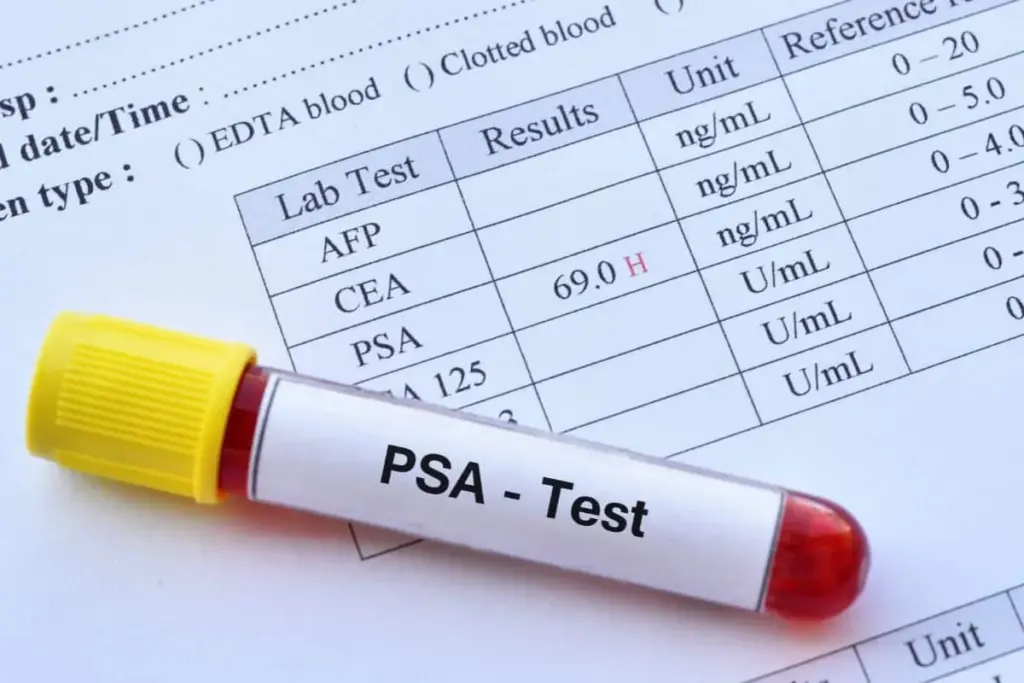
What is a dangerous PSA level by age? Learn amazing facts about when to stop worrying and how to find a powerful cure for BPH today. Prostate cancer is a common cancer in men, with 1 in 8 men likely to get it. The Prostate-Specific Antigen (PSA) test is key for checking and watching prostate health. But, what’s a dangerous PSA level can be tricky, as it changes with age.
As we get older, the chance of prostate problems, like cancer, goes up. So, knowing the right PSA levels for each age is key for catching problems early. We’ll look into why PSA levels matter, how they change with age, and what levels are risky.
Key Takeaways
- PSA levels change with age and are important for checking prostate health.
- Knowing the normal PSA range for different ages is vital for spotting prostate issues early.
- A higher PSA level might mean a higher risk of prostate cancer, but it’s not the only sign.
- PSA levels for each age help make smart choices about prostate health.
- Keeping an eye on PSA levels can lead to better results in fighting prostate cancer.
Understanding PSA: What It Is and Why It Matters
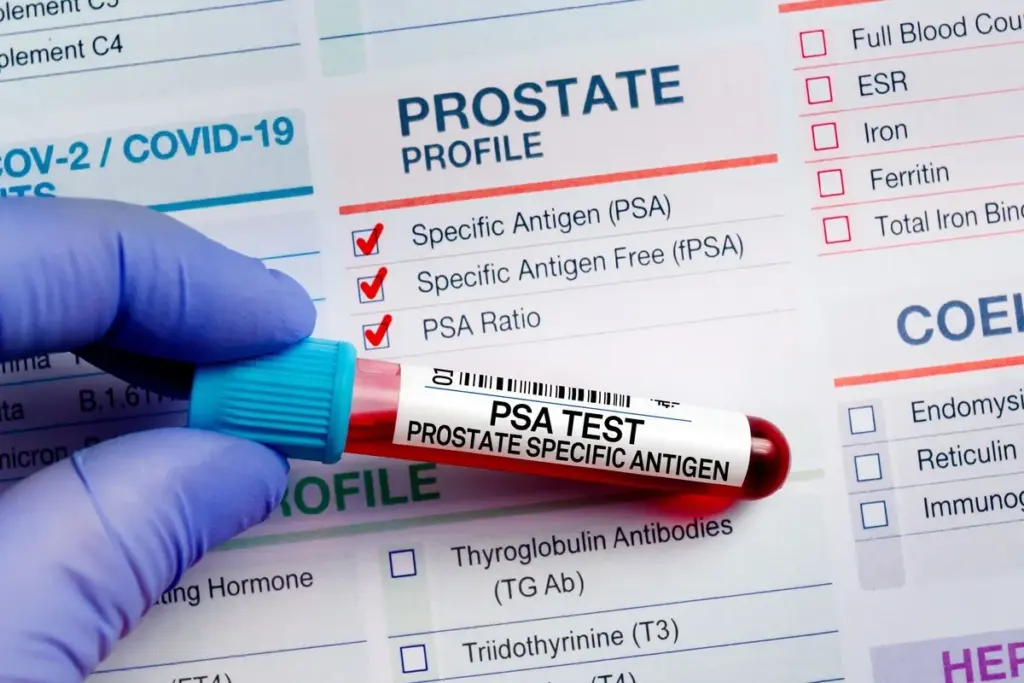
Prostate-specific antigen, or PSA, is a protein made by the prostate gland. It helps us understand men’s health. We’ll look at how PSA testing helps find and track prostate problems early.
What Does PSA Stand For?
PSA stands for Prostate-Specific Antigen. It’s a protein mainly made by the prostate gland. The blood test for PSA shows how healthy the prostate is. High levels might mean prostate issues, like cancer, prostatitis, or BPH.
Knowing what PSA is shows why testing is key. The test shows how much PSA is in the blood. This info is vital for checking prostate health.
How Is PSA Tested?
PSA testing is a simple blood test. A healthcare professional takes a blood sample. Then, a lab analyzes it to find the PSA level, in nanograms per milliliter (ng/mL).
How often to test PSA depends on age and risk factors. Men with a family history of prostate cancer or other risks might test earlier. Usually, men aged 55 to 69 talk to their doctor about PSA testing.
|
Age Group |
Recommended PSA Testing Frequency |
Risk Factors to Consider |
|---|---|---|
|
40-54 years |
Discuss with healthcare provider |
Family history, ethnicity |
|
55-69 years |
Every 2-4 years if PSA is low |
Previous PSA levels, overall health |
|
70 years and above |
Discuss with healthcare provider; may stop if life expectancy is less than 10 years |
Health status, life expectancy |
Understanding PSA and its testing is key for men’s health. Knowing what PSA is and how it’s tested helps men see its importance for prostate health.
Normal PSA Levels by Age
As men get older, what’s considered a normal PSA level changes. This means we need guidelines based on age to understand these changes. Understanding these guidelines helps both patients and doctors make better choices about prostate health.
Age-Specific Thresholds
PSA levels tend to rise with age. So, a one-size-fits-all approach to PSA testing doesn’t work. Instead, age-based ranges help make PSA tests more accurate.
The American Urological Association and other guidelines suggest the following PSA levels by age:
- For men aged 40-49, a normal PSA level is generally considered to be below 2.5 ng/mL.
- For men aged 50-59, the threshold increases to below 3.5 ng/mL.
- For men aged 60-69, a PSA level below 4.5 ng/mL is considered normal.
- For men aged 70 and above, the threshold can be as high as below 6.5 ng/mL, though this can vary based on overall health and life expectancy.
|
Age Group |
Normal PSA Level (ng/mL) |
|---|---|
|
40-49 |
< 2.5 |
|
50-59 |
< 3.5 |
|
60-69 |
< 4.5 |
|
70+ |
< 6.5 |
What Is Considered Normal?
Age-specific guidelines help us better understand PSA levels. But, what’s normal can differ a lot from person to person. Health, family history, and other prostate issues can affect what’s considered normal for a man.
Having a PSA level within the normal range for your age doesn’t mean you’re cancer-free. And a level above the range doesn’t mean you have cancer for sure. So, PSA tests should be part of a bigger picture that includes other tests and doctor’s opinions.
The Relationship Between PSA Levels and Prostate Cancer
PSA levels and prostate cancer risk are linked but complex. Prostate-specific antigen (PSA) is a protein from the prostate gland. High levels can mean cancer, but also other issues.
PSA tests are key for checking prostate health. Elevated PSA levels can signal an increased risk of prostate cancer. But, high levels don’t always mean cancer. Age and other conditions can also affect PSA levels.
How PSA Levels Indicate Cancer Risk
PSA levels are measured in nanograms per milliliter (ng/mL) of blood. A PSA level of 4 ng/mL or higher is often seen as elevated. This can change based on age and other factors. Men with PSA levels between 4 and 10 ng/mL are considered to be at a “gray zone”, where the risk of cancer is higher, but not definitive.
The risk of prostate cancer goes up with higher PSA levels. For example, men with a PSA level above 10 ng/mL face a higher risk. But, PSA levels are just one factor in assessing overall prostate health. Other tests, like biopsies and digital rectal exams, are also important.
Other Conditions That Affect PSA
Elevated PSA levels aren’t just about prostate cancer. Prostatitis, an inflammation of the prostate, and benign prostatic hyperplasia (BPH), a non-cancerous enlargement of the prostate, can also raise PSA levels.
Age also plays a big role in PSA levels. As men get older, their PSA levels naturally go up. For example, a PSA level of 3 ng/mL might be normal for a younger man. But for a 75-year-old man, a normal PSA could be up to 6.5 ng/mL. Knowing these differences is key for understanding PSA test results.
We need to look at all these factors when checking PSA levels. This helps avoid unnecessary worry or false reassurance. A full approach, including medical history, physical exams, and more tests, gives a better view of prostate health.
What Is a Dangerous PSA Level?
PSA levels are key to checking prostate health. Knowing what’s dangerous is important. Prostate-Specific Antigen (PSA) is a protein from the prostate gland. High levels can mean prostate cancer, prostatitis, or other issues.
Defining Dangerous Levels
A dangerous PSA level is when it’s too high. This can mean a risk of prostate cancer or other problems. A level over 4 ng/mL is usually seen as high. Levels over 10 ng/mL are even more concerning.
But, what’s considered dangerous changes with age. Younger men have lower PSA levels. For example, a level over 2.5 ng/mL might be high for men under 60. It’s important to look at age-specific levels when checking PSA results.
|
Age Group |
Normal PSA Level (ng/mL) |
Elevated PSA Level (ng/mL) |
|---|---|---|
|
40-49 years |
0-2.5 |
>2.5 |
|
50-59 years |
0-3.5 |
>3.5 |
|
60-69 years |
0-4.5 |
>4.5 |
|
70+ years |
0-6.5 |
>6.5 |
Symptoms That May Accompany High PSA
High PSA levels can cause symptoms like trouble urinating and painful urination. You might also urinate more often, feel pain while urinating, or see blood in your urine or semen. These signs don’t always mean cancer, but they need a doctor’s check-up.
Common symptoms to watch out for:
- Difficulty starting or stopping urination
- Painful or burning sensation while urinating
- Frequent urination, specially at night
- Blood in the urine or semen
- Painful ejaculation
If you notice these symptoms, see a doctor right away. Early treatment can greatly improve your chances of a good outcome.
Age-Related Risks: When PSA Levels Matter Most
PSA levels change with age, affecting prostate health. As we get older, the chance of prostate problems, like cancer, goes up. It’s key to know how age affects PSA levels.
Young Adults and PSA Levels
Young adults, under 40, rarely have high PSA levels. But, if they do, it might mean aggressive cancer. Even so, the risk is low. Men with a family history of prostate cancer should talk to their doctor about their risk.
A study in the Journal of Urology showed men under 40 with PSA over 2.5 ng/mL face a higher cancer risk later.1 This shows why early screening is important for those at risk.
Middle-Aged Men and Prostate Health
For men between 50 and 65, PSA levels are more telling. The American Cancer Society suggests talking to a doctor about PSA tests in this age group.2
a urologist, says, “Middle-aged men should watch their PSA levels and talk to their doctor. Early detection is key to good prostate health.”
“The decision to undergo PSA screening should be based on individual risk factors, including age, family history, and ethnicity.”
|
Age Group |
Typical PSA Range (ng/mL) |
Screening Recommendations |
|---|---|---|
|
40-49 |
0-2.5 |
Discuss screening with a healthcare provider if at higher risk |
|
50-65 |
0-3.5 |
Annual screening discussion recommended |
|
66 and above |
0-4.5 |
Screening decision based on overall health and life expectancy |
Knowing about age-related PSA risks is vital for prostate health. By looking at age, family history, and other factors, men can make smart health choices.
Factors Influencing PSA Levels
Many things can change PSA levels, like age, genetics, and lifestyle. Knowing these can help understand PSA test results better. It’s key for taking care of prostate health.
Age and Genetics
Age is a big factor in PSA levels. As men get older, their PSA levels usually go up. So, doctors use age-specific numbers to see if PSA levels are normal.
For example, a PSA of 4.0 ng/mL is normal for men around 50. But for older men, a bit higher might be okay.
Genetics also matter a lot. Men with a family history of prostate cancer might have higher PSA levels. Some genetic markers can make PSA levels go up and increase cancer risk.
Key Genetic Factors:
- Family history of prostate cancer
- Presence of specific genetic mutations (e.g., BRCA1 and BRCA2)
- Ethnicity, with African American men being at higher risk
Lifestyle Factors
Lifestyle and health conditions can also change PSA levels. For instance, men with prostatitis or after prostate surgery might have higher PSA levels. Diet, exercise, and some medicines can also affect PSA levels.
Some research shows eating lots of fruits, veggies, and healthy fats can keep PSA levels down. But eating too much processed meat and dairy might raise them. Regular exercise is also good for PSA levels.
Lifestyle Modifications to Consider:
- Eating a balanced diet rich in fruits, vegetables, and healthy fats
- Engaging in regular physical activity
- Avoiding or reducing consumption of processed meats and high-dairy products
- Managing stress through techniques like meditation or yoga
By knowing what affects PSA levels, men can understand their test results better. This helps them make smart choices about their prostate health with their doctors.
Screening Recommendations by Age
PSA testing guidelines change with age. Knowing these guidelines helps men make smart health choices. As men get older, the chance of prostate cancer grows. So, getting tested at the right time is very important.
When to Start PSA Testing
When to start PSA testing is a big debate. Doctors say men should talk to their doctors about PSA tests at 50. But, if you have a family history of prostate cancer or are African American, you might start earlier. This could be around 45 or even 40.
Frequency of Testing
How often to get tested depends on your PSA level and other risks. If your PSA is under 1 ng/mL, you might get tested every 2-4 years. But, if it’s between 1 and 3 ng/mL, you should get tested every year. If your PSA is higher or if there are other concerns, you might need to get tested more often.
Talking to your doctor about your risk factors is key. This talk should include your age, health, family history, and more. It’s all about finding the right balance for you.
Symptoms of Prostate Issues
Knowing the common symptoms of prostate health can help men get medical help early. Issues can range from non-cancerous to cancer. Spotting symptoms early is key for quick treatment.
Recognizing Early Signs
The first signs of prostate problems can be hard to notice. Common symptoms include:
- Difficulty urinating or a weak urine flow
- Frequent urination, often at night
- Pain or burning while urinating
- Blood in the urine or semen
- Pain in the back, hips, or pelvis
These signs can point to different prostate issues, like prostatitis, BPH, or cancer. Seeing a doctor is important if these symptoms don’t go away or get worse.
Importance of Reporting Symptoms
Telling a doctor about symptoms is a big step in finding and treating prostate problems. Finding issues early can greatly improve treatment results, like with prostate cancer. We urge men to be active in their health and talk to their doctor about any concerns.
Getting medical help quickly is vital for prostate health. By staying informed and alert, men can manage their health better. They can work with their doctors to tackle any problems fast.
Treatment Options for Elevated PSA Levels
When PSA levels are high, knowing your treatment options is key. We’ll look at different ways to handle it, from watching closely to more serious steps.
Surveillance and Monitoring
For men with slightly high PSA, active surveillance is often suggested. This means keeping a close eye on PSA levels and possibly doing more tests. It’s to watch for any signs of prostate cancer or changes in PSA levels.
Surveillance helps avoid or delay big treatments. This can help keep your quality of life better. But, it means you’ll need to go for regular check-ups and tests.
|
Surveillance Strategy |
Description |
Benefits |
|---|---|---|
|
Regular PSA Testing |
Monitoring PSA levels over time to detect any changes or trends. |
Early detection of significant changes in PSA levels. |
|
MRI or Biopsy |
Using imaging or tissue sampling to assess the prostate for cancer. |
Provides detailed information about the presence or absence of cancer. |
Medical Interventions
If surveillance shows a risk of prostate cancer or if PSA levels are very high, medical interventions might be needed. These can include medicines, surgery, or radiation therapy. The choice depends on the case and the patient’s health.
Medications might treat conditions that cause high PSA, like prostatitis. For prostate cancer, treatments like surgery (e.g., prostatectomy) or radiation therapy are considered. This depends on the cancer’s stage and how aggressive it is.
|
Medical Intervention |
Description |
Considerations |
|---|---|---|
|
Medications |
Treatments targeting conditions like prostatitis or prostate cancer. |
Side effects and effectiveness vary by medication and condition. |
|
Surgery (Prostatectomy) |
Removal of the prostate gland, often considered for localized prostate cancer. |
Potential for significant impact on quality of life, including incontinence and impotence. |
|
Radiation Therapy |
Treatment using high-energy rays to kill cancer cells. |
Side effects can include urinary and bowel issues, as well as fatigue. |
The Role of the Urology Specialist
Diagnosing and treating prostate issues need a urologist’s help. Urologists are doctors who focus on the urinary and male reproductive systems. They handle diagnosis, treatment, and surgery for these areas.
When to Consult a Urologist
See a urologist if your PSA levels are high, you have trouble urinating, or if prostate cancer runs in your family. Early visits can lead to quick diagnosis and better care for your prostate.
How a Urologist Can Help
A urologist can assist in many ways:
- Diagnosis: They can run or order tests to find out why your PSA is high or if you have other prostate symptoms.
- Treatment Planning: After finding out what’s wrong, urologists suggest the best treatments. This could be watching your condition, taking medicine, or surgery.
- Ongoing Management: Urologists also keep an eye on your prostate health. They help with any issues or problems that come up.
Prostate Cancer Myths Debunked
Prostate cancer is often misunderstood, leading men to delay seeking medical help. We aim to clear up these myths and share accurate info. This will help men make better health choices.
Common Misconceptions
Many myths surround prostate cancer. One is that it’s always slow-growing and doesn’t need quick treatment. But, prostate cancer can grow at different rates.
Another myth is that prostate cancer always shows symptoms. But, early prostate cancer often doesn’t have symptoms. That’s why regular check-ups are so important.
Some think having a family history of prostate cancer means they’ll definitely get it. But, having a family history increases the risk. It doesn’t mean you’ll definitely get prostate cancer.
Facts vs. Fiction
It’s vital to know the truth about prostate cancer to get the right care.
Some men think they don’t need to get screened if they don’t have symptoms. But, screening early can greatly improve treatment results.
Reality check: Not all prostate cancers are aggressive. But, some can be deadly. Knowing the details of your condition is important for making the right treatment choices.
The Future of PSA Testing and Prostate Health
Medical technology is advancing fast, making PSA testing more promising. New ways to test for prostate health are coming. These changes will help us find and treat prostate cancer better.
Advancements in Diagnostic Techniques
New research is making PSA tests more accurate. It aims to cut down on false alarms and find aggressive cancers sooner. Scientists are looking into new biomarkers and genetic tests to improve results.
Artificial intelligence and machine learning are also playing a big role. They help analyze data to give patients personalized risk scores. This move towards precision medicine will change how we diagnose and treat prostate cancer.
Research Directions
Research is now focusing on understanding prostate cancer better. It looks at the disease’s genetics and how the environment affects it. Scientists are also searching for new treatments to help patients.
Innovations in testing and research are changing how we manage prostate health. As these advancements keep coming, we’ll see better detection, diagnosis, and treatment of prostate cancer. This will lead to better care and outcomes for patients.
FAQ
What is a normal PSA level for a man?
A normal PSA level is usually below 4 ng/mL. But, it can change with age. Older men might have a higher normal level.
How often should a man get his prostate checked?
How often to check the prostate varies. It depends on age, risk factors, and past test results. Men should talk to their doctor about when to start, often around age 50.
What is considered a dangerous PSA level?
A PSA level over 10 ng/mL is often seen as high. It might mean a higher risk of prostate cancer. But, other factors like age and health also play a role.
At what age should men start getting PSA tests?
Men should talk to their doctor about starting PSA tests around age 50. Those with a family history of prostate cancer might need to start earlier.
Can lifestyle factors influence PSA levels?
Yes, lifestyle and health conditions can change PSA levels. For example, inflammation, infections, and recent ejaculation can raise levels. Diet and exercise might also have an effect over time.
What are the symptoms of prostate issues?
Prostate problems can cause trouble urinating, weak flow, and frequent need to urinate. Pain while urinating is also a symptom. These can be signs of prostate cancer or other issues.
How is PSA tested?
PSA testing involves a blood test. A sample is taken from the arm and analyzed to measure PSA levels.
What is the role of a urologist in managing prostate health?
A urologist deals with prostate and other urological issues. They guide on PSA testing, interpret results, and suggest treatments based on individual needs.
Are there any new developments in PSA testing?
Yes, there are new advancements in PSA testing and prostate cancer diagnosis. New biomarkers and imaging techniques aim to improve detection and reduce unnecessary biopsies.
What is a normal PSA level for a 75-year-old man?
For men aged 75, a higher PSA level might be considered normal. Guidelines suggest a certain level is acceptable based on health and life expectancy.
References
National Center for Biotechnology Information. Evidence-Based Medical Insight. Retrieved from https://pubmed.ncbi.nlm.nih.gov/8461894/



 Departments
 Related Videos
 Our Doctors
 News
News