
A dilated aorta means the main artery, the aorta, is too big. This artery carries blood from the heart to the rest of the body. When the ascending aorta gets too big, it’s a big worry. It can lead to serious problems like rupture or dissection.
At Liv Hospital, we focus on giving the best care to our patients. Knowing how serious a dilated aorta is important for everyone. A sudden aortic dissection is very dangerous and needs quick action.
Key Takeaways
- A dilated aorta is a serious medical condition that can lead to rupture or dissection.
- The ascending aorta is very likely to get too big.
- Liv Hospital offers top-notch care for aortic issues.
- Quick treatment is key for aortic dissections.
- It’s vital to understand the risks and what they mean for treatment.
Understanding the Aorta: Anatomy and Function
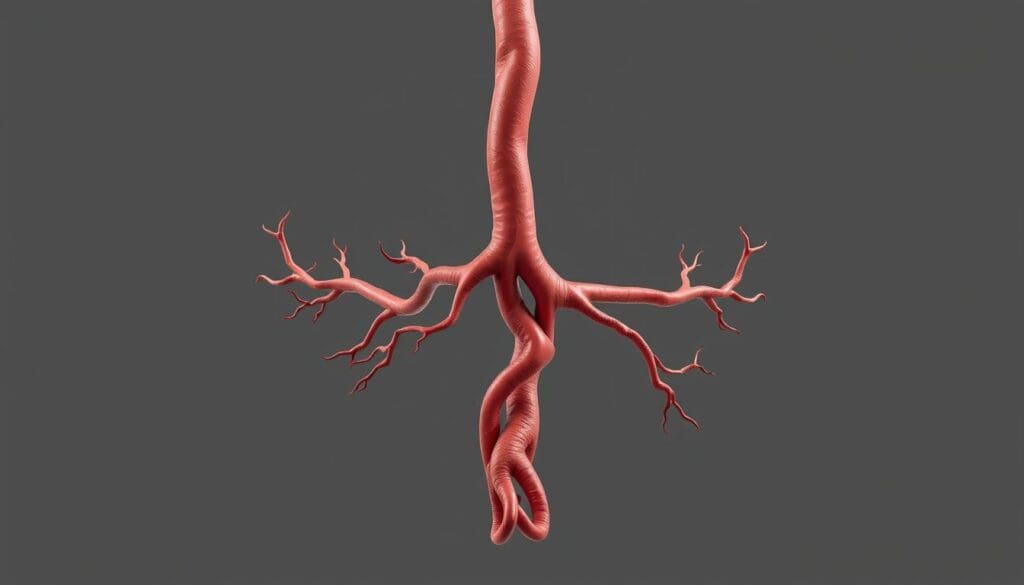
Knowing about the aorta’s anatomy and function is key to understanding heart health. The aorta is the main artery that comes out of the heart. It carries oxygen-rich blood to the body. It’s the main artery that starts at the heart and spreads oxygenated blood all over.
The Aorta’s Role in Circulation
The aorta does more than just carry blood. It also helps control blood pressure with its stretchy properties. As the biggest artery, it splits into smaller ones that reach different parts of the body. The aorta’s ability to adjust to blood pressure changes is vital for heart health.
Normal Aortic Structure and Dimensions
The aorta has three layers: the intima, media, and adventitia. Its size changes along its length, with specific sizes that doctors use to spot problems. Doctors measure the aorta’s width at different spots, like the root and the descending aorta.
| Aortic Segment | Normal Diameter Range (mm) |
|---|---|
| Aortic Root | 20-37 |
| Ascending Aorta | 22-40 |
| Descending Aorta | 16-30 |
Knowing these sizes is important for spotting issues like dilation. We’ll look at what dilation means next.
What Is a Dilated Aorta?
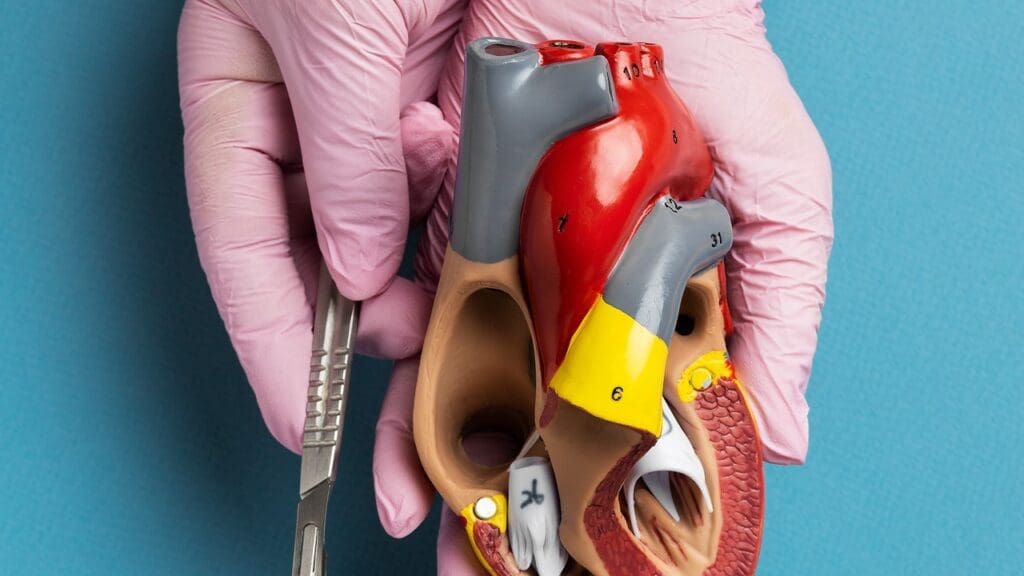
It’s important to know what a dilated aorta is. A dilated aorta means the aorta is too big. It’s bigger than it should be for its part.
Definition and Medical Terminology
A dilated aorta is when the aorta gets too big. Doctors call this “aortic dilation” or “dilated aorta.” It can happen in any part of the aorta.
Diagnostic Criteria and Measurement Methods
To find out if someone has a dilated aorta, doctors use special tests. They look at the aorta’s size with echocardiography, CT scans, or MRI. They compare it to what’s normal for age, sex, and size.
These tests help doctors see if the aorta is at risk. They also help decide how serious it is and what treatment is needed.
Ascending Aortic Dilation: A Closer Look
The ascending aorta is key to blood flow. Dilation here can cause serious health problems. We’ll look into what happens when this area expands.
Anatomy of the Ascending Aorta
The ascending aorta starts at the left ventricle and goes to the brachiocephalic artery. It’s a vital part that handles a lot of blood pressure. Its shape and location near the heart make it prone to problems.
How Dilation Affects This Critical Section
Dilation in the ascending aorta can cause big issues. It might lead to aortic dissection or rupture. As it expands, the wall stress goes up, which can be dangerous.
It’s important to catch and treat this early. Knowing how dilation affects the aorta helps doctors manage it better.
How Serious Is Ascending Aortic Dilation?
Ascending aortic dilation is a serious issue in heart health. It needs careful risk assessment. Understanding the risks helps us give the right care.
Risk Assessment Based on Size
The size of the dilation matters a lot. Bigger dilations mean higher risks. We measure to decide on treatment.
Dilations over 6 cm are very worrying. They need quick medical help. We sort patients by risk to plan the best care.
Mortality and Morbidity Statistics
Statistics show why early action is key. Early treatment can greatly improve patient outcomes. This is why we focus on early detection.
When Dilation Becomes Life-Threatening
Dilation can be deadly if it causes aortic dissection or rupture. We stress the need to watch and manage it closely. This helps avoid serious problems.
| Dilation Size (cm) | Risk Level | Recommended Action |
|---|---|---|
| Low | Regular Monitoring | |
| 4.5 – 5.5 | Moderate | Close Surveillance |
| > 5.5 | High | Surgical Intervention |
Causes of Dilated Aorta
A dilated aorta can come from genetics, birth defects, and other factors. Knowing these causes helps in preventing, finding early signs, and managing the condition.
Genetic and Congenital Factors
Genetics play a big role in a dilated aorta. Certain conditions raise the risk.
Marfan Syndrome
Marfan syndrome is a genetic disorder. It affects the body’s connective tissue, which can lead to aortic dilation.
Loeys-Dietz Syndrome
Loeys-Dietz syndrome is another genetic condition. It causes aortic aneurysms and dilation due to connective tissue issues.
Ehlers-Danlos Syndrome
Ehlers-Danlos syndrome affects the body’s connective tissue. It can lead to vascular problems, including aortic dilation.
Turner Syndrome
Turner syndrome affects females and raises the risk of heart problems. This includes aortic dilation.
Bicuspid Aortic Valve
A bicuspid aortic valve is a birth defect. It has only two cusps instead of three. This can cause aortic dilation.
Acquired Causes
Many acquired conditions can also lead to a dilated aorta.
Hypertension
High blood pressure is a big risk factor. It puts extra strain on the aortic wall.
| Acquired Cause | Effect on Aorta |
|---|---|
| Hypertension | Increased strain on the aortic wall |
| Atherosclerosis | Plaque buildup weakening the aortic wall |
| Age-Related Changes | Degeneration of the aortic wall over time |
Understanding both genetic and acquired causes helps in preventing and treating a dilated aorta.
Progression of Aortic Dilation
It’s key to know how aortic dilation changes over time. The rate at which it grows can differ a lot between people. This is because of many factors.
Typical Growth Rates
Research shows that aortic dilation usually grows between 1 to 4 mm each year. But, this can change based on the cause of the dilation and any genetic conditions.
Factors Affecting Progression Speed
Many things can make aortic dilation grow faster or slower. For example, genetic conditions like Marfan syndrome and conditions you get, like high blood pressure. Keeping an eye on these factors is very important for managing the condition well.
| Factor | Impact on Progression |
|---|---|
| Genetic Conditions | Increases progression rate |
| Hypertension | Accelerates dilation |
| Age | Can influence growth rate |
Healthcare providers can make better treatment plans by knowing these factors and watching how aortic dilation changes. This way, they can help each person in the best way possible.
Symptoms of Ascending Aortic Dilation
The dilation of the ascending aorta can sneak up on you, often without any signs until it’s too late. This makes it hard to catch the problem early. Both patients and doctors struggle to spot it before it gets serious.
The Silent Nature of Aortic Dilation
At first, ascending aortic dilation doesn’t show any symptoms. The lack of clear signs can make people think they’re safe. But, regular checks are key for those at risk.
Warning Signs That Shouldn’t Be Ignored
Even though it’s often quiet, there are signs that something might be wrong. These include:
- Chest pain or discomfort
- Shortness of breath
- Palpitations or irregular heartbeats
- Aortic regurgitation symptoms, such as fatigue or swelling in the legs
Spotting these signs early is vital. If you or someone you know notices them, get help right away. Early detection and the right care can make a big difference for those with ascending aortic dilation.
Complications and Risks
Aortic dilation can cause severe and life-threatening problems if not treated. We will look at the major risks, like aortic dissection, rupture, and regurgitation. These issues can greatly affect a person’s quality of life.
Aortic Dissection
Aortic dissection happens when the aortic wall tears. It’s a medical emergency that needs quick action. Symptoms include severe chest pain and can lead to cardiac tamponade or even death if not treated promptly.
Aortic Rupture
Aortic rupture is when the aorta bursts. It’s very dangerous and often fatal. It needs emergency surgery to save a person’s life.
Aortic Regurgitation
Aortic regurgitation is when the aortic valve leaks. This lets blood flow back into the heart. It can cause heart failure and other problems if not treated.
Impact on Quality of Life
The complications of aortic dilation greatly affect a person’s life. Chronic conditions like aortic regurgitation can cause fatigue, shortness of breath, and less physical ability.
| Complication | Description | Impact |
|---|---|---|
| Aortic Dissection | Tear in the aortic wall | Life-threatening, requires immediate attention |
| Aortic Rupture | Aorta bursts | High mortality rate, emergency surgery needed |
| Aortic Regurgitation | Aortic valve leakage | Can lead to heart failure, chronic condition |
As a medical expert said,
“The management of aortic dilation is critical to prevent these serious complications and improve patient outcomes.”
Diagnosis of Aortic Dilation
Diagnosing aortic dilation requires a mix of clinical checks and advanced imaging. These tools help us understand the condition well. They guide us in choosing the right treatment.
Imaging Techniques
Advanced imaging is key in spotting aortic dilation. It includes:
Echocardiography
Echocardiography is a non-invasive test. It uses sound waves to show the heart and aorta. It’s great for looking at the heart’s shape and how it works.
CT Scan
A CT scan gives detailed views of the aorta. It helps measure its size accurately. This info is vital for diagnosing and treating dilation.
MRI
MRI gives clear images of the aorta without radiation. It’s good for checking the aortic wall and nearby areas.
Screening Recommendations
Screening for aortic dilation is advised for those with a family history of aortic aneurysms or specific genetic conditions. Catching it early is important for effective management.
| Imaging Technique | Advantages | Use in Aortic Dilation Diagnosis |
|---|---|---|
| Echocardiography | Non-invasive, assesses heart structure and function | Initial assessment, monitoring |
| CT Scan | Precise measurements, detailed images | Diagnosis, treatment planning |
| MRI | High-resolution images, no radiation | Detailed evaluation, follow-up |
We employ these imaging methods for precise diagnosis. This helps us create a solid treatment plan for aortic dilation patients.
Treatment Approaches for Dilated Aorta
Treating a dilated aorta requires a mix of medical care and surgery. Each plan is tailored to fit the patient’s needs. This helps reduce risks and slow the disease’s growth.
Medical Management
Medical care is key in managing a dilated aorta. It aims to lessen the stress on the aortic wall.
Blood Pressure Control
Keeping blood pressure in check is vital. High blood pressure can make the condition worse. So, doctors use medicines and lifestyle changes to keep blood pressure right.
Beta Blockers
Beta blockers help by making the heart beat less forcefully. This reduces the pressure on the aortic wall. It can slow down the dilation.
Lifestyle Modifications
Changing your lifestyle is also important. Quitting smoking, eating right, and exercising regularly help manage the condition. They also lower heart disease risk.
Surgical Interventions
Surgery is needed when the dilation is at high risk of rupture or dissection. It’s also considered when symptoms appear.
Indications for Surgery
Surgery is usually suggested based on the aorta’s size and symptoms. Regular check-ups help decide when surgery is best.
Surgical Techniques
There are different surgical methods, like open surgical repair and endovascular stent grafting. The choice depends on the patient’s health and the aorta’s specifics.
Specialized Care for Aortic Dilation at Liv Hospital
Our team at Liv Hospital is committed to providing top-notch care for aortic dilation. We use the latest diagnostics and treatments. We know how complex this condition is and aim to give each patient the best care possible.
Multidisciplinary Approach
At Liv Hospital, we treat aortic dilation with a multidisciplinary approach. Our team includes cardiologists, surgeons, radiologists, and more. They work together to give you the best care.
This teamwork helps us understand your condition fully. It leads to better diagnoses and treatment plans.
Advanced Diagnostic Capabilities
We have state-of-the-art diagnostic tools to check aortic dilation. Our MRI and CT scans give us clear images of the aorta. This helps us make the right treatment choices.
Innovative Treatment Options
Liv Hospital offers many innovative treatment options for aortic dilation. Our team is skilled in the newest techniques, like endovascular repair. This ensures you get the best care for your condition.
By combining a team approach, advanced diagnostics, and new treatments, Liv Hospital aims to improve outcomes for aortic dilation patients.
Conclusion
Dilated aorta and ascending aortic dilation are serious health issues. They need quick attention and proper management. Knowing the causes, symptoms, diagnosis, and treatment options is key to better outcomes.
Early detection and management are vital to avoid serious problems like aortic dissection and rupture. At Liv Hospital, we focus on early detection and use advanced treatments. Our goal is to improve the quality of life for those affected.
We emphasize the need for awareness and proactive medical care for dilated aorta and ascending aortic dilation. Our team works together to give patients the best care. This includes diagnosis, treatment, and ongoing support.
What is a dilated aorta?
A dilated aorta is a serious condition. It happens when the aorta, the main artery, gets too big. This artery carries blood from the heart to the rest of the body.
How serious is ascending aortic dilation?
Ascending aortic dilation is very serious. It can lead to life-threatening problems like aortic dissection or rupture.
What are the causes of a dilated aorta?
Many things can cause a dilated aorta. These include genetic conditions like Marfan syndrome and Loeys-Dietz syndrome. Also, acquired factors like high blood pressure and age can play a role.
What are the symptoms of ascending aortic dilation?
Ascending aortic dilation often doesn’t show symptoms. But, as it gets worse, you might feel chest pain or have trouble breathing.
How is aortic dilation diagnosed?
Doctors use special tests to find a dilated aorta. These include echocardiography, CT scans, and MRI. They help measure the aorta’s size and check how serious it is.
What are the treatment options for dilated aorta?
Treating a dilated aorta involves several steps. Doctors might use medicine to control blood pressure and beta blockers to slow the heartbeat. They also suggest lifestyle changes and surgery, depending on the situation.
What are the complications of aortic dilation?
A dilated aorta can cause serious problems. These include aortic dissection, where the aorta tears, and aortic rupture, where it bursts. It can also lead to aortic regurgitation, where blood leaks back into the heart.
How does Liv Hospital approach the care of patients with aortic dilation?
Liv Hospital focuses on a team approach for aortic dilation care. Our specialists work together to provide advanced tests and treatments. They tailor care to each patient’s needs.
What is the typical growth rate of aortic dilation?
Aortic dilation can grow at different rates. It usually grows between 1 to 4 mm per year. This can depend on genetics and other conditions.
When is surgical intervention necessary for aortic dilation?
Surgery is needed based on the dilation size and symptoms. The type of surgery depends on the individual case.
References
- UPMC (Aortic Root Aneurysm) : https://www.upmc.com/services/heart-vascular/conditions/aortic-root-aneurysm
- Children’s Health (Dilated Aorta Program) : https://www.childrens.com/specialties-services/specialty-centers-and-programs/heart-center/programs-and-services/dilated-aorta-program
- PMC – PubMed Central : https://pmc.ncbi.nlm.nih.gov/articles/PMC1861150
- NHLBI (National Heart, Lung, and Blood Institute) (Aortic Aneurysm Symptoms) : https://www.nhlbi.nih.gov/health/aortic-aneurysm/symptoms
- Tayfun Aybek (Aortic Root Dilatation Surgeries) : https://www.tayfunaybek.com/en/surgeries/aortic-root-dilatation