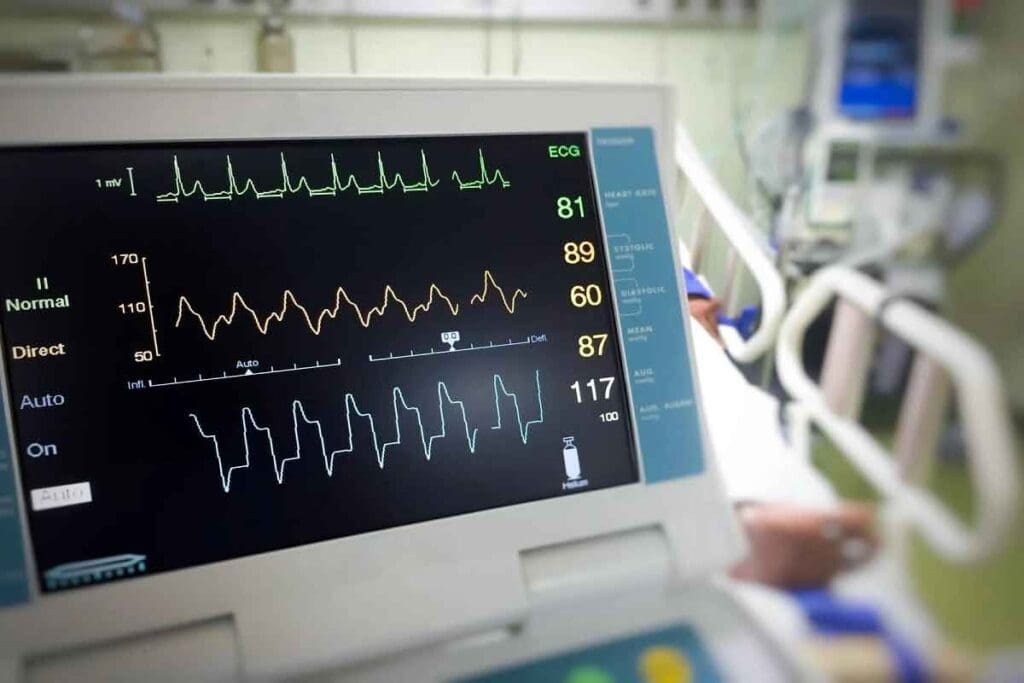
Atrial fibrillation (AFib) can really affect your life, causing heart rhythms that are not normal. Liv Hospital has a solution with cardiac ablation. It’s a procedure that stops abnormal heart signals.
Cardiac ablation, or catheter ablation, makes scars in the heart to stop bad signals. This helps the heart beat normally again. It’s a reliable way to treat AFib, using the latest technology and care.
Learning about cardiac ablation and its benefits helps patients choose the right treatment. Liv Hospital focuses on each patient, giving them care that meets international standards for AFib treatment.
Key Takeaways
- Cardiac ablation is a minimally invasive procedure to treat AFib.
- The procedure involves creating scars to stop irregular electrical impulses.
- Liv Hospital uses advanced technology and expert care for AFib treatment.
- Cardiac ablation aims to restore a normal heart rhythm.
- Personalized care is provided, following international standards.
Understanding Atrial Fibrillation (AFib) and Its Impact
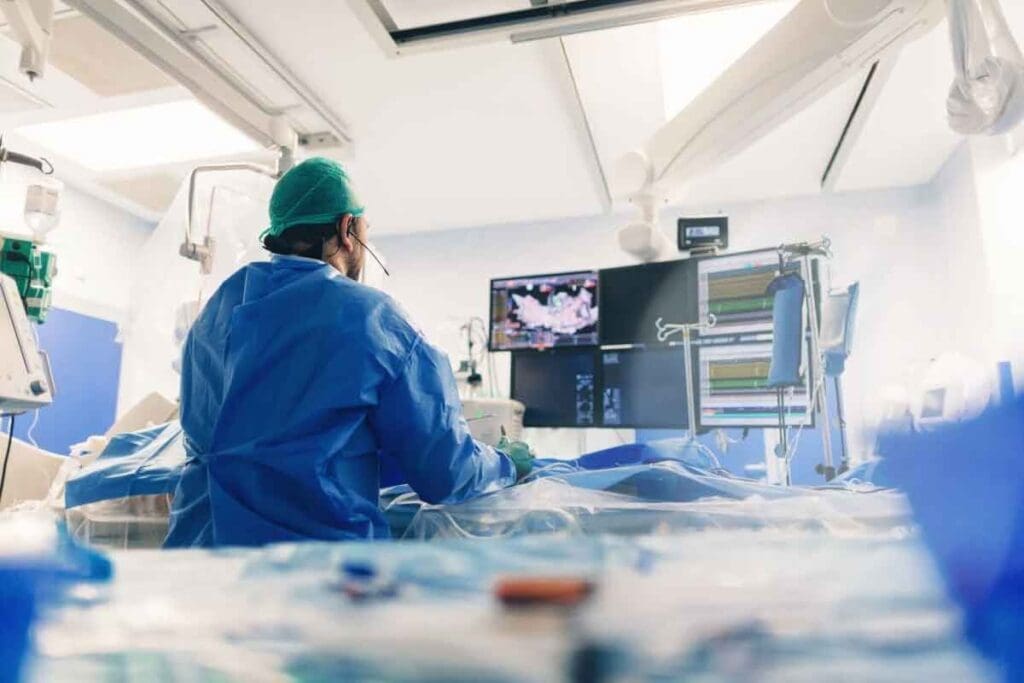
Knowing about atrial fibrillation (AFib) is key for those with it. It affects heart health and overall well-being a lot. AFib is a complex heart issue that needs a detailed plan to manage its effects.
The Mechanism of Atrial Fibrillation
Atrial fibrillation happens when the heart’s upper chambers, the atria, beat irregularly. This makes it hard for blood to move into the ventricles. The heart’s electrical system goes wrong, causing fast and irregular heartbeats.
The mechanism of AFib is linked to the heart’s electrical system failing. This failure leads to rapid and irregular heartbeats. It can be caused by many things, like abnormal electrical pathways in the heart.
Symptoms and Complications of Untreated AFib
The symptoms of AFib can differ a lot from person to person. Some people might feel heart palpitations, shortness of breath, or fatigue. Others might not notice any symptoms at all. Common signs include:
- Heart palpitations or fluttering
- Shortness of breath
- Fatigue or weakness
- Dizziness or lightheadedness
- Chest discomfort or pain
If AFib is not treated, it can cause serious complications. These include stroke, heart failure, and other heart issues. The risk of stroke is high because AFib can cause blood to pool in the atria, leading to clots.
Diagnosing AFib involves tests like an electrocardiogram (ECG or EKG), Holter monitor, event recorder, and echocardiogram. Knowing the diagnosis and the causes of AFib is key to finding the right treatment.
What Is a Heart Ablation for AFib?
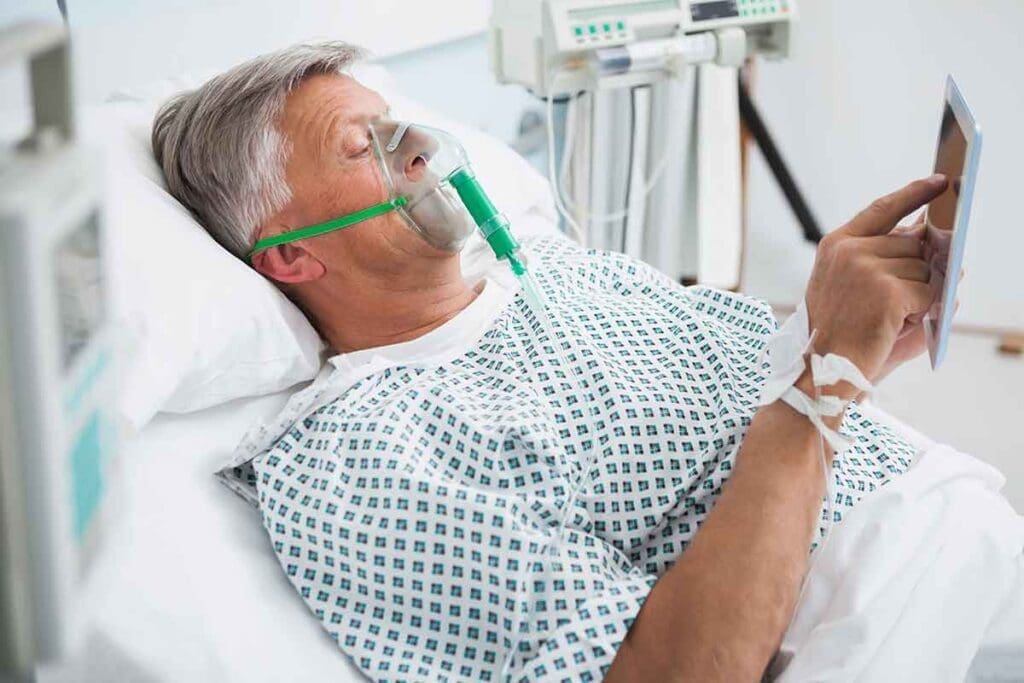
Atrial fibrillation (AFib) heart ablation is a treatment that uses energy to create scar tissue in the heart. This stops the bad electrical signals that cause AFib. It’s a big help for people with AFib, making symptoms better and heart rhythm more stable.
Definition and Basic Principles
Cardiac ablation uses heat or cold to make tiny scars in the heart. These scars stop the bad electrical signals that cause AFib. The goal is to find and fix the heart areas that cause irregular heartbeats.
The procedure uses a thin, flexible tube called a catheter. It goes through a vein in the leg and reaches the heart. Then, it sends out energy to heat or cool the heart tissue, making scars that stop the bad signals.
Types of Ablation Procedures
There are many ablation procedures for AFib, each with its own way of working. The right one depends on the patient’s condition, how bad the AFib is, and their overall health.
- Radiofrequency Ablation: This is very common. It heats the heart tissue with high-frequency electrical energy, making scars that block bad signals.
- Cryoballoon Ablation: This uses a cooled balloon catheter to make scar tissue. The cold creates scars that stop the bad signals.
- Laser Ablation: This is less common but precise. It uses a laser to make scar tissue. It needs special equipment and skill.
| Ablation Type | Methodology | Benefits |
| Radiofrequency Ablation | Uses high-frequency electrical energy to heat targeted heart tissue. | Effective for treating AFib, widely available. |
| Cryoballoon Ablation | Involves cooling a balloon catheter to create scar tissue. | It can be more efficient for certain types of AFib, reducing procedure time. |
| Laser Ablation | Uses a laser to create precise scar tissue. | Offers precision, potentially fewer complications. |
Knowing about the different ablation procedures helps patients choose the best treatment for AFib. Heart ablation is a promising option, reducing symptoms and improving life quality for many.
The Evolution of Ablation Therapy for Atrial Fibrillation
Ablation therapy for atrial fibrillation has seen big changes over time. It’s now a key treatment for those with AFib. This method aims to fix the heart’s electrical problems by targeting specific pathways.
Historical Development
The journey of ablation therapy for AFib started in the late 1990s. Doctors first used catheter ablation to treat arrhythmias. As they learned more about AFib, they developed better techniques.
In the early 2000s, a new method called circumferential pulmonary vein ablation was introduced. It focused on isolating the pulmonary veins from the heart. This was because these veins often cause AFib.
Recent Technological Advances
Recently, ablation therapy has seen big improvements. Three-dimensional mapping systems have made procedures more precise. These systems show the heart’s shape and the catheter’s position in real-time.
Contact force sensing catheters are another big step forward. They help doctors check if the catheter is touching the heart correctly. This reduces risks and improves results.
The use of magnetic resonance imaging (MRI) and electroanatomical mapping has also made ablation better. These tools help plan and guide the procedure, making it safer and more effective.
Looking at old and new ablation methods shows big progress. The table below highlights these changes:
| Aspect | Historical Ablation | Current Ablation |
| Mapping Technology | 2D mapping | 3D mapping with MRI integration |
| Catheter Technology | Standard catheters | Contact force sensing catheters |
| Success Rate | Variable, often lower | Improved with advanced techniques |
| Complication Rate | Higher risk of complications | Reduced risk with advanced technologies |
Studies show ablation is better than long-term meds for some patients. It can reduce symptoms and stroke risk. The procedure is done in a hospital by a trained doctor and a team. It keeps getting better with new tech.
How Heart Ablation Works to Treat AFib
Heart ablation uses advanced catheter technology to treat AFib. It targets the abnormal electrical pathways in the heart. This method aims to restore a normal heart rhythm by changing the tissue causing irregular beats.
Targeting Abnormal Electrical Pathways
The doctor inserts a catheter into the heart. The catheter has sensors on its tip to find the problem areas. These areas are often small and specific, making the catheter’s precision key.
The Process of Tissue Modification
The doctor uses the catheter to apply cold or heat energy to the problem spots. This energy destroys the heart muscle cells,causinge rapid heartbeats. The goal is to modify the heart tissue to stop future AFib episodes.
The procedure is minimally invasive, lowering the risk of complications. Patients can expect a big improvement in their condition. Many see a decrease in AFib symptoms.
The Heart Ablation Procedure: What to Expect
Learning about the heart ablation procedure can help reduce anxiety. It’s a complex process, but knowing what to expect can make it easier.
Pre-Procedure Preparation
Before heart ablation, patients must follow certain steps. This ensures their safety and the success of the treatment. Preparation includes:
- Fasting after midnight the night before
- Stopping certain medications as advised by the doctor
- Arranging for someone to drive them home after
During the Procedure
During the procedure, patients are given sedation to relax. The steps are:
- Insertion of a catheters through a vein in the groin or neck
- Guiding the catheters to the heart using imaging technology
- Ablation of the abnormal electrical pathways in the heart
The medical team closely monitors the process to ensure safety and effectiveness.
Immediate Post-Procedure Care
After the procedure, patients are taken to a recovery area. Here, they are watched for any immediate complications. Common practices include:
- Resting for several hours to allow sedation to wear off
- Monitoring for any signs of bleeding or other complications
- Providing pain management as needed
While there are risks like bleeding or damage, ablation is generally safe and effective. This is performed by experienced teams.
Understanding the heart ablation procedure helps patients prepare for treatment and recovery.
Candidates for Heart Ablation: Who Should Consider This Treatment?
Finding the right candidates for heart ablation is key totreating atrial fibrillation. It’s about looking at a patient’s symptoms, health, and past treatments.
Ideal Patient Profiles
Typically, the best candidates for heart ablation are those:
- With symptomatic atrial fibrillation who haven’t improved with medication
- Who hahasied different anti-arrhythmic drugs without much help
- With a history of stroke or transient ischemic attack (TIA)
- Who are relatively young and have fewer health problems
For many, ablation can greatly reduce AFib’s impact, making life better. But, its important to remember that it doesn’t always cure the problem.
When Ablation Is Not Recommended
There are times when heart ablation isn’t the best choice. These include:
- Patients with advanced heart failure or big la eft atrium
- Those with severe health issues that raise the risk of the procedure
- Patients who are unlikely to benefit because of their health
It’s vital for patients to talk to their healthcare provider about their situation. This helps decide if heart ablation is right for them. Treatment for AFib looks at a patient’s health and if they’ve tried other treatments like meds.
Healthcare providers can find the best candidates for heart ablation by carefully looking at these factors. This way, they can make sure the procedure works best for the patient.
Does Ablation Cure Atrial Fibrillation?
To know if ablation can cure atrial fibrillation, we need to look at its success rates and what affects them. Ablation therapy is known to greatly reduce AFib symptoms and improve heart rhythm. It’s a promising treatment for many.
Realistic Expectations for Outcomes
It’s important to have clear expectations about the ablation’s results. Studies show that ablation can offer better symptom relief and lower stroke risk than long-term meds for the right patients. But success can vary due to factors like how long you’ve had AFib, any heart disease, and your overall health.
Ablation isn’t a one-size-fits-all solution. Its success depends on the type of AFib you have. Those with paroxysmal AFib usually see better results than those with more chronic forms.
Factors Affecting Cure Rates
Several things can change how well AFib ablation works, including:
- The skill and experience of the doctor doing the procedure
- The technology and methods used during the ablation
- Who gets the treatment, based on the type and length of AFib
- How well you’re cared for after the procedure and during follow-ups
| Factor | Impact on Cure Rates |
| Operator Experience | Higher success rates with experienced operators |
| Type of AFib | Paroxysmal AFib has better outcomes than persistent AFib |
| Technology Used | Advanced technologies like cryoballoon ablation can improve outcomes |
In summary, ablation can greatly improve life for those with atrial fibrillation. But,it’s not a cure for everyone. It’s key to understand its limitations and how it works for you. Talking to your doctor can help you make the best choice for your treatment.
Latest Research on Ablation Effectiveness
New studies on ablation for AFib show great promise. They highlight how ablation can help with symptoms and lower stroke risk. These studies compare ablation to traditional medicines for treating atrial fibrillation.
Symptom Relief Compared to Medications
Ablation seems to work better than medicines for some patients. Research shows that ablation greatly reduces AFib symptoms, making life better for those who get it. A study in a top cardiology journal found that ablation cut symptoms by more than 70% for those with paroxysmal AFib.
It’s important to compare ablation and medicines for symptom relief. Here are the main points from recent studies:
| Treatment | Symptom Relief | Study Findings |
| Ablation Therapy | Significant reduction in AFib symptoms | Greater than 70% reduction in symptoms |
| Medication Alone | Moderate symptom relief | Variable response, often with significant side effects |
Stroke Risk Reduction Findings
Research also looks at how ablation can lower stroke risk in AFib patients. Studies suggest that successful ablation can reduce stroke risk. But, ow much depends on the patient and other risk factors.
Liv Hospital and others lead in using the latest ablation techniques. They keep up with new research to offer the best care. This ensures patients get the most effective treatment.
As research keeps improving, we’ll learn more about ablation’s benefits and limits for AFib. This will help doctors and patients make better choices.
Potential Risks and Complications of Heart Ablation
Heart ablation is a common treatment for AFib. But, i’s important to know the possible risks. Knowing these risks helps patients make better choices about their treatment.
Common Side Effects
Side effects of heart ablation include pain, fatigue, and swelling. These usually go away in a few days. It’s key to have a doctor watch over you to handle these side effects.
Serious Complications
Though rare, serious complications can happen. These include arrhythmias, bleeding, and damage to the heart. The chance of these problems depends on the patient and the doctor’s skill.
| Complication | Description | Risk Factors |
| Arrhythmias | Abnormal heart rhythms that can occur during or after the procedure. | Pre-existing heart conditions, procedural technique. |
| Bleeding | Bleeding at the catheter insertion site or internally. | Anticoagulant use, vascular disease. |
| Infection | Infection at the catheter site or within the heart. | Poor sterile technique, compromised immune system. |
Risk Mitigation Strategies
To lower the risks of heart ablation, several steps can be taken. These include choosing the right patients and using the latest technology. Doctors with lots of experience are also key in keeping risks low.
Good care after the procedure is also important. This means watching for signs of infection and following the doctor’s advice on medication and activity.
By knowing the risks and how to reduce them, patients can make smart choices. This helps them get the best results from their treatment.
Recovery After Heart Ablation Surgery
After heart ablation surgery, patients need to follow a careful recovery plan. This plan helps avoid complications and ensures a smooth return to daily life.
Timeline for Recovery
Most patients can go back to their usual activities the day after surgery. They should avoid hard work for a few days to a week. This helps the body heal properly.
Doctors closely watch patients in a recovery room right after surgery.Expert , a cardiologist, says,
“The first 24 hours are critical in determining the success of the ablation procedure and in managing any immediate side effects.”
Activity Restrictions
Patients should not do heavy work or lift anything over 10 pounds for a week. This rule helps prevent problems at the catheter site and aids in healing.
It’s best to slowly get back to normal activities. Here’s a simple guide for what to do during recovery:
| Activity Level | Recommended Timeline |
| Light activities (e.g., walking) | Resume immediately |
| Moderate activities (e.g., household chores) | Resume after 2-3 days |
| Strenuous activities (e.g., heavy lifting, intense exercise) | Avoid for 7-10 days |
Follow-Up Care
Regular check-ups with your doctor are key to recovery. These visits help monitor your health and adjust medications if needed.
Key aspects of follow-up care include:
- Monitoring for any signs of complications or recurrence of AFib symptoms
- Adjusting anticoagulation therapy as needed
- Discussing any concerns or questions with the healthcare provider
Following the recommended recovery steps and attending follow-up visits can greatly improve your chances of a successful outcome after heart ablation surgery.
Choosing the Right Medical Team for Your Ablation
Having the right medical team for your ablation is key to its success. The success of your ablation procedure depends a lot on your team’s experience and skill.
For heart ablation due to AFib, your team’s expertise is very important. You need a team with lots of experience in cardiac ablation procedures.
Specialist Experience Matters
It’s important to pick a doctor with special training in electrophysiology and lots of experience in cardiac ablation. An experienced team can make your procedure safer and more effective.
- Look for a cardiologist who specializes in electrophysiology.
- Make sure your doctor has a good track record with ablation procedures.
- Ask about their experience with patients like you.
Questions to Ask Your Doctor
Before your ablation, it’s important to talk to your doctor in detail. Here are some key questions to ask:
- What experience do you have with cardiac ablation procedures?
- What are the possible risks and complications of this procedure?
- How will you keep me safe during the procedure?
- What kind of care can I expect after the procedure?
- How will we check on my condition after the procedure?
By asking these questions, you can understand what to expect and make a good choice for your treatment.
Choosing the right medical team is a big step in treating AFib with ablation. Take time to find a team that fits your needs and offers the best care.
Conclusion: Making an Informed Decision About Heart Ablation for AFib
Patients with atrial fibrillation (AFib) have to think carefully about their treatment options. Heart ablation is a good choice for many, as it can cure or greatly reduce symptoms. It’s important to know what the procedure involves, its benefits, and risks before deciding.
Choosing heart ablation means looking at your own situation, how bad your AFib is, and the procedure’s benefits and risks. Talking to a specialist can help you decide if heart ablation is right for you.
Deciding on heart ablation for AFib is a personal choice that needs careful thought. You should talk to your doctor about your health history, symptoms, and any worries you have. This way, you can make the best choice for your health.
FAQ
What is heart ablation for atrial fibrillation?
Heart ablation for atrial fibrillation is a procedure. It uses energy to destroy abnormal heart pathways. This helps treat arrhythmia.
How does ablation treat atrial fibrillation?
Ablation targets the tissue causing abnormal heart rhythms. It aims to restore a normal heart rhythm.
What are the different types of ablation procedures available for AFib?
There are several ablation procedures for AFib. These include radiofrequency, cryoablation, and laser ablation. Each uses diffa erent energy to treat the condition.
Is ablation a cure for atrial fibrillation?
Ablation can treat AFib effectively. But whether it’s a cure depends on many factors. These include the cause of AFib, its duration, and the patient’s health.
What are the possible risks and complications of heart ablation?
Heart ablation can have risks. These include bleeding, infection, and damage to the heart or blood vessels. Reactions to anesthesia are also possible.
How long does it take to recover from heart ablation surgery?
Recovery time varies after heart ablation surgery. Most people can get back to normal activities in a few days to weeks.
What is the success rate of ablation for AFib?
Success rates vary for AFib ablation. It depends on the type of AFib, its duration, and the medical team’s expertise.
Can ablation reduce the risk of stroke in patients with AFib?
Successful ablation may lower stroke risk in AFib patients. But it depends on other stroke risk factors too.
How do I choose the right medical team for my ablation procedure?
Choosing the right team involves looking at the electrophysiologist’s experience. Also, consider the hospital’s quality of care.
What should I ask my doctor before undergoing heart ablation?
Ask your doctor about their experience with ablation. Also, ask about risks, benefits, and what to expect during recovery.
Are there alternative treatments to ablation for AFib?
Yes, there are alternatives. These include medications, cardioversion, and lifestyle changes.
What is the definition of aan blation procedure?
An ablation procedure uses energy to destroy abnormal tissue. AFib iargets the heart’s electrical pathways.
What is an AFib ablation?
An AFib ablation is a procedure for treating atrial fibrillation. It targets the heart’s abnormal electrical pathways.
Does ablation cure atrial fibrillation permanently?
The permanence of the cure varies. It depends on the patient’s health, the type of AFib, and the procedure’s success.
What are the benefits of choosing ablation for AFib treatment?
Choosing ablation can offer symptom relief and lower stroke risk. It also reduces medication reliance.
Reference
- Jaramillo, A. P. (2023). The effectiveness of ablation therapy for atrial fibrillation: Meta-analysis shows reduced mortality, stroke, and heart failure hospitalization with catheter ablation compared to medical treatment. PMC, https://pmc.ncbi.nlm.nih.gov/articles/PMC10460603/



 Departments
 Related Videos
 Our Doctors
 News
News