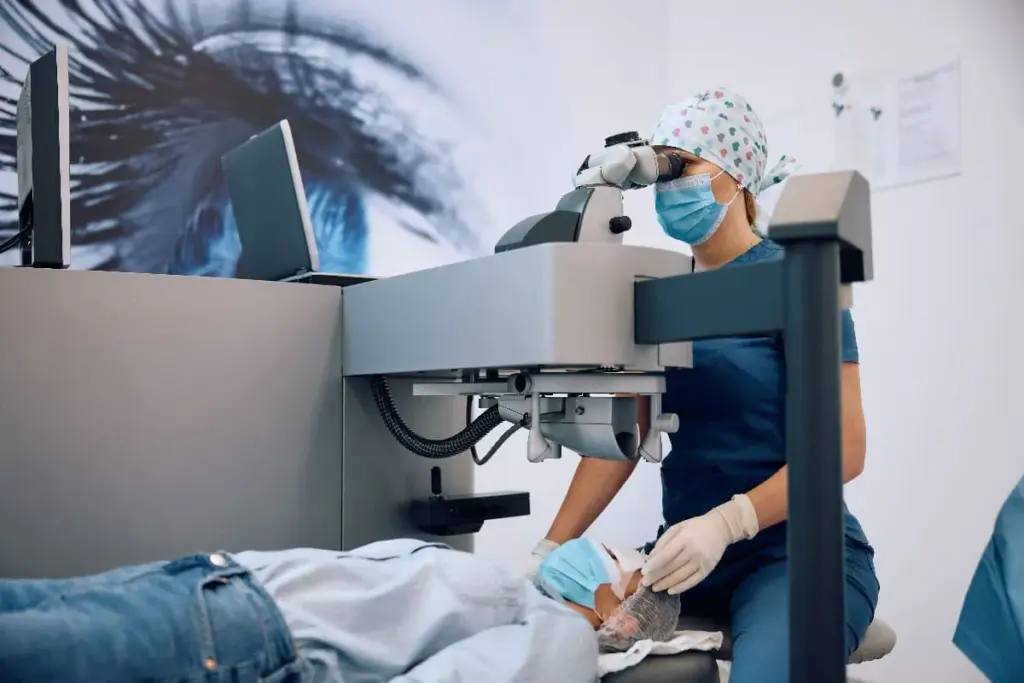
Lasers are used in many fields and in medicine, but they can cause serious harm if not used right. We must know the dangers of laser beams to keep everyone safe. The skin and eyes are the most at risk of laser damage. What is a laser beam? Learn the vital safety rules to protect your eyes and skin from dangerous damage for amazing lifelong health.
The skin can get burns and lesions from laser radiation. But the eyes, and the retina in particular, are very sensitive. They can easily get hurt from laser-induced injuries. It’s very important to make sure we follow laser safety rules to avoid these problems.
Key Takeaways
- The skin and eyes are the most susceptible organs to laser damage.
- Laser exposure can cause burns and lesions on the skin.
- The retina is very sensitive to laser injuries.
- Knowing how to stay safe from lasers is key.
- By taking the right precautions, we can lower the risk of laser injuries.
The Science Behind Laser Technology
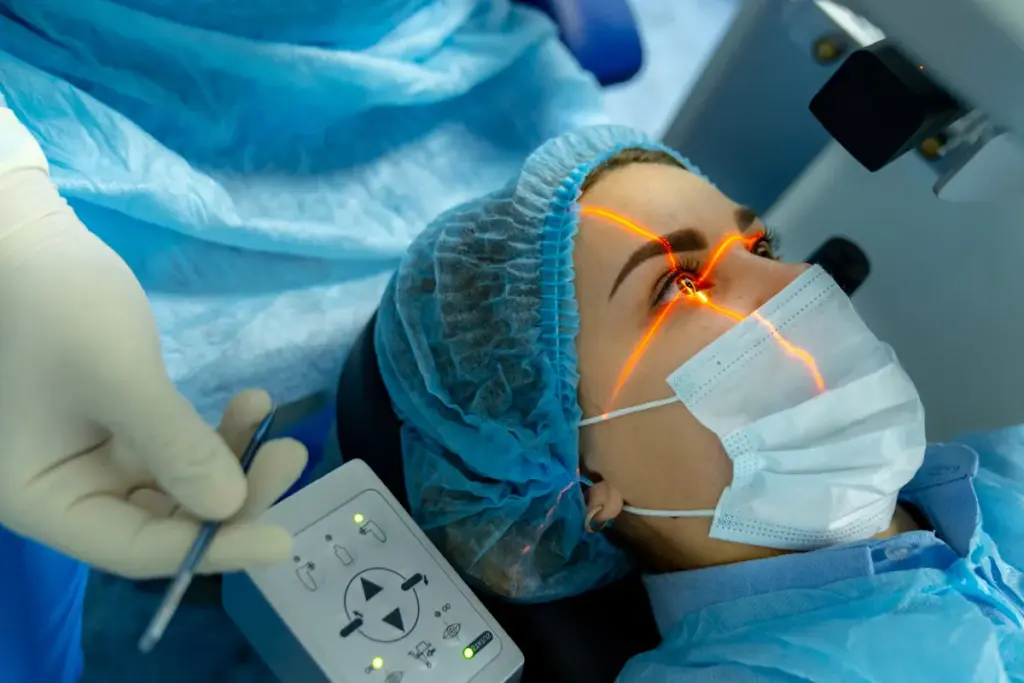
Learning about laser technology means looking at its history and how it works. Lasers have been made for many uses, like in medicine and industry.
Historical Development of Lasers
The idea of lasers started in the early 20th century. But, the first working laser was made in the 1960s. Ever after, lasers have grown a lot, used in medicine, industry, and more.
Lasers are used in many ways, like in precise medical work and in making things in industry. There are many types of lasers, like gas, solid-state, and semiconductor lasers. This has made lasers even more useful.
Basic Principles of Laser Operation
Lasers make light stronger by using a process called stimulated emission. This happens when a gain medium, like a gas or solid, is excited. It then releases photons that match the light it gets, making it stronger.
The special things about laser beams, like being coherent and monochromatic, make them very useful. Knowing how laser beams work with different materials is key to using them safely and well.
We’ll keep looking at laser beams and their uses in technology and medicine. This will show how important they are today.
What Is a Laser Beam: Definition and Core Concepts
Laser beams are a concentrated stream of light. They are known for their coherence, monochromaticity, and directionality. These traits make them useful in many fields, like medicine and manufacturing.
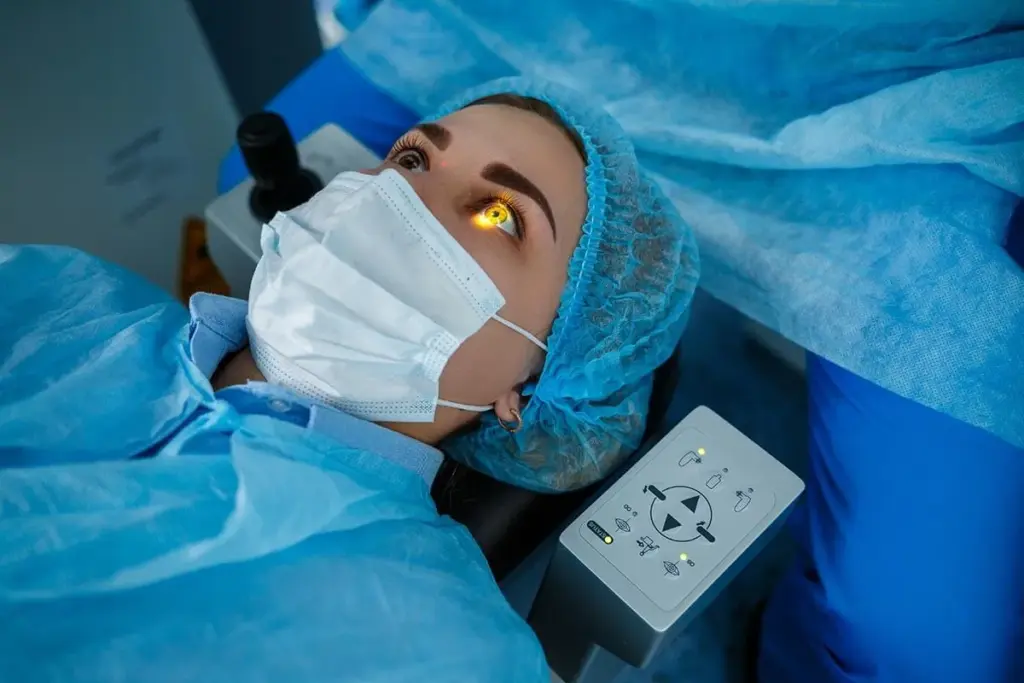
Properties That Make Laser Beams Unique
Laser beams have special properties. Coherence means their light waves stay in sync, allowing for precise focus. Monochromaticity means they have a single color or wavelength, important for specific material interactions. Directionality lets them travel far without losing focus, perfect for cutting and precise measurements.
How Laser Beams Differ From Conventional Light
Conventional light spreads out in all directions and has many wavelengths. Laser beams, on the other hand, are focused and single-colored. This makes them better for precise tasks, like medical treatments or cutting.
|
Characteristics |
Laser Beams |
Conventional Light |
|---|---|---|
|
Directionality |
Highly directional |
Emits in all directions |
|
Coherence |
Coherent |
Incoherent |
|
Monochromaticity |
Monochromatic |
Polychromatic |
Laser beams’ unique properties are key to their wide use. They are essential in fields like telecommunications and medicine. Knowing these core concepts helps us see the full power of laser technology.
Types of Lasers and Their Applications
It’s important to know about the different lasers and how they are used. Lasers are sorted by their purpose, power, and how they are made. This knowledge helps us use them safely and well.
Medical Lasers
Medical lasers are made for precise surgeries and treatments. They help make surgeries less invasive, cutting down recovery time and improving results. Here are some main uses of medical lasers:
- Laser eye surgery: Fixes vision issues like nearsightedness, farsightedness, and astigmatism.
- Dermatological treatments: Gets rid of unwanted hair, tattoos, and treats skin problems.
- Cosmetic procedures: Rejuvenates the skin and removes blood vessels and lesions.
These lasers are sorted by wavelength and what tissue they target. This ensures safe and effective treatments.
Industrial Lasers
Industrial lasers are for cutting, welding, and processing materials. They are precise and efficient, key in making things. Here are some main uses:
- Material cutting: Cuts metals, plastics, and other materials with precision.
- Welding: Creates strong welds in various materials.
- Engraving and marking: Makes permanent marks on products for tracking and identification.
Industrial lasers are picked based on their power and the needs of the manufacturing process.
Consumer-Grade Lasers
Consumer-grade lasers are in things like laser pointers, printers, and optical tools. They are not as strong as industrial or medical lasers but need care to avoid accidents. Here are some common uses:
- Presentations and educational tools: Laser pointers help highlight points.
- Entertainment: Used in laser light shows and decorations.
- Office equipment: Laser printers for quality prints.
It’s key to follow safety rules when using these lasers to avoid eye injuries and other mishaps.
Knowing about the various lasers and their uses helps us appreciate the tech. It also helps us use them safely.
Laser Beam Characteristics and Their Impact on Biological Tissue
Laser beam characteristics, like wavelength and power density, greatly affect how they interact with biological tissue. Knowing these traits is key to understanding the risks of laser exposure.
Wavelength and Tissue Absorption
The wavelength of a laser beam affects how it is absorbed by biological tissue. Different tissues absorb laser energy at different wavelengths. For example, water and pigmented tissue absorb certain wavelengths more than others.
This selective absorption can cause specific types of tissue damage. For instance, lasers with wavelengths that are highly absorbed by the retina can cause severe retinal damage.
When evaluating laser risks, we must consider the absorption traits of various tissues. The effects of laser radiation on tissue vary greatly and depend on the wavelength. This shows why knowing a laser’s wavelength and its impact on different tissues is so important.
Power Density and Exposure Duration
Power density and exposure duration are also key factors in determining tissue damage. Power density is the concentration of laser energy on a specific area. Exposure duration is how long the tissue is exposed to the laser beam.
Higher power densities and longer exposure times can cause more severe tissue damage. For example, a high-powered laser with a narrow beam can damage a small area significantly. On the other hand, a lower-powered laser with a broader beam may have less severe effects.
Understanding how power density and exposure duration interact is vital for laser safety. By managing these factors, we can reduce the risks of laser exposure and prevent injuries.
The Skin: Primary Target for Laser Damage
The skin is the body’s outer layer and is very sensitive to laser radiation. This sensitivity can lead to serious damage. It’s a big worry in places like work, hospitals, and homes.
Anatomy of the Skin and Vulnerability to Lasers
The skin has different layers, starting with the epidermis, then the dermis, and the hypodermis at the bottom. Each layer reacts differently to laser light. Things like skin color, thickness, and moisture affect how it absorbs laser energy.
Key factors that contribute to the skin’s vulnerability include:
- The presence of melanin, which absorbs laser light and can lead to thermal damage.
- The skin’s surface irregularities, which can cause uneven absorption of laser energy.
- Pre-existing skin conditions that may alter its response to laser exposure.
Types of Skin Damage Caused by Lasers
Lasers can harm the skin in many ways, from mild redness to serious burns and scars. The damage depends on the laser’s power, wavelength, and how long it’s on.
|
Type of Damage |
Description |
Typical Causes |
|---|---|---|
|
Erythema |
Mild redness of the skin |
Low-power laser exposure, often due to accidental or brief exposure. |
|
Burns |
Thermal damage causing blistering or charring |
High-power laser exposure, often in industrial or medical settings. |
|
Scarring |
Permanent damage leading to scar formation |
Severe burns or repeated exposure to laser radiation. |
It’s important to know about these risks to prevent laser damage to the skin. By understanding how the skin can be hurt, we can keep people safe when working with lasers.
Risk Factors for Laser-Induced Skin Injuries
The risk of getting hurt from lasers depends on several things. These include your skin type and the environment around you. Knowing these risks helps prevent injuries and keeps laser use safe.
Skin Type and Pigmentation Considerations
How likely you are to get hurt from lasers changes with your skin type and color. People with darker skin might face more risks because their skin absorbs more laser energy. On the other hand, those with lighter skin might be at risk because they have less protection against laser beams.
Skin pigmentation plays a big role in how laser energy is absorbed. Melanin, the pigment in skin, absorbs laser energy. This can cause different levels of injury, depending on your skin type.
Environmental and Occupational Risk Factors
Jobs and the environment also play a big part in laser injury risks. Workers in places like factories or hospitals are more likely to get hurt because they’re around lasers a lot. Things like flammable materials or shiny surfaces can make injuries or fires more likely.
- Working with strong lasers without safety gear raises injury risks.
- Being near flammable stuff when using lasers can start fires.
- Lack of training on laser safety can lead to accidents.
By knowing these risks, we can find ways to lower the chances of laser injuries. This helps make work places safer for everyone.
The Eyes: Most Vulnerable Organ to Laser Radiation
The human eye is very sensitive to laser beams. This is because of its complex structure and how it focuses light. This focusing increases the laser’s power density, making it dangerous.
Ocular Anatomy and Laser Vulnerability
The eye’s design makes it vulnerable to laser damage. The cornea, lens, and retina work together to focus light. This focusing can cause severe damage to the retina.
Key components of the eye that contribute to its vulnerability include:
- The cornea, which is the transparent outer layer that can be damaged by certain wavelengths of laser light.
- The lens, which focuses the laser beam onto the retina.
- The retina, which is responsible for converting light into neural signals and is highly susceptible to laser-induced damage.
|
Ocular Component |
Vulnerability to Laser |
Potential Damage |
|---|---|---|
|
Cornea |
High for certain wavelengths |
Corneal burns or lesions |
|
Lens |
Moderate |
Cataract formation |
|
Retina |
High |
Retinal burns, lesions, or detachment |
The Retina: Why It’s Extremely Susceptible
The retina is very sensitive to laser damage. It is designed to absorb light. When a laser hits the retina, it can cause immediate damage and vision loss.
The reasons for the retina’s susceptibility include:
- Its role in absorbing light and converting it into neural signals.
- The focusing effect of the eye’s lens, which concentrates the laser energy onto a very small area.
- The high sensitivity of retinal tissue to laser radiation.
It’s important to understand the risks of laser radiation to the eyes. This knowledge helps us create better safety measures and protective gear. By focusing on the eyes’ vulnerability, we can reduce the dangers of laser exposure.
Specific Eye Injuries Caused by Different Laser Types
Different lasers can harm the eyes in various ways. This includes damage to the retina and corneal burns. Knowing these risks helps us stay safe from laser exposure.
Visible Light Lasers and Retinal Damage
Visible light lasers are dangerous because they emit light we can see. This light focuses on a small area of the retina. This can cause serious damage.
Retinal Damage Mechanisms: Visible light lasers can harm the retina through photochemical and thermal effects. The intense beam can heat up the retina, leading to burns or damage.
“The risk of retinal injury from visible light lasers is high. The eye’s optical system focuses the laser onto a tiny spot on the retina. This concentrates the energy and increases the risk of damage.”
Infrared and Ultraviolet Laser Effects on the Cornea and Lens
Infrared and ultraviolet lasers can also cause eye injuries. These lasers are more likely to harm the cornea and lens than the retina.
|
Laser Type |
Wavelength |
Primary Eye Structure Affected |
Potential Injury |
|---|---|---|---|
|
Visible Light Laser |
400-700 nm |
Retina |
Retinal Damage or Burns |
|
Infrared Laser |
700 nm – 1 mm |
Cornea, Lens |
Cataracts, Corneal Burns |
|
Ultraviolet Laser |
<400 nm |
Cornea |
Photokeratitis (Corneal Inflammation) |
The table shows how different lasers affect the eye. OSHA guidelines stress the need to understand these risks. This helps us take the right safety steps.
Knowing the risks of different lasers helps us protect our eyes. We can use the right protective gear and follow safety rules. This keeps our eyes safe when working with lasers.
Common Scenarios Leading to Laser Injuries
It’s important to know the common causes of laser injuries. Laser technology is useful in many ways but can be dangerous if not used right.
Accidental Exposure in Laboratory Settings
Laboratories are places where laser accidents often happen. Accidental exposure to laser beams can occur if safety rules are not followed. It’s key to have proper training and follow safety guidelines to avoid these risks.
In labs, using high-powered lasers for research raises the risk of exposure. It’s vital for lab workers to know the dangers and follow safety steps to prevent injuries.
Consumer Product Misuse
More laser products are available for consumers, leading to more injuries. Misuse of these products, often because people don’t understand the risks, can cause serious harm. We must teach consumers how to safely use laser products and the dangers of misuse.
Consumer lasers, like laser pointers, can hurt eyes if not used right. It’s important for makers to give clear safety tips and for users to follow them to avoid accidents.
Malicious Targeting with Laser Pointers
Using laser pointers to harm others is a big worry for public safety. Intentionally blinding or distracting people, like pilots or drivers, can be very dangerous. We need to raise awareness and take legal steps to stop this.
Using laser pointers for harmful reasons is a serious crime and can lead to harsh penalties. Health and law agencies must work together to stop these acts and teach the public about the dangers of misuse.
Laser Safety Classifications and Regulations
It’s important to know about laser safety classifications and rules. Lasers are sorted by how dangerous they can be to eyes and skin. This sorting helps decide what safety steps are needed.
International Safety Standards
The International Electrotechnical Commission (IEC) sets global laser safety standards. They group lasers into categories from Class 1 (safe) to Class 4 (very dangerous). Knowing the class is key to taking the right safety steps.
Some important parts of these standards are:
- Classification: Lasers are sorted by how much harm they can cause.
- Labeling: Lasers need to show their class and warning signs.
- Safety Measures: Users must follow safety steps based on the laser’s class, like wearing protective eyewear.
OSHA and FDA Regulations for Laser Use
In the U.S., OSHA and the FDA help keep laser use safe. OSHA makes rules for safe workplaces, including laser use. The FDA checks that laser products are safe before they’re sold.
Important rules include:
- OSHA Regulations: Employers must keep workplaces safe, including training and using protective gear with lasers.
- FDA Regulations: Laser makers must follow safety standards and put on warning labels.
Following these laser safety rules helps reduce risks. It makes sure everyone is safe when using lasers.
Protective Measures Against Laser Damage
To protect against laser damage, we need a mix of personal protective gear and engineering controls. We must think about the laser’s characteristics and where it’s used.
Personal Protective Equipment
Personal protective equipment (PPE) is key for laser safety. This includes laser safety glasses or goggles that block certain laser light. The right PPE depends on the laser type and its dangers.
It’s important to make sure PPE fits right and is in good shape. For example, laser safety glasses should be checked for damage and cleaned as the maker says.
Engineering Controls and Safe Practices
Engineering controls are also vital for laser safety. These are changes to the laser or its area to lower risk. Examples are enclosed laser systems and beam containment tools.
Safe practices are also key. This means training people who work with lasers, following safety rules, and using warning signs. This alerts others to laser dangers.
|
Control Measure |
Description |
Benefit |
|---|---|---|
|
Laser Safety Glasses |
Protective eyewear designed for specific laser wavelengths |
Prevents eye damage from laser exposure |
|
Enclosed Laser Systems |
Lasers operated within enclosed systems to prevent beam escape |
Reduces risk of accidental exposure |
|
Beam Containment |
Devices or methods used to contain or terminate the laser beam |
Minimizes the risk of laser beam exposure to personnel |
By using personal protective gear, engineering controls, and safe practices, we can lower laser risks a lot. It’s our duty to make sure these steps are taken to keep people and the environment safe.
Treatment and Management of Laser Injuries
Quick action is key when laser exposure hurts the eyes or skin. Laser injuries can be very serious if not treated right. It’s important to know the best ways to treat them.
Emergency Response to Laser Eye Injuries
Laser eye injuries need fast help. First, move the person away from the laser. Tell them not to rub their eyes, as it can make things worse. Seeing a doctor right away is very important to check how bad the injury is.
A study on the National Institutes of Health website says laser eye injuries can cause serious vision if not treated quickly. It shows how critical quick action and medical care are.
“Laser pointers, though seemingly harmless, can cause significant retinal damage. The severity of the injury often depends on the power and duration of exposure.”
Medical Interventions for Laser Skin Damage
Laser skin damage can be mild or severe burns. Treatment varies with the burn’s severity. Mild burns might need just creams and dressings, but severe ones might need surgery. Always see a doctor to avoid infections and help healing.
|
Burn Severity |
Treatment Approach |
Expected Outcome |
|---|---|---|
|
Mild |
Topical creams and dressings |
Healing within a few days |
|
Moderate |
Debridement and wound care |
Healing within a few weeks |
|
Severe |
Surgical intervention |
Prolonged recovery, possible scarring |
In summary, treating laser injuries needs a quick and thorough plan. Knowing the injury’s type and using the right medical steps can lessen its effects and help recovery.
Conclusion: Balancing Laser Benefits with Safety Concerns
We’ve looked at how lasers are used in medicine and industry, showing their many benefits. But, we must also talk about the dangers of laser exposure, like eye and skin harm.
To stay safe, we need to follow strict safety rules. This includes wearing protective gear and using special controls. Knowing the risks and taking steps to prevent them can help avoid injuries.
Finding the right balance between using lasers and keeping them safe is vital. As we keep improving laser technology, we must always put safety first. This way, we can use lasers without risking harm to people.
FAQ
What are the two organs most susceptible to laser damage?
The skin and eyes are most at risk from laser damage. This is because they are very sensitive to laser radiation.
How does a laser beam work?
A laser beam amplifies light through a process called stimulated emission. This creates a focused beam of light that can be controlled with precision.
What is the difference between a laser beam and conventional light?
Laser beams are special because of their coherence and monochromaticity. These properties set them apart from regular light sources.
What are the different types of lasers and their applications?
Lasers are used in many ways. Medical lasers are used for precise surgeries. Industrial lasers are for cutting and welding. Consumer-grade lasers are in products like laser pointers and printers.
How do laser beam characteristics impact biological tissue?
The wavelength, power density, and how long you’re exposed to a laser beam affect biological tissue. This can lead to damage or injury.
What are the risk factors for laser-induced skin injuries?
Skin type and color, plus environmental and work exposures, increase the risk of laser skin injuries.
Why are the eyes particular vulnerable to laser radiation?
The eyes are at risk because of their structure. The retina is very sensitive to laser beams.
What are the specific eye injuries caused by different types of lasers?
Visible light lasers can harm the retina. Infrared and ultraviolet lasers can damage the cornea and lens, causing eye injuries.
What are the common scenarios that can lead to laser injuries?
Accidental exposure in labs, misuse of consumer products, and intentional targeting with laser pointers are common causes of laser injuries.
What regulations govern laser safety?
International standards and rules from OSHA and FDA ensure safe laser use. They govern laser safety.
What protective measures can be taken to prevent laser damage?
To avoid laser damage, use personal protective gear, engineering controls, and follow safe practices. This ensures safe laser use.
How are laser injuries treated and managed?
Quick response to laser eye injuries and medical treatment for laser skin damage are key. They help manage and treat laser injuries.
What is laser radiation?
Laser radiation is energy emitted as electromagnetic waves. It’s often in the visible, ultraviolet, or infrared spectrum.
What is the OSHA standard for laser safety?
OSHA has standards for laser safety. They provide guidelines for safe laser use in labs and workplaces.
How does laser safety classification work?
Laser safety classification is based on hazard level. It ranges from Class 1 (safe) to Class 4 (high hazard).
References
National Center for Biotechnology Information. Evidence-Based Medical Insight. Retrieved from https://pmc.ncbi.nlm.nih.gov/articles/PMC4502191/