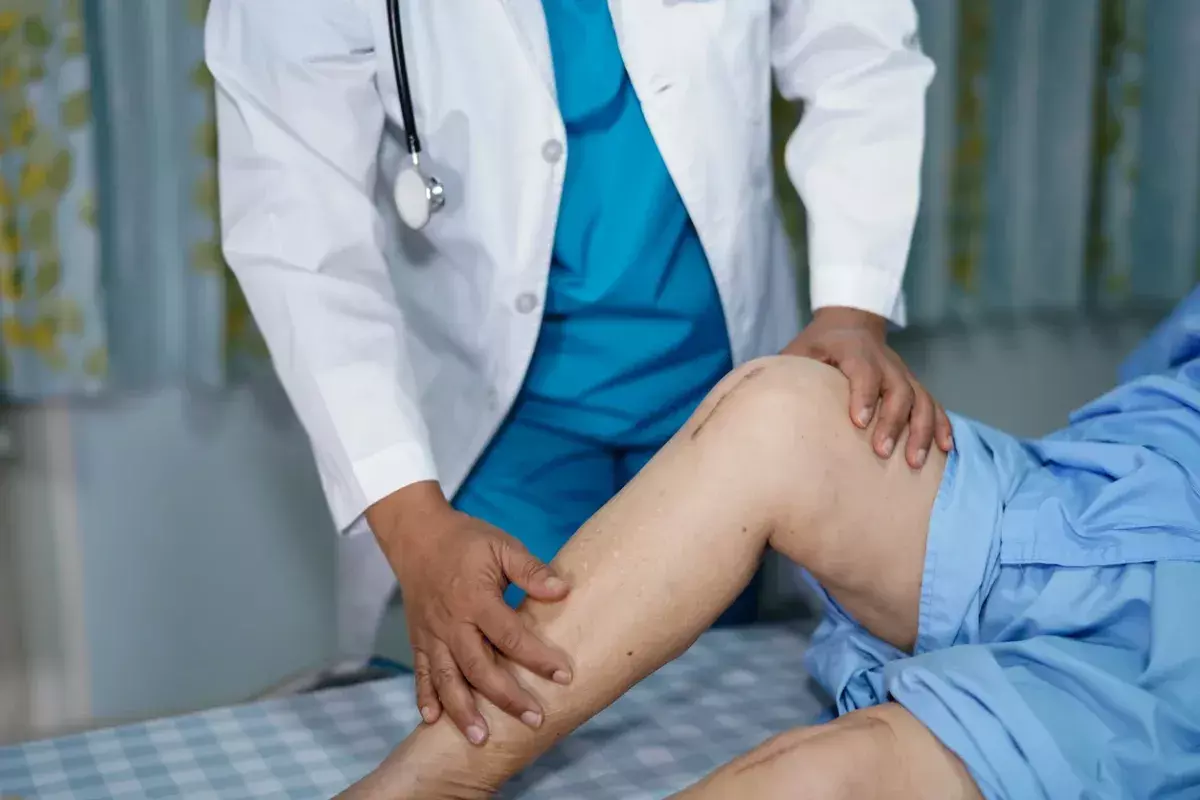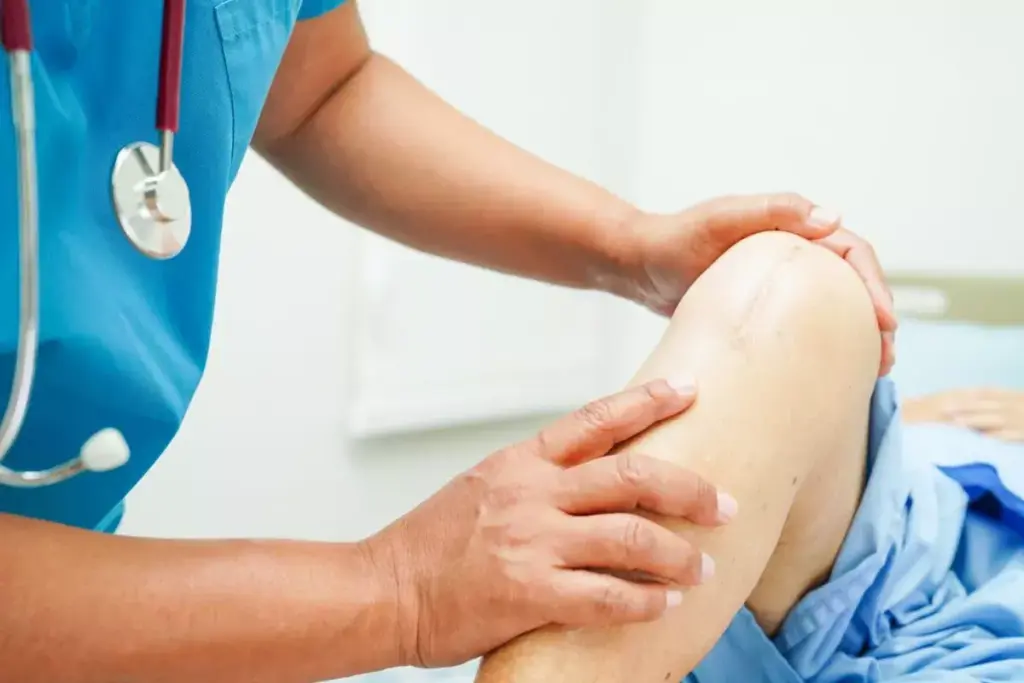
The posterior cruciate ligament (PCL) is a key ligament in the knee. It helps keep the knee stable. A PCL tear happens when this ligament gets stretched or torn. This usually happens from a strong hit to the knee’s front.
PCL injuries are not as common as ACL ones but can be very painful. They can also make the knee feel unstable. Knowing about PCL tears and how to treat them is important for getting better. At Liv Hospital, we have a team ready to help with the latest care methods.
For more info on PCL injuries, check out the American Academy of Orthopaedic Surgeons.
Key Takeaways
- PCL tears are less common than ACL injuries but can cause significant knee instability.
- A direct blow to the front of the knee is a common cause of PCL injuries.
- Symptoms include pain, swelling, and difficulty walking.
- Treatment options range from nonsurgical methods like RICE (rest, ice, compression, elevation) to surgical reconstruction.
- Recovery and rehabilitation are key to getting back knee strength and motion.
Understanding the Posterior Cruciate Ligament
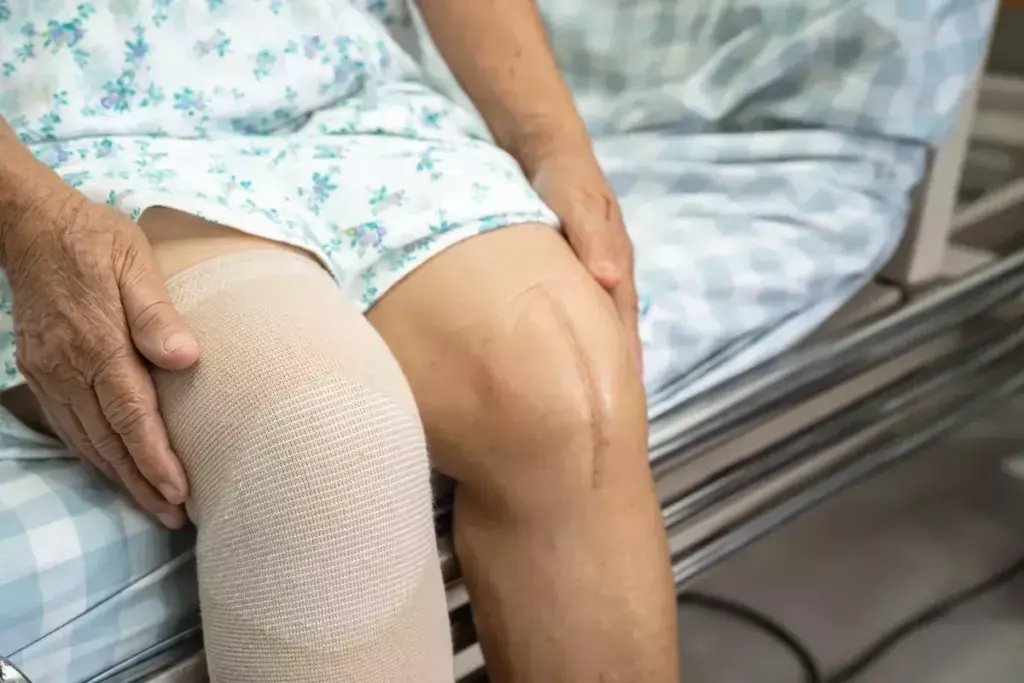
It’s key to know about the posterior cruciate ligament to understand knee function and injury causes. The posterior cruciate ligament (PCL) is a vital part of the knee. It helps keep the knee stable and working right.
Anatomy and Function of the PCL
The PCL is very strong, linking the femur to the tibia. It’s about 1.3 to 2 times thicker and twice as strong as the ACL. This makes it key in stopping the tibia from moving too far back. It’s important for knee stability, mainly when bending, twisting, or hitting the knee.
Comparison to Other Knee Ligaments
The knee has four main ligaments: ACL, MCL, LCL, and PCL. The PCL stands out because of its strength and central role in knee mechanics. Unlike the ACL, PCL injuries often happen from direct hits, like car accidents or falls onto bent knees.
Compared to other ligaments, the PCL’s unique role is vital for knee stability, mainly in bending and straightening. Its strength and toughness help absorb and spread forces, protecting the knee from harm.
Types and Signs of PCL Tears
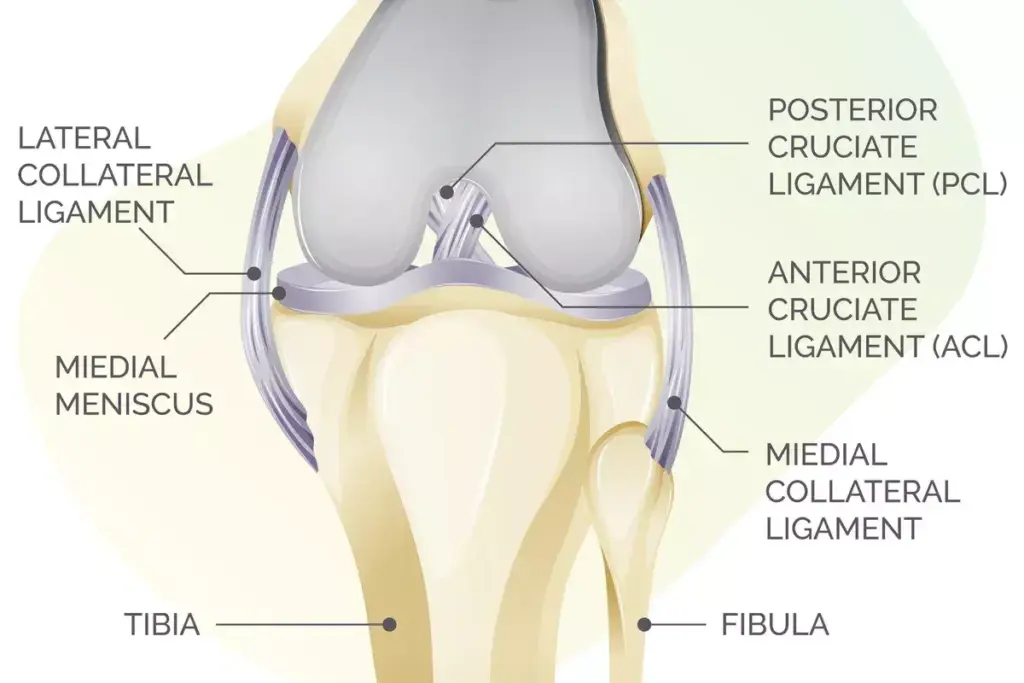
The posterior cruciate ligament (PCL) can tear in different ways, each with its own symptoms. These tears can make it hard to move your knee, causing pain and instability. Knowing the types and signs of PCL tears helps doctors diagnose and treat them better.
Grading System for PCL Injuries
PCL injuries are graded based on how bad they are. Grade I injuries are minor, with just a little pain and no big instability. Grade II injuries have a partial tear, causing more pain and some instability. Grade III injuries are the worst, with a complete tear, lots of pain, and a lot of instability.
Doctors say, “The grading of PCL injuries is key to picking the right treatment and knowing how well you’ll recover.”
Common Symptoms and Diagnosis
Symptoms of PCL tears can differ based on the injury’s severity. You might feel sharp pain in the back of your knee, swelling, stiffness, trouble walking, and feel unstable. Some people might feel like their knee is giving way.
To diagnose PCL tears, doctors use physical exams, medical history, and imaging like X-rays and MRI. They might do tests like the posterior drawer test to check knee stability and find PCL injuries.
It’s important to know the signs and symptoms of PCL tears to get medical help quickly. If you think you have a PCL injury, seeing a doctor is key to avoid more damage and get the right treatment.
Common Causes of Posterior Cruciate Ligament Injuries
Knowing why PCL injuries happen is key to preventing and treating them. The Posterior Cruciate Ligament is vital for knee stability and support.
Looking into PCL injury causes shows that some incidents and activities raise the risk. Trauma and accidents are top reasons, often from direct hits to the knee.
Trauma and Accidents
Car accidents or falls onto a bent knee can cause PCL tears. The impact’s force stresses the PCL, leading to injury. Doctors say, “A direct blow to the front of the knee, like hitting the dashboard in a car crash, is a common PCL injury cause.”
Medical Professional
Sports-Related Injuries
Sports incidents also lead to PCL injuries. Athletes in contact sports or activities with sudden stops and direction changes are at risk. Sports like football, soccer, and skiing are where PCL injuries can happen from collisions or falls.
Isolated vs. Combined Ligament Injuries
PCL injuries can be alone or with other ligament injuries. Isolated PCL injuries come from direct knee impacts. Combined injuries involve more ligaments and complex trauma. Knowing the injury type is important for the right treatment.
In summary, PCL injuries come from trauma, sports incidents, and the injury type (isolated or combined). Being aware of these causes helps in prevention and treatment planning.
Treatment Options and Recovery
Understanding the severity of a PCL tear is key to effective treatment. The posterior cruciate ligament (PCL) is vital for knee stability. Injuries to this ligament can greatly affect a person’s life quality.
Conservative Treatment Approaches
For mild PCL tears, doctors often suggest conservative treatments. These include:
- Rest, Ice, Compression, and Elevation (RICE) to reduce pain and inflammation.
- Physical therapy to strengthen the muscles around the knee and improve stability.
- Bracing to offer extra support to the knee.
These methods are usually recommended for Grade 1 and some Grade 2 PCL injuries. Physical therapy is a big part of this treatment. It helps patients regain strength and move better.
— Orthopedic Rehabilitation Guidelines
Surgical Interventions
For serious PCL tears, surgical intervention might be needed. This includes:
- PCL reconstruction, where the damaged ligament is replaced with a graft.
- Combined ligament repairs, addressing multiple ligament injuries at once.
Surgery is usually considered for Grade 3 PCL injuries or when other treatments don’t work.
| Treatment Approach | Grade 1 & 2 PCL Tears | Grade 3 PCL Tears |
| Conservative Management | Recommended | Not Recommended |
| Surgical Intervention | Not Typically Recommended | Recommended |
Rehabilitation and Recovery Timeline
The recovery process after PCL treatment is very important. It depends on the injury’s severity and the treatment chosen.
Patients can expect the following milestones:
- Initial recovery phase (0-6 weeks): Focus on reducing pain and inflammation, with gradual introduction of strengthening exercises.
- Strengthening phase (6-12 weeks): Progressive strengthening exercises to improve knee stability and function.
- Advanced rehabilitation phase (3-6 months): Functional training and sports-specific drills for athletes.
Full recovery from a PCL injury, including surgery, can take 9-12 months. Following a structured rehabilitation program is key to the best results.
Conclusion
It’s key to understand posterior cruciate ligament (PCL) injuries for good care and recovery. People with PCL injuries often feel sudden pain in the back of their knee, swelling, and feel unstable.
With the right diagnosis and treatment, most can get back to normal. We’ve talked about what causes PCL tears, their symptoms, and how to treat them. This shows how important it is to handle knee injuries well.
PCL injuries, like tears, need quick action to avoid lasting harm and help with healing. Knowing about the PCL and its injuries helps people make better choices for their treatment and recovery.
FAQ:
What is a PCL tear?
What are the symptoms of a PCL injury?
How is a PCL tear diagnosed?
What are the treatment options for a PCL tear?
Can a PCL tear heal without surgery?
What is the rehabilitation process like for a PCL injury?
How can PCL injuries be prevented?
What is the difference between a PCL sprain and a PCL tear?
Are PCL injuries common in sports?
References:
National Center for Biotechnology Information. Evidence-Based Medical Insight. Retrieved from https://www.ncbi.nlm.nih.gov/books/NBK430726/