Every year, 1.5 million Positron Emission Tomography (PET) scans are done in the United States. They help find and treat many health issues. This includes cancer, brain problems, and heart disease.
A PET scan is an essential diagnostic test that reveals the activity levels of the body’s cells, allowing doctors to assess the severity of a condition and develop an effective treatment plan.
The Positron Emission Tomography technology has changed medical imaging a lot. It lets doctors see inside the body in great detail. This is a big step forward in understanding and treating diseases.
Key Takeaways
- PET scans help diagnose and treat various health conditions.
- Positron Emission Tomography provides insights into the body’s metabolic activity.
- PET scans are used to assess the severity of a condition and develop a treatment plan.
- The technology has revolutionized medical imaging.
Understanding PET Scan Technology
Definition of Positron Emission Tomography
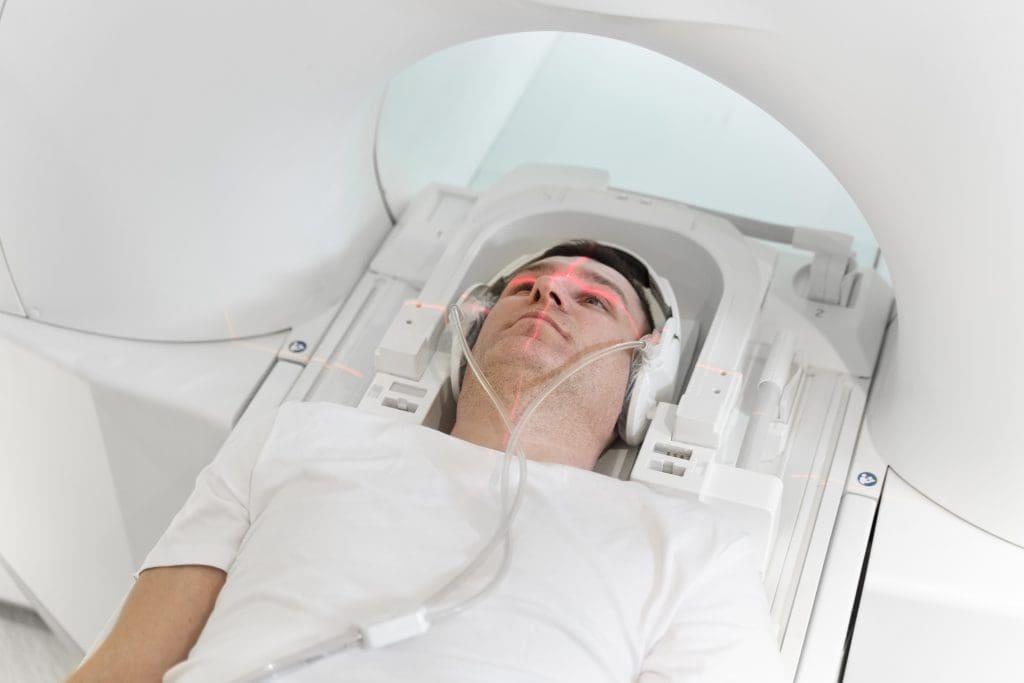
Positron Emission Tomography, or PET, is a top-notch imaging method. It uses a radioactive drug, or tracer, to see how the body works. The tracer sends out positrons, which meet electrons and create gamma rays. These rays are caught by the PET scanner to make detailed images.
- The radioactive tracer, which targets specific body functions or diseases.
- The PET scanner, which catches the gamma rays from the tracer.
- Advanced computer algorithms that turn the data into images.
Basic Principles of Nuclear Medicine Imaging
A PET scan is an essential diagnostic test that reveals the activity levels of the body’s cells, allowing doctors to assess the severity of a condition and develop an effective treatment plan.
- It’s very good at spotting changes in metabolism, often before they show up in other ways.
- It gives detailed info about how the body works.
- It helps doctors make more accurate diagnoses when used with other imaging like CT or MRI.
A PET scan is an essential diagnostic test that reveals the activity levels of the body’s cells, allowing doctors to assess the severity of a condition and develop an effective treatment plan.
Evolution of Modern PET Scanning Equipment
PET scanning equipment has improved a lot over time. Now, we have scanners that make clearer images faster. They can also do more complex tasks.
New technologies like hybrid PET/CT scanners have been a big step forward. They let us see both how the body works and its structure in one go. This has made diagnoses more accurate and opened up new uses for PET scans.
A PET scan is an essential diagnostic test that reveals the activity levels of the body’s cells, allowing doctors to assess the severity of a condition and develop an effective treatment plan.
A PET scan is an essential diagnostic test that reveals the activity levels of the body’s cells, allowing doctors to assess the severity of a condition and develop an effective treatment plan.
The Science Behind Radioactive Tracers
A PET scan is an essential diagnostic test that reveals the activity levels of the body’s cells, allowing doctors to assess the severity of a condition and develop an effective treatment plan.
The tracer’s atoms send out positrons, which are like the opposite of electrons. When a positron meets an electron, they both disappear, making gamma rays. These rays are what the scanner looks for to see where the tracer is.
Detection of Metabolic Activity
The PET scanner finds the gamma rays from the tracer. It has detectors all around the patient. When two detectors see gamma rays at the same time, it means a positron has been found.
This tells us which parts of the body are most active. For example, cancer cells use more sugar than normal cells. So, they show up more on PET scans.
Image Formation and Processing
The scanner’s data is turned into images with special software. These images show where the body’s cells are most active. Modern scanners can also use CT or MRI to show both how active and where the cells are.
Doctors look at these images to find problems, see how treatments are working, or plan new treatments. They can see the images in different ways, like slices or 3D pictures. This helps them understand the body better.
A PET scan is an essential diagnostic test that reveals the activity levels of the body’s cells, allowing doctors to assess the severity of a condition and develop an effective treatment plan.
Types of PET Scan Procedures
Different medical conditions need different PET scans. This shows how flexible the technology is. PET scans are key in modern medicine, giving insights into how our bodies work.
Whole-Body PET Scans
Whole-body PET scans are key for finding and tracking cancer. They show the body’s metabolic activity, helping doctors spot problems.
Applications of Whole-Body PET Scans:
- Cancer staging and monitoring
- Detecting metastasis
- Evaluating treatment response
Brain PET Scans
Brain PET scans check on brain health and function. They help spot diseases like Alzheimer’s and epilepsy early.
The benefits of Brain PET Scans include:
- Early detection of neurological disorders
- Monitoring disease progression
Cardiac PET Scans
Cardiac PET scans look at heart health and function. They show how well the heart is working and its blood flow.
| Condition | Use of Cardiac PET Scan |
| Coronary Artery Disease | Assessing myocardial perfusion and viability |
| Heart Failure | Evaluating the heart’s metabolic activity |
In conclusion, PET scans help with many medical needs. They are used for cancer, brain, and heart health. Knowing about these uses is important for doctors and patients alike.
PET Scan vs. Other Imaging Techniques
PET scans are a key tool for doctors, but how do they compare to CT and MRI scans? Knowing the strengths and weaknesses of each is key to picking the best test.
PET Scan vs. CT Scan: Key Differences
PET scans and CT scans are both important, but they look at different things. CT scans show detailed body structures, while PET scans focus on how cells work. PET scans are great for finding cancer because they spot active cells, which cancer cells often have.
CT scans are better for seeing injuries or odd shapes in the body. But, PET/CT scans together give a full view of both body shape and cell activity.
PET Scan vs. MRI: When to Use Each
MRI scans show soft tissues in great detail. But, PET scans are better at showing how cells work. Choosing between PET and MRI depends on what the doctor needs to know.
In brain disorders, MRI shows structural changes, and PET scans look at brain activity. Sometimes, doctors use both for a clearer picture.
“The combination of PET and MRI can provide a more complete understanding of disease processes, specially in complex cases.”
Benefits of Hybrid Imaging (PET/CT)
Hybrid imaging, like PET/CT, has changed how doctors diagnose. It mixes PET’s cell activity with CT’s body details. This gives doctors a deeper look at diseases.
PET/CT scans help doctors diagnose better, stage cancers, and plan treatments. This mix is key in cancer care, helping track how treatments work.
Medical Applications of PET Scans
PET scans are very useful in medicine. They help diagnose and manage many health issues. This is because they show how the body’s cells work.
Cancer Detection and Staging
PET scans are key in fighting cancer. They spot tumors that other scans miss. This helps doctors know how far cancer has spread.
Using PET scans in cancer care has many benefits. For example:
- They help plan the best treatment by knowing how far cancer has spread.
- They check if treatment is working, so doctors can make changes if needed.
- They find cancer coming back early, so it can be treated sooner.
Neurological Disorders and Brain Function
PET scans are also great for the brain. They show how different parts of the brain work. This helps doctors understand and treat diseases like Alzheimer’s and Parkinson’s.
PET scans are very helpful for brain diseases. They offer:
- They find brain diseases early, so treatment can start sooner.
- They help doctors understand and plan treatment for brain conditions.
- They track how brain diseases get worse and if treatments are working.
Cardiovascular Disease Assessment
In heart health, PET scans are very useful. They check how well the heart works and find heart problems. This helps doctors choose the best treatment for heart issues.
PET scans are great for heart health. They help by:
- They see if heart tissue can be saved, helping decide on treatments.
- They find heart disease by looking at blood flow and heart function.
- They guide treatment based on how bad heart disease is.
In summary, PET scans are very useful in medicine. They help find and treat many diseases, including cancer, brain disorders, and heart problems. Their detailed information helps doctors make better treatment plans.
Preparing for Your PET Scan
Getting ready for a PET scan is important. You’ll need to change your diet and manage your medications. Your healthcare provider will give you specific instructions to follow.
Dietary Restrictions and Fasting Requirements
Before your PET scan, you might need to follow certain diet rules. Fasting for a few hours is often required. This helps make sure the scan images are clear.
You might need to fast for 4 to 6 hours before the scan. The exact time can depend on the type of scan and your doctor’s advice. Also, try to avoid caffeine and sugary foods on the day of the scan.
| Dietary Item | Recommended Action | Timing |
| Food | Fast | 4-6 hours before scan |
| Caffeine | Avoid | |
| Sugary foods | Avoid |
Medications to Avoid Before the Procedure
Some medicines can affect the PET scan results. Tell your doctor about all the medicines you’re taking. They might ask you to stop taking certain medicines before the scan.
“It’s important to follow your doctor’s advice on medications to ensure the PET scan results are accurate.”
Also, let your doctor know about any diabetes medications or allergies to certain medicines. They will help you figure out how to manage your medications before the scan.
What to Wear and Bring to Your Appointment
Wear comfortable, loose-fitting clothes on the day of your PET scan. Don’t wear jewelry or clothes with metal parts, as they can get in the way of the scan.
Remember to bring any important medical records, insurance cards, and a list of your current medicines. It’s also a good idea to bring a friend or family member for support.
The Complete PET Scan Procedure: Step by Step
To have a smooth PET scan experience, knowing what to expect is key. The PET scan process includes several important steps. These range from arrival and registration to the actual scanning.
Arrival and Registration Process
Patients start with a registration process when they arrive. They check in, give their ID and insurance info, and might sign consent forms. The staff helps guide them through this easy step, similar to other medical visits.
Radiotracer Administration
Next, the radiotracer is given. This radioactive substance is injected into the patient’s vein. It goes to areas with high activity, like growing cancer cells.
The Uptake Period: What Happens and Why
After the radiotracer is given, there’s an uptake period. During this time, the tracer builds up in target areas. Patients usually wait quietly, sometimes in a special room. The length of this wait can change based on the PET scan type.
The Actual Scanning Process
A PET scan is an essential diagnostic test that reveals the activity levels of the body’s cells, allowing doctors to assess the severity of a condition and develop an effective treatment plan.
| Facility Type | Registration Process | Radiotracer Administration | Uptake Period | Scanning Process |
| Hospital | Comprehensive check-in | Administered by nuclear medicine staff | 30-60 minutes | Detailed scanning |
| Diagnostic Center | Streamlined registration | Injection by trained technician | 30-90 minutes | High-resolution imaging |
| Private Clinic | Personalized service | Administered by experienced nurse | Variable | Focused scanning |
A PET scan is an essential diagnostic test that reveals the activity levels of the body’s cells, allowing doctors to assess the severity of a condition and develop an effective treatment plan.
The time it takes for a PET scan can change a lot. This depends on the scan type and the patient’s needs. Knowing the PET scan steps helps patients get ready for their visit.
Duration of Each Stage in the Process
A PET scan has several stages, each with its own time. First, a radioactive tracer is given through an IV line. This step is quick, taking about 1-5 minutes.
Then, the body absorbs the tracer. The time this takes can differ based on the scan type. For example, brain scans might be shorter than whole-body scans.
Breakdown of PET Scan Stages and Their Typical Durations:
| Stage | Typical Duration |
| Radiotracer Administration | 1-5 minutes |
| Uptake Period | 30-90 minutes |
| Scanning Process | 15-60 minutes |
Factors That May Extend Scan Time
Many things can make a PET scan take longer. These include the scan’s complexity, the patient’s health, and extra imaging needs. For example, some health issues might need more time for the tracer to work.
Common factors that may extend scan time include:
- Patient’s medical condition
- Need for additional imaging
- Delayed scans due to various reasons
Total Time Commitment for Patients
Patients should think about the whole time needed for a PET scan. This includes registration, preparation, the scan, and extra steps. While scanning might take 15-60 minutes, the whole visit can last 2 to 4 hours.
Patients should plan ahead. Bring things like books or games to make the wait easier.
What to Expect During Your PET Scan
Knowing what to expect during a PET scan can make you feel less anxious. The process is designed to be easy and comfortable.
Physical Sensations and Comfort Levels
You might feel some sensations during a PET scan, but it’s usually not painful. You might feel a pinch when the radiotracer is injected. But this is the most uncomfortable part.
The scanning itself is non-invasive. You’ll lie on a comfortable table that slides into the scanner.
Key aspects to consider for comfort:
- The room may be cool to help maintain the equipment’s optimal functioning.
- You might be asked to hold your breath for short periods or remain very quiet.
- The scanning process can take some time, so it’s essential to be comfortable before it begins.
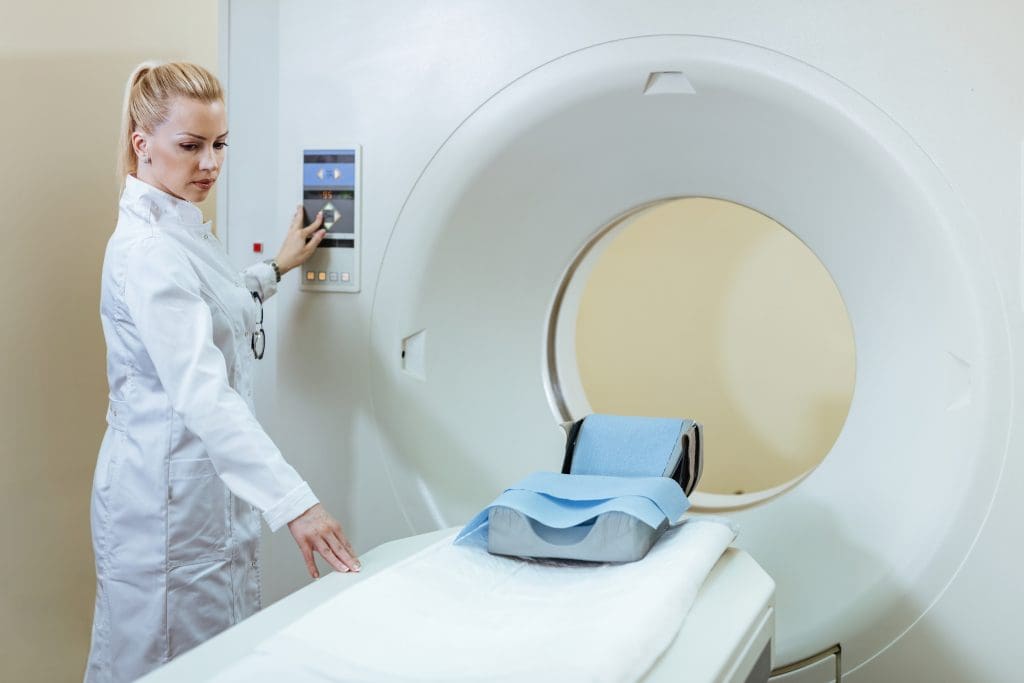
The PET scanner is a large, doughnut-shaped machine. You’ll lie on a table that moves into the scanner, which is about 70-80 cm in diameter. The scanner uses advanced technology to detect metabolic activity in your body.
The environment is usually quiet, with some background noise from the machinery. The technologist will be in a separate room, monitoring the process through a window and talking to you via an intercom.
| Aspect | Description |
| Scanner Size | Around 70-80 cm in diameter |
| Scanning Time | Typically between 30 to 60 minutes |
| Environment | Quiet with some machinery noise |
Communication with Technologists During the Scan
Throughout the PET scan, you’ll talk to the technologists operating the scanner. They will guide you through the process, telling you when to stay very quiet, hold your breath, or change positions.
It’s important to follow their instructions carefully to ensure the scan produces high-quality images. If you feel uncomfortable or have concerns, let the technologist know right away.
After Your PET Scan: Recovery and Precautions
The PET scan procedure may be complete, but your journey doesn’t end there. Understanding post-scan care is key. After a PET scan, there are precautions and guidelines to follow for a smooth recovery.
Immediate Post-Scan Period
After your PET scan, you’ll go to a recovery area. Medical staff will watch you for a short time. They’ll check for any reactions to the radiotracer. It’s important to drink lots of water.
Key Actions During the Immediate Post-Scan Period:
- Drink plenty of water to help flush out the radiotracer.
- Follow any specific instructions provided by your healthcare team.
- Rest if you feel tired or need to.
Radiation Safety Measures and Exposure Duration
| Precaution | Duration |
| Avoid close contact with children and pregnant women. | For 24 hours |
| Flush toilet immediately after use. | For 24 hours |
| Sleep in a separate bed from your partner. | For the first night |
Returning to Normal Activities: Timeline and Restrictions
Most people can go back to normal activities right after a PET scan. But it’s wise to:
- Avoid strenuous activities for the rest of the day.
- Resume medications as directed by your doctor.
- Follow any specific dietary advice given by your healthcare provider.
By following these guidelines, you can ensure a safe and smooth recovery after your PET scan. If you have any concerns or questions, always consult with your healthcare provider.
Potential Risks and Side Effects of PET Scans
PET scans are a valuable tool for doctors. But, it’s important to know the risks and side effects. These scans use small amounts of radioactive tracers, which can be a concern.
Radiation Exposure: Context and Concerns
The main worry with PET scans is radiation. The tracers used in these scans emit positrons. These positrons collide with electrons, creating gamma rays that the scanner detects.
Radiation exposure from PET scans is measured in millisieverts (mSv). The dose from a PET scan is about 5 to 7 mSv. This is similar to other imaging tests like CT scans. But, the total radiation over a lifetime is a bigger concern, mainly for younger people.
Allergic Reactions to Radiotracers
Allergic reactions to radiotracers are another risk. These reactions can be mild, like hives, or severe, like anaphylaxis. It’s important for patients to tell their doctors about any allergies.
Doctors can reduce the risk of allergic reactions by screening patients carefully. They may also use premedication when needed.
Special Considerations for Pregnant Women and Children
Pregnant women and children need extra care with PET scans. The radiation can harm the developing fetus. Doctors must carefully decide if a PET scan is needed during pregnancy.
Children are also at risk because of their growing bodies and long lives. Pediatric PET scans are done when necessary. The dose of the radiotracer is adjusted based on the child’s weight and age to minimize radiation exposure.
PET scan technology is evolving fast. This is thanks to new radiotracers and better scanner designs. These changes are making diagnoses more accurate and helping patients get better care.
New Radiotracer Developments
New radiotracers are a big step forward in PET scans. They are made to spot specific biological processes. For example, Fluorodeoxyglucose (FDG) helps find cancer by showing where glucose is used a lot.
Now, there are tracers for different cancers, brain diseases, and heart issues. This means doctors can give more precise diagnoses and treatments.
Improved Scanner Designs and Faster Imaging
Today’s PET scanners make images clearer and faster. Better detectors and designs have made scans more accurate. Time-of-Flight (TOF) PET technology, for instance, cuts down on image noise.
Also, PET scans are being combined with CT and MRI. This creates hybrid systems that give detailed, all-in-one views of the body.
Artificial Intelligence in PET Image Interpretation
Artificial Intelligence (AI) is now helping with PET scan readings. AI can quickly spot patterns that humans might miss. This makes diagnoses more accurate and faster.
AI could change how we diagnose diseases. It promises to give doctors more detailed and tailored information for better patient care.
Conclusion
PET scans have changed the way we look at the body’s inner workings. They give us a detailed view of how the body’s cells work. This summary covers everything from getting ready for the scan to the actual scan itself.
PET scans are now a key part of diagnosing and treating many diseases. This includes cancer, brain disorders, and heart problems. Knowing how PET scans work and what to expect can make the process less scary.
This summary shows how PET scans help doctors understand the body better. They help make better decisions for patient care. As PET scan technology gets better, it will help even more in the medical world.
https://www.ncbi.nlm.nih.gov/books/NBK559089
FAQ
A PET scan is an essential diagnostic test that reveals the activity levels of the body’s cells, allowing doctors to assess the severity of a condition and develop an effective treatment plan.
A PET scan usually takes 30-60 minutes to scan. But getting ready and getting the tracer can take hours.
What is the difference between a PET scan and a CT scan?
A PET scan is an essential diagnostic test that reveals the activity levels of the body’s cells, allowing doctors to assess the severity of a condition and develop an effective treatment plan.
Are there any dietary restrictions before a PET scan?
Yes, you might need to fast before a PET scan. You might also need to eat a special diet to get good results.
What are the possible risks and side effects of a PET scan?
PET scans can expose you to radiation. You might also have an allergic reaction to the tracer. Pregnant women and kids should talk to their doctor first.
How do I prepare for a PET scan?
To prepare, follow the diet rules and avoid certain medicines. Also, arrive on time with all your documents.
What happens during the PET scan procedure?
The procedure starts with the tracer. Then, you wait and then get scanned. Stay calm and follow the technologist’s instructions.
Can I move during the PET scan?
Try to stay as quiet and steady as possible. But, if you need to move, tell the technologist.
How long does the radiation from a PET scan stay in my body?
The tracer leaves your body in a few hours. You’ll get advice on how to avoid exposing others to radiation.
Are PET scans safe for everyone?
PET scans are mostly safe. But, pregnant women, kids, and people with certain health issues need to talk to their doctor first.
What are the benefits of PET/CT hybrid imaging?
PET/CT gives a detailed look at the body. It combines PET’s activity info with CT’s structure. This helps doctors make better diagnoses and plans.