
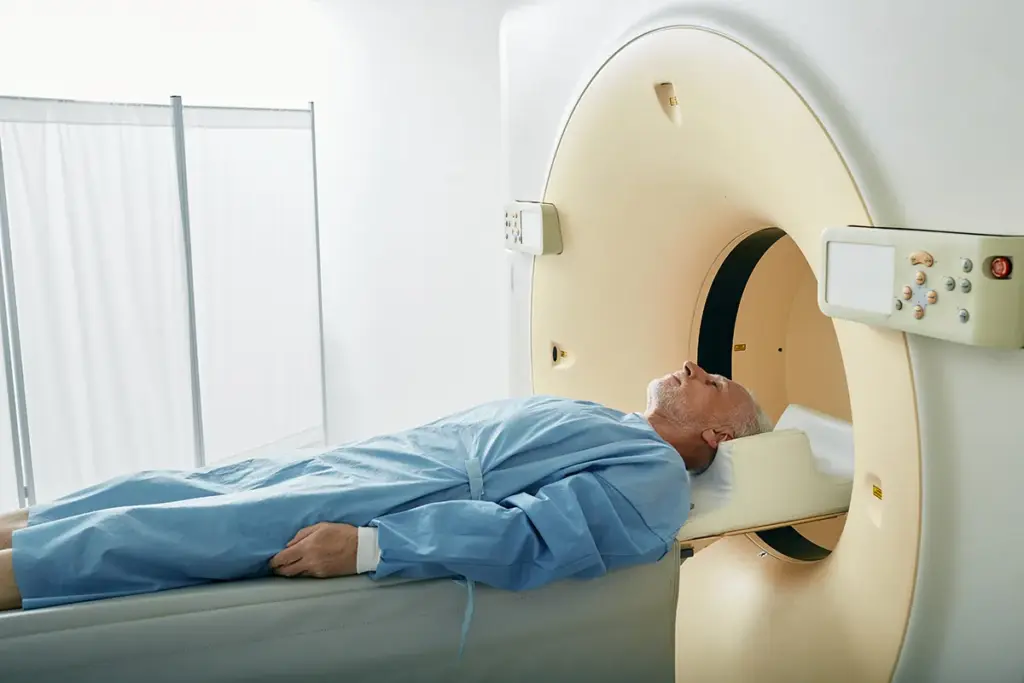
Positron Emission Tomography (PET scan) is a key tool in medicine, mainly in cancer and brain studies. It shows how active cells are in the body. This helps doctors find and treat diseases better.
A PET scan can’t tell exactly how long someone will live. But, it gives important clues about how serious a disease is. Doctors use this info to plan the best care for patients.
PET imaging is getting more important for predicting survival and choosing treatments. Knowing how PET scans work helps both patients and doctors deal with today’s medical challenges.
Key Takeaways
- PET scans provide critical prognostic information that influences survival predictions.
- They are used in oncology and neurology for diagnosis and treatment monitoring.
- PET imaging guides personalized cancer therapy.
- Innovative hospitals implement cutting-edge PET imaging for better outcomes.
- PET scans help healthcare providers make informed decisions about patient care.
What is a PET Scan: Definition and Basic Principle
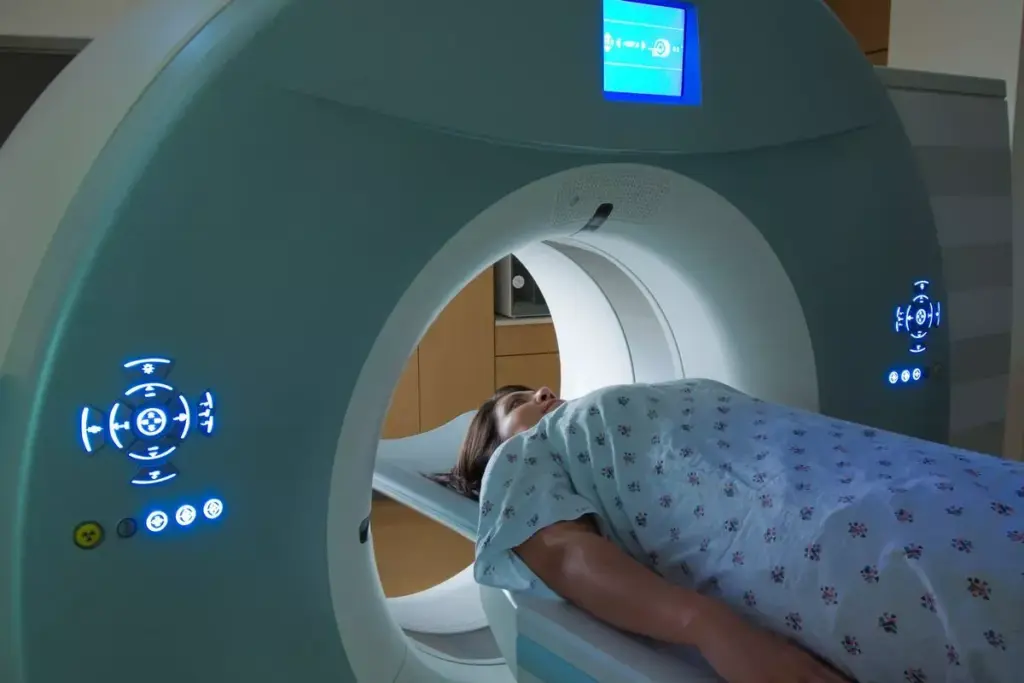
Learning about PET scans is key to understanding their role in health care. A PET scan, or Positron Emission Tomography, shows how active the body’s cells are. This helps doctors find and treat diseases.
Definition of Positron Emission Tomography
Positron Emission Tomography (PET) uses tiny amounts of radioactive tracers. These tracers emit positrons that collide with electrons, creating gamma rays. The PET scanner picks up these rays to make detailed images of the body’s inner workings.
The most used tracer is 18F-FDG (Fluorodeoxyglucose). It’s a glucose molecule with a radioactive tag. Cancer cells, which use more glucose, show up on PET scans because of this tracer.
How PET Differs from Other Imaging Technologies
PET scans are different from CT scans or MRI. While CT and MRI show body structures, PET scans look at how cells work. This makes PET scans great for finding cancer, studying the brain, and checking the heart.
|
Imaging Modality |
Primary Use |
Key Benefit |
|---|---|---|
|
PET Scan |
Metabolic activity assessment |
Early detection of metabolic changes |
|
CT Scan |
Anatomical imaging |
Detailed structural information |
|
MRI |
Soft tissue imaging |
High-resolution images of soft tissues |
In short, PET scans give a special view of the body’s functions. They work with other imaging methods to help doctors care for patients better.
The Science Behind PET Scanning Technology
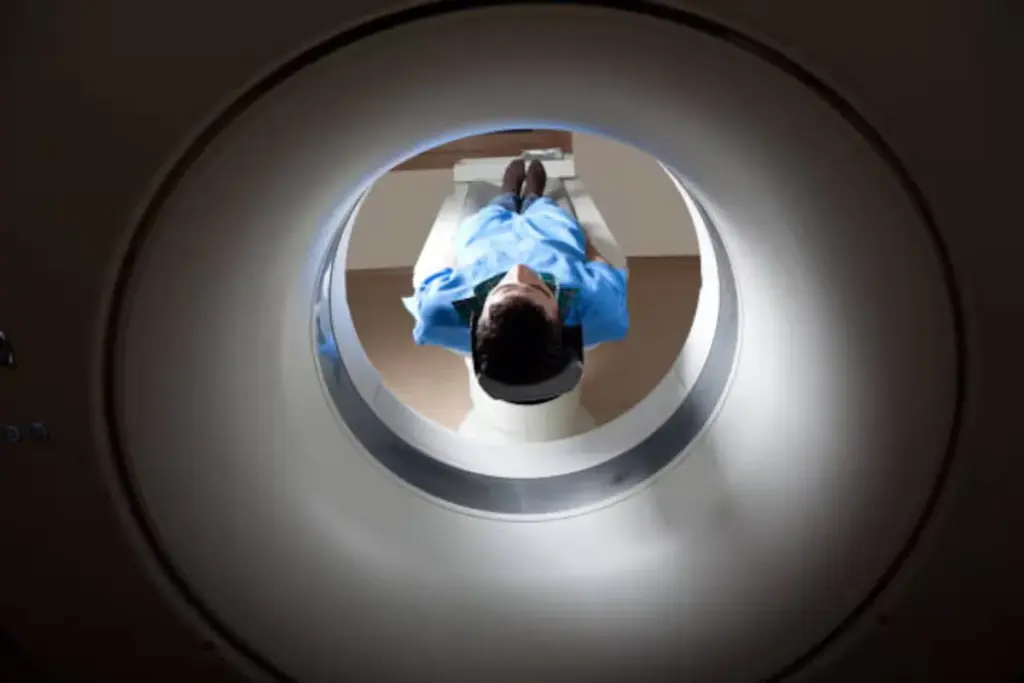
PET scans use radioactive tracers to see how the body works. This tech is key in medical diagnosis. It helps doctors understand many body processes.
Radioactive Tracers and Their Function
Radioactive tracers are special substances that give off positrons. These positrons meet electrons and create gamma rays. The PET scan machine catches these rays.
The most used tracer is 18F-FDG (Fluorodeoxyglucose). It goes to areas that use a lot of sugar, like growing tumors.
For prostate cancer, PSMA PET tracers are used. They stick to a protein found in prostate cells. New tracers are being made to help diagnose more diseases.
Detection of Metabolic Activity
PET scans find where the tracer goes in the body. Places with more tracer mean more activity. This can show diseases like cancer or heart problems.
But PET scans do more than find diseases. They also show how well treatments work. This helps doctors decide the best next steps for patients.
Knowing how how does a pet scan work helps doctors use it better. This tech keeps getting better, helping patients more and more.
How Does a PET Scan Work: The Procedure Explained
To get a PET scan, you need to know what to expect. A PET scan is a tool that doctors use to check your health. It shows detailed images of how your body works.
Before the Scan: Preparation Requirements
Getting ready for a PET scan is important. You might need to fast for 4-6 hours before it. This helps get clear results. Also, tell your doctor about any medicines you’re taking.
Key Preparation Steps:
- Fast for the recommended period
- Inform your doctor about any medications
- Avoid strenuous exercise before the scan
- Wear comfortable, metal-free clothing
During the Scan: What Patients Experience
During the scan, you’ll lie on a table that moves into a big machine. The scan is usually painless. But, you might feel a bit uncomfortable because you have to stay very quiet and calm.
The PET scan machine detects the signals emitted by the radioactive tracer, creating detailed images of metabolic activity within the body.
|
Aspect |
Description |
|---|---|
|
Duration |
Typically 30-60 minutes |
|
Pain Level |
Painless, but may require remaining very quiet and calm |
|
Preparation |
Fasting, medication adjustment, comfortable clothing |
After the Scan: Recovery and Results
After the scan, you can go back to your normal activities right away. The tracer leaves your body in a few hours. Then, a radiologist looks at the images and sends the results to your doctor.
Understanding PET Scan Results:
The scan’s results can tell doctors a lot about your health. They can help find and track diseases like cancer, brain problems, and heart issues.
Common Applications of PET Scans in Medicine
PET scans offer detailed metabolic activity information. They are used in many medical fields. This tool helps guide treatment and care for patients.
Oncology Applications
PET scans are key in oncology, helping manage cancer. They diagnose, stage, and track how tumors respond to treatment. The pet scan for cancer shows tumor activity, which is more telling than just looking at the tumor itself.
The PSMA PET scan is used mainly for prostate cancer. It spots prostate cancer cells, even tiny ones. This makes it a strong tool for diagnosing and treating prostate cancer.
Neurological Applications
In neurology, PET scans check brain function and find neurological conditions. They spot areas of the brain hit by diseases like Alzheimer’s or Parkinson’s. This helps understand how these diseases progress.
Cardiac Applications
The cardiac PET scan is vital in cardiology. It checks heart function and finds coronary artery disease. It shows if heart tissue is alive and helps decide on treatments.
PET scans are used in many medical areas, like oncology, neurology, and cardiology. They give detailed metabolic info. This makes them a key tool for diagnosis and treatment.
PET Scans for Cancer Detection and Staging
PET scans have changed how we find and treat cancer. They help doctors see where cancer is and how big it is. This helps decide the best treatment.
18F-FDG-PET in Cancer Diagnosis
18F-FDG-PET is a key tool in finding cancer. It uses a special tracer, Fluorodeoxyglucose (FDG), that cancer cells take up. This helps find cancers in the lymph nodes, melanoma, and other places.
This method is good because it shows where cancer is by looking at how active cells are. This helps doctors tell if a spot is cancer or not.
Role in Determining Cancer Stage and Spread
PET scans are also great for seeing how far cancer has spread. They show how active the tumor is, helping doctors see if it’s in other parts of the body. This is key for planning treatment.
- Knowing the cancer stage helps pick the best treatment.
- PET scans can find cancer in places other tests can’t.
- They give extra info that helps with CT or MRI scans.
PSMA PET Scans for Prostate Cancer
PSMA PET scans are a big step forward for prostate cancer. They use a special protein found on prostate cancer cells. This lets doctors find cancer even when it’s hard to find.
These scans are great for finding cancer that comes back. They help doctors target treatments better. This is very helpful for patients who have cancer come back after treatment.
In short, PET scans like 18F-FDG-PET and PSMA PET scans are very important in finding and understanding cancer. They give doctors the info they need to make treatment plans that work better.
PET Scans and Survival Predictions in Oncology
PET scans are changing how doctors predict patient survival in oncology. They help doctors see how tumors change after treatment. This gives them valuable information on how well a patient is doing.
Metabolic Response Assessment
Doctors use PET scans to check how tumors change after treatment. They look at how much 18F-FDG (fluorodeoxyglucose) the tumor takes up before and after treatment. If the tumor takes up less 18F-FDG, it means the treatment is working well.
This check is key because it shows if the treatment is working early on. It helps doctors decide if they should keep the current treatment or try something else.
SUVpeak Measurements and Their Significance
SUVpeak (Standardized Uptake Value peak) is a number that shows how active a tumor is. It’s the highest amount of tracer in the tumor, adjusted for the dose and the patient’s weight. SUVpeak is important because it’s a consistent way to compare scans.
Changes in SUVpeak after treatment can tell doctors about patient outcomes. Research shows that changes in SUVpeak can predict how long a patient will live and how long they will be cancer-free.
|
Parameter |
Pre-Treatment |
Post-Treatment |
Significance |
|---|---|---|---|
|
SUVpeak |
10.2 ± 2.5 |
4.5 ± 1.8 |
Decrease indicates positive response |
|
Metabolic Activity |
High |
Low |
Reduced activity correlates with better prognosis |
The table shows how SUVpeak and metabolic activity can change after treatment. It gives doctors insights into how well a patient is responding to treatment.
Statistical Evidence: PET Scans and Cancer Survival Rates
PET scans are becoming more important in cancer treatment. Studies show they can predict patient outcomes better than some old methods. This includes how long a patient might live.
5-Year Survival Rates for Metabolic Responders vs. Nonresponders
Research shows a big difference in survival rates between responders and nonresponders on PET scans. Metabolic responders have lower activity on scans after treatment. They tend to live longer than nonresponders.
A study in a top oncology journal found a big gap in survival rates. Metabolic responders lived up to 65% of the time, while nonresponders lived only 25%. This shows how important PET scans are in predicting outcomes.
Soft Tissue Sarcoma Research Findings
Research on soft tissue sarcoma also points to PET scans’ value. A study on this cancer found PET scans can predict survival well.
Patients with big drops in FDG uptake on scans after treatment did better. This means PET scans help in managing soft tissue sarcoma. They help doctors make better treatment plans early on.
The evidence for using PET scans in cancer treatment is strong. As more research comes out, PET scans will likely play an even bigger role in oncology. They will help doctors make more accurate predictions and better treatment plans.
PET Scans in Neurological Conditions
PET scans are key in neurology, helping to see how the brain ages and spots neurodegenerative diseases. This advanced imaging shows the brain’s metabolic activity. It helps doctors diagnose and manage neurological conditions better.
Brain Aging Assessment
As we age, our brains change, affecting their function and structure. PET scans measure the brain’s metabolic activity. This is key to understanding aging and spotting issues early.
Studies, like one from the University of Texas at Dallas, use PET scans to study brain aging. They look at how it affects cognitive function. For more on these studies, visit.
Alzheimer’s Disease Detection
PET scans are also used to find Alzheimer’s disease. This condition is marked by amyloid plaques and tau tangles in the brain. These can be seen with specific PET tracers.
Early detection of Alzheimer’s is key to managing the disease and improving patient outcomes. PET scans help doctors spot the disease early, even before symptoms show.
PET scans have changed neurology, giving doctors a powerful tool for diagnosing and monitoring conditions. They help assess brain aging and detect diseases like Alzheimer’s. This improves patient care and our understanding of the brain.
The Relationship Between PET Scan Results and Life Expectancy
Can PET Scans Directly Predict Lifespan?
PET scans mainly help doctors figure out what’s going on in our bodies. They show how active our cells are. This is super helpful in fighting cancer, studying the brain, and heart health. But, they can’t guess how long we’ll live.
“PET scans give us key info on how far a disease has spread, how well treatments are working, and if the disease is getting worse,” saysa top oncologist. “Even though they can’t tell us our exact life span, they’re super important for understanding our health and what might happen next.”
Indirect Prognostic Value
The info from PET scans can help doctors guess how things might go for us, like with cancer. For example, the SUVpeak measurements show if a tumor is fighting back against treatment.
|
SUVpeak Measurement |
Prognostic Implication |
|---|---|
|
Low SUVpeak |
Good response to treatment, potentially better prognosis |
|
High SUVpeak |
Poor response to treatment, potentially worse prognosis |
PET scans also show how active our cells are. This is key for knowing if treatments are working. It helps doctors make changes if needed.
In short, PET scans can’t tell us our exact life span. But, they have a big indirect role. They give doctors the details they need to make better choices. This helps improve our health outcomes.
Limitations of PET Scans in Prognostic Assessment
PET scans are a key tool in diagnosing diseases. Yet, they have some limits that affect their ability to predict outcomes. It’s important to know these limits to make the most of PET scan results.
Technical Limitations
PET scans face several technical hurdles. These can impact how well they predict what will happen next. Here are some of these challenges:
- Spatial resolution: PET scans can’t always spot small tumors or lesions well.
- Sensitivity and specificity: How well PET scans work can change based on the tracer used and the disease type.
- Image artifacts: Issues like patient movement or errors in correcting for body density can affect images.
Interpretation Challenges
Reading PET scan results can be tricky. Here are some reasons why:
- Variability in tracer uptake: Tracer uptake can vary a lot between people, making it hard to set standard values.
- Contextual interpretation: Results need to be seen in light of the patient’s medical history and other tests.
- Quantification methods: Different ways to measure PET scan data can give different results. There’s a debate on the best method.
Knowing these challenges helps doctors better understand PET scan results. This leads to better care for patients.
PET/CT Combination: Enhanced Diagnostic Capabilities
The mix of PET and CT imaging has changed how we diagnose diseases. It combines PET’s functional info with CT’s detailed images. This lets doctors understand a patient’s health better.
Benefits of Hybrid Imaging
Benefits of Hybrid Imaging
Hybrid imaging, like PET/CT, has big advantages. It can pinpoint where in the body activity is high. This is key for finding and understanding diseases, like cancer.
- Improved diagnostic accuracy due to the combination of functional and anatomical information
- Enhanced ability to detect and stage diseases, particularlly cancer
- Better guidance for biopsies and other interventional procedures
Impact on Prognostic Accuracy
PET/CT scans also boost how well we can predict disease outcomes. They give both metabolic and anatomical details. This helps doctors see how severe a disease is and guess how well a patient will do.
Prognostic Accuracy is better because we can:
- Check how active tumors are
- See how far a disease has spread
- Watch how well treatments work
This detailed look helps doctors make better choices for treatment and care.
Potential Side Effects and Risks of PET Scans
PET scans are used in medical diagnostics but come with risks. These include exposure to radiation and allergic reactions. It’s important for patients to know these risks to make informed decisions about their care.
Radiation Exposure Concerns
PET scans use radioactive tracers that emit radiation. Radiation exposure can raise the risk of cancer or other health issues. But, the amount of radiation is usually safe, and the benefits often outweigh the risks.
To lower radiation exposure, PET scans use the least amount of tracer needed. Newer PET technology also helps reduce the dose needed for scans.
Allergic Reactions to Tracers
Another risk is allergic reactions to the tracers used in PET scans. While rare, these reactions can be mild or severe. It’s important to tell your healthcare provider about any allergies before a PET scan.
If an allergic reaction is suspected or known, other tracers or premedication might be used. Following your healthcare provider’s advice is key to a safe PET scan.
Knowing the side effects and risks of PET scans helps patients prepare. It also lets them discuss any concerns with their healthcare providers.
Cost Considerations and Insurance Coverage for PET Scans
Planning for PET scans involves knowing the costs and insurance. PET scans are key for diagnosis but can be pricey. It’s important for patients to understand the financial side to make smart health choices.
Average Costs in the United States
PET scan costs in the U.S. vary a lot. This depends on where you are, the facility, and the scan type. On average, prices range from $1,000 to $5,000 or more per scan.
Insurance Coverage Policies
Insurance for PET scans varies by provider and policy. Most plans cover PET scans for conditions like cancer, neurological issues, and heart problems. But, how much they cover can vary.
Key factors influencing insurance coverage include:
- The specific medical condition being diagnosed or monitored
- The type of PET scan being performed
- The healthcare provider’s recommendations
- The patient’s insurance policy details
Patients should talk to their insurance to know what’s covered and any costs they might face.
Knowing the costs and insurance for PET scans helps patients make informed health choices. Being informed lets patients plan financially and make choices that fit their medical needs.
Advanced PET Technologies and Future Developments
Recent breakthroughs in PET technology are changing how we do medical diagnostics and treatment planning. We’re seeing big steps forward, like new tracers and using artificial intelligence to read images.
New Tracers and Applications
New tracers are making PET scans useful for more than just cancer. For example, tracers that target specific proteins or metabolic pathways are being tested for neurological disorders.
Emerging Tracers:
- 18F-Flortaucipir for tau protein imaging in Alzheimer’s disease.
- 68Ga-PSMA-11 for prostate cancer imaging.
- Tracers for imaging inflammation and infection.
|
Tracer |
Application |
Potential Benefit |
|---|---|---|
|
18F-Flortaucipir |
Alzheimer’s disease diagnosis |
Early detection of tau pathology |
|
68Ga-PSMA-11 |
Prostate cancer staging |
Improved accuracy in detecting cancer spread |
Artificial Intelligence in PET Scan Interpretation
Artificial intelligence (AI) is being used more in PET scan interpretation. It makes image analysis more accurate and efficient. AI can measure PET data and spot patterns that humans might miss.
Benefits of AI in PET:
- Improved diagnostic accuracy.
- Enhanced efficiency in image interpretation.
- Potential for personalized medicine through tailored analysis.
The future of PET technology looks bright for medical diagnostics. It will give us new insights into diseases and how treatments work. As these technologies get better, they’ll be key in changing healthcare.
LIV Hospital’s Approach to PET Imaging
LIV Hospital focuses on top-notch PET imaging. They follow international standards and aim for quality improvement. This means patients get accurate diagnoses and effective treatment plans.
Internationally Competitive PET Protocols
LIV Hospital uses PET imaging protocols that meet international standards. This includes:
- Advanced PET scanners for high-resolution images.
- Standardized protocols for PET scans for consistent results.
- Updates to protocols for the latest in PET imaging technology.
Quality Improvement Initiatives
LIV Hospital works hard to keep care at the highest level. They have several quality improvement plans:
- Staff training to improve skills in PET imaging and interpretation.
- Joining international quality assurance programs for benchmarking.
- Monitoring and analyzing PET scan results for improvement.
By focusing on quality and innovation, LIV Hospital aims for the best patient outcomes in PET imaging.
Conclusion: The Value and Limitations of PET Scans in Predicting Health Outcomes
PET scans are key in modern medicine. They show how different diseases work, like cancer. This helps doctors pick the best treatments.
PET scans are important, but they have limits. They can see how diseases grow and how treatments work. But, they can also have errors and need careful reading.
Knowing both the good and bad of PET scans helps doctors. This leads to better care for patients. As PET tech gets better, it will help even more in treating diseases.
FAQ
What is a PET scan, and how does it work?
A PET scan utilizes a radioactive tracer to visualize how the body functions. It detects energy from the tracer’s decay. This gives insights into the body’s health and diseases.
What is the difference between a PET scan and a CT scan?
A PET scan looks at how active cells are, while a CT scan shows body structures. Together, PET/CT scans offer detailed views of both, helping doctors make better diagnoses.
What is PSMA PET scan used for?
A PSMA PET scan finds and tracks prostate cancer. It shows how far the cancer has spread, helping doctors plan treatment.
How does a PET scan help in cancer diagnosis and staging?
PET scans, like 18F-FDG-PET, spot cancer by showing active areas. They help figure out the cancer’s stage and spread, guiding treatment plans.
Can PET scans predict life expectancy?
PET scans can’t directly say how long you’ll live. But, they give clues about treatment success and patient outlook through metabolic responses and SUVpeak measurements.
What are the possible side effects and risks of PET scans?
PET scans use radiation and might cause allergic reactions to tracers. But, these risks are small. Safety measures are taken to protect patients.
How much does a PET scan cost, and is it covered by insurance?
PET scan costs vary in the U.S. Many insurance plans cover them for certain reasons. Check with your insurance to see if you’re covered.
What is the role of artificial intelligence in PET scan interpretation?
Artificial intelligence helps make PET scans more accurate and efficient. AI analyzes PET data, giving insights that can improve diagnosis and treatment planning.
How does LIV Hospital approach PET imaging?
LIV Hospital uses top PET protocols and focuses on quality. They aim to provide precise and reliable PET imaging services.
What are the benefits of combining PET and CT imaging?
PET/CT scans offer both functional and anatomical views. This hybrid approach enhances diagnosis and treatment planning, improving patient care.
References
- National Center for Biotechnology Information (NCBI). Prognostic value of PET imaging in oncology. https://pmc.ncbi.nlm.nih.gov/articles/PMC3431618/