
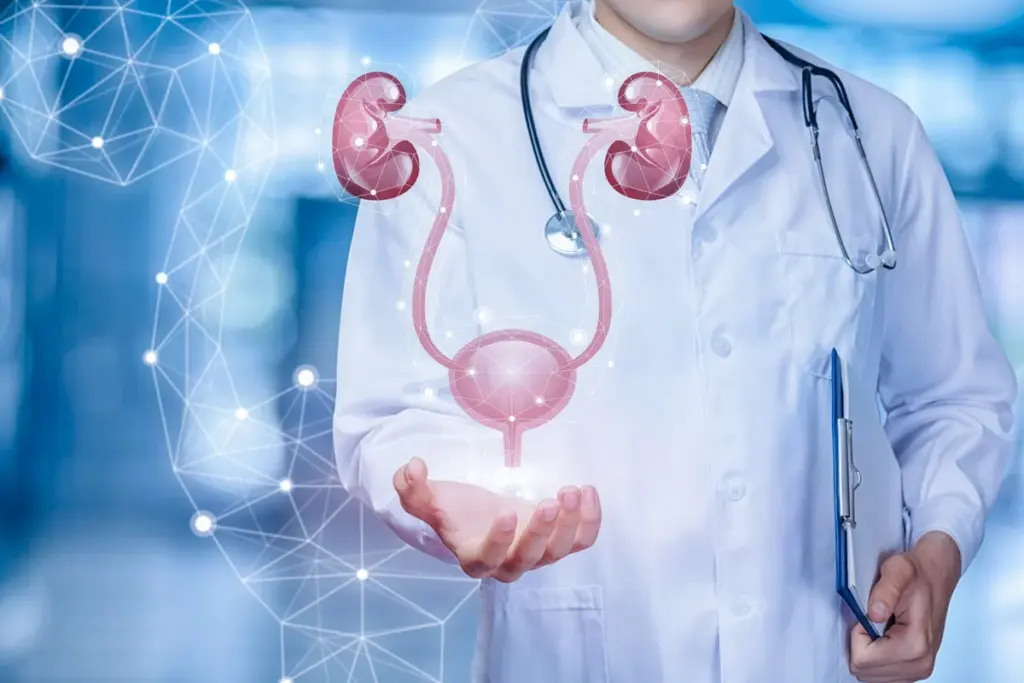
Did you know that urologists diagnose and treat over 40 different conditions related to the urinary tract and male reproductive system? This makes urology a key medical field. It’s vital for us to understand urology to help millions of men worldwide. What is a urological problem? Stones or infections. Get best treatments. Seeing a doctor is vital to fix dangerous pain fast.
A urologist is a doctor who deals with the urinary tract and the male reproductive system. They handle everything from kidney stones and urinary incontinence to prostate issues and male infertility. They also help with bladder issues in men and problems with urinating.
Key Takeaways
- Urologists treat a wide range of conditions affecting the urinary tract and male reproductive system.
- Common urology procedures include surgeries and treatments for kidney stones and prostate issues.
- Men experiencing urinary tract problems or reproductive issues should consult a urologist.
- Urology tests are key for diagnosing conditions related to the urinary tract and male reproductive system.
- Understanding urology is essential for seeking the right medical care for related health issues.
Understanding Urology: A Brief Overview

Urology deals with many conditions in the urinary system of both men and women. It also covers the male reproductive organs. This medical field focuses on diagnosing, treating, and managing these disorders.
Urologists handle a wide range of issues. This includes urinary tract infections and kidney stones. They also treat prostate issues and male infertility. To find the cause of symptoms, they use tools like urinalysis, imaging studies, and cystoscopy.
Some common reasons to see a urologist include painful urination and frequent urination. Other symptoms are blood in the urine and erectile dysfunction. Urologists work to find the cause and create a treatment plan.
|
Condition |
Description |
Common Symptoms |
|---|---|---|
|
Urinary Tract Infections (UTIs) |
Infections occurring in any part of the urinary system. |
Painful urination, frequent urination, cloudy urine. |
|
Kidney Stones |
Hard deposits made of minerals and salts that form inside the kidneys. |
Severe pain, nausea, vomiting, blood in urine. |
|
Prostate Issues |
Conditions affecting the prostate gland, including prostatitis and prostate cancer. |
Urinary difficulties, pain, sexual dysfunction. |
Urologists are key in keeping patients healthy. Regular visits and screenings can catch problems early. This leads to better treatment results.
Common Conditions Treated by Urologists
Urological health is key to overall well-being. Urologists treat many disorders that affect the urinary tract and male reproductive system. This improves the health and well-being of our patients.
Prostate Disorders
Prostate disorders are common in men, often due to age. Conditions like benign prostatic hyperplasia (BPH) and prostate cancer are major health concerns. Benign Prostatic Hyperplasia (BPH) is a non-cancerous enlargement of the prostate gland that can cause urinary symptoms. Prostate cancer, on the other hand, is a leading cause of cancer-related deaths among men. Early detection and treatment are key in managing these conditions.
According to the American Cancer Society, prostate cancer is the second most common cancer among men in the United States. Regular check-ups and screenings can help in early detection and treatment.
Kidney Stones
Kidney stones are hard deposits made of minerals and salts that form inside the kidneys. They can cause severe pain and other complications if not treated promptly. Nephrolithiasis, the medical term for kidney stones, can be caused by various factors including dehydration, dietary habits, and genetic predisposition.
|
Type of Kidney Stone |
Cause |
Treatment |
|---|---|---|
|
Calcium Stones |
Most common type, often caused by excess calcium in the urine |
Increased fluid intake, dietary changes |
|
Uric Acid Stones |
Associated with gout or chemotherapy |
Medications to reduce uric acid levels |
|
Cystine Stones |
Rare, caused by a genetic disorder |
Medications to reduce cystine levels, increased fluid intake |
Urinary Incontinence
Urinary incontinence is the loss of bladder control, resulting in involuntary leakage of urine. It can significantly impact a person’s quality of life. There are different types of urinary incontinence, including stress incontinence, urge incontinence, and mixed incontinence.
“Urinary incontinence is a common condition that affects millions of people worldwide. It is not a normal part of aging, and there are various treatment options available to manage the condition.”
– American Urological Association
Bladder Issues
Bladder issues include overactive bladder, bladder pain syndrome, and bladder stones. These conditions can cause symptoms such as frequent urination, pain while urinating, and urinary urgency.
- Overactive bladder is characterized by a sudden urge to urinate, often accompanied by involuntary leakage.
- Bladder pain syndrome is a chronic condition causing bladder pain and discomfort.
- Bladder stones are hard masses of minerals that can cause pain and urinary obstruction.
Understanding these common urological conditions is essential for seeking appropriate medical care. We are committed to providing complete care and support to our patients, helping them manage their conditions effectively.
The Role of a Urologist in Men’s Health
Men’s urological health is a specialized field that needs expert care. Urologists are key in diagnosing and treating conditions that affect men’s health. This greatly impacts their quality of life. We will look at the main areas where urologists make a difference.
Erectile Dysfunction
Erectile dysfunction (ED) is a common issue affecting many men worldwide. It’s when a man can’t get or keep an erection for sex. Urologists take the lead in treating erectile dysfunction (ED) by employing a range of treatments, including medication and lifestyle changes.
The reasons for ED vary, including vascular disease, diabetes, and psychological factors. Urologists help find the cause and create a treatment plan for each patient.
- Medication therapies, such as PDE5 inhibitors
- Lifestyle modifications, including diet and exercise
- Advanced treatments, like penile implants or vacuum devices
Male Infertility
Male infertility is another big issue where urologists are key. It’s when a man can’t get pregnant after a year of trying. Urologists diagnose and treat male infertility with methods like hormonal treatments, surgery, and assisted reproductive technologies.
Diagnosing male infertility involves a detailed check-up. This includes semen analysis, hormonal evaluation, and genetic testing. Urologists use these tools to find the cause and suggest treatments.
“The diagnosis and treatment of male infertility require a multidisciplinary approach, with urologists playing a central role in managing the condition and improving outcomes for affected couples.”
- Hormonal treatments to address imbalances
- Surgical interventions, such as varicocele repair
- Assisted reproductive technologies, like IVF or ICSI
The Role of a Urologist in Women’s Health
Urologists are often linked with men’s health, but they also help women a lot. They deal with issues like the pelvic floor and urinary tract. Our urologists are committed to treating many urological conditions in women.
Pelvic Floor Disorders
Pelvic floor disorders are common in women. They cause symptoms like incontinence, pelvic pain, and trouble urinating. Urologists are trained to diagnose and treat these conditions. They use lifestyle changes, physical therapy, and medicine.
Some treatments for pelvic floor disorders include:
- Behavioral therapies to improve bladder control
- Pelvic floor physical therapy to strengthen the muscles
- Medications to manage symptoms such as incontinence
|
Condition |
Symptoms |
Treatment Options |
|---|---|---|
|
Urinary Incontinence |
Leakage of urine |
Behavioral therapy, pelvic floor physical therapy, medication |
|
Pelvic Organ Prolapse |
Pelvic pressure, discomfort |
Lifestyle modifications, pelvic floor physical therapy, surgery |
Urinary Tract Infections
Urinary tract infections (UTIs) are common in women. They cause symptoms like burning while urinating, needing to urinate often, and abdominal pain. Urologists are equipped to diagnose and treat UTIs. They use antibiotics and lifestyle changes to prevent them from coming back.
Preventing UTIs includes:
- Drinking plenty of water to stay hydrated
- Urinating after intercourse to flush out bacteria
- Avoiding certain foods that may irritate the bladder
Knowing the role of urologists in women’s health helps women take care of their urological health. They can seek care when needed.
Diagnostic Procedures in Urology
Urology tests are key to finding problems in the urinary tract and male reproductive system. Urologists use many tests to diagnose and treat these issues well.
Urinalysis and Imaging
Urinalysis checks a urine sample for signs of disease like infection or blood. Imaging like ultrasound, CT scans, and MRI gives clear pictures of the urinary tract. They help spot issues like kidney stones, tumors, or structural problems.
A CT scan is great for finding kidney stones and seeing their size and location. Ultrasound is used to look at the kidneys and bladder for things like cysts or tumors.
|
Imaging Technique |
Common Uses in Urology |
|---|---|
|
Ultrasound |
Evaluating kidney and bladder abnormalities, guiding needle biopsies |
|
CT Scan |
Diagnosing kidney stones, assessing tumors, and detecting structural abnormalities |
|
MRI |
Evaluating complex urological conditions, assessing soft tissue abnormalities |
Cystoscopy
Cystoscopy uses a scope to look inside the bladder and urethra. It helps find problems like bladder tumors, stones, or inflammation. The urologist can also do biopsies or remove small stones during this procedure.
Cystoscopy is great for checking symptoms like hematuria (blood in the urine) or recurrent urinary tract infections. It lets the urologist see the bladder lining directly, finding issues not seen on images.
Urodynamic Testing
Urodynamic testing checks how the bladder and urethra work. It helps find issues like urinary incontinence, bladder obstruction, or neurogenic bladder.
These tests measure bladder pressure and urine flow. Urodynamic testing is key for patients with lower urinary tract symptoms. It helps find the cause of their symptoms.
Using these tests, urologists can accurately diagnose and manage many urological conditions. This improves patient outcomes and quality of life.
Importance of Regular Urological Check-ups
Regular urological check-ups are key to keeping your health in check. They help spot problems early on.
Early Detection of Serious Conditions
Spotting issues early is vital for managing serious urological problems. For example, prostate cancer has a better chance of survival if caught early. Regular visits can include screenings and tests to catch these conditions early.
- Prostate cancer
- Kidney stones
- Bladder cancer
- Urinary incontinence
Preventative Measures
Preventative care is a big part of urological health. By making lifestyle changes and getting regular check-ups, you can lower your risk of urological issues.
Key preventative measures include:
- Staying hydrated to help prevent kidney stones
- Eating a healthy diet full of fruits, veggies, and whole grains
- Avoiding smoking, which is a risk factor for bladder cancer
- Staying active to keep your overall health in check
By focusing on regular urological check-ups and taking preventative steps, we can improve our urological health. Visits to a medical specialist in disorders of the urinary system uro offer personalized advice and care. This ensures any issues are tackled quickly.
Treatment Options Offered by Urologists
We know that each urological condition is unique. That’s why we offer a variety of treatments, from surgery to medication. These options are designed to meet the specific needs of our patients.
Urologists are experts in many treatments. They tailor their approach to each patient’s situation. This can greatly improve the quality of life for those with urological issues.
Surgical Interventions
Surgery is sometimes needed for urological problems. Some common surgeries include:
- Prostatectomy: This surgery removes part or all of the prostate gland. It’s often done to treat prostate cancer.
- Lithotripsy: This non-invasive treatment uses shock waves to break up kidney stones. The stones then pass more easily.
- Cystoscopy: This procedure lets urologists see inside the bladder and urethra. They use a cystoscope for this.
These surgeries aim to solve specific urological problems. The right surgery depends on the patient’s condition and health.
Medication Therapies
Medications are key in treating many urological conditions. Some common treatments include:
|
Condition |
Medication Therapy |
Description |
|---|---|---|
|
Benign Prostatic Hyperplasia (BPH) |
Alpha-blockers |
These relax the prostate and bladder neck muscles. This makes it easier to urinate. |
|
Erectile Dysfunction |
PDE5 inhibitors |
These increase blood flow to the penis. This helps achieve and maintain an erection. |
|
Urinary Tract Infections |
Antibiotics |
Antibiotics kill the bacteria causing the infection. This treats the infection. |
Medications are often used with lifestyle changes to manage urological conditions. Our urologists work with patients to find the best treatment plan.
How Urologists Collaborate with Other Specialists
Urologists often team up with other specialists to care for patients. This teamwork is key for complex urological conditions. These conditions often overlap with other health areas.
Urological health is closely tied to other medical fields. For example, urologists and oncologists work together on urological cancers. This ensures patients get full care from start to finish.
Working with Oncologists
Urologists and oncologists are vital in fighting urological cancers. “Managing urological cancers needs a team effort,” says a top expert. This team approach helps create personalized treatment plans for patients.
Urologists and oncologists team up in many ways. They coordinate surgeries with other treatments. They also plan follow-ups to watch for problems and manage side effects.
- Coordinating surgical interventions with chemotherapy or radiation therapy.
- Developing follow-up plans to monitor for recurrence and manage side effects.
- Participating in multidisciplinary tumor boards to discuss complex cases.
Collaborating with Nephrologists
Urologists also work with nephrologists for conditions affecting both the urinary tract and kidneys. For instance, kidney stones or blockages need both urologists and nephrologists.
This teamwork is essential for conditions like kidney disease. Urologists handle obstructions or stones. Nephrologists manage the kidney’s function and related issues.
By working together, we offer our patients the best care. We use each specialty’s strengths for holistic, patient-focused care.
Urological Emergencies: When to Seek Help
It’s important to know the signs of a urological emergency. These can include severe kidney stone pain or acute urinary retention. Knowing when to get help can greatly improve your health.
Symptoms That Require Immediate Attention
Certain symptoms mean you need to see a doctor right away. These include:
- Severe pain in the back or side, often associated with kidney stones
- Inability to urinate, which can be a sign of urinary retention
- Blood in the urine, which can be painful or accompanied by other symptoms
- Signs of infection, such as fever, chills, or painful urination
- Trauma to the genital area or lower abdomen
If you notice any of these symptoms, get medical help fast. Waiting too long can cause serious problems, like infections or kidney damage.
Emergency Treatment Protocols
When a urological emergency is found, specific treatments start. These can include:
|
Condition |
Emergency Treatment |
|---|---|
|
Acute Urinary Retention |
Catheterization to relieve urinary retention, followed by investigation into the underlying cause. |
|
Severe Kidney Stone Pain |
Pain management with medication, hydration, and sometimes surgical intervention to remove or break up the stone. |
|
Urological Trauma |
Immediate assessment and stabilization, potentially followed by surgical repair. |
Knowing these emergency treatments helps patients and families during a crisis. Urologists work with emergency teams to give the best care.
In summary, knowing the signs of urological emergencies and what to do can greatly help. If you’re worried about symptoms, don’t wait to get medical help.
Lifestyle Changes for Better Urological Health
Good urological health comes from healthy habits and smart choices. Simple changes in your daily life can lower the risk of urological problems. This improves your overall health too.
Diet and Hydration
Eating right is key for urological health. Foods like fruits, vegetables, and whole grains help prevent issues like kidney stones and UTIs. Drinking enough water also keeps your urinary tract healthy by flushing out toxins.
Drink lots of water every day. Aim for at least eight glasses, but your needs might change based on how active you are, where you live, and your health.
“Adequate hydration is one of the simplest and most effective ways to maintain urological health.”
Eating foods high in antioxidants, like berries and leafy greens, can protect against urological diseases. Avoid foods high in salt, sugar, and unhealthy fats as they can make urological problems worse.
|
Foods to Include |
Benefits |
|---|---|
|
Fruits and Vegetables |
Rich in antioxidants and fiber, helping to prevent urological conditions. |
|
Whole Grains |
High in fiber, which can help regulate bowel movements and prevent constipation-related urological issues. |
|
Lean Proteins |
Essential for overall health and can help maintain a healthy weight, reducing the risk of urological problems. |
Exercise and Physical Activity
Regular exercise is vital for urological health. It improves circulation, boosts your immune system, and helps keep a healthy weight. All these factors contribute to better urological health.
Try to do at least 30 minutes of moderate exercise most days. Brisk walking, cycling, and swimming are great choices. If you’re more active, adding strength training can further boost your health.
- Improved Circulation: Regular exercise helps improve blood flow, which is beneficial for urological health.
- Weight Management: Maintaining a healthy weight reduces the risk of developing urological conditions.
- Enhanced Immune Function: Exercise boosts the immune system, helping to prevent infections and diseases.
By making these lifestyle changes, you can actively work towards better urological health. It’s about making smart choices and adopting habits that support your overall well-being.
Myths and Misconceptions About Urology
Urology is often misunderstood, leading to confusion and delayed care. Many patients are misinformed about their health, causing unnecessary worry. We aim to clear up common myths and misconceptions about urology.
Common Misunderstandings
Many believe urological issues are rare or only affect certain groups. But, they can affect anyone, at any age. For example, urinary tract infections (UTIs) are common in women, and prostate issues are common in men as they get older.
Some think urological problems are not serious. But, some issues can signal more serious health problems. For instance, erectile dysfunction might be a sign of heart disease.
|
Myth |
Fact |
|---|---|
|
Urological conditions only affect older adults. |
Urological issues can affect individuals of all ages, from children to the elderly. |
|
Urinary incontinence is a normal part of aging. |
While more common with age, urinary incontinence is not a normal part of aging and can be treated. |
|
Prostate issues are inevitable for men as they age. |
While common, prostate issues are not inevitable, and various treatments are available to manage symptoms. |
Clarifying the Facts
Patients need accurate info to make informed health decisions. Many urological conditions are treatable, and early action can greatly improve outcomes. For instance, kidney stones can often be managed with diet and hydration, while severe cases might need surgery.
Urology deals with a wide range of health issues, including kidney disease, bladder issues, and male infertility. Knowing the facts helps patients choose the right treatment.
We advise patients to talk to a urologist to clear up any misconceptions. This step can lead to proper care and better health.
Conclusion: The Importance of Urological Care
Urological care is key for keeping the urinary tract and male reproductive system healthy. Urologists are vital in diagnosing and treating many urological issues. This includes prostate problems and urinary incontinence.
For men, urological care is even more important. Issues like erectile dysfunction and male infertility need special attention. Knowing how important urology is encourages people to get medical help when they need it. This helps manage symptoms and improves life quality.
By focusing on urology health and regular check-ups, people can catch serious conditions early. This proactive health approach highlights the importance of urological care for overall well-being.
FAQ
What is urology, and what conditions do urologists treat?
Urology is a medical field that focuses on the urinary tract and male reproductive system. Urologists deal with many issues, like prostate problems, kidney stones, and male infertility.
What are the common prostate disorders treated by urologists?
Urologists treat prostate issues like BPH and prostate cancer. These problems can lead to urinary symptoms. Urologists use different methods to manage these conditions.
How do urologists diagnose and treat kidney stones?
Urologists use ultrasound and CT scans to find kidney stones. Treatment depends on the stone’s size and location. It can range from non-surgical to surgical methods like lithotripsy.
What is the role of a urologist in treating erectile dysfunction?
Urologists are key in treating erectile dysfunction. They find the cause, which could be vascular or hormonal. Then, they offer treatments like medication.
How do urologists diagnose and treat urinary incontinence?
Urologists use history, physical exams, and tests like urodynamic testing to diagnose urinary incontinence. Treatment includes lifestyle changes, medication, and surgery.
What diagnostic procedures are used in urology?
Urologists use urinalysis, ultrasound, CT scans, cystoscopy, and urodynamic testing. These help diagnose urological conditions.
Why are regular urological check-ups important?
Regular check-ups help catch serious conditions early, like prostate cancer. They also help keep your urological health in check. Early action can greatly improve outcomes.
What treatment options are available for urological conditions?
Urology offers surgery like prostatectomy and lithotripsy, and medication for BPH and erectile dysfunction. The right treatment depends on the condition and patient needs.
How do urologists collaborate with other healthcare specialists?
Urologists work with oncologists for cancer treatment and nephrologists for kidney diseases. This ensures patients get the best care.
What are urological emergencies, and when should I seek help?
Urological emergencies include severe pain from kidney stones and acute urinary retention. Knowing these symptoms is key for quick help.
How can lifestyle changes promote better urological health?
Changes like diet, hydration, and exercise can prevent urological issues. They improve overall health and well-being.
What are some common myths and misconceptions about urology?
Many myths surround urology, like wrong beliefs about conditions and treatments. Understanding the truth helps patients make better choices.
References
https://www.urologyhealth.org/urology-a-z/u/urinary-incontinence



 Departments
 Related Videos
 Our Doctors
 News
News