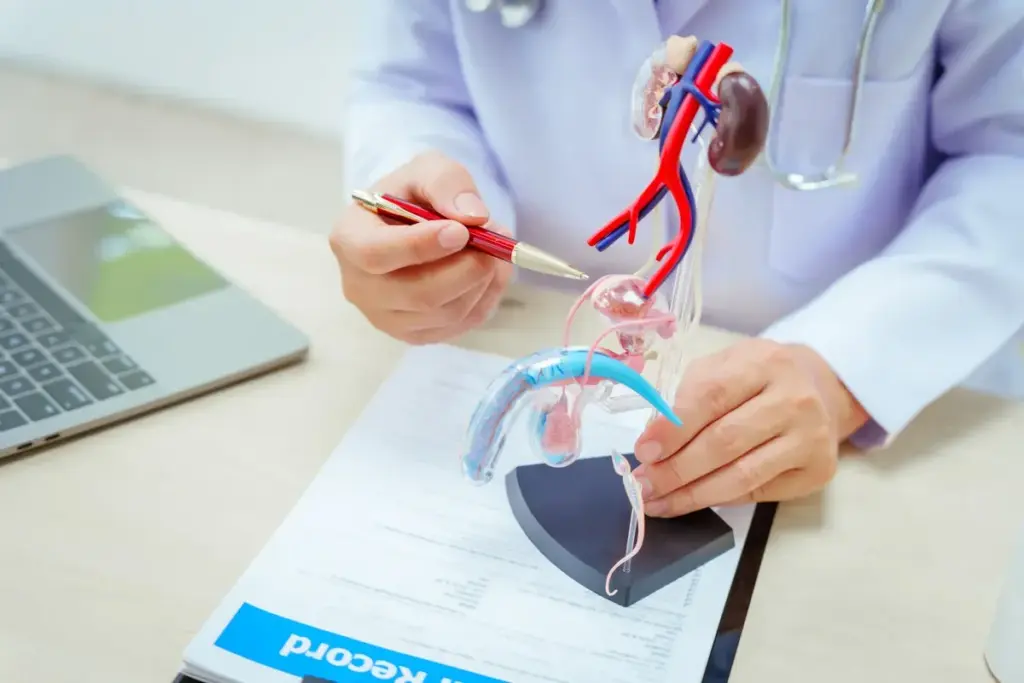
Did you know that urologists help over 13 million patients every year in the United States? They are key in treating problems with the urinary tract and male reproductive system. What is a urologist referral policy? Get best secrets. Direct access saves time. Prompt care is vital for fixing dangerous pain fast.
A urology doctor, or urologist specialist, can handle many conditions. This includes common infections and serious cancers. Knowing when to see a doctor of urologist is very important.
We will look into what a urologist does, when you should see one, and what to expect. This will help you take care of your urinary health.
Key Takeaways
- Urologists specialize in the diagnosis, treatment, and surgery of urinary tract and male reproductive system disorders.
- They treat a wide range of conditions, including urinary tract infections and cancers.
- Both men and women can benefit from consulting a urologist for urinary health issues.
- A urologist can provide preventive care and treatment for various urinary tract conditions.
- Understanding when to see a urologist can significantly impact your health outcomes.
Understanding the Role of a Urologist
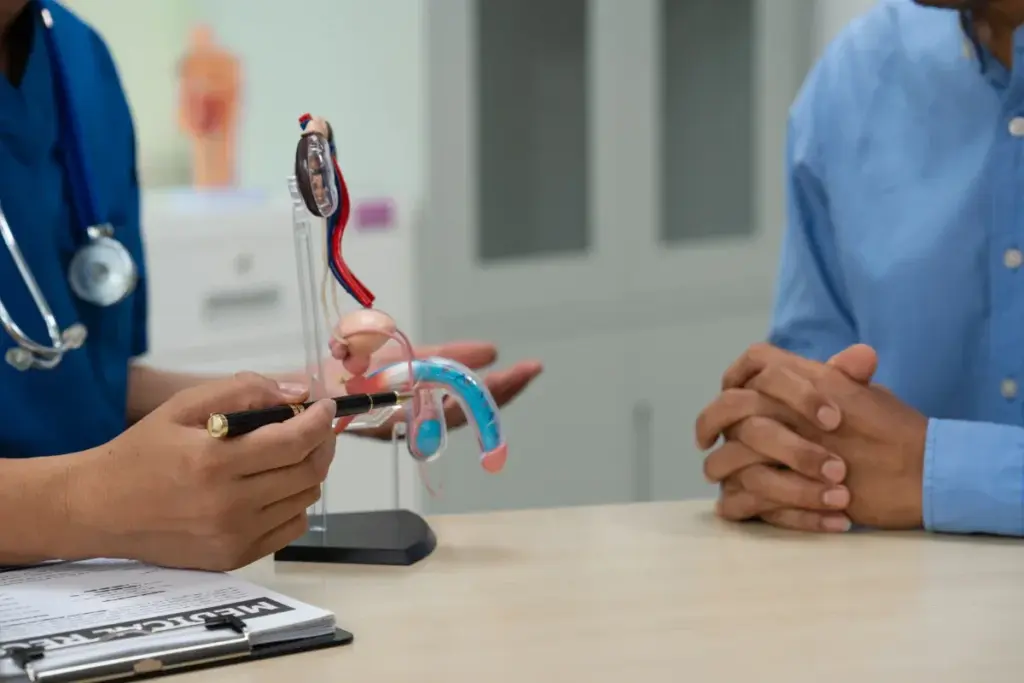
Knowing what a urologist does is key for those with urinary or reproductive health issues. Urologists are doctors who handle problems with the urinary system in both men and women. They also deal with issues in the male reproductive system.
Many ask, “What do urologists do?” Simply, they handle a wide range of health issues. This includes common problems like urinary tract infections and serious conditions like cancers of the urinary tract and male reproductive organs. If you have symptoms that need a urology referral, knowing when to see a urologist is important.
What Do Urologists Treat?
Urologists treat many conditions, like urinary tract infections, kidney stones, and bladder control issues. They also handle prostate problems. To understand urology better, it’s good to know the difference between urologists and nephrologists. While nephrologists focus on kidney diseases, urologists deal with the urinary tract and male reproductive system. They often perform surgeries when needed.
|
Condition |
Description |
Treatment Approach |
|---|---|---|
|
Urinary Tract Infections (UTIs) |
Infections in the urinary system |
Antibiotics, hydration, and sometimes more tests |
|
Kidney Stones |
Hard deposits in the kidneys |
Hydration, pain relief, and sometimes surgery |
|
Prostate Issues |
Conditions like prostatitis or cancer |
Medications, lifestyle changes, and surgery |
Common Conditions Addressed by Urologists
Urologists handle a wide range of health issues. Some common ones include:
- Urinary incontinence
- Prostate cancer
- Erectile dysfunction
- Kidney cancer
- Bladder cancer
These conditions can greatly affect a person’s life. Getting the right medical care on time is very important. Understanding what urologists treat enables patients to seek the appropriate care they need.
When to Visit a Urologist

Knowing when to see a urologist is key to treating urological issues. Urologists focus on the urinary tract and male reproductive system. They are the experts for many conditions.
Symptoms That May Require a Urologist’s Attention
Some symptoms mean you should see a urologist. These include:
- Painful urination or a burning feeling while you pee
- Needing to pee a lot, feeling like you have to go right away
- Seeing blood in your pee, which could be a serious sign
- Having trouble starting or stopping your pee flow
- Pain in your lower belly or back
If you notice any of these signs, get medical help fast. A urologist can find out what’s wrong and treat it.
|
Symptom |
Possible Condition |
Urologist’s Role |
|---|---|---|
|
Painful Urination |
Urinary Tract Infection (UTI), Kidney Stones |
Diagnosis and treatment, including antibiotics or surgical intervention |
|
Frequent Urination |
Overactive Bladder, Diabetes |
Evaluation and management, potentially including behavioral therapy or medication |
|
Blood in Urine |
Kidney Stones, Bladder Cancer |
Diagnostic tests (e.g., imaging, cystoscopy) and treatment planning |
Importance of Early Diagnosis
Early detection is vital for treating many urological issues. Catching conditions like bladder cancer or kidney stones early can lead to better treatment. This might mean less invasive procedures.
Benefits of Early Diagnosis:
- Improved treatment outcomes
- Reduced risk of complications
- Less invasive treatment options
- Better quality of life
Understanding when to see a urologist and the value of early detection can help keep your urological health in check.
How to Find a Urologist
Finding a good urologist can be tough. You have many ways to look for one. You can use online directories, ask your primary care doctor, or get tips from friends and family.
Researching the Right Specialist
When looking for a urologist, check their qualifications and experience. Make sure they are board-certified by a trusted medical board.
Also, reading what other patients say can help. It gives you a peek into how they work and the care they offer.
Utilizing Online Resources Effectively
Online tools like review sites and directories are great for finding a urologist. Healthgrades or RateMDs let you see what others think and compare doctors.
Seeing if the urologist works at a well-known hospital is also smart. It shows they are respected in their field.
By doing your homework, you can find a urologist who will take good care of you.
Can I See a Urologist Without a Referral?
Many people wonder if they need a referral to see a urologist. The answer depends on your insurance plan. It’s important to know what your insurance requires before you go.
Understanding Insurance Requirements
Insurance rules for specialist visits can change a lot. Some plans need a referral from your primary doctor. Others let you go straight to the specialist.
To find out if you need a referral, check your insurance policy or call your provider. Have these details ready:
- Your insurance policy number
- The name of your insurance provider
- The specific requirements for seeing a urologist
Knowing these rules helps you avoid extra costs and delays in your care.
|
Insurance Plan |
Referral Required |
Direct Access Allowed |
|---|---|---|
|
Plan A |
Yes |
No |
|
Plan B |
No |
Yes |
|
Plan C |
Depends on condition |
Yes, for certain conditions |
Direct Access to Urologists
If your insurance lets you see specialists directly, booking a urologist visit is easy. Direct access means no need for a referral. This saves time and might cut costs.
Always check your insurance details before scheduling an appointment. This ensures a smooth process.
Knowing your insurance rules and options helps you manage your urological health quickly and efficiently.
What to Expect During a Urology Appointment
Knowing what happens at a urology appointment can make you feel less anxious. We’re here to walk you through it, making sure you’re informed and comfortable. This way, you can focus on your health without worry.
Initial Consultation and Medical History
At your first visit, we’ll take a detailed medical history. We’ll talk about your symptoms, past health, and any treatments you’ve had. We also want to know about your lifestyle and how it might affect your health. This helps us understand your situation and find the best treatment for you.
During the visit, you might get a physical exam. Men might have their genital and prostate areas checked. Women might have a pelvic exam if needed. Our goal is to get all the information we can to make an accurate diagnosis.
Common Diagnostic Tests and Procedures
Based on your symptoms and the initial exam, we might do some tests. These could include:
- Urine analysis to check for infections, blood, or other abnormalities
- Imaging studies such as ultrasound, CT scans, or MRI to visualize the urinary tract and related organs
- Urodynamic tests to assess how well your bladder and urethra are performing
- Cystoscopy, where a small camera is inserted into the bladder to inspect its interior
These tests help us find out what’s causing your symptoms. We’ll explain each test in detail and make sure you’re comfortable with them before we start.
|
Diagnostic Test |
Purpose |
What to Expect |
|---|---|---|
|
Urine Analysis |
To check for infections, blood, or other abnormalities |
You will be asked to provide a urine sample, which will be analyzed in our laboratory. |
|
Imaging Studies (Ultrasound, CT, MRI) |
To visualize the urinary tract and related organs |
You will undergo one or more imaging tests, depending on your condition. You may be required to change into a gown or remain very quiet during the test. |
|
Urodynamic Tests |
To assess bladder and urethra performance |
These tests involve measuring the pressure and flow of urine. You might need to keep a bladder diary to track your urination patterns. |
|
Cystoscopy |
To inspect the interior of the bladder |
A small camera is inserted into the bladder through the urethra. You’ll get instructions on how to prepare and what to expect afterward. |
Urological Treatments Available
Urological treatments have come a long way. They offer effective solutions for conditions that impact daily life. We tailor treatments to meet each patient’s unique needs.
Surgical Options
Surgery is often a key treatment for many urological issues. We use the latest techniques and technologies for the best results.
Some surgical options include:
- Minimally invasive surgeries for kidney stones and tumors
- Reconstructive surgery for urinary incontinence
- Robotic-assisted surgery for complex procedures, with precision and quick recovery
Our surgeons work with patients to choose the right surgery. They consider the patient’s condition and health.
Non-Invasive Treatments
Not every urological issue needs surgery. We have non-invasive treatments for many common problems.
These treatments may include:
- Medication for symptoms like overactive bladder or erectile dysfunction
- Lifestyle changes and therapy for urinary incontinence
- Other non-invasive therapies for specific needs
We aim to find the most fitting and least invasive treatment. Our goal is to achieve the best outcome for patients.
Preventive Care in Urology
Keeping your urological health in check is all about being proactive. Preventive care is key to avoiding many urological issues. These issues can really affect your quality of life.
Routine Check-Ups
Seeing a urologist regularly is essential. These visits help catch problems early. Early detection is vital for effective treatment.
At these check-ups, we do detailed exams and tests. This helps us spot issues like urinary tract infections and kidney stones early. It also helps catch certain cancers before they spread.
Healthy Lifestyle Choices
Healthy habits are also important for urological health. Eating right, staying active, and drinking enough water are musts. A diet full of fruits, veggies, and whole grains can help prevent some urological problems.
Not smoking and drinking less alcohol also helps. Keeping a healthy weight is important too. Obesity can lead to many urological issues.
- Eating a balanced diet to prevent urological conditions
- Staying hydrated to help prevent kidney stones and urinary tract infections
- Engaging in regular physical activity to maintain overall health
- Avoiding smoking to reduce the risk of urological cancers
By combining regular check-ups with healthy habits, you can lower your risk of urological problems. We’re here to help our patients stay healthy through preventive care and education.
The Impact of Age on Urological Health
Age is key in urological health, with different issues at different ages. As we get older, the risks for urological problems change. It’s important to know this and get the right medical care for your age.
Common Issues for Young Adults
Young adults often deal with urinary tract infections (UTIs) and kidney stones. These can be very painful and affect daily life. It’s important to understand the causes and get medical help quickly to manage them well.
UTIs in young adults often come from sex and poor hygiene. Antibiotics are key to treating UTIs and stopping them from getting worse.
Urological Concerns for Seniors
Seniors face unique urological problems like benign prostatic hyperplasia (BPH) in men and urinary incontinence in both men and women. These issues can really affect their quality of life. It’s vital to talk about these symptoms with doctors.
BPH can lead to trouble urinating and discomfort. Doctors can help with medicines and lifestyle changes to ease symptoms. For urinary incontinence, a mix of exercises, lifestyle changes, and sometimes surgery can help.
“Aging is a natural process, and understanding its impact on urological health can empower individuals to take proactive steps towards maintaining their well-being.”
Urology and Men’s Health
Urology is key for men’s health, tackling many issues that affect their well-being. Men face big health challenges like prostate cancer, testicular cancer, and erectile dysfunction.
Specific Conditions Affecting Men
Men are at risk for several urological conditions that can greatly impact their life quality. Some of these include:
- Prostate Cancer: A common cancer in men, it needs early detection and treatment.
- Testicular Cancer: Though rare, it’s a big worry, mainly for young men.
- Erectile Dysfunction: It can affect men’s sexual health and relationships, both physically and mentally.
The Importance of Regular Screenings
Regular screenings are vital for catching urological conditions early. Men should talk to a urologist about screenings, if they have a family history of these issues.
Regular screenings offer many benefits:
- Early Detection: Finding conditions early can greatly improve treatment results.
- Preventive Care: Screenings can stop conditions from getting worse.
- Improved Quality of Life: Managing urological health helps men stay healthy as they age.
We stress the need for men’s health screenings as part of urological care. By being informed and proactive, men can manage their health better.
Women’s Urological Health
We understand the importance of urological health in women. They face unique challenges. Issues like urinary tract infections and interstitial cystitis are common.
Specific Conditions Affecting Women
Urinary tract infections are a big problem for women. They often come from bacterial infections. Interstitial cystitis, causing bladder pain, also hits women hard.
Addressing Urological Issues in Women
We stress the need for full care for women’s urological health. Regular check-ups and healthy living are key. Quick action for infections is also important.
By focusing on women’s urological health, we can boost their well-being. This improves their quality of life.
FAQ
What is a urologist?
A urologist is a doctor who specializes in the urinary tract and male reproductive system. They treat both men and women.
What do urologists treat?
Urologists handle many issues like urinary tract infections and kidney stones. They also treat bladder problems and cancers in the urinary and reproductive systems.
When should I see a urologist?
If you have symptoms like painful urination or blood in your urine, see a urologist. These signs can mean you have a serious issue.
Do I need a referral to see a urologist?
It depends on your insurance. Some plans need a referral from your doctor. Others let you go straight to a specialist.
What can I expect during a urology appointment?
At your first visit, the urologist will ask about your health and do a physical exam. They might also do tests like urine analysis or imaging.
What treatments are available for urological conditions?
Urologists use many treatments. These include medicine, lifestyle changes, and surgery for serious cases.
Why is preventive care important in urology?
Preventive care keeps your urological health in check. Regular visits and healthy choices can prevent many problems.
How does age affect urological health?
Age plays a big role in urological health. Different issues affect people at different times. Knowing this helps in managing health at all ages.
Do urologists only treat men?
No, urologists treat both men and women. They focus on the male reproductive system but also handle urinary issues in women.
What is the importance of regular screenings for men’s urological health?
Regular screenings are key for catching diseases early. This includes prostate and testicular cancer, and erectile dysfunction.
Can women benefit from seeing a urologist?
Yes, women can greatly benefit from urologists. They help with urinary tract infections, interstitial cystitis, and other female-specific issues.
References
National Institutes of Health. Evidence-Based Medical Insight. Retrieved from https://www.niddk.nih.gov/-/media/Files/Strategic-Plans/urologic/2024/UDA-ADR-IntroductionMethods-2024_508.pdf