Last Updated on November 26, 2025 by Bilal Hasdemir
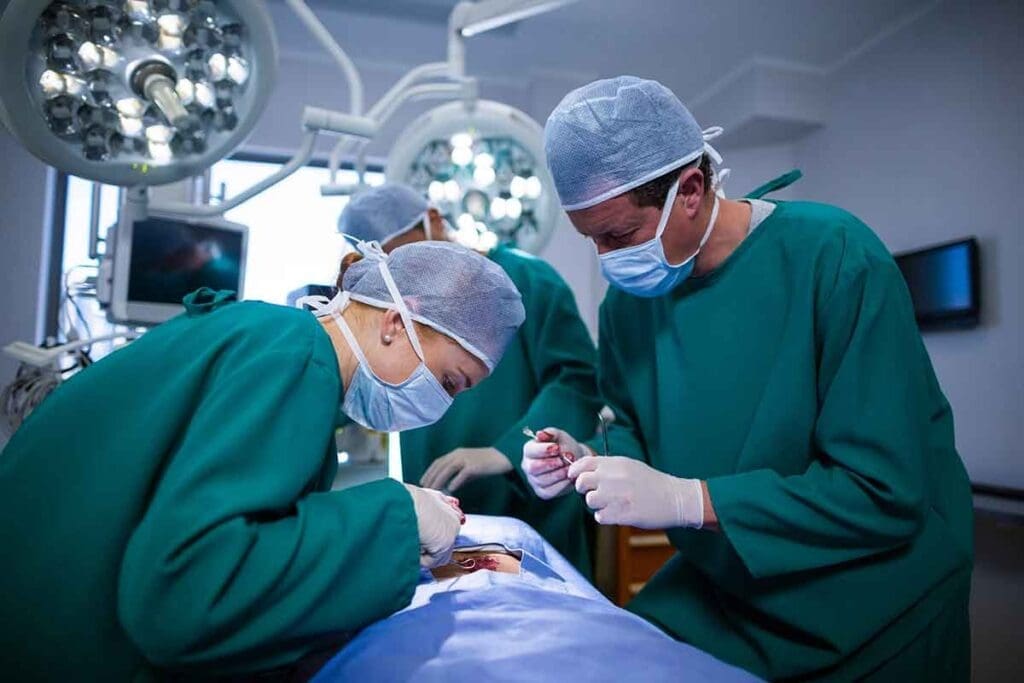
For those dealing with atrial fibrillation, ablation heart surgery brings new hope. This surgery is a minimally invasive way to fix the heart’s rhythm. It works by creating scars to block the bad electrical signals. Discover what is ablation heart surgery, how it treats AFib, and if it offers a cure.
Liv Hospital is all about trusted care and new ideas for patients. With ablation for atrial fibrillation, many see big improvements in their health.
Key Takeaways
- Ablation heart surgery is a minimally invasive procedure used to treat AFib.
- The procedure creates scars to stop irregular heart rhythms.
- Liv Hospital prioritizes patient-centered innovation and trusted expertise.
- Ablation for atrial fibrillation can significantly improve a patient’s condition.
- This treatment is delivered safely and effectively.
Understanding Atrial Fibrillation (AFib)
Atrial fibrillation, or AFib, is a heart condition where the heart beats irregularly and fast. This happens when the upper heart chambers (atria) don’t beat right. They don’t move blood into the lower chambers (ventricles) well.
AFib is a type of arrhythmia that can cause serious problems like stroke and heart failure. It affects about 6 million people in the U.S. This number is expected to double by 2030.
Causes and Risk Factors
AFib often comes with risk factors like age, high blood pressure, and heart disease. Obesity, diabetes, and sleep apnea also play a role. A sedentary lifestyle and too much alcohol can also contribute.
More people are getting risk factors for AFib like obesity and diabetes. These factors make it more likely to get AFib.
| Risk Factor | Description | Impact on AFib Risk |
| Age | Increasing age is a significant risk factor for AFib. | Risk increases with age, specially after 65. |
| High Blood Pressure | Uncontrolled hypertension can lead to AFib. | Significantly increases the risk of developing AFib. |
| Obesity | Excess body weight is linked to an increased risk of AFib. | Contributes to the development of AFib through various mechanisms. |
Symptoms and Complications of AFib
AFib symptoms vary from person to person. Some may not feel any symptoms, while others might have palpitations, shortness of breath, or chest pain. If not managed, AFib can lead to serious issues like stroke and heart failure.
Common symptoms of AFib include:
- Palpitations or irregular heartbeat
- Shortness of breath
- Chest pain or discomfort
- Fatigue or weakness
- Dizziness or lightheadedness
Impact on Quality of Life
AFib can greatly affect a person’s life, both physically and emotionally. It can limit daily activities and cause anxiety and depression if not managed well.
Understanding AFib is key to managing it and improving life for those affected.
What Is Ablation Heart Surgery?
Cardiac ablation is a surgery that helps the heart beat normally. It’s for people with irregular heart rhythms that medicines can’t fix.
Definition and Purpose
Ablation heart surgery, or cardiac ablation, uses energy to destroy heart tissue causing irregular beats. It aims to treat arrhythmias by getting rid of the faulty electrical signals.
The surgery uses heat or cold to scar the heart tissue. This scarring stops the abnormal electrical pathways, helping the heart beat normally again.
How Ablation Targets Abnormal Heart Rhythms
Ablation focuses on the heart areas causing irregular beats. It aims to bring back a normal heart rhythm by treating these areas.
The process includes:
- Mapping the heart’s electrical pathways to find the arrhythmia source.
- Using energy (heat or cold) to create lesions on the problematic heart tissue.
- Checking if the procedure worked by looking for abnormal rhythms after.
History and Development of Cardiac Ablation
Cardiac ablation has grown a lot over time. It started as a surgery but now is less invasive, helping patients recover faster.
| Year | Development |
| 1980s | Introduction of cardiac ablation as a surgical technique. |
| 1990s | Advancements in catheter-based ablation techniques. |
| 2000s | Improvements in technology, including the use of 3D mapping systems. |
Now, cardiac ablation is a key treatment for arrhythmias like AFib. It offers a chance for a cure when medicines don’t work.
How Ablation Works to Treat AFib
Understanding ablation is key for those with atrial fibrillation. It aims to fix the heart’s electrical system. Atrial fibrillation (AFib) causes irregular heartbeats due to faulty electrical signals.
The goal of ablation is to find and treat these problem spots in the heart.
The Electrical System of the Heart
The heart’s electrical system is complex. It starts with the sinoatrial (SA) node, the heart’s natural pacemaker. This node sends electrical impulses that make the heart contract.
In AFib, this system gets disrupted, causing irregular rhythms. As Dr at a cardiac electrophysiologist, explains, “The heart’s electrical system is like a finely tuned orchestra; in AFib, this orchestra is playing out of sync.”
Identifying and Targeting Problematic Areas
To treat AFib, doctors must find the heart areas causing the arrhythmia. They use advanced mapping techniques to create a “sparkle map” of the heart’s electrical activity. This map helps doctors locate the abnormal signals.
Advanced mapping technologies have made ablation procedures more precise.
“The use of advanced electroanatomical mapping has revolutionized our ability to understand and treat complex arrhythmias like AFib,” says
“The precision offered by modern mapping systems allows us to target the root cause of the arrhythmia with unprecedented accuracy.”
Creating Controlled Scarring
Ablation uses heat (radiofrequency ablation) or cold (cryoablation) to create controlled scarring in the heart. This scarring stops the abnormal electrical pathways, helping the heart beat normally. The procedure uses a catheter, guided through blood vessels, to avoid invasive surgery.
The success of ablation depends on the doctor’s skill, the ablation method, and the patient’s condition. As cardiac electrophysiology advances, so do ablation techniques and technologies, bringing hope to AFib patients.
Types of Cardiac Ablation Procedures
There are many ways to do cardiac ablation, each tackling heart rhythm problems differently. This medical procedure aims to fix arrhythmias by scarring or destroying bad electrical paths in the heart.
Radiofrequency Ablation
Radiofrequency ablation is a common method. It uses heat energy to kill off bad heart cells. A catheter sends radiofrequency energy to the problem area, causing scarring that stops bad signals.
The Institute says it works well for many arrhythmias, like atrial fibrillation. The procedure is done under local anesthesia and sedation to make it less painful.
Cryoablation
Cryoablation, or cryotherapy, freezes and kills bad heart pathways. It’s used for delicate heart areas because it’s more precise than heat treatments. This method is good for some arrhythmias.
- Cryoablation is great for certain arrhythmias.
- It’s safer for the heart tissue around it.
- It might be less painful than radiofrequency ablation.
Pulsed Field Ablation
Pulsed field ablation is a new method for treating atrial fibrillation. It uses energy waves to kill off bad cells without harming nearby tissue. It’s being studied for its safety and effectiveness.
“Pulsed field ablation represents a promising advancement in the field of cardiac ablation, promising a safer and more efficient treatment for atrial fibrillation.” – Recent Study
Choosing a cardiac ablation procedure depends on many things. These include the arrhythmia type, patient health, and the doctor’s skills. Knowing about these procedures helps patients make better choices.
When Is Ablation Recommended for AFib Patients?
Doctors recommend ablation for AFib when certain conditions are met. It’s considered when other treatments don’t work well. Ablation is a treatment for those who haven’t seen improvement with other therapies.
Medication-Resistant AFib
Medication resistance is a key factor in choosing ablation for AFib patients. If medications don’t control symptoms, ablation is an option. Research shows it can greatly reduce symptoms in those who don’t respond to medication.
A study in a medical journal found, “Catheter ablation is an effective treatment for patients with symptomatic AFib that is resistant to anti-arrhythmic medication.”
Symptomatic AFib
Those with symptomatic AFib are also considered for ablation. Symptoms like palpitations, shortness of breath, and fatigue can greatly affect life quality. Ablation aims to target and reduce these symptoms.
- Palpitations and irregular heartbeats
- Shortness of breath during normal activities
- Fatigue and decreased exercise tolerance
Patient Selection Criteria
The CHA₂DS₂-VASc scoring tool helps assess the need for anticoagulation in AFib patients. It’s not directly for ablation but helps evaluate risk. Other factors include the patient’s health, comorbidities, and symptom severity.
Guidelines suggest a detailed evaluation for ablation. This includes:
- Assessing AFib symptoms and their impact
- Looking at previous treatments’ success
- Considering the patient’s overall health and conditions
Ablation is tailored to each patient. The decision to do it is based on individual needs and health status.
The Ablation Procedure: What to Expect
For those with atrial fibrillation, knowing what happens during the ablation procedure can help ease worries. The process includes several stages, from getting ready to aftercare, all important for success.
Pre-Procedure Preparation
Before the ablation, patients go through tests to make sure they’re good candidates. A key test is transesophageal echocardiography (TEE), which looks for heart clots. This is critical to lower stroke risk during the procedure.
Patients also need to:
- Stop certain medications that could affect the procedure or increase bleeding risk.
- Fast for a set time before the procedure.
- Have someone drive them home because of sedation.
During the Procedure
During the procedure, catheters are placed in the heart through blood vessels. It’s done under local anesthesia and sedation to reduce pain.
The steps are:
- Insertion of catheters through a small incision in the groin or arm.
- Guiding the catheters to the heart using imaging like fluoroscopy.
- Finding and targeting the heart areas causing irregular rhythms.
- Using energy (like radiofrequency or cryoablation) to create scarring that stops the abnormal pathways.
Immediate Post-Procedure Care
After the procedure, patients are watched in a recovery area for a few hours. They might feel some discomfort, like soreness at the catheter site or heart palpitations.
| Care Aspect | Description |
| Monitoring | Close observation for complications such as bleeding or cardiac tamponade. |
| Pain Management | Administration of pain relief medication as needed. |
| Activity Level | Patients are advised to rest and avoid strenuous activities for a few days. |
By understanding the ablation procedure and what to expect, patients can better prepare for treatment and recovery. This can improve their chances of a successful outcome.
Recovery After Heart Ablation Surgery
Recovering from heart ablation surgery involves several steps. These include staying in the hospital, following activity rules, and regular check-ups. Knowing what to expect helps ensure a smooth recovery.
Hospital Stay Duration
The time you spend in the hospital after surgery varies. It depends on your health and the surgery’s complexity. Usually, patients go home within a day.
Activity Restrictions
Once you’re home, you’ll need to follow certain rules to heal right. You’ll be told to avoid hard work, lifting heavy things, and driving for a while.
Follow-Up Care
Regular check-ups are key to your recovery. They let doctors track your progress, answer questions, and change your meds if needed.
| Recovery Aspect | Details | Timeline |
| Hospital Stay | Generally short, depending on patient’s health | Typically within 24 hours |
| Activity Restrictions | Avoid strenuous activities, heavy lifting, driving | Varied, typically several days to weeks |
| Follow-Up Care | Scheduled appointments for monitoring and medication adjustment | Ongoing, as advised by healthcare provider |
Does Ablation Cure Atrial Fibrillation?
The question of whether ablation can cure atrial fibrillation is complex. It depends on several factors. Ablation heart surgery can reduce AFib symptoms for many patients. But, its curative power varies based on individual circumstances.
Short-Term Success Rates
Studies show that ablation can significantly reduce AFib episodes in the short term. For some patients, short-term success rates can reach 70-80%. But, these rates can change based on the type of AFib and the ablation technique.
Long-Term Outcomes
Long-term outcomes of ablation for AFib are key. Some patients get long-lasting relief from AFib symptoms. But, others might need repeat procedures. Long-term success rates are generally lower, around 50-60% of patients stay free from AFib.
Factors Affecting Success
Several factors can influence ablation success for AFib. These include:
- The type and duration of AFib
- Patient selection criteria, including overall health and heart function
- The experience and skill of the electrophysiologist performing the procedure
- The specific ablation technique used
Understanding these factors is key for setting realistic expectations. It helps optimize outcomes for patients undergoing ablation for AFib.
Potential Risks and Complications
The ablation procedure is generally safe but comes with some risks. It’s important to know these risks to make an informed choice. Many patients have ablation without major problems, but it’s good to be aware of the possible complications.
Common Side Effects
Minor bleeding and pain at the catheter site are common side effects. These usually go away in a few days. Some people might also feel:
- Temporary discomfort or bruising at the catheter insertion site
- Minor bleeding or hematoma
- Fatigue or weakness
Serious Complications
Though rare, serious complications can happen. These include:
- Cardiac tamponade, a condition where fluid accumulates in the sac around the heart
- Pulmonary vein stenosis, a narrowing of the pulmonary veins
- Stroke or transient ischemic attack (TIA)
- Damage to the heart’s electrical system, potentially requiring a pacemaker
It’s important to remember that these serious complications are rare. They happen in a small number of patients who have ablation.
Risk Mitigation Strategies
To lower the risks of ablation, several steps can be taken:
- Careful patient selection based on thorough evaluation
- Use of advanced imaging techniques during the procedure
- Monitoring for possible complications during and after the procedure
- Following post-procedure care instructions to reduce the risk of infection and other complications
By understanding the risks and taking steps to reduce them, patients can make better choices about ablation for atrial fibrillation.
Living with AFib After Ablation
Living with AFib after ablation means managing meds, making lifestyle changes, and keeping an eye on your health. Ablation can greatly improve life for those with atrial fibrillation. But, it doesn’t mean AFib won’t come back.
Medication Management
Patients may need to keep an eye on their meds after ablation. Anticoagulants are often used to lower stroke risk, even if the heart is in rhythm. Anti-arrhythmic drugs help keep the heart rhythm normal. Doctors decide if you should keep taking these meds based on your risk factors and how well the ablation worked.
Lifestyle Adjustments
Healthy lifestyle choices are key for managing AFib after ablation. This includes staying at a healthy weight, exercising, and managing conditions like high blood pressure and diabetes. Dietary changes are also important, focusing on fruits, veggies, and whole grains.
- Eating a heart-healthy diet
- Exercising regularly
- Managing stress
- Avoiding too much alcohol and caffeine
Long-Term Monitoring
Keeping an eye on your health long-term is vital for catching any AFib return and managing symptoms. This might mean regular doctor visits, wearing a Holter monitor or event recorder, and knowing the signs of AFib coming back.
By managing meds, making lifestyle changes, and monitoring your health, you can manage your condition well after ablation. This improves your quality of life.
Conclusion
Ablation heart surgery is a key treatment for atrial fibrillation (AFib). It offers many benefits to patients. By knowing the causes, symptoms, and how to recover, patients can make better choices.
Liv Hospital focuses on excellence with academic protocols and team care. This ensures patients get the best treatment. Ablation heart surgery can greatly improve life for AFib patients.
In summary, ablation for AFib is a hopeful treatment for long-term relief. It’s not for everyone, but it can make a big difference. Talking to a healthcare provider is key to see if it’s right for you.
FAQ
What is ablation heart surgery for atrial fibrillation?
Ablation heart surgery, also known as catheter ablation, is a minimally invasive procedure. It treats atrial fibrillation (AFib) by destroying abnormal electrical pathways in the heart. This causes arrhythmia.
Does ablation cure atrial fibrillation?
Ablation can potentially cure atrial fibrillation. But success rates vary. This depends on factors like AFib severity, underlying heart disease, and the ablation procedure type.
What are the different types of cardiac ablation procedures?
There are several types of cardiac ablation procedures. These include radiofrequency ablation, cryoablation, and pulsed field ablation. Each has its own characteristics and uses in treating AFib.
How does ablation work to treat AFib?
Ablation identifies and targets problematic areas in the heart that cause AFib. It creates controlled scarring. This disrupts the abnormal electrical pathways.
What is the recovery process like after heart ablation surgery?
The recovery process involves a short hospital stay. It also includes activity restrictions and follow-up care. This is to monitor the heart’s rhythm and manage any complications.
What are the possible risks and complications associated with ablation?
Possible risks and complications include bleeding and bruising. Serious complications like cardiac tamponade and stroke can also occur.
Can ablation be used to treat medication-resistant AFib?
Yes, ablation is often recommended for patients with medication-resistant AFib. It offers an alternative treatment option to manage symptoms and improve quality of life.
How is patient selection determined for ablation?
Patient selection for ablation depends on several factors. These include AFib severity, underlying heart disease, and overall health status.
What lifestyle adjustments are necessary after ablation?
Lifestyle adjustments after ablation may include managing medications and making dietary changes. Regular exercise is also important to maintain heart health.
Is long-term monitoring necessary after ablation?
Yes, long-term monitoring is necessary after ablation. It tracks the heart’s rhythm and detects any complications or AFib recurrence.
What is the role of electrophysiologists in ablation?
Electrophysiologists play a key role in ablation. They use advanced mapping techniques to identify and target problematic areas in the heart that cause AFib.
How does ablation impact quality of life for AFib patients?
Ablation can significantly improve quality of life for AFib patients. It reduces symptoms, improves heart function, and enhances overall well-being.
What is pulsed field ablation?
Pulsed field ablation is a newer cardiac ablation procedure. It uses high-voltage electrical pulses to create non-thermal lesions. These disrupt abnormal electrical pathways in the heart.
References
National Health Service. (2023). Catheter ablation. nhs.uk. https://www.nhs.uk/conditions/catheter-ablation/