Acute myocardial infarction, commonly known as a heart attack, occurs when there’s a sudden blockage of blood flow to the heart, causing damage to the heart muscle tissue. At Liv Hospital, we understand the significance of timely diagnosis and effective treatment for this life-threatening condition.
According to the Centers for Disease Control and Prevention, more than 800,000 Americans experience a heart attack each year. Our multidisciplinary approach at Liv Hospital ensures the highest quality care for patients facing acute myocardial infarction, providing them with comprehensive support throughout their treatment journey.
Key Takeaways
- Understanding acute myocardial infarction (AMI) is crucial for timely diagnosis and treatment.
- Liv Hospital offers a multidisciplinary approach to treating heart attacks.
- Effective treatment of AMI requires a comprehensive care plan.
- More than 800,000 Americans have a heart attack annually.
- Timely diagnosis is critical for improving outcomes in AMI patients.
The AMI Medical Meaning: Understanding Acute Myocardial Infarction
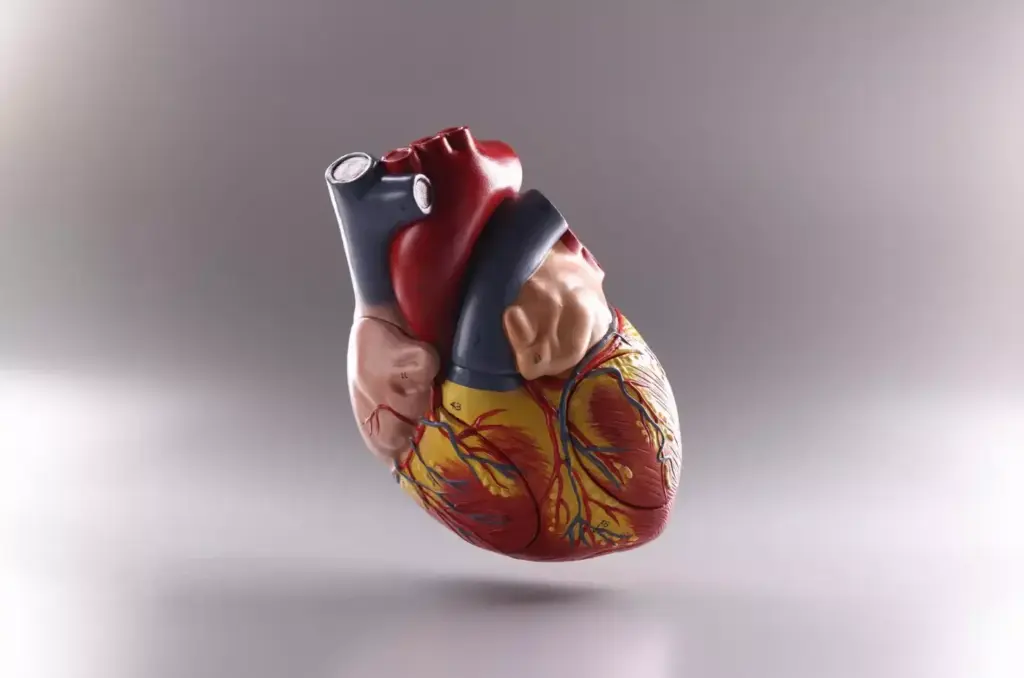
Understanding the medical meaning of AMI is crucial for grasping the severity and impact of acute myocardial infarction on cardiovascular health. Acute myocardial infarction (AMI) is a condition where the heart muscle is damaged due to a lack of blood supply, often resulting from a blockage in the coronary arteries.
Terminology and Common Names for Heart Attacks
The term AMI is often used interchangeably with “heart attack.” Other common names include myocardial infarction (MI) and coronary thrombosis. These terms all refer to the same critical condition where the heart muscle is damaged due to insufficient blood flow, leading to cell death. Acute heart infarction and acute MI can present with symptoms like chest pain, shortness of breath, and sweating, but it’s noteworthy that about 20 percent of cases may be asymptomatic or atypical.
The Significance of AMI in Cardiovascular Disease
AMI is a leading cause of morbidity and mortality worldwide, making it a significant public health concern. The pathophysiology of acute myocardial infarction involves complex processes including atherosclerotic plaque rupture, thrombosis, and subsequent ischemia leading to infarction. Recent advancements in medical research, such as the development of innovative Positron Emission Tomography (PET) imaging techniques targeting the cellular protein CXCR4, have improved our understanding of the inflammatory response following cardiac injury.
The impact of AMI on cardiovascular disease is multifaceted. It not only results in immediate damage to the heart muscle but also has long-term implications for heart health, including increased risk of heart failure and arrhythmias. Understanding AMI is crucial for developing effective ami treatment strategies and preventive measures.
By recognizing the signs and symptoms of AMI and understanding its underlying causes, we can take steps towards reducing its incidence and improving outcomes for those affected.
Recognizing the Signs and Symptoms of Acute MI
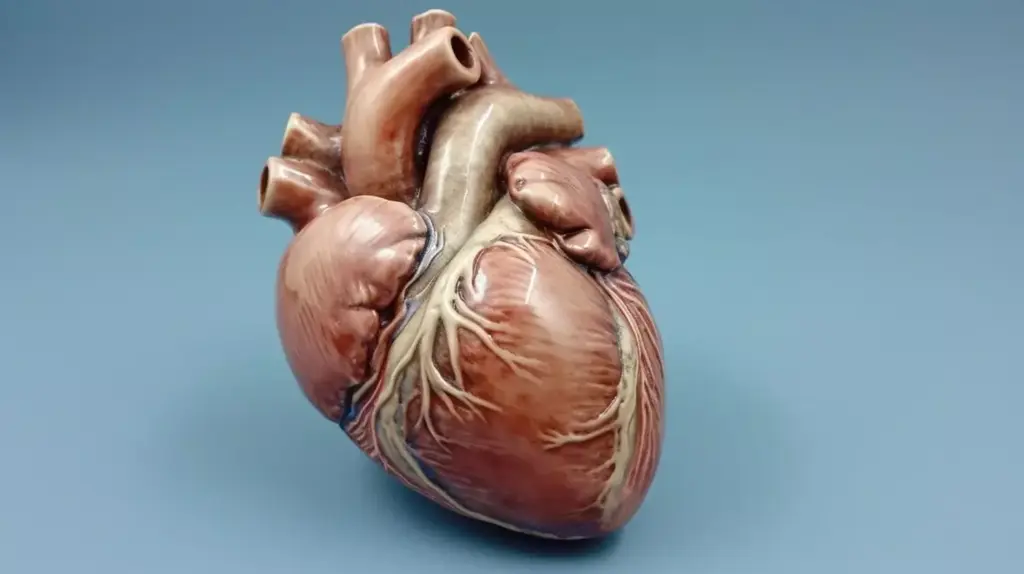
Understanding the signs and symptoms of acute myocardial infarction (AMI) is crucial for timely diagnosis and effective treatment. We recognize that the presentation of AMI can vary significantly among individuals, making it essential to be aware of both classic and atypical symptoms.
Classic Symptoms of Acute Myocardial Infarction
The classic symptoms of AMI typically include chest pain or discomfort, often described as a pressure or tightness in the chest that may radiate to the arm, neck, or jaw. This pain is usually persistent and not relieved by rest or nitroglycerin. Other associated symptoms may include dyspnea (shortness of breath), diaphoresis (sweating), and nausea or vomiting.
“The most common cause of acute MI is the rupture of an atherosclerotic plaque leading to thrombus formation,” which subsequently occludes the coronary artery, resulting in myocardial ischemia and infarction. A study involving 49 patients who suffered an acute myocardial infarction used a multimodal imaging protocol to assess cardiac health, highlighting the complexity of AMI diagnosis.
Atypical Presentations and Silent Heart Attacks
Not all individuals experience the classic symptoms of AMI. Atypical presentations are more common in certain populations, such as diabetic patients, older adults, and women. Atypical symptoms may include fatigue, dizziness, or confusion. In some cases, AMI can be asymptomatic, known as silent heart attacks.
It is crucial for healthcare providers to be aware of these atypical presentations to facilitate early diagnosis and treatment. As the American Heart Association emphasizes, “Prompt recognition and treatment of AMI are critical to reducing morbidity and mortality.”
By understanding the range of symptoms associated with AMI, from classic to atypical presentations, we can improve our ability to diagnose and manage acute MI effectively.
The Underlying Causes of Acute Myocardial Infarction
The pathogenesis of acute myocardial infarction involves a multifactorial process that includes atherosclerotic plaque rupture and thrombosis. Understanding these underlying causes is crucial for the prevention and effective management of AMI.
Atherosclerotic Plaque Rupture and Thrombosis
Atherosclerotic plaque rupture is a critical event in the development of acute myocardial infarction. When an atherosclerotic plaque ruptures, it exposes highly thrombogenic lipid-rich material to the bloodstream, leading to the formation of a thrombus. This thrombus can occlude the coronary artery, resulting in an acute MI.
The process involves a complex interplay of factors, including inflammation within the plaque, thinning of the fibrous cap, and hemodynamic forces. Inflammation plays a significant role in weakening the plaque, making it more susceptible to rupture.
Secondary and Less Common Causes of AMI
While atherosclerotic plaque rupture and thrombosis are the primary causes of AMI, there are secondary and less common causes that should not be overlooked. These include:
- Coronary artery spasm
- Embolic events
- Coronary artery dissection
- Cocaine use
These secondary causes can lead to AMI through different mechanisms, such as reducing blood flow to the coronary arteries or directly damaging the coronary vessels.
Recognizing these various causes of AMI is essential for healthcare providers to diagnose and manage the condition effectively. The diagnosis of acute MI relies on a combination of clinical assessment, vital signs, electrocardiography, and cardiac biomarkers, as mentioned earlier.
The pathological aftermath of AMI involves a complex interplay of tissue injury, inflammation, and healing processes. Understanding the causes and the subsequent pathological changes can help in developing targeted therapeutic strategies.
Pathophysiology of Acute MI: What Happens During a Heart Attack
The pathophysiology of acute MI involves a complex interplay of cellular and molecular changes that ultimately lead to the death of heart muscle cells. We will explore the sequence of events that occurs during a heart attack, from the initial ischemia to the eventual infarction.
The Ischemia-Injury-Infarction Sequence
The ischemia-injury-infarction sequence is a critical process in the pathophysiology of acute MI. It begins with ischemia, where the blood flow to the heart is reduced, causing a lack of oxygen and nutrients to the myocardial tissue. If ischemia persists, it leads to injury of the heart muscle cells, making them dysfunctional. Prolonged ischemia results in infarction, where the heart muscle cells die due to prolonged lack of blood supply.
Cellular Changes in Myocardial Tissue
During acute MI, significant cellular changes occur in the myocardial tissue. The lack of oxygen and nutrients triggers a cascade of cellular events, including the release of various biochemical markers. These changes can be detected through diagnostic tests, such as cardiac biomarkers.
Different Types of Myocardial Infarction
Myocardial infarction can be classified into different types based on various factors, including the location of the infarct and the presence of ST-segment elevation on an electrocardiogram (ECG). The main types are:
| Type of MI | Description |
|---|---|
| Type 1 | Spontaneous MI related to ischemia due to a primary coronary event |
| Type 2 | MI secondary to ischemia due to increased oxygen demand or decreased supply |
| Type 3 | Sudden unexpected cardiac death, including cardiac arrest |
| Type 4 | MI associated with percutaneous coronary intervention (PCI) |
| Type 5 | MI associated with coronary artery bypass grafting (CABG) |
Understanding these different types is crucial for determining the appropriate treatment strategy. Recent studies have shown that advanced imaging techniques, such as CXCR4 PET/CT, can identify patients at risk of adverse heart remodeling and heart failure after AMI, allowing for early intervention.
Risk Factors for Developing Acute Myocardial Infarction
Understanding the risk factors for Acute Myocardial Infarction (AMI) is crucial for prevention and effective management. We recognize that certain factors increase the likelihood of developing AMI, and identifying these can help in mitigating risks.
Non-Modifiable Risk Factors
Some risk factors for AMI are non-modifiable, meaning we cannot change them through lifestyle adjustments or medical interventions. These include:
- Age: The risk of AMI increases with age, particularly after the age of 45 for men and 55 for women.
- Family History: A family history of early cardiovascular disease is a significant risk factor.
- Gender: Men are generally at higher risk of AMI than women, although the risk for women increases post-menopause.
According to recent studies, understanding these non-modifiable risk factors can help in stratifying patient risk and guiding preventive measures effectively.
Modifiable Risk Factors
Fortunately, many risk factors for AMI are modifiable, meaning we can reduce the risk through lifestyle changes and medical treatment. Key modifiable risk factors include:
| Risk Factor | Description | Intervention |
|---|---|---|
| Hypertension | High blood pressure can damage arteries, increasing AMI risk. | Lifestyle changes, antihypertensive medications. |
| Diabetes Mellitus | Diabetes significantly increases cardiovascular risk. | Glycemic control, lifestyle modifications. |
| Smoking | Smoking damages cardiovascular health and increases AMI risk. | Smoking cessation programs. |
| Dyslipidemia | Abnormal lipid levels can lead to atherosclerosis. | Lipid-lowering therapies, dietary changes. |
Managing these modifiable risk factors can significantly reduce the risk of developing AMI. We emphasize the importance of a healthy lifestyle, including a balanced diet and regular physical activity, in preventing cardiovascular disease.
By understanding and addressing both non-modifiable and modifiable risk factors, we can work towards reducing the incidence of Acute Myocardial Infarction and improving cardiovascular health outcomes.
How to Diagnose Acute Myocardial Infarction: Clinical Assessment
Diagnosing acute myocardial infarction (AMI) requires a comprehensive clinical assessment that includes a thorough initial evaluation and careful monitoring of vital signs. We will outline the steps involved in diagnosing AMI through clinical assessment, highlighting the importance of prompt and accurate diagnosis.
Initial Evaluation and Vital Signs
The initial evaluation of a patient suspected of having AMI begins with a rapid assessment of their clinical status. We check vital signs, including heart rate, blood pressure, respiratory rate, and oxygen saturation. These measurements provide crucial information about the patient’s hemodynamic stability and help identify potential complications early.
In patients with AMI, vital signs may reveal tachycardia, bradycardia, hypertension, or hypotension. For instance, a study using CXCR4-targeted PET/CT, myocardial perfusion imaging (MPI), and cardiac MRI demonstrated the value of comprehensive imaging in assessing patients after AMI. Monitoring vital signs closely helps us detect any deterioration or improvement in the patient’s condition.
Physical Examination Findings
A thorough physical examination is essential in diagnosing AMI and assessing its complications. We look for signs of heart failure, such as jugular venous distension, peripheral edema, and pulmonary congestion. The presence of these findings can indicate the severity of the infarction and guide further management.
Other physical examination findings may include abnormal heart sounds, such as a third or fourth heart sound, murmurs indicative of mitral regurgitation, or a pericardial friction rub in cases of associated pericarditis. Immediate treatment for AMI includes restoring blood flow through medications like thrombolytics or antiplatelet agents, or procedures such as percutaneous coronary intervention (PCI).
By combining the initial evaluation, vital sign assessment, and physical examination findings, we can make an accurate diagnosis of AMI and initiate appropriate management promptly. This comprehensive clinical assessment is crucial for improving patient outcomes.
Diagnostic Tests and Procedures for AMI
To accurately diagnose AMI, healthcare professionals employ several key diagnostic tests and procedures. These tests not only help confirm the presence of a heart attack but also provide valuable information about the extent of cardiac damage.
Electrocardiography (ECG) Findings
Electrocardiography (ECG) is a crucial initial diagnostic tool in the assessment of AMI. It provides immediate information about the heart’s electrical activity and can show signs indicative of myocardial infarction, such as ST-segment elevation or depression, Q waves, and T wave inversion. We use ECG findings to quickly identify patients who may benefit from urgent interventions like thrombolysis or primary percutaneous coronary intervention (PCI).
The ECG is particularly useful because it is non-invasive, quick, and can be performed in the field or at the bedside. ST-elevation myocardial infarction (STEMI) is a specific diagnosis made using ECG, characterized by ST elevation in two or more contiguous leads. This diagnosis guides immediate treatment decisions.
Cardiac Biomarkers: Troponins and CK-MB
Cardiac biomarkers are proteins released into the bloodstream when cardiac cells are damaged. Troponins and creatine kinase-myocardial band (CK-MB) are the most commonly used biomarkers for diagnosing AMI. Troponins are highly specific for cardiac damage and remain elevated in the blood for several days after AMI, making them particularly useful for diagnosing patients who present late after symptom onset.
Troponin elevation is a sensitive indicator of myocardial injury, and its measurement has become a cornerstone in the diagnosis of AMI. CK-MB, while useful, is less specific than troponin but can still provide supportive evidence, especially when troponin levels are not available or are inconclusive.
Additional Imaging Studies
While ECG and cardiac biomarkers are the primary diagnostic tools for AMI, additional imaging studies can provide valuable information about cardiac structure and function, as well as help in identifying complications. Echocardiography is commonly used to assess left ventricular function and detect potential mechanical complications of AMI, such as mitral regurgitation or ventricular septal defect.
Advanced imaging techniques like cardiac magnetic resonance imaging (MRI) and positron emission tomography (PET) can offer detailed insights into myocardial viability and predict recovery. For instance, CXCR4 PET/CT has been shown to predict left ventricular recovery 8 months after acute myocardial infarction, highlighting the potential of advanced imaging in prognostication.
By combining these diagnostic approaches, we can accurately diagnose AMI, assess the extent of cardiac damage, and guide appropriate treatment strategies to improve patient outcomes.
Acute MI Treatment: Emergency Interventions and Management
The management of acute MI involves a multifaceted strategy that includes emergency interventions, reperfusion strategies, and pharmacological management to optimize patient care. When a patient is diagnosed with acute myocardial infarction, the primary goal is to restore blood flow to the affected area of the heart as quickly as possible to minimize damage.
Initial Management and Stabilization
Upon arrival at the hospital, patients suspected of having an acute MI are immediately assessed and stabilized. This involves:
- Administering oxygen if the patient is hypoxemic
- Providing pain relief, typically with morphine or other opioids
- Using nitroglycerin to relieve chest pain and reduce myocardial oxygen demand
- Initiating antiplatelet therapy with aspirin and P2Y12 inhibitors
Timely intervention is critical in the management of acute MI. The American Heart Association emphasizes the importance of timely reperfusion therapy, either through primary percutaneous coronary intervention (PCI) or thrombolysis, to restore blood flow to the occluded coronary artery.
Reperfusion Strategies
Reperfusion strategies are crucial in the treatment of acute MI. The choice between primary PCI and thrombolysis depends on several factors, including the time from symptom onset, the availability of a catheterization laboratory, and the patient’s overall condition.
| Reperfusion Strategy | Indications | Benefits |
|---|---|---|
| Primary PCI | Preferred if available within 90 minutes of diagnosis | Higher success rate, lower risk of stroke |
| Thrombolysis | Used when primary PCI is not available within 90-120 minutes | Rapid initiation, effective in dissolving clots |
Researchers are continually developing novel therapeutic strategies targeting inflammation and tissue repair pathways after AMI, offering promising avenues for improving patient outcomes.
Pharmacological Management
In addition to reperfusion strategies, pharmacological management plays a vital role in the treatment of acute MI. This includes:
- Antiplatelet therapy to prevent further clot formation
- Anticoagulation therapy to prevent clot extension
- Beta-blockers to reduce myocardial oxygen demand
- ACE inhibitors or ARBs to reduce afterload and improve survival
- Statins to lower cholesterol and stabilize plaques
Effective pharmacological management can significantly improve outcomes in patients with acute MI by reducing the risk of complications and improving long-term survival.
Complications and Prognosis of Acute Myocardial Infarction
Understanding the complications and prognosis of Acute Myocardial Infarction is crucial for providing optimal patient care. We recognize that AMI can lead to various serious complications, both in the short and long term.
Early Complications
Early complications of AMI can be life-threatening and require immediate medical attention. Some of the most significant early complications include:
- Heart Failure: The heart’s ability to pump blood efficiently is compromised, leading to potential fluid buildup in the lungs and other parts of the body.
- Arrhythmias: Abnormal heart rhythms can occur, ranging from mild to life-threatening conditions such as ventricular fibrillation.
- Cardiac Rupture: A severe and often fatal condition where the heart muscle tears.
Recent studies using advanced imaging techniques like CXCR4 PET/CT have shown that elevated CXCR4 expression correlates with subsequent left ventricular dysfunction, highlighting the importance of early detection and management of potential complications.
Long-term Sequelae and Survival Rates
The long-term prognosis for patients who have experienced AMI varies widely depending on several factors, including the extent of cardiac damage, the presence of comorbid conditions, and the effectiveness of treatment strategies.
Some patients may experience significant long-term sequelae, such as:
- Chronic Heart Failure: Ongoing management is required to mitigate symptoms and improve quality of life.
- Angina Pectoris: Patients may experience recurrent chest pain due to myocardial ischemia.
Survival rates have improved significantly with advancements in AMI treatment, including reperfusion strategies and pharmacological management. However, the risk of future cardiovascular events remains a concern, emphasizing the need for ongoing monitoring and preventive care.
By understanding the potential complications and prognosis of AMI, healthcare providers can tailor treatment plans to individual patient needs, improving outcomes and enhancing quality of life.
Conclusion: Advances in AMI Care and Future Directions
At Liv Hospital, we are committed to providing international standards of care for patients with Acute Myocardial Infarction (AMI). Recent advances in AMI care have significantly improved patient outcomes. The development of novel imaging techniques, such as CXCR4-targeted PET/CT, represents a significant advancement in the diagnosis and management of AMI.
These advances in AMI care have enabled healthcare providers to diagnose and treat AMI more effectively. As we look to the future, we anticipate continued innovation in AMI treatment, including the development of new pharmacological and interventional strategies. Our focus on future directions in AMI treatment will be on improving patient outcomes and reducing morbidity and mortality.
By leveraging the latest advances in medical technology and treatment protocols, we aim to provide the highest quality care for patients with AMI. Our commitment to delivering world-class healthcare services is unwavering, and we will continue to push the boundaries of what is possible in AMI care.
What is AMI in medical terms?
AMI stands for Acute Myocardial Infarction, commonly known as a heart attack. It occurs when the blood flow to the heart is severely blocked, causing damage to the heart muscle.
What are the classic symptoms of acute myocardial infarction?
Classic symptoms include chest pain or discomfort, often described as a pressure or tightness in the chest, which may radiate to the arm, neck, or jaw. Other symptoms can include shortness of breath, nausea, and fatigue.
What are the underlying causes of AMI?
The primary cause of AMI is the rupture of atherosclerotic plaque, leading to thrombosis and occlusion of a coronary artery. Secondary causes can include coronary artery spasm, embolism, or other conditions that reduce blood flow to the heart.
How is acute myocardial infarction diagnosed?
Diagnosis involves a combination of clinical assessment, electrocardiography (ECG), and cardiac biomarkers such as troponins. Additional imaging studies may be used to confirm the diagnosis and assess the extent of damage.
What are the risk factors for developing AMI?
Risk factors include non-modifiable factors such as age, family history, and genetic predisposition, as well as modifiable factors like hypertension, hyperlipidemia, diabetes, smoking, and obesity.
What is the treatment for acute MI?
Treatment involves emergency interventions, including reperfusion strategies such as thrombolysis or percutaneous coronary intervention (PCI), and pharmacological management with antiplatelet agents, beta-blockers, and other medications to reduce morbidity and mortality.
What are the potential complications of AMI?
Complications can include early complications like arrhythmias, heart failure, and cardiogenic shock, as well as long-term sequelae such as reduced left ventricular function and increased risk of future cardiovascular events.
How can AMI be prevented?
Prevention involves managing modifiable risk factors through lifestyle changes and medical therapy, including controlling hypertension, hyperlipidemia, and diabetes, as well as smoking cessation and maintaining a healthy weight.
What advances have been made in AMI care?
Advances include the use of novel imaging techniques, improved reperfusion strategies, and enhanced pharmacological management. Future directions may involve further development of these technologies and therapies to improve outcomes.
What is the significance of timely treatment for AMI?
Timely treatment is crucial to minimize damage to the heart muscle and improve survival. Prompt medical attention can significantly impact the outcome and reduce the risk of complications.
What is the role of electrocardiography in diagnosing AMI?
Electrocardiography (ECG) is a critical tool in diagnosing AMI, as it can show signs of ischemia or infarction, such as ST-segment elevation or depression, Q-waves, and T-wave inversion.
What are cardiac biomarkers, and how are they used in diagnosing AMI?
Cardiac biomarkers, including troponins and CK-MB, are proteins released into the bloodstream when the heart muscle is damaged. Elevated levels of these biomarkers can indicate AMI and are used in diagnosis.
References:
• Merck Manuals. (n.d.). Acute myocardial infarction (MI). https://www.merckmanuals.com/en-ca/professional/cardiovascular-disorders/coronary-artery-disease/acute-myocardial-infarction-mi
• Centers for Disease Control and Prevention. (n.d.). About heart attack symptoms, risk, and recovery. https://www.cdc.gov/heart-disease/about/heart-attack.html
• StatPearls. (2023). Acute Myocardial Infarction. https://www.ncbi.nlm.nih.gov/books/NBK459269