

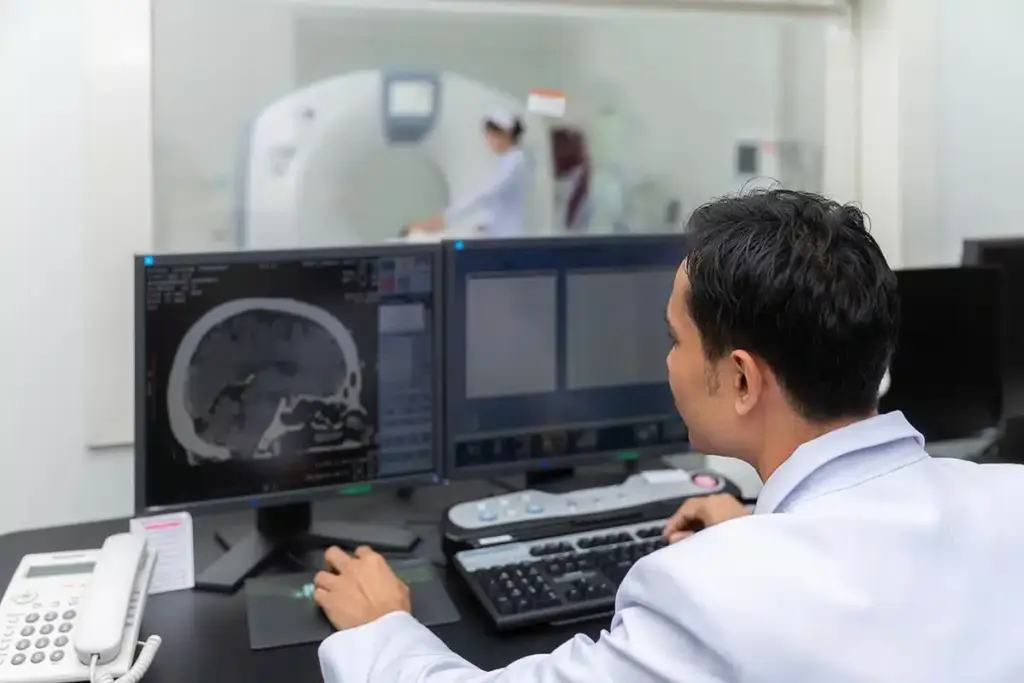
Getting ready for a CT-guided biopsy can be scary. At our place, we make sure you’re comfortable and safe. A CT-guided biopsy means a doctor uses a CT scan to guide a needle to the right spot to take tissue samples.
What is an biopsy sedation like? Discover amazing patient care facts and vital, powerful options for staying comfortable during your test.
Usually, patients stay awake with local anesthesia to numb the area. Some might get light sedation to help with any pain or worry. A CT scan uses X-rays and a computer to show pictures of your body’s inside parts.
We know you might worry about the anesthesia and the biopsy itself. Studies say sedation or full anesthesia is only needed in a few cases. Here’s what the latest research says about anesthesia during a CT-guided biopsy.
Key Takeaways
- Most patients remain awake during a CT-guided biopsy with local anesthesia.
- Light sedation may be used to minimize discomfort and anxiety.
- Sedation or full anesthesia is typically reserved for specific cases.
- A CT scan guides the needle to the area of interest for tissue sampling.
- Patient comfort and safety are prioritized during the procedure.
Understanding CT-Guided Biopsies
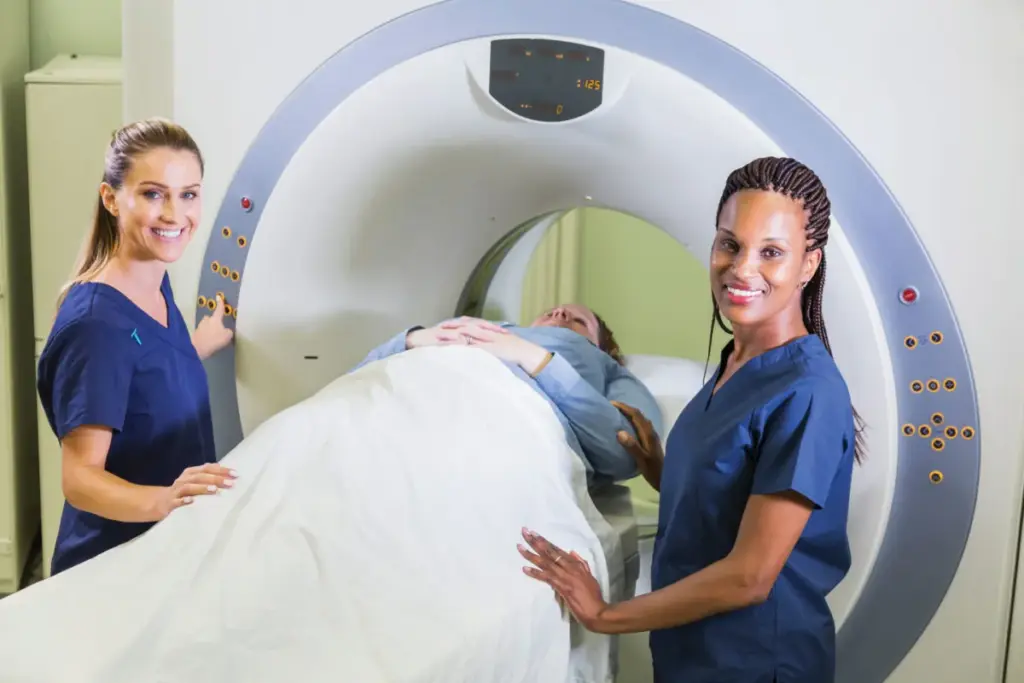
CT-guided biopsy procedures are key in today’s diagnostics. They allow for precise tissue sampling with little invasion. These procedures use CT scans to guide the biopsy needle to the exact spot.
What Is a CT-Guided Biopsy
A CT-guided biopsy combines CT scanning with biopsy techniques. This method is great for getting tissue samples from hard-to-reach areas. It uses real-time CT images to guide the needle, making it safer and more accurate.
How CT Guidance Works
During a CT-guided biopsy, a CT scanner makes detailed images of the body’s inside. These images guide the biopsy needle to the right spot. CT guidance’s precision is a big plus, making it great for tricky spots.
|
Procedure Step |
Description |
|---|---|
|
1. Planning |
CT images are taken to plan the optimal approach for the biopsy needle. |
|
2. Needle Placement |
The biopsy needle is guided to the target area using real-time CT imaging. |
|
3. Sampling |
Tissue samples are collected from the target area. |
Common Areas for CT-Guided Biopsies
CT-guided biopsies can be done on many parts of the body, like the lungs, liver, kidneys, and bones. The choice of using CT guidance depends on the location and type of the lesion. Lung biopsies often use CT guidance because of the lung’s complex anatomy.
Recent studies show that general anesthesia is rarely needed for CT-guided biopsies. Only about 2-4% of cases need it, usually for kids or those who can’t stay calm during the procedure. This shows the procedure is usually well-tolerated, with local anesthesia or conscious sedation preferred.
What Is An Biopsy: Definition and Purpose
A biopsy is a medical procedure where tissue samples are taken from the body. It’s a way for doctors to figure out what’s wrong with a patient.
Basic Definition and Concept
During a biopsy, a doctor takes a tissue or cell sample. This sample is then checked under a microscope or through other tests. Biopsies help find diseases like cancer, infections, and inflammation.
We aim to offer top-notch healthcare to international patients. Our team uses the latest methods for accurate diagnoses and treatment plans.
Why Biopsies Are Performed
Doctors do biopsies for many reasons. They help find cancer, infections, and understand inflammation or other diseases. By looking at the tissue sample, doctors can decide the best treatment.
Here are some reasons for a biopsy:
- To diagnose or rule out cancer
- To identify infections or inflammatory conditions
- To determine the cause of abnormal cell growth
- To monitor the effectiveness of treatment
Different Types of Biopsy Procedures
There are many biopsy procedures, each for different reasons and methods. The type of biopsy depends on where and what the disease is.
|
Type of Biopsy |
Description |
Common Uses |
|---|---|---|
|
Needle Biopsy |
Involves using a needle to extract tissue or cells |
Diagnosing tumors, infections, and other conditions |
|
Surgical Biopsy |
Involves surgically removing a sample of tissue |
Diagnosing cancer, removing tumors |
|
Endoscopic Biopsy |
Involves using an endoscope to collect tissue samples |
Examining the gastrointestinal tract, lungs, and other internal organs |
Knowing about different biopsies and their uses can help patients. We’re here to offer caring support every step of the way.
Anesthesia Options for CT-Guided Biopsies
The type of anesthesia for a CT-guided biopsy depends on several factors. These include patient health and anxiety levels. We know that the thought of a biopsy can be scary. The right anesthesia can greatly improve your comfort and experience.
Local Anesthesia: The Most Common Approach
Local anesthesia numbs the skin and tissue at the biopsy site. It’s the most common choice. This is because it lets patients stay awake and alert during the procedure. Local anesthesia is usually enough for most CT-guided biopsies, making the area numb.
Conscious Sedation: When It’s Used
In some cases, conscious sedation is added to local anesthesia. This helps patients relax and feel less anxious. Conscious sedation is great for anxious patients. We watch over patients closely to keep them safe and comfortable.
General Anesthesia: Rare but Sometimes Necessary
General anesthesia is rarely used for CT-guided biopsies but is sometimes needed. This includes kids, those with severe anxiety, or those who can’t stay calm during the procedure. General anesthesia makes sure the patient is completely asleep and unaware during the biopsy. It’s important for complex or hard cases.
The choice between local anesthesia, conscious sedation, and general anesthesia varies. It depends on the patient’s health, the biopsy’s location, and their anxiety level. We work with our patients to find the best anesthesia plan for their CT-guided biopsy.
Do Most Patients Get Put to Sleep? The Facts
Most patients who get CT-guided biopsies stay awake. This is thanks to new medical tech. Local anesthesia is now the usual choice. It lets patients stay awake and alert during the biopsy.
Statistical Evidence on Anesthesia Practices
Only about 2-4% of patients need general anesthesia for CT-guided biopsies. Most get local anesthesia or sometimes conscious sedation. This makes them more comfortable during the procedure.
Research shows that 96% of biopsies use local anesthesia. 4% get conscious sedation, and less than 1% need general anesthesia. This proves most patients can have biopsies without being asleep.
|
Anesthesia Type |
Percentage of Cases |
|---|---|
|
Local Anesthesia |
96% |
|
Conscious Sedation |
4% |
|
General Anesthesia |
<1% |
Current Medical Guidelines
Guidelines suggest local anesthesia for most CT-guided biopsies. They say it’s good for pain and discomfort. We stick to these guidelines for our patients’ best care.
Choosing between conscious sedation or general anesthesia depends on the patient. We look at their health, anxiety, and the biopsy’s complexity.
Factors That Determine Anesthesia Type
Many things decide what anesthesia a patient gets. Their health, the biopsy’s location and complexity, and anxiety levels matter. We carefully consider these to pick the right anesthesia for each patient.
Key factors include:
- Patient’s medical history and current health status
- Complexity and location of the biopsy
- Level of patient anxiety
- Previous experiences with anesthesia
We tailor anesthesia plans to fit each patient’s needs. This makes the CT-guided biopsy safe and comfortable for them.
Who Needs General Anesthesia for CT-Guided Biopsies?
Local anesthesia is common for CT-guided biopsies. But, some people might need general anesthesia. This is for those who can’t stay calm during the test or have special health needs.
Pediatric Patients
Children usually need general anesthesia for these biopsies. They can’t stay quiet like adults. General anesthesia keeps them safe and comfortable, helping the doctors do the biopsy right.
Patients with Severe Anxiety
People with extreme anxiety or claustrophobia might need general anesthesia. It helps reduce their stress and pain, making the test easier for them.
Medical Conditions Requiring Full Sedation
Some health issues, like brain problems or serious breathing issues, need general anesthesia. It helps manage their health during the biopsy.
Complex Biopsy Locations
General anesthesia is suggested for biopsies in tricky or sensitive spots. This is true for areas that are hard to reach or very delicate.
Knowing who needs general anesthesia helps us get them ready for the test. This way, we can make sure it goes well.
The CT-Guided Biopsy Procedure Step by Step
Learning about the CT-guided biopsy process can help ease patient worries. At our place, we focus on making patients comfortable and safe during the biopsy.
Pre-Procedure Preparation
Before the biopsy, patients get ready to make the process smooth. They change into a hospital gown and get clear instructions from the medical team..
Patients might need to do some medical checks or change their meds before the biopsy. Our team helps answer any questions or worries they have during this time.
During the Procedure
During the CT-guided biopsy, patients lie on a CT table. The biopsy is done with CT guidance for accurate tissue sampling.
Because it’s done under local anesthesia, patients are awake but relaxed. Our team keeps a close eye on the patient and talks to them the whole time.
Post-Procedure Monitoring
After the biopsy, patients are watched for any bad reactions. This care is key to keeping them safe and comfortable.
We give clear instructions on what to do after the procedure. This includes any activity limits and signs of possible problems to look out for. “We know the time after the procedure can be scary for patients, so we offer lots of support,” Medical Expert.
By knowing what happens in a CT-guided biopsy, patients can prepare better. This helps reduce anxiety and makes their experience better.
Patient Experience During CT-Guided Biopsies
Learning about the patient experience during CT-guided biopsies can ease worries. We’ll guide you through what to expect. This will help you feel more at ease and informed.
What to Expect with Local Anesthesia
Most patients get local anesthesia for CT-guided biopsies. This numbs the area where the biopsy is done. It makes the procedure less painful.
Sensations and Discomfort Levels
Even with local anesthesia, some patients might feel sensations or discomfort. This could be pressure or mild pain. Our team is ready to help manage any discomfort, keeping you as comfortable as possible.
Communication with Medical Team
Talking openly with your medical team is key during a CT-guided biopsy. We want you to share any worries or discomfort. Our team is committed to giving you the best care and support during the procedure.
Duration of the Procedure
The time it takes for a CT-guided biopsy varies. It depends on the location and complexity of the biopsy. It can last from 30 minutes to a few hours. We’ll give you specific details for your case.
Knowing what to expect during a CT-guided biopsy helps you prepare. Our aim is to make sure you get the care and support you need every step of the way.
Risks and Complications of CT-Guided Biopsies
CT-guided biopsies are generally safe. But, knowing the possible risks and complications is key for making smart choices. There are risks with any medical procedure, and it’s important to be aware of them.
Procedure-Related Complications
Complications from the procedure can include bleeding, infection, and damage to nearby tissues or organs. These are rare but can happen and might need extra medical care.
- Bleeding: This can range from minor bruising to more severe hemorrhage.
- Infection: As with any invasive procedure, there’s a risk of infection at the biopsy site.
- Organ Damage: The risk of damaging nearby organs or structures is minimized with CT guidance.
Anesthesia-Related Complications
Anesthesia can cause complications, more so in patients with certain health issues or allergies. The type of anesthesia used affects the risk level.
Common anesthesia-related complications include:
- Respiratory issues
- Allergic reactions to anesthesia medications
- Nausea and vomiting
Complication Rates and Statistics
Research shows that the complication rate for CT-guided biopsies under sedation is low. The overall complication rate is under 5%.
|
Complication Type |
Rate (%) |
|---|---|
|
Bleeding |
2.1 |
|
Infection |
1.3 |
|
Anesthesia-related |
0.8 |
Knowing about these risks and complications helps patients get ready for the procedure. It’s vital to talk about any worries with your healthcare provider.
Recovery After a CT-Guided Biopsy
After a CT-guided biopsy, recovery is key to avoid complications and get back to normal quickly. We aim to answer your questions and ease your concerns during this time.
Immediate Post-Procedure Period
Right after the biopsy, you’ll be watched in a recovery area. Our team checks for any bad reactions to the procedure or anesthesia. This usually lasts about 30 minutes to an hour, depending on your situation.
Our staff will check your vital signs and how you’re feeling. You might get medicine for any pain or discomfort. Tell our team if you’re feeling pain, nausea, or trouble breathing.
Going Home After the Procedure
When you’re okay, you’ll go home. We’ll give you clear instructions on how to care for yourself after the procedure. These steps help you recover safely and avoid problems.
It’s best to have someone with you when you get home. You might feel the effects of the anesthesia or procedure. Rest at home for the rest of the day.
Activity Restrictions
Following our activity restrictions is important for a smooth recovery. Avoid hard work, heavy lifting, and bending for a few days. You can usually get back to normal activities in a day or two, but it depends on you.
|
Activity |
Recommended Restriction Period |
|---|---|
|
Strenuous Exercise |
2-3 days |
|
Heavy Lifting |
3-5 days |
|
Bending or Straining |
2-3 days |
When to Seek Medical Attention
Even though complications from CT-guided biopsies are rare, knowing when to seek help is important. If you have severe pain, increasing redness, fever, trouble breathing, or severe stomach pain, call us or get medical help right away.
- Severe pain not relieved by medication
- Increasing redness, swelling, or drainage from the biopsy site
- Fever above 100.4°F (38°C)
- Difficulty breathing or shortness of breath
- Severe abdominal pain or vomiting
Medical experts say, “Quickly recognizing and treating any problems is key to a good recovery.”
“Patients should be vigilant about monitoring their condition post-biopsy and not hesitate to reach out to their healthcare provider if they have any concerns.”
By following these guidelines and staying in touch with our medical team, you can ensure a safe and effective recovery after your CT-guided biopsy. We’re committed to providing you with the care and support you need throughout this process.
Preparing for Your CT-Guided Biopsy
A CT-guided biopsy needs careful preparation. This includes medical checks and talks about anesthesia. We aim to support our patients fully through this.
Medical Evaluations
Before a CT-guided biopsy, patients get medical checks. These help our team understand the patient’s health and any risks.
Our doctors review the patient’s medical history and perform physical exams. They also order lab tests. This info helps decide the best biopsy approach.
Medication Adjustments
Patients might need to change their medications before the biopsy. Some meds, like blood thinners, can raise bleeding risks. Our team will guide on which meds to adjust and when.
It’s vital for patients to tell us about all their meds, including over-the-counter ones and supplements. This ensures their safety during the biopsy.
Discussing Anesthesia Options with Your Doctor
Talking about anesthesia with your doctor is key. The choice depends on the patient’s needs and the procedure’s complexity.
Our doctors will explain the anesthesia options. This includes local, conscious sedation, and general anesthesia. They will help pick the best one for you.
Day-of-Procedure Instructions
On biopsy day, patients get specific instructions. These ensure a smooth procedure. Instructions cover fasting, clothing, and any needed preparations.
|
Pre-Procedure Instructions |
Details |
|---|---|
|
Fasting |
Patients may need to fast before the procedure. |
|
Clothing |
Wear comfortable, loose clothes. |
|
Medications |
Follow your doctor’s medication adjustment advice. |
By following these steps, patients can have a successful and stress-free biopsy. We’re committed to supporting you every step of the way.
Diagnostic Accuracy and Success Rates
CT-guided biopsies are very successful in getting the right samples for diagnosis. They are a key part of medical diagnosis because they are so accurate and reliable.
These biopsies are great at getting precise tissue samples. This is key for making the right diagnosis and planning treatment. Over 85% of the time, they get the tissue needed for diagnosis.
Tissue Sampling Success Rates
Studies show that CT-guided biopsies are very good at getting the right tissue samples. This is because they use real-time imaging to target the right spot.
Looking at several studies, we see that the accuracy of these biopsies is between 85% and 95%. This shows how effective they are.
|
Study |
Number of Cases |
Diagnostic Accuracy |
|---|---|---|
|
Study A |
100 |
90% |
|
Study B |
150 |
92% |
|
Study C |
200 |
88% |
Factors Affecting Diagnostic Yield
Several things can affect how well CT-guided biopsies work. These include the skill of the person doing the biopsy, the quality of the imaging, and the type of lesion being biopsied.
For example, small or hard-to-reach lesions can be tricky. But, new imaging tech and techniques have made things better.
“The diagnostic accuracy of CT-guided biopsies is significantly influenced by the precision of the imaging guidance and the expertise of the operator.”— Expert in Interventional Radiology
Impact of Anesthesia Type on Procedure Success
The type of anesthesia used can also matter. Local anesthesia works well for many, but some might need sedation or general anesthesia, depending on the situation.
Using the right anesthesia can make patients more comfortable and cooperative. This helps make the biopsy more successful.
In summary, CT-guided biopsies are very accurate and successful. They are a big help in medical diagnosis. By knowing what makes them work well, we can keep improving results for patients.
Cost and Insurance Considerations
CT-guided biopsies are very effective but come with costs. It’s important for patients to know these costs. This helps them make good choices about their health care.
Typical Procedure Costs
The cost of a CT-guided biopsy can change a lot. It depends on where you get it done, how complex it is, and the anesthesia type. On average, it can cost between $1,000 and $5,000 or more.
We aim to offer clear and affordable care. Our facilities can handle many biopsy types. Our team is ready to talk about the costs for your specific case.
Insurance Coverage for Different Anesthesia Types
Insurance for CT-guided biopsies can differ. Most plans cover it when it’s needed. But, how much they cover depends on the anesthesia type.
CT-Guided Biopsy CPT Codes
CPT codes help bill for medical procedures, like CT-guided biopsies. The code used can impact how much insurance pays. Common codes include 10022 and 77012.
- CPT code 10022: Fine-needle aspiration biopsy
- CPT code 77012: Computed tomography guidance for needle placement
We help patients understand their insurance. We make sure all needed documents are ready for billing.
Advances in CT-Guided Biopsy Techniques
CT technology and biopsy techniques are getting better. This makes diagnostic procedures more precise and safe. We use the latest methods to give our patients the best care.
Technological Improvements
New tech has changed CT-guided biopsies a lot. Better imaging lets us target biopsy sites more accurately. Also, new CT scanners scan faster and show clearer images, even in tough cases.
Key technological improvements include:
- High-resolution imaging for better visualization
- Faster scanning times for reduced procedure duration
- Advanced software for more accurate needle placement
Experts say, “New imaging tech has changed interventional radiology. Now, CT-guided biopsies are more accurate and safer for patients.”
“The future of CT-guided biopsies lies in the continued integration of technology and technique, making them more accurate and comfortable for patients.”— Medical Expert, Interventional Radiologist
Minimizing Radiation Exposure
Reducing radiation in CT-guided biopsies is key. New methods aim to lower doses without losing image quality. Low-dose CT and better detectors are helping a lot.
|
Technique |
Description |
Benefit |
|---|---|---|
|
Low-Dose CT Protocols |
Adjusting CT settings to reduce radiation dose |
Less radiation exposure for patients |
|
Improved Detector Technology |
Enhancing detector sensitivity for better image quality at lower doses |
Improved safety without compromising image quality |
Anesthesia Innovations
New anesthesia methods are also important. They make biopsies more comfortable and successful. Now, we use better sedation and anesthetics.
We keep up with the latest in anesthesia for CT-guided biopsies. By using new tech, reducing radiation, and improving anesthesia, we offer top-notch care.
Conclusion
CT-guided biopsies are a key tool for doctors, known for their accuracy and safety. We make sure patients are comfortable and safe during the biopsy. Knowing what happens during the procedure helps patients feel more at ease.
We are committed to top-notch care for our patients during biopsies. Our focus on patient care means we support patients from start to finish. This includes helping them prepare and recover.
Using CT guidance helps doctors target the right area for the biopsy. This makes the procedure safer and more effective. So, CT-guided biopsies are a reliable way to get accurate diagnoses and treatment plans.
FAQ
What is a CT-guided biopsy?
A CT-guided biopsy is a medical procedure. A doctor uses a CT scan to guide a needle to the area of interest. This is to collect tissue samples for diagnostic purposes.
Do I need to be put to sleep for a CT-guided biopsy?
Most patients don’t need general anesthesia for a CT-guided biopsy. Local anesthesia is used to numb the area. Conscious sedation may also be used to help the patient relax.
What type of anesthesia is used for a CT-guided biopsy?
The anesthesia used depends on the patient’s health and the procedure’s complexity. Local anesthesia is common. In some cases, conscious sedation or general anesthesia may be used.
How is a biopsy performed?
A CT-guided biopsy starts with the patient on a CT table. The doctor uses CT guidance to find the area of interest. Then, a needle is inserted to collect tissue samples.
What are the risks and complications associated with CT-guided biopsies?
CT-guided biopsies are generally safe but carry risks. These include bleeding or infection from the procedure and anesthesia-related complications.
How long does it take to recover from a CT-guided biopsy?
Patients are monitored after the procedure before being discharged. It’s important to follow post-procedure care instructions to avoid complications.
What should I do to prepare for a CT-guided biopsy?
Preparation includes medical evaluations and medication adjustments. Discussing anesthesia options with your doctor is also important. Follow specific instructions for the procedure day.
Are CT-guided biopsies accurate?
Yes, CT-guided biopsies are very accurate. Their success depends on the practitioner’s skill and the imaging quality.
How much does a CT-guided biopsy cost?
The cost varies based on the facility, procedure complexity, and anesthesia type. Insurance coverage and CPT codes also play a role.
What are the benefits of advancements in CT-guided biopsy techniques?
Advances aim to improve accuracy, reduce radiation, and enhance comfort. Innovations in anesthesia are key to these improvements.
What is the purpose of a biopsy?
A biopsy is a vital tool for diagnosis. It helps doctors understand a patient’s condition by examining tissue samples.
What are the different types of biopsy procedures?
There are many biopsy types, each for specific purposes. CT-guided biopsies are used for precise diagnostics.
References
National Center for Biotechnology Information. Evidence-Based Medical Insight. Retrieved from
https://www.ncbi.nlm.nih.gov/books/NBK348942

























