As childbirth gets closer, knowing about pain relief is key for moms-to-be. At Liv Hospital, we stress the need to understand medical options like epidural anesthesia. This helps you choose the best care for yourself.
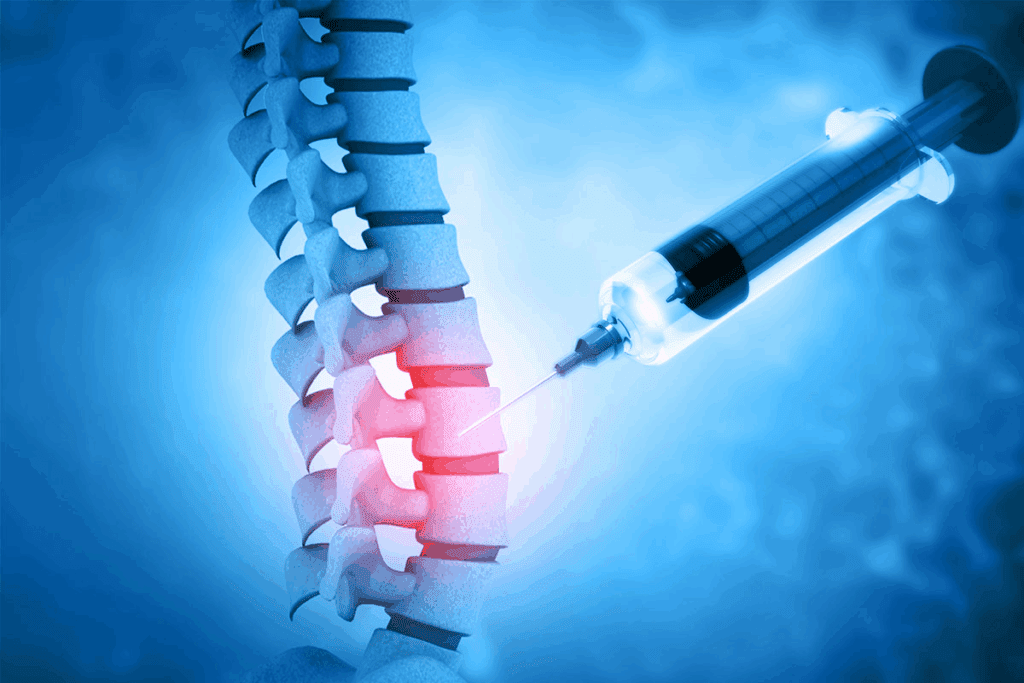
An epidural is a type of regional anesthesia. It involves injecting medicine into the area around the spinal cord to stop pain. It’s a common choice during labor to manage pain well. The process is about putting pain relief medicine into the epidural space around the spinal nerves.
Key Takeaways
- Epidural anesthesia is a form of regional anesthesia used to block pain during childbirth.
- The procedure involves injecting medication into the epidural space surrounding the spinal cord.
- Epidural anesthesia is widely used during labor for effective pain management.
- Liv Hospital emphasizes the importance of understanding pain management options.
- Being informed about medical procedures helps expectant mothers make the best decisions.
Understanding What Is an Epidural

It’s important for expectant mothers to know about epidurals. An epidural is a type of pain relief used during childbirth. It numbs the lower body, helping to manage pain during labor.
Definition and Basic Concept
Epidural anesthesia involves injecting medicine into the space around the spinal cord. This method helps control pain in a specific area. It’s great because it doesn’t make the mother sleepy, so she can stay awake and involved in the birth.
The epidural space is outside the sac that holds the spinal fluid and cord. Injecting medicine here blocks pain signals from the lower back and belly. This allows for ongoing pain relief as needed.
Types of Epidurals Used in Childbirth
There are different types of epidurals used during childbirth. Each has its own benefits and uses:
- Epidural Block: This is the most common, numbing the lower body with medication.
- Combined Spinal-Epidural (CSE): This combines the fast relief of a spinal block with the ongoing relief of an epidural.
- Spinal Block: Not technically an epidural, but often mentioned with them. It’s used for quick pain relief, like during cesarean sections.
Each epidural type has its own purpose and benefits. The right choice depends on the mother’s needs and how labor is going. Knowing about these options helps mothers make better decisions about their pain relief.
The Exact Location: Where Is an Epidural Given
The epidural space is a key area for pain relief during childbirth. It’s found in a specific part of the back. About 60-70% of women in the U.S. opt for an epidural during labor and delivery.
Anatomy of the Epidural Space
The epidural space runs from the base of the skull to the sacral hiatus. It’s filled with fatty and connective tissues, blood vessels, and lymphatics. These elements are vital for pain management. Studies show it’s a space for epidural anesthesia.
Lower Back Placement Specifics
Epidurals are given in the lower back, between the lumbar vertebrae. This spot is chosen for its effectiveness in blocking pain signals from the uterus and birth canal. The procedure involves finding the right spot, usually between L2-L3 or L3-L4, for safe catheter placement.
Why This Location Is Ideal for Childbirth Pain Management
The lower back is perfect for managing childbirth pain. It’s close to the spinal nerves that carry pain signals. Administering the epidural here blocks these signals, giving the mother much-needed relief.
Epidural administration in the lower back is a well-established practice. It’s been refined over years for maximum safety and effectiveness. The precise anatomy of the epidural space makes it ideal for pain management during childbirth.
The Epidural Procedure Step by Step
The epidural procedure is a key part of pain management during childbirth. We will walk you through each step, from getting ready to the medication delivery.
Preparation Before Administration
Before starting, we do a lot of checks. We look at your medical history and do tests like blood work. If you’re on blood thinners, we might need to do something before the epidural.
These checks are very important. They help us spot any problems early. This way, we can take the right steps and make smart choices about the epidural.
Catheter Placement Technique
Putting in the epidural catheter is a careful job. We find the right spot in your lower back for it. This is to avoid problems and make sure you get the pain relief you need.
An anesthesiologist or nurse anesthetist does this. They use their skills to place the catheter correctly.
Continuous vs. Intermittent Medication Delivery
After the catheter is in, we can give you medication in two ways. You can get a steady flow of medicine or doses as needed. The choice depends on how labor is going and what you need for pain relief.
We focus on effective pain management. We adjust our approach based on your needs.
Knowing about the epidural process helps you make better choices for pain relief. We explain everything from preparation to how we give you medicine. We want to make sure you feel clear and confident throughout.
Medical Professionals Who Administer Epidurals
At Liv Hospital, we know epidurals are given by skilled healthcare providers. This pain relief during childbirth needs precision and a deep understanding of pain management.
Epidural catheter placement is done by a qualified person, usually an anesthesiologist or nurse anesthetist. These experts have learned the art of epidural administration. They ensure safe and effective pain relief for mothers-to-be.
Role of the Anesthesiologist
Anesthesiologists are key in giving epidurals. They are doctors who focus on pain management and anesthesia. They check the patient’s history, decide on the right anesthesia amount, and watch the patient’s health during the procedure.
We count on anesthesiologists for top-notch care. They use the latest, evidence-based methods and tailor care to each patient. This ensures the best results for our patients.
Certified Nurse Anesthetists in Epidural Administration
Certified nurse anesthetists (CRNAs) are also essential in giving epidurals. These advanced practice nurses have learned a lot about anesthesia care. They can work with anesthesiologists or on their own in some places.
CRNAs are experts in the technical side of epidural administration. They focus on caring for patients with compassion and dedication. Their work is vital to our team at Liv Hospital, where we put patients first.
Anesthesiologists and CRNAs work together. They make sure epidurals are given safely and effectively. This helps expectant mothers get the pain relief they need during childbirth.
Prevalence and Statistics in American Childbirth
In the United States, epidurals are a common choice for pain relief during childbirth. Looking at the numbers, it’s clear that many women rely on epidurals to manage their pain.
Current Usage Rates in the United States
More than 70% of women in hospitals choose epidurals or spinal anesthesia during labor. This shows how popular and effective epidurals are for pain relief. It also shows the trust women have in epidural anesthesia for managing pain during childbirth.
We aim to support and guide international patients about epidural use. Knowing how common epidurals are helps expectant mothers make informed choices about pain management.
Demographic and Regional Variations
Epidural use varies by age, ethnicity, and socioeconomic status. These factors can affect a woman’s decision to use an epidural during childbirth.
| Demographic Factor | Epidural Usage Rate | Regional Variation |
| Age: 25-34 years | 75% | Higher in urban areas |
| Ethnicity: Non-Hispanic White | 72% | Varied across different states |
| Socioeconomic Status: Higher Income | 80% | More common in private hospitals |
These differences show how complex epidural use can be. As healthcare providers, we must consider these factors to ensure everyone has access to pain management options.
By looking at epidural use statistics, we learn more about childbirth in the United States. Our goal is to support and guide patients, ensuring they get the best care possible.
Timing of Epidural Administration During Labor
Epidural timing during labor can vary. It’s important to understand this for making informed choices. Our institution focuses on top-notch healthcare, supporting expectant mothers every step of the way.
Choosing when to get an epidural is a personal decision. It depends on the stage of labor and how much pain you can handle. Epidurals can be given right away if you ask, showing our care is patient-focused.
Early vs. Late Labor Administration
Epidural timing falls into early or late labor. Early labor epidural is given when the cervix is less than 4 cm dilated. Late labor epidural is given when the cervix is more than 4 cm dilated.
- Early Labor: Getting an epidural early can offer long-lasting pain relief, making the birth experience better.
- Late Labor: Some prefer to wait for an epidural later in labor, for personal reasons or medical concerns.
How Timing Affects Labor Progression
Research debates the effect of epidural timing on labor. Some say early epidurals might make labor longer or lead to more interventions. Yet, other studies find epidurals don’t really change labor outcomes.
Important factors include:
- The type and strength of the epidural medication.
- Being able to move around during labor, even with an epidural.
- Healthcare providers adjusting the epidural as needed.
Our healthcare institution puts patients first, tailoring epidural timing to each person’s needs. We aim to improve the birthing experience for all expectant mothers.
Benefits and Advantages of Epidural Anesthesia
Epidural anesthesia is a top choice for pain relief during childbirth. It has many benefits over other pain management methods. We make sure each mother gets the best pain relief plan for her.
Effective Pain Management
Epidural anesthesia gives superior pain relief compared to other options. It helps mothers stay comfortable and alert during labor. This makes it a favorite among expectant mothers.
- Provides continuous pain relief throughout labor
- Allows for adjustments in dosage as needed
- Enables mothers to rest and recover between contractions
Reduced Need for Systemic Opioids
Epidural anesthesia reduces the need for systemic opioids. This lowers the risk of side effects like nausea and drowsiness. Studies show it can cut down on opioid use during and after childbirth.
Impact on the Birth Experience
Epidural anesthesia can make the birth experience better. It helps manage pain well, making mothers feel more in control and comfortable. This can lead to a more positive birth experience.
- Enhances the overall birth experience by reducing pain
- Allows for a more active participation in the birthing process
- Contributes to a more positive perception of the childbirth experience
In summary, epidural anesthesia has many benefits. It offers effective pain relief, reduces opioid use, and improves the birth experience. We aim to provide detailed care, including discussing these benefits with expectant mothers. This helps them make informed choices about pain management.
Common Effects and Possible Complications
Epidural anesthesia is a common pain relief method during childbirth. It’s important to know its effects and possible complications. While epidurals help manage labor pain well, they can cause side effects.
Expected Numbness and Sensation Changes
One common effect is numbness in the lower body. This numbness can be mild or strong and is usually below the waist. Most women feel less pain, which helps them rest during labor. Some might feel their legs are heavy or weak.
The numbness goes away after the epidural is stopped. Healthcare providers need to watch the dosage closely to avoid side effects while keeping pain relief effective.
Blood Pressure Effects and Management
Epidural anesthesia can lower blood pressure, called hypotension. This is usually fixed with fluids and sometimes medication. It’s key to watch the mother’s and baby’s vital signs during the procedure.
| Effect | Management Strategy |
| Hypotension | Fluid administration, positioning, and vasopressor support |
| Bradycardia (slow heart rate) | Monitoring, oxygen administration, and medication adjustment |
Rare but Serious Complications
Though rare,serious issues can happen with epidural anesthesia. These include infection, severe headache, and nerve damage. These risks are lowered by proper technique and choosing the right patients.
It’s vital for expectant mothers to talk about their risks and worries with their healthcare provider. This helps them decide if an epidural is right for them during childbirth.
Recovery and Post-Epidural Experience
Knowing what to expect after an epidural is key for expectant moms. The recovery covers many areas, from right after the procedure to long-term effects.
Immediate Recovery Process
After an epidural, numbness lasts until the medicine fades, usually in about eight hours. It’s important to have close monitoring by doctors to catch any problems early.
Our team is all about supporting patients through recovery. We make sure you’re comfortable and safe every step of the way.
Long-term Effects and Considerations
Epidurals are mostly safe, but there can be some long-term effects. You might feel temporary numbness or tingling, but these usually go away quickly.
| Potential Long-term Effects | Frequency | Typical Duration |
| Numbness or Tingling | Common | Temporary |
| Headaches | Less Common | Variable |
| Back Pain | Rare | Variable |
If you have any worries or unusual feelings, talk to your doctor. They can help make sure you get the right care during recovery.
Conclusion: Making an Informed Decision About Epidurals
Epidurals are a top choice for pain relief during childbirth. It’s important to know the good and the bad before deciding.
Epidurals can greatly reduce pain, making the birth experience better. They are safe and effective, which is why many moms choose them in the U.S.
Expectant mothers should talk to their doctors about epidurals. This helps them understand the pros and cons. They can then choose what’s best for them and their birth plan.
We at our institution aim to give top-notch healthcare and support. We help moms make smart choices about pain relief, including epidurals. This way, they can feel confident and prepared for their birth.
FAQ
What is an epidural?
An epidural is a pain relief method. It involves injecting medication into the space around the spinal nerves. This helps manage pain during labor.
Where is an epidural given?
It’s given in the lower back. This area is perfect for pain relief during childbirth.
What are the types of epidurals used in childbirth?
There are epidural blocks, spinal blocks, and combined spinal-epidural. Each has its own benefits during labor.
Who administers epidurals?
Medical experts like anesthesiologists and certified nurse anesthetists give epidurals. They have the right skills and knowledge.
What percentage of women have epidurals during childbirth?
Many women in the U.S. choose epidural anesthesia. The exact number varies, but it’s a common choice.
When is the best time to get an epidural during labor?
The timing depends on personal preference. Getting it early or late can affect labor differently.
What are the benefits of epidural anesthesia?
It manages pain well. It also reduces the need for strong pain medicines. This makes the birth experience better.
What are the common effects of epidural anesthesia?
You might feel numb or have changes in sensation. Blood pressure can also be affected. Doctors closely watch these effects.
Are there any potentially serious complications from epidurals?
Yes, though rare, serious issues can happen. But, the benefits usually outweigh the risks. Doctors take careful steps to avoid problems.
What is the recovery process like after receiving an epidural?
Right after, you’ll be closely monitored. Some women might feel effects for a while, but these are usually mild and short-lived.
Does epidural anesthesia drop blood pressure?
Yes, it can lower blood pressure. But doctors watch for this and take action if needed.
How is an epidural administered?
First, you’re prepared. Then, a catheter is placed, and the medication is given. You can choose continuous or intermittent delivery for safety and effectiveness.
References
- American Society of Anesthesiologists. (2024). Epidural Steroid Injections. StatPearls. https://www.ncbi.nlm.nih.gov/books/NBK470189/