At Liv Hospital, we know how important clear information about vascular health is. Arteriography is a key imaging technique. It uses X-ray and contrast dye to see inside arteries. This helps doctors check artery health and plan treatments.
New medical tech has made arteriography better. It now has higher image quality and is less invasive, thanks to tools like the CathWorks FFRangio System. Knowing the difference between arteriography and an arteriogram helps make better choices for vascular checks.
Key Takeaways
- Arteriography is a diagnostic imaging technique used to visualize the inside of arteries.
- The procedure involves using X-ray and contrast dye to assess artery health.
- Recent technological advancements have improved arteriography techniques.
- Understanding the difference between arteriography and an arteriogram is essential for informed decisions.
- Liv Hospital uses the latest in arteriography for top-notch healthcare services.
Understanding Vascular Imaging: The Basics
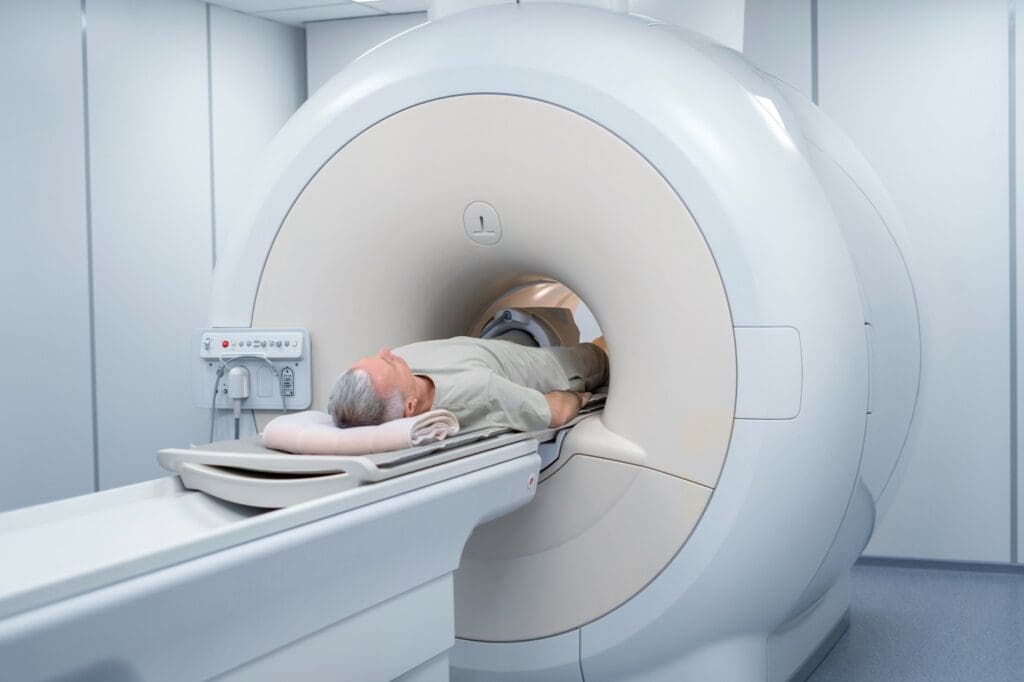
Vascular imaging is key for spotting and treating vascular problems. It uses various methods to see the blood vessels. This helps check their health and find any issues.
It gives us a close look at blood vessels’ structure and how they work. This info is essential for finding blockages, aneurysms, and other problems. These issues can greatly affect a person’s health.
The Importance of Arterial Visualization in Medicine
Arterial visualization is a big part of vascular imaging. It lets doctors see the arteries closely. The main goal is to check artery health and find any problems like blockages or aneurysms. This helps us diagnose diseases well and plan treatments.
Arterial visualization is also key for guiding treatments like angioplasty and stenting. These help fix blood flow issues and avoid serious problems.
Evolution of Vascular Imaging Techniques
Vascular imaging methods have changed a lot over time. New tech and better understanding of diseases have driven these changes. For example, the CathWorks FFRangio System has made imaging safer and more accurate.
We’ve moved from old, invasive methods to newer, safer ones. Now, we use CT angiography (CTA) and magnetic resonance angiography (MRA. These are less risky and easier to use.
As vascular imaging keeps getting better, we’ll be able to diagnose and treat diseases even better. This will lead to better health outcomes for patients.
What Is Arteriography? Definition and Core Purpose

Arteriography is a key imaging method in medicine. It shows the inside of arteries, giving important info on their health.
Medical Definition of Arteriography
Arteriography is a way to see the inside of arteries clearly. It uses a contrast dye to make arteries visible on X-rays.
This method is vital for spotting vascular diseases. It helps doctors see blockages, aneurysms, and other issues in arteries.
Primary Clinical Applications
Arteriography is used in many ways in medicine, including:
- Diagnosing arterial blockages and stenosis
- Identifying aneurysms and vascular malformations
- Guiding interventions like angioplasty and stent placement
These uses show how important arteriography is in vascular medicine. It helps doctors create specific treatment plans by showing detailed images of arteries.
| Clinical Application | Description |
|---|---|
| Diagnosing Arterial Diseases | Arteriography helps identify blockages, aneurysms, and other vascular abnormalities. |
| Guiding Interventions | The procedure guides treatments like angioplasty and stent placement. |
| Monitoring Vascular Health | Arteriography is used to monitor the progression of vascular diseases and the effectiveness of treatments. |
In medical terms, arteriography is also called angiography or arteriogram. These names are often used the same way, but they might mean slightly different things depending on the situation.
“The terms arteriography and angiography are frequently used to describe the imaging of blood vessels, with arteriography focusing on arteries.”
Different places and medical fields use different words for arteriography. For example, “동맥조영술” (arteriography in Korean) is used in some places, while (vascular arteriogram) is used in others.
Knowing these different terms is key for clear communication in healthcare. It helps ensure accurate diagnoses and treatments.
Arteriography is a key tool for finding and treating artery diseases. It shows the artery system clearly. This helps doctors to find and fix many vascular problems.
Arterial Blockages and Stenosis
Arteriography is mainly used to find blockages and stenosis in arteries. Arterial stenosis is when an artery gets too narrow. This can cut down blood flow to important organs. Arteriography shows where and how bad these blockages are.
Aneurysms and Vascular Malformations
Arteriography is also key in finding aneurysms and vascular malformations. An aneurysm is when an artery bulges too much. It can burst and cause a lot of bleeding. Vascular malformations are odd blood vessel growths that can cause symptoms.
Arteriography gives detailed pictures. These pictures help doctors plan the best treatment.
Other Diseases Requiring Arterial Visualization
Arteriography is also used for other vascular diseases. These include vasculitis, which is blood vessel inflammation, and vascular tumors. It lets doctors see how bad these conditions are. Then, they can make a good treatment plan.
In short, arteriography is very important for finding and treating artery diseases. It gives clear pictures of the artery system. This makes it a must-have in today’s medicine.
Exploring arteriography, we see its detailed steps. This method shows arteries clearly, helping doctors diagnose and treat vascular issues.
Procedure Preparation
Before arteriography starts, patients prepare well. They review their health history, get blood tests, and talk about allergies. Good preparation helps avoid risks and makes the procedure work better.
They are told to:
- Fast for a while before the test
- Stop certain medicines that might mess with the test
- Get someone to drive them home
Catheter Insertion Techniques
A catheter is put into an artery, usually in the groin or wrist. New catheter tech, like the CathWorks FFRangio System, makes this safer and more accurate. The catheter is moved to the right spot with live images.
| Catheter Insertion Site | Advantages | Considerations |
|---|---|---|
| Groin | More common, easier access for some procedures | Higher risk of bleeding complications |
| Wrist | Lower risk of bleeding, easier compression | May be more challenging for some procedures |
Contrast Dye Administration
With the catheter in, contrast dye is given to see the arteries. The dye makes the blood vessels stand out, giving clear images. Patients might feel warmth during this.
Image Capture Process
Then, X-ray tech captures images as the dye moves. These pictures show any blockages or problems. The CathWorks FFRangio System makes these images even clearer.
Understanding the preparation and recovery phases is key for a good arteriography experience. Proper preparation and care after the procedure are vital for success.
Before arteriography, patients must know what to do. They should tell their doctor about any medications, including blood thinners, as these might need to be changed. Also, patients should be aware of the following:
- Informing their doctor about any allergies, like to contrast dyes or iodine
- Telling their doctor about any kidney disease, as it can affect dye use
- Avoiding food and drink before the procedure, as their doctor will say
Knowing these things helps reduce risks and makes the procedure smoother.
After arteriography, proper care is key for a smooth recovery. Patients are usually watched for a few hours after to check for any immediate problems. Most can go back to normal activities in a few days.
| Timeframe | Care Instructions |
|---|---|
| Immediate Post-Procedure | Resting, monitoring for complications |
| First 24 Hours | Avoiding strenuous activities, keeping the insertion site clean and dry |
| 2-3 Days Post-Procedure | Gradually resuming normal activities, following up with healthcare provider |
As one medical expert says, “The key to a successful recovery is not just the procedure itself, but also the care that follows.”
“The post-procedure care is just as important as the procedure. Ensuring that patients follow the recommended recovery guidelines is critical for minimizing complications and achieving the best outcomes.”
By following these guidelines and with our experienced team’s care, patients can have a smooth and effective recovery from arteriography.
Arteriography is more than just a tool for diagnosis. It plays a key role in guiding treatments that are changing how we deal with blood vessels. As vascular medicine advances, arteriography’s importance in treatment is growing.
Guiding Angioplasty and Stent Placement
Arteriography is vital for guiding angioplasty and stent placement. These procedures widen narrowed or blocked arteries. This restores blood flow to important areas. Arteriography provides the images needed for precise and safe treatment.
During angioplasty, arteriography helps in:
- Identifying the exact location and extent of arterial narrowing or blockage
- Guiding the placement of balloons and stents
- Assessing the immediate results of the intervention
| Procedure | Description | Role of Arteriography |
|---|---|---|
| Angioplasty | Using balloons to widen narrowed arteries | Guiding balloon placement and assessing results |
| Stent Placement | Deploying stents to keep arteries open | Ensuring precise stent deployment |
Embolization Procedures
Arteriography is also key in embolization procedures. These block blood flow to specific areas or lesions. This is useful for managing conditions like aneurysms, AVMs, and certain tumors.
The use of arteriography in embolization allows for:
- Precise targeting of the lesion or area to be embolized
- Real-time monitoring of the embolization process
- Immediate assessment of the effectiveness of the procedure
Other Therapeutic Applications
Arteriography is used in more than just angioplasty, stent placement, and embolization. It’s also used in:
- Thrombolysis: Dissolving blood clots to restore blood flow
- Atherectomy: Removing plaque buildup from arteries
- Vascular sampling: Obtaining tissue samples for diagnostic purposes
As vascular medicine evolves, arteriography’s role in guiding treatments will likely grow. This will offer new options for patients with complex vascular conditions.
What is arteriography?
Arteriography is a way to see inside arteries. It helps doctors find and fix problems in blood vessels. At Liv Hospital, we use the newest arteriography to help our patients worldwide.
How does arteriography differ from an arteriogram?
Arteriography is the process of taking pictures of arteries. An arteriogram is the picture itself. We use arteriography to check artery health and plan treatments.
What are the primary clinical applications of arteriography?
It’s used to find and fix blockages, aneurysms, and other blood vessel problems. Arteriography is key for checking artery health and planning treatments.
What are the common variations in terminology related to arteriography?
Terms like arteriogram, arterigraphy, and vascular arteriogram are often used. Knowing these terms helps in accurate diagnosis and treatment.
What is the procedure for arteriography?
First, patients prepare for the procedure. Then, a catheter is inserted, and dye is given. The images are captured after that. We make sure patients know what to expect for the best care.
What are the risks and complications associated with arteriography?
Risks include reactions to dye, bleeding, and problems with blood vessels. We take steps to avoid these risks and keep patients safe.
How is arteriography used in interventional procedures?
It helps guide procedures like angioplasty, stenting, and embolization. Arteriography is essential for treating blood vessel issues.
What are the technical innovations in modern arteriography?
Newer arteriography has better images, smaller catheters, and digital improvements. These advancements make arteriography safer and more accurate.
How does arteriography contribute to patient care?
It gives doctors the info they need to diagnose and treat blood vessel problems. This helps us provide top-notch care to our international patients.
What is the role of arteriography in contemporary medicine?
Arteriography is essential for finding and treating blood vessel diseases. Its growth has greatly improved patient care.
References
- Arteriogram. Retrieved from: https://www.healthline.com/health/arteriogram
- Angiogram/Arteriogram. Retrieved from: https://stanfordhealthcare.org/medical-tests/a/angiogram-arteriogram.html
- Peripheral Angiography. Retrieved from: https://www.heart.org/en/health-topics/peripheral-artery-disease/diagnosing-pad/peripheral-angiogram