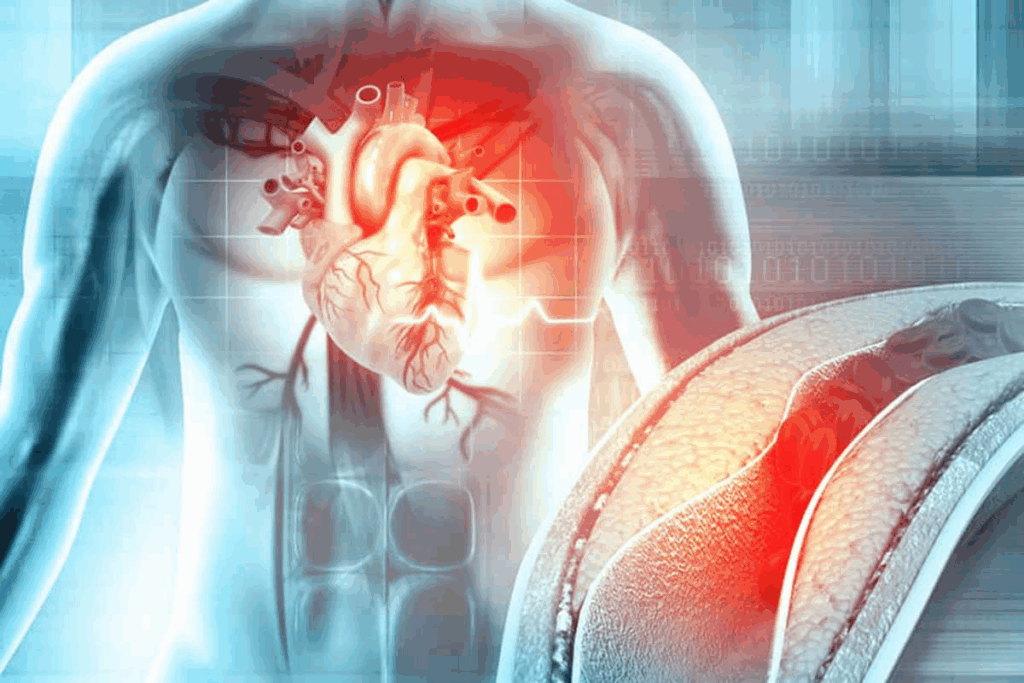
Many people mix up arteriosclerosis and atherosclerosis, but they’re different. They affect the heart and blood vessels in different ways.Get a clear definition of the difference between what is arteriosclerosis and atherosclerosis, including their causes and health effects.
At Liv Hospital, we stress knowing the difference. Arteriosclerosis means the arteries get hard and stiff. Atherosclerosis is when fatty plaques build up in the arteries.
Knowing the difference helps us give better care. We aim to improve health with top-notch medical care and proven methods.
Key Takeaways
- Arteriosclerosis is a broad term referring to the hardening of arteries.
- Atherosclerosis is a specific type of arteriosclerosis involving plaque buildup.
- Understanding the difference is key for right diagnosis and treatment.
- Liv Hospital focuses on full cardiovascular care.
- Good treatment needs accurate diagnosis and knowing these conditions well.
Understanding Cardiovascular Disease Terminology

It’s key to know the terms of cardiovascular disease to get the right treatment. Medical words can be tricky, making it hard to tell conditions apart.
Common Confusion in Medical Terminology
Many get confused between arteriosclerosis and atherosclerosis. They both deal with artery issues, but they’re not the same. Atherosclerosis is a type of arteriosclerosis. Knowing this helps doctors treat patients better.
Both conditions make arteries hard, but they cause different problems. The main issue is the buildup of plaque in atherosclerosis.
- Arteriosclerosis is when arteries get hard due to aging or other reasons.
- Atherosclerosis is when plaque builds up inside the arteries.
Importance of Distinguishing Between Similar Conditions
It’s important to tell arteriosclerosis and atherosclerosis apart for several reasons:
- Accurate Diagnosis: Knowing the exact condition helps in choosing the right tests.
- Targeted Treatment: Each condition needs its own treatment plan, like lifestyle changes or meds.
- Patient Education: Patients need to understand their condition to manage it well.
Understanding these differences helps doctors give better care. Patients can also take better care of their health.
What Is Arteriosclerosis and Atherosclerosis: Key Definitions

To understand heart health, we must know what arteriosclerosis and atherosclerosis are. These two conditions are related but different in how they affect arteries.
Arteriosclerosis: The Broader Condition
Arteriosclerosis means the arteries get hard and stiff. It’s caused by aging, high blood pressure, and other factors. This makes the arteries less flexible and more rigid.
Arteriosclerosis is not just one disease. It’s a range of conditions that make arteries stiff. This can reduce blood flow to important organs and lead to serious heart problems.
Atherosclerosis: A Specific Type of Arteriosclerosis
Atherosclerosis is a type of arteriosclerosis where plaques build up in the arteries. It’s a chronic disease that causes the buildup of lipids, inflammatory cells, and fibrous elements. This can narrow or block the arteries.
Atherosclerosis is a big reason for heart disease, including coronary artery disease (CAD). CAD is a major cause of illness and death worldwide.
Relationship Between the Two Conditions
It’s important to understand how arteriosclerosis and atherosclerosis are connected. Atherosclerosis is a specific process within arteriosclerosis. But not all arteriosclerosis is atherosclerosis.
To see the differences and similarities, let’s look at a table:
Characteristics | Arteriosclerosis | Atherosclerosis |
Definition | Hardening or stiffening of arteries | Accumulation of plaques within arterial walls |
Pathological Process | Various processes affecting arterial elasticity | Chronic inflammatory disease with plaque buildup |
Specificity | Broad term encompassing multiple conditions | Specific type of arteriosclerosis |
Knowing these definitions helps us see why heart health is so important. It also shows why we need accurate diagnoses and treatments.
The Pathophysiology of Arteriosclerosis
To understand arteriosclerosis, we need to know how arteries work and how it affects them. Arteries carry oxygen-rich blood from the heart to the body. They are key to keeping our heart healthy.
How Arteries Normally Function
Arteries are usually flexible and elastic. This lets them handle the blood flow from the heart. The walls of arteries have three layers: the intima, media, and adventitia.
The intima is the inner layer, covered in cells that control blood flow. The media, in the middle, has smooth muscle and elastic fibers for flexibility. The outermost layer, the adventitia, is made of connective tissue.
The Process of Arterial Hardening
Arteriosclerosis makes arteries thicker and harder, often because of age, high blood pressure, and other factors. It starts with the buildup of calcium and minerals, making arteries stiff. This makes them less flexible and less able to handle blood pressure changes.
Many risk factors, like high blood pressure, diabetes, and high cholesterol, can make this worse. These conditions cause inflammation and damage to the arteries, speeding up arteriosclerosis.
Different Types of Arteriosclerosis
There are several types of arteriosclerosis, each with its own features. Arteriolosclerosis is when small arteries (arterioles) harden, reducing blood flow to important organs. Medial arterial calcification is when calcium builds up in the middle layer of the artery, making it stiffer.
Knowing about these types helps us understand how arteriosclerosis affects our heart health. It also helps us find the right treatments.
The Development and Progression of Atherosclerosis
Atherosclerosis starts with LDL cholesterol getting into the arterial walls. This causes inflammation, which is key to forming atherosclerotic plaques. Knowing how it starts helps us find ways to prevent and treat it.
Initial Stages of Plaque Formation
It all begins with LDL cholesterol building up in the arterial wall’s intima. This buildup sparks an inflammatory response. Macrophages then come to clean up the cholesterol, turning into foam cells. These foam cells help the plaque grow over time.
Childhood Origins of Atherosclerosis
People often think atherosclerosis starts in adulthood. But, it can begin in childhood. Early signs, like fatty streaks, have been found in kids’ arteries. Diet, lifestyle, and genetics all play a part in its early development.
Progression of Atherosclerotic Plaques
As plaques grow, they can become more complex, sometimes even calcifying. This can narrow the artery significantly. Depending on where the arteries are affected, this can cause various symptoms. For example, if it’s in the coronary arteries, it’s called coronary artery disease, leading to angina or heart attacks.
Advanced Atherosclerotic Disease
In its most advanced stages, atherosclerosis can be very dangerous. It can cause plaque to rupture, leading to sudden blockages. This can result in tissue not getting enough blood, leading to serious health issues. Understanding this stage is key to managing and preventing these severe problems.
Stage | Description | Clinical Implications |
Initial | LDL cholesterol infiltration, inflammation | Often asymptomatic |
Progression | Plaque growth, complexity | Potential for angina, claudication |
Advanced | Plaque rupture, thrombosis | Myocardial infarction, stroke |
Visual Understanding: Diagrams of Atherosclerosis vs. Arteriosclerosis
Looking at diagrams and images helps us understand arteriosclerosis and atherosclerosis better. These visual aids make it easier to see the changes in blood vessels. This way, we can better grasp these conditions.
Normal Artery Structure
A normal artery has a smooth wall that lets blood flow freely. It has three layers: the intima, media, and adventitia. The intima is the inner layer, lined with endothelial cells.
The media is in the middle, with smooth muscle cells and elastic fibers. The outermost layer, the adventitia, is made of connective tissue.
Arteriosclerotic Changes in Blood Vessels
Arteriosclerosis makes arteries hard and thick, reducing their flexibility. It can be caused by aging, high blood pressure, and diabetes. As it gets worse, arteries can’t handle blood pressure changes well.
This can make the heart work harder and reduce blood flow to important organs.
Atherosclerotic Plaque Formation and Progression
Atherosclerosis is marked by plaque buildup in arteries. These plaques are made of lipids, inflammatory cells, and fibrous elements. The process starts with lipid buildup in the intima.
Then, inflammatory cells and smooth muscle cells join. As the plaque grows, it narrows the artery, reducing blood flow and risking ischemia or infarction.
Atheromatous Changes Under the Microscope
Under a microscope, atheromatous changes show a mix of cells and substances. The plaque core has lipid-laden macrophages, cholesterol crystals, and dead cells. The fibrous cap, made of smooth muscle cells and collagen, covers the plaque.
The plaque’s stability depends on the cap’s thickness and the presence of inflammatory cells.
Comparing Causes and Risk Factors
Arteriosclerosis and atherosclerosis have different causes and risk factors. Some are the same, while others are unique. Knowing these factors helps in preventing and managing these conditions.
Shared Risk Factors
Both arteriosclerosis and atherosclerosis have common risk factors. These include age, high blood pressure, and smoking. As we get older, our risk of getting these conditions goes up. High blood pressure makes arteries work harder, leading to hardening and narrowing. Smoking damages blood vessel linings, making blockages more likely.
“Hypertension is a big risk factor for heart diseases like arteriosclerosis and atherosclerosis,” say heart health experts. It’s key to manage these shared risk factors to lower the risk of both conditions.
Unique Contributors to Arteriosclerosis
Arteriosclerosis has its own risk factors. Monckeberg’s sclerosis, a type of arteriosclerosis, is linked to aging and artery calcification. Other factors include diabetes and kidney disease, which can harm blood vessel health.
Specific Risk Factors for Atherosclerosis
Atherosclerosis has its own risk factors. High levels of low-density lipoprotein (LDL) cholesterol are a big risk, as LDL can build up in arteries. Other risks include family history of heart disease and obesity, which can increase atherosclerosis risk.
The Role of Inflammation in Atherosclerosis
Inflammation is key in atherosclerosis. Chronic inflammation in arteries can cause plaque formation and instability. Inflammation can come from infections, autoimmune diseases, and lifestyle factors like a diet full of saturated fats and not enough exercise.
Understanding the causes and risk factors of these conditions shows we need a full approach. This includes lifestyle changes, managing risk factors, and sometimes medical treatments.
Clinical Manifestations and Complications
These vascular conditions can show no symptoms or severe ones needing quick medical help. Arteriosclerosis and atherosclerosis can cause different symptoms based on the affected arteries and condition severity.
Symptoms of Arteriosclerosis
Arteriosclerosis causes symptoms due to artery hardening and thickening. Heart artery issues can lead to chest pain or angina. Leg artery problems might cause leg pain during walking or exercise, known as intermittent claudication.
Arteriosclerosis can also reduce blood flow to vital organs. This can cause dizziness or fainting if the brain is affected.
Presentations of Atherosclerosis
Atherosclerosis, with its plaque buildup, can have severe symptoms. A ruptured plaque can block arteries, leading to heart attacks or strokes depending on the location.
Those with atherosclerosis might also feel shortness of breath. This happens if the coronary arteries are affected, reducing heart pumping ability.
Coronary Artery Disease: When Atherosclerosis Affects the Heart
Atherosclerosis in coronary arteries causes coronary artery disease (CAD). CAD reduces blood flow to the heart. It can lead to angina or chest pain and, in severe cases, a myocardial infarction or heart attack.
CAD symptoms include chest, arm, back, neck, jaw, or stomach discomfort. It also causes shortness of breath and fatigue.
Other Serious Complications
Arteriosclerosis and atherosclerosis can lead to serious issues like peripheral artery disease (PAD). PAD narrows arteries, reducing limb blood flow.
Aneurysms can form due to weak arterial walls. This can lead to life-threatening ruptures if not treated.
Knowing these symptoms and complications is key for early detection and treatment. This improves patient outcomes and quality of life.
Diagnostic Approaches and Imaging Techniques
Healthcare providers use many ways to diagnose arteriosclerosis and atherosclerosis. They start with simple checks and use advanced imaging tools. These steps help find out how serious the disease is and guide treatment.
Non-Invasive Diagnostic Methods
Non-invasive tests are key in the early stages of diagnosis. The ankle-brachial index (ABI) is one such test. It compares blood pressure in the ankle and arm to check for artery disease. Other tests include:
- Carotid ultrasound to check the carotid artery
- Exercise stress tests to see how the heart works under stress
- Pulse volume recordings to measure blood flow in the limbs
Advanced Imaging Techniques
For a closer look, advanced imaging is used. These include:
- CT Angiography: Gives detailed views of arteries to spot blockages.
- MRI Angiography: A non-invasive option for those who can’t have CT scans.
- Coronary Angiography: An invasive test to see the coronary arteries, vital for heart disease diagnosis.
Laboratory Tests and Biomarkers
Laboratory tests are vital for checking risk factors. Key tests include:
- Lipid profiles to check cholesterol levels
- C-reactive protein (CRP) tests to see inflammation levels
- Blood glucose tests to spot diabetes
These tests help understand the disease’s causes and check if treatments are working.
Differential Diagnosis Considerations
Differential diagnosis is important to tell arteriosclerosis and atherosclerosis apart from other heart issues. Providers look at:
- Patient history and risk factors
- Symptoms and how the patient feels
- Results from tests and imaging
Getting the diagnosis right means patients get the right treatment for their condition.
Treatment Strategies and Management
Managing arteriosclerosis and atherosclerosis requires a mix of lifestyle changes, medicines, and surgeries. We’ll dive into these methods to see how they help keep your heart healthy.
Lifestyle Modifications
Changing your lifestyle is key in fighting arteriosclerosis and atherosclerosis. Eating well, staying active, quitting smoking, and keeping a healthy weight are important. A diet full of fruits, veggies, whole grains, and lean meats can lower cholesterol and boost heart health.
Exercising regularly, like walking, cycling, or swimming, for 150 minutes a week can greatly improve your heart’s health. Quitting smoking is also vital, as it’s a big risk factor for these conditions.
Key Lifestyle Modifications:
- Dietary changes to reduce cholesterol and blood pressure
- Regular physical activity
- Smoking cessation
- Weight management
Pharmacological Interventions
Medicines are essential in managing arteriosclerosis and atherosclerosis. They help control high cholesterol and blood pressure. Statins are often used to lower LDL cholesterol, and blood pressure meds help manage blood pressure.
Medication Type | Purpose | Examples |
Statins | Lower LDL cholesterol | Atorvastatin, Simvastatin |
Antihypertensives | Manage blood pressure | ACE inhibitors, Beta-blockers |
Surgical and Interventional Procedures
In severe cases, surgeries and procedures are needed to improve blood flow. Angioplasty and stenting are used to open blocked arteries. For complex cases, coronary artery bypass grafting (CABG) might be recommended.
“Advances in interventional cardiology have significantly improved outcomes for patients with complex coronary artery disease.” –
Medical Expert, Interventional Cardiologist
Managing Complications
It’s important to manage complications from arteriosclerosis and atherosclerosis to avoid serious issues like heart attacks and strokes. This means closely watching the disease and adjusting treatments as needed.
With a complete treatment plan that includes lifestyle changes, medicines, and surgeries when needed, people with arteriosclerosis and atherosclerosis can greatly improve their heart health. This reduces the risk of serious complications.
Conclusion: Understanding the Distinction for Better Cardiovascular Health
Knowing the difference between arteriosclerosis and atherosclerosis is key for correct diagnosis and treatment. We’ve looked into the unique traits of each, from arteriosclerosis to atherosclerosis.
The difference between arteriosclerosis and atherosclerosis matters a lot for heart health. By knowing the special features of each, people can handle their risk factors better. This helps improve their health results.
So, what sets arteriosclerosis and atherosclerosis apart? Arteriosclerosis is about hardening of arteries. Atherosclerosis is a type of arteriosclerosis with plaque buildup. Knowing about both is vital for effective treatments.
Understanding arteriosclerosis and atherosclerosis helps us take care of our heart health. This knowledge lets people make smart choices about their lifestyle and treatments. It leads to better health outcomes.
FAQ
What is the difference between arteriosclerosis and atherosclerosis?
Arteriosclerosis is when artery walls harden and stiffen. This can happen for many reasons. Atherosclerosis is a specific case of arteriosclerosis. It’s when fatty plaques build up in the arteries.
Is atherosclerosis a type of arteriosclerosis?
Yes, atherosclerosis is a type of arteriosclerosis. But not all arteriosclerosis is atherosclerosis.
What are the risk factors for developing arteriosclerosis and atherosclerosis?
Risk factors include age, high blood pressure, and lifestyle choices. Each condition also has its own specific genetic and lifestyle factors.
How is atherosclerosis diagnosed?
Doctors use non-invasive tests like the ankle-brachial index. They also use advanced imaging like CT angiography. Lab tests and biomarkers are also used.
What are the symptoms of atherosclerosis and arteriosclerosis?
Symptoms include chest pain and shortness of breath. They depend on the condition and its severity.
Can atherosclerosis be prevented?
Yes, it can be prevented or slowed. Lifestyle changes like diet and exercise help. So do certain medicines.
What is the role of inflammation in atherosclerosis?
Inflammation is key in atherosclerosis. It helps in its development and progression. It’s a major target for treatment.
How are arteriosclerosis and atherosclerosis treated?
Treatment includes lifestyle changes and medicines. Surgery and interventional procedures are used based on the condition’s severity.
What are the complications of untreated atherosclerosis?
Untreated atherosclerosis can lead to serious conditions. These include coronary artery disease and peripheral artery disease. They can greatly affect quality of life and increase mortality.
Can children develop atherosclerosis?
Yes, atherosclerosis can start in childhood. Early prevention and intervention are vital for long-term heart health.
What is the difference between arteriolosclerosis and atherosclerosis?
Arteriolosclerosis is the hardening of small arteries. Atherosclerosis involves the buildup of plaques in larger arteries.
How does medial arterial calcification relate to arteriosclerosis?
Medial arterial calcification is a type of arteriosclerosis. It involves calcium deposits in the arterial walls, leading to stiffening.
References
National Center for Biotechnology Information. Polymenorrhea: Causes and Concerns Regarding Frequent Menstruation. Retrieved fromhttps://www.ncbi.nlm.nih.gov/books/NBK507799/