

Feeling like your ears are blocked or under pressure can be really uncomfortable. Aural fullness is a common issue that affects people of all ages. It makes your ears feel stuffy or plugged.
This condition makes you feel like your ear is blocked or under pressure. You might also experience mild to moderate ear pain, muffled sounds, or a feeling of pressure inside your ear.
At Liv Hospital, we offer top-notch care for ear problems. We make sure you get the right diagnosis and treatment for your specific issue.
Key Takeaways
- Aural fullness is a common condition that can cause discomfort and affect hearing.
- The sensation of ear fullness can be accompanied by other symptoms such as ear pain and tinnitus.
- Liv Hospital offers patient-centered care for accurate diagnosis and treatment.
- Understanding the causes of ear fullness is key to effective treatment.
- Seeking medical attention is important for addressing ear fullness.
Understanding Aural Fullness
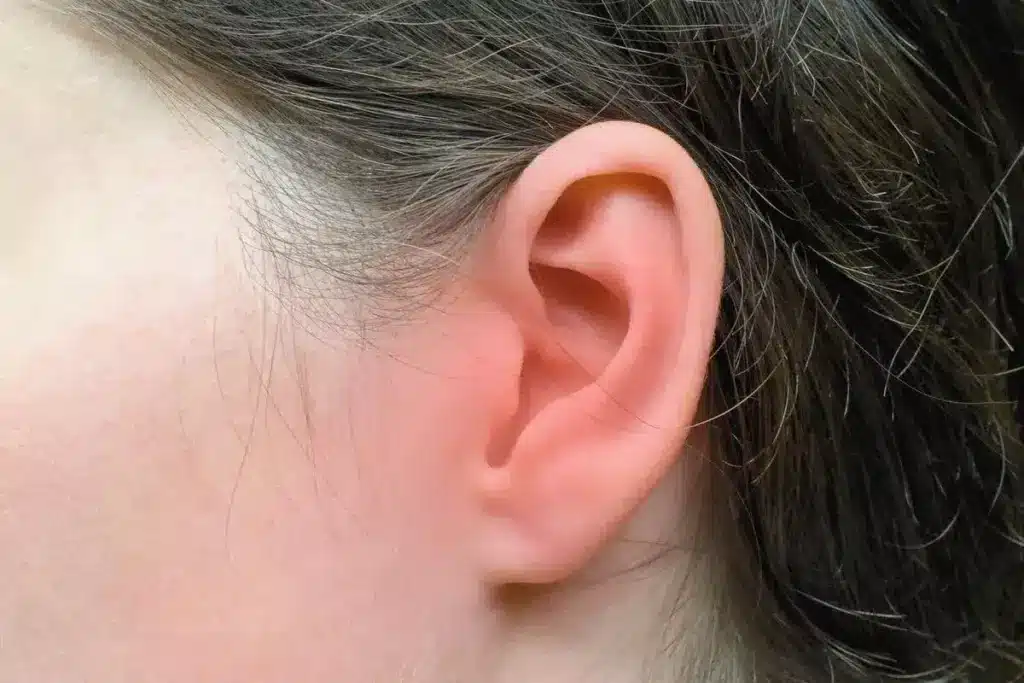
Ear fullness is a common problem for people visiting ear clinics. It can be caused by many things, like ear infections or other health issues. It’s important to know what causes it to find the right treatment.
Definition and Meaning of Ear Fullness
Aural fullness feels like your ear is blocked or under pressure. It can be uncomfortable and may happen suddenly or last a long time. Knowing what aural fullness meaning is helps doctors find the right treatment.
The ear fullness sensation can feel different for everyone. It might be mild or very strong. It can also come with other symptoms like hearing loss or ringing in the ears.
How Normal Ear Function Works
To understand ear fullness, we need to know how ears work. The ear has three main parts: the outer ear, middle ear, and inner ear. Each part is important for hearing and balance.
| Ear Component | Function |
| Eustachian Tube | Regulates air pressure in the middle ear |
| Middle Ear | Transmits sound vibrations to the inner ear |
| Inner Ear | Converts sound vibrations into electrical signals for the brain |
The Eustachian tube is key for keeping ear pressure right. If it’s blocked, you might feel ear fullness or pressure.
Knowing how ears work and what causes fullness is the first step to feeling better. By fixing problems like Eustachian tube issues or ear infections, people can get relief and improve their hearing.
Common Causes of Aural Fullness

Knowing why you feel ear fullness is key to feeling better. It can come from many things that mess with how your ear works. We’ll look at common reasons like Eustachian tube problems, infections, earwax buildup, and other health issues.
Eustachian Tube Dysfunction
The Eustachian tube links the middle ear to the back of the nose and throat. It helps balance air pressure in the ears. If it gets blocked or doesn’t work right, you might feel ear fullness. Eustachian tube dysfunction often happens with colds, allergies, or sinus infections.
Ear Infections and Inflammation
Ear infections, like otitis media, can make the middle ear swell and fill with fluid. This can make your ear feel full or pressurized. These infections are usually caused by germs and can hurt or make it hard to hear. Seeing a doctor quickly is important to treat these infections and avoid bigger problems.
Earwax Accumulation
Earwax is a natural guard for your ears. But too much can make your ear feel full or blocked. Ear fullness from earwax can often be fixed by a professional cleaning.
Other Medical Conditions
Other health issues can also make your ears feel full. For example, Meniere’s disease can cause vertigo, hearing loss, and ear fullness. TMJ problems can also make your ears feel full because of how close the TMJ is to the ear. Knowing about these conditions is important for finding the right treatment.
Symptoms and Diagnosis of Ear Fullness
Knowing the symptoms of ear fullness is key to finding the cause and getting help. This feeling can affect your ear, comfort, and how well you hear.
Associated Symptoms
Ear fullness often comes with other signs that show how serious it is. Some common symptoms include:
- Mild to Moderate Ear Pain or Discomfort: This can feel like a dull ache or sharp pains, changing in how bad it is.
- Hearing Muffled Sounds or Reduced Hearing Clarity: You might hear sounds that seem far away or unclear, making it hard to listen.
- Sensation of Pressure or Popping Inside the Ear: It might feel like something is blocking your ear or like there’s pressure that changes or “pops” with actions.
- Ringing or Buzzing Sounds (Tinnitus): Tinnitus is when you hear sounds that aren’t really there, often with ear fullness.
- Occasional Dizziness or Imbalance: Ear fullness can sometimes make you feel dizzy or off-balance, which can be dangerous.
When to Seek Medical Attention
Some ear fullness might go away on its own, but if it doesn’t, you should see a doctor. You should get medical help if you have:
- Persistent ear pain or discomfort that doesn’t get better
- Big changes in your hearing or hearing loss
- Dizziness or vertigo that makes it hard to do everyday things
- Tinnitus that keeps going and bothers your sleep or focus
Getting a proper diagnosis and treatment is important to feel better. Seeing a doctor is the first step to getting relief from ear fullness and its symptoms.
Conclusion: Treatment Options for Aural Fullness
Understanding why you have aural fullness is key to fixing it. At Liv Hospital, we focus on you to find and treat ear fullness. The right treatment depends on the cause and can be medicines, lifestyle changes, or surgery.
Figuring out what’s causing your ear to feel full is the first step. We offer detailed care for ear fullness, like fixing Eustachian tube problems, treating infections, and removing earwax. Getting medical help can help you feel better and live better.
Our team works with you to create a treatment plan just for you. We aim to give you the best care for your ear issues. Our goal is to offer top-notch care and support.



 Departments
 Related Videos
 Our Doctors
 News
News