


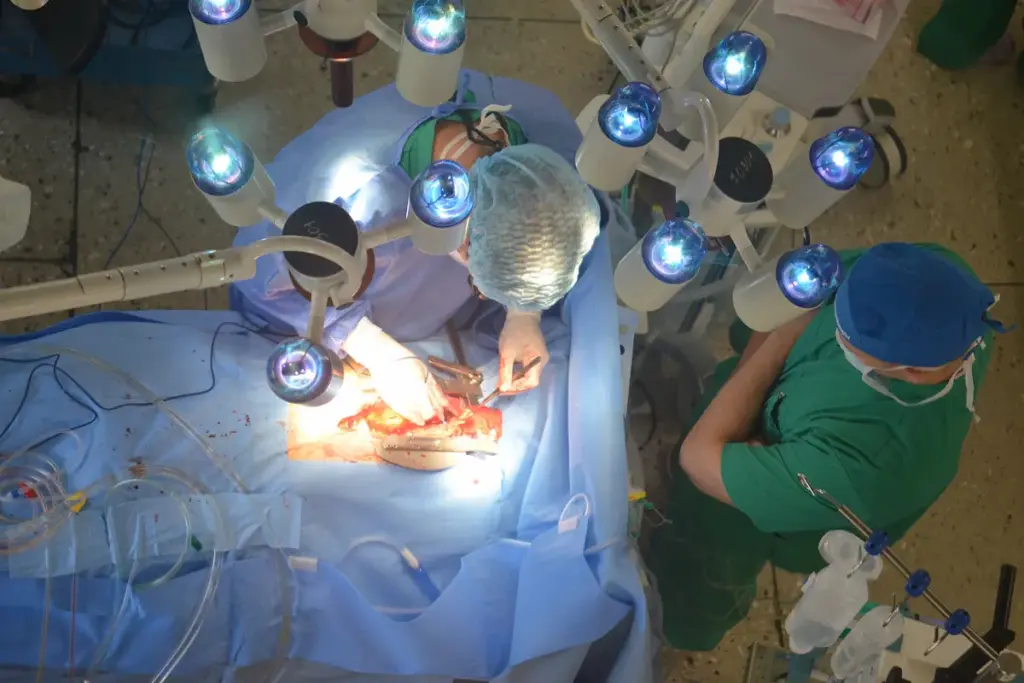
Knowing how long it takes to recover from coronary artery bypass graft (CABG) surgery is key. The first healing of the chest incision usually takes 6-8 weeks. But, the grafts and vessels fully heal and integrate in 3-6 months.
Right after surgery, patients often stay in the hospital for a few days. Doctors watch over them, manage pain, and help them move again. Once they go home, they follow a plan that includes medicine, lifestyle changes, and check-ups to ensure they heal well.
Key Takeaways
- Initial physical healing of the chest incision takes 6-8 weeks.
- Full graft healing and vessel integration can take 3-6 months.
- Hospital stay typically ranges from 5-7 days postoperatively.
- Median life expectancy after CABG is approximately 17.6 years.
- Lifelong lifestyle changes and medication adherence are key for long-term graft health and survival.
Understanding Heart Bypass Surgery and Its Necessity
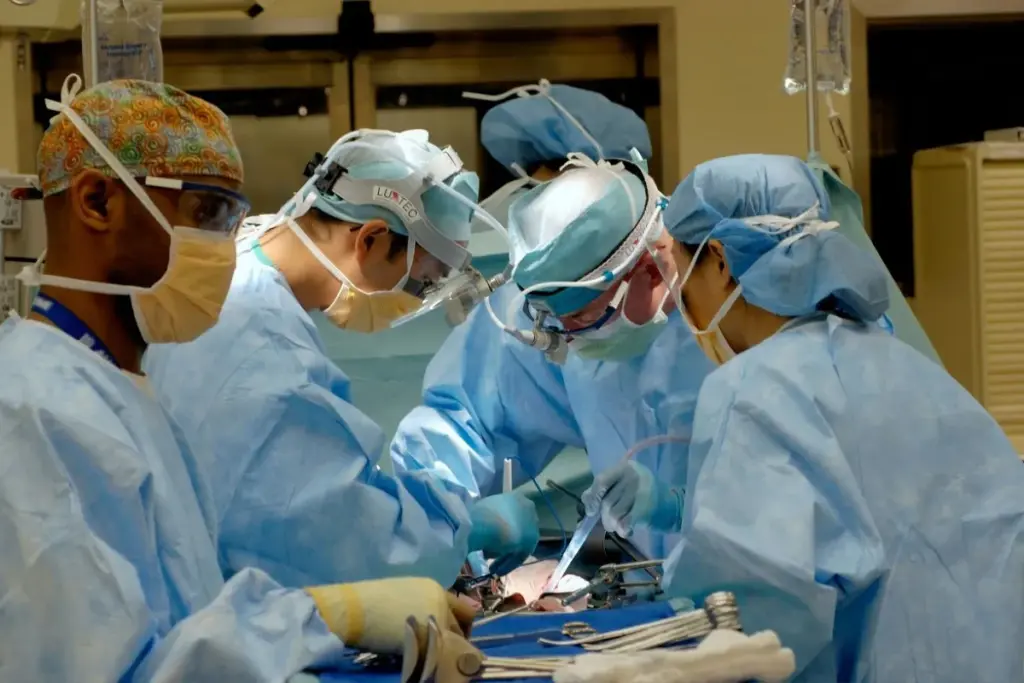
Heart bypass surgery is a lifeline for many, easing the pain of coronary artery disease. This surgery, known as CABG, helps by bypassing blocked arteries. It improves blood flow to the heart.
Common Cardiovascular Conditions Requiring Bypass
Several heart conditions may need CABG. These include:
- Significant blockages in coronary arteries
- Severe angina not responding to medication
- High risk of heart attack due to artery disease
Table: Common Indications for CABG
|
Condition |
Description |
|---|---|
|
Significant Coronary Artery Disease |
Blockages or narrowing in major coronary arteries |
|
Severe Angina |
Chest pain not relieved by medication or other treatments |
|
High Risk of Heart Attack |
Presence of multiple blockages or complex coronary disease |
When Doctors Recommend CABG Over Other Treatments
Doctors choose CABG when it’s the best treatment for a patient. They make this choice after careful evaluation. This includes tests like angiograms and stress tests.
Assessing Candidacy for Surgery
To decide if CABG is right, we look at a patient’s health and medical history. We consider age, diabetes, and past surgeries.
Understanding CABG’s benefits helps patients make informed choices. Our team works with each patient to find the best treatment.
What Is CABG? The Surgical Procedure Explained
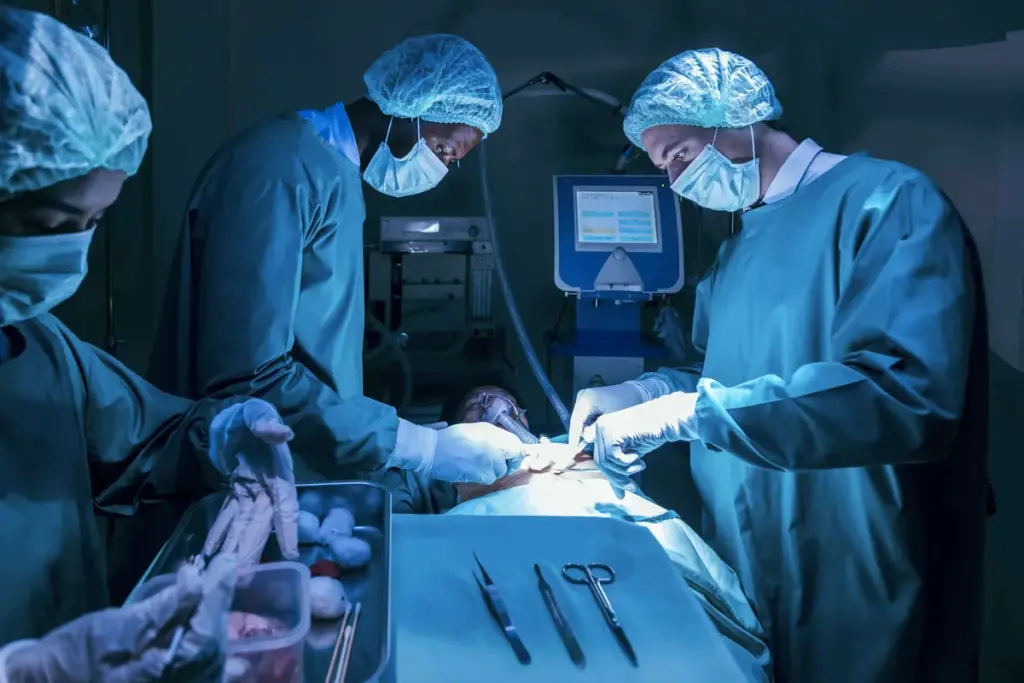
CABG, or Coronary Artery Bypass Grafting, is a complex surgery. It aims to restore blood flow to the heart. It’s for patients with severe coronary artery disease, where arteries are blocked or narrowed.
Step-by-Step Process of Bypass Surgery
The CABG procedure has several steps. First, the patient is prepared with anesthesia for comfort. Then, the surgeon makes a chest incision to reach the heart.
A heart-lung machine is used to divert blood flow. This lets the team work on a stopped heart. Grafts, like veins from the leg or arteries from the chest, are used to bypass blocked areas.
Different Types of Bypass Grafts
The type of graft used depends on the patient’s health and disease extent. Grafts can be from the patient’s body, donors, or synthetic materials.
Single vs. Multiple Bypasses (Triple and Quadruple)
Patients might need single, double, triple, or quadruple bypasses. For example, a triple bypass involves grafting three bypasses. The surgery’s complexity and time increase with more bypasses.
Knowing about CABG helps patients prepare for surgery and recovery. It shows the complexity and skill needed for this life-saving surgery.
The Immediate Post-Operative Recovery Phase
The immediate post-operative recovery phase is key for heart bypass surgery patients. During this time, patients are watched closely. They get the care they need for a smooth recovery.
Typical Hospital Stay Duration
Patients usually stay in the hospital for 5 to 7 days after CABG surgery. This time can change based on the patient’s health and any complications.
|
Day |
Typical Activities |
Care Focus |
|---|---|---|
|
1-2 |
ICU monitoring, initial mobility |
Pain management, vital sign monitoring |
|
3-5 |
Gradual increase in mobility, wound care |
Continued pain management, monitoring for complications |
|
5-7 |
Discharge planning, patient education |
Preparing for home care, medication management |
Intensive Care Unit Monitoring
Patients start in the ICU, where they’re watched for any issues. The ICU team manages pain and vital signs. They also provide support for recovery.
Pain Management and Initial Mobility
Managing pain well is important during recovery. Patients get medicine for pain. They also start moving to prevent problems and help healing.
We know recovery can be tough, but with the right care, patients can do well. Our team is here to help every step of the way.
Physical Healing Timeline for Heart Bypass Grafts
Knowing the healing timeline after CABG surgery is key for patients and their families. The recovery has different stages, each with its own time frame and needs.
External Incision Healing
External cuts usually heal in 6-8 weeks. During this time, it’s important to follow a wound care plan. This helps avoid infections and speeds up healing.
Keep the cut area clean and dry. Always follow your doctor’s advice on dressing changes and check-ups.
Internal Graft Integration
Integrating the graft inside takes 3-6 months. The new blood vessels start to work with the heart’s system. This improves blood flow and lowers cardiac risks.
Stick to your medication and lifestyle changes. These help the graft integrate well.
Chest Bone Recovery After Sternotomy
For those with sternotomy, healing the chest bone is key. It usually takes 8-12 weeks to fully heal. Avoid heavy lifting, bending, or hard work during this time.
|
Healing Stage |
Timeline |
Key Considerations |
|---|---|---|
|
External Incision Healing |
6-8 Weeks |
Wound care, infection prevention |
|
Internal Graft Integration |
3-6 Months |
Medication adherence, lifestyle modifications |
|
Chest Bone Recovery |
8-12 Weeks |
Avoid heavy lifting, bending |
Understanding the healing timeline for heart bypass grafts helps patients. It guides them in their recovery, making smart choices for better healing and health.
Week-by-Week Recovery Guide After Open Heart Surgery
Recovering from open heart surgery needs a clear plan. Knowing what to expect each week can help a lot. This guide will help you with essential care, increasing activity, and staying safe at home.
First Two Weeks: Essential Care and Restrictions
The first two weeks are key for healing. Rest, manage pain, and take your meds as told. Avoid heavy lifting, bending, or hard work to protect your chest and the surgery site.
- Watch your incision sites for infection signs
- Eat well to help your body heal
- Start with short walks to move more
Weeks 3-6: Gradual Activity Increase
By weeks 3-6, you can do more. Walk longer, stretch gently, and do harder exercises with a doctor’s or physical therapist’s help.
When You Can Be Left Alone After Surgery
Talking to your doctor about being alone is important. Usually, someone should stay with you for a week. They help with daily tasks and watch for problems.
Safety Considerations for Home Recovery
Make your home safe for recovery. Remove dangers, put up handrails, and have a plan for emergencies.
|
Week |
Activity Level |
Care Requirements |
|---|---|---|
|
1-2 |
Minimal activity, rest |
Constant supervision, pain management |
|
3-6 |
Gradual increase in activity |
Assistance with daily tasks, monitoring for complications |
By following this guide, you can manage your recovery well. This helps avoid risks and improves your chances of a good outcome.
Cardiac Rehabilitation: Key to Optimal Recovery
Cardiac rehabilitation is key for patients after coronary artery bypass grafting (CABG). It’s a detailed program to help patients get the best results after heart surgery.
“Cardiac rehabilitation is not just a supplementary treatment; it’s a critical part of the recovery process,” say healthcare experts. “It greatly improves patient outcomes.”
Three Phases of Cardiac Rehab Programs
Cardiac rehab programs have three phases: inpatient, outpatient, and maintenance. The inpatient phase starts in the hospital, focusing on getting moving and learning. The outpatient phase is more intense, with exercise and education at a rehab center. The maintenance phase helps patients keep up their exercise and healthy habits long-term.
Exercise Protocols for Heart Surgery Patients
Exercise plans in cardiac rehab are made just for each patient. They include aerobic activities like walking or cycling, and strength training. Supervised exercise sessions are key, making sure patients do exercises right and safely.
Measuring Progress Through Rehabilitation
Progress in cardiac rehab is checked regularly. This includes looking at physical function, symptoms, and overall health. These checks help adjust the rehab plan for the best recovery.
By tracking progress, patients see their health getting better. This motivates them to keep up with their rehab.
Cardiac rehab greatly improves recovery after CABG surgery. It boosts quality of life and lowers the risk of future heart issues.
Risk Factors That May Extend Heart Bypass Recovery Time
The path to recovery after heart bypass surgery varies for everyone. Several risk factors can affect how fast and easy a patient recovers from CABG surgery.
Impact of Diabetes and Heart Failure
Patients with diabetes often take longer to recover. This is because they might face complications like infections and slow healing. Those with heart failure need closer care and watchful monitoring during their recovery. We keep a close eye on these patients to manage their health well and reduce risks.
Age-Related Recovery Considerations
Age-related recovery is also key. Older adults might need more time to get better. This is because they have less physical strength and may have other health issues. We make sure our care plans meet the needs of older patients, giving them the support they need.
Common Complications and Their Management
After CABG, complications like infections, bleeding, and heart rhythm problems can happen. It’s important to manage these issues well to get the best results. We have a team ready to handle any post-surgery problems quickly.
|
Risk Factor |
Impact on Recovery |
Management Strategy |
|---|---|---|
|
Diabetes |
Increased risk of infection and delayed healing |
Close monitoring of blood sugar levels, infection prevention measures |
|
Heart Failure |
More intensive care required |
Personalized care plans, close monitoring of heart function |
|
Age |
Slower recovery due to decreased physical reserve |
Tailored rehabilitation programs, additional support for older adults |
Knowing about these risk factors and how they affect recovery helps patients and their families get ready. By managing these factors well, we can improve outcomes and help patients live longer after bypass surgery.
Life Expectancy and Long-Term Outcomes After Bypass Surgery
The success of coronary artery bypass grafting (CABG) surgery varies. It depends on a person’s health, lifestyle, and other medical conditions.
Recent studies have given us important information. They tell us about the median life expectancy after CABG. They also share 10-year and 20-year survival rates. This info helps patients and their families make better choices about their care.
Statistical Survival Rates
Studies show good news about survival after CABG. For example, a study found that about 70% of patients survive for 10 years after the surgery. And about 40% make it to 20 years. These numbers show that long-term survival is possible.
|
Time Frame |
Survival Rate |
|---|---|
|
10 Years |
70% |
|
20 Years |
40% |
Factors Influencing Long-Term Graft Patency
Keeping the graft open for a long time is key to CABG success. Many things affect graft patency. These include the graft type, following medication, and lifestyle changes like diet and exercise. A healthy lifestyle is important for graft longevity.
Signs of Graft Failure and When to Seek Help
It’s important for patients to know graft failure signs. These include chest pain, shortness of breath, or feeling very tired. If these symptoms happen, seek medical help right away. Early action can greatly improve outcomes.
Understanding what affects long-term success and staying alert to health issues can help. This way, patients can live longer and better after CABG surgery.
Essential Lifestyle Changes for Bypass Graft Longevity
After CABG surgery, living a heart-healthy lifestyle is key. It helps keep the graft open and your heart healthy. Making big lifestyle changes is important for the graft’s long life.
Heart-Healthy Dietary Guidelines
Eating a heart-healthy diet is a must after CABG. Eat lots of fruits, veggies, whole grains, and lean meats. Avoid foods high in saturated fats, cholesterol, and sodium. A nutritionist can help create a diet plan just for you.
Safe Exercise Progression After Recovery
Start with easy exercises like walking and slowly get more active. Regular exercise boosts heart health and makes you feel better.
Medication Adherence and Follow-up Care
It’s important to take your meds as told and go to all doctor visits. Medication adherence stops graft failure and controls health issues.
Stress Management Techniques for Heart Patients
Stress is bad for your heart. Try meditation, deep breathing, or yoga to reduce stress. Find what works for you.
By making these lifestyle changes, you can make your bypass graft last longer and keep your heart healthy.
Conclusion: The Complete Journey to Heart Health After CABG
Recovering from CABG surgery is a journey that needs patience, dedication, and support. It involves several stages, like initial recovery and long-term lifestyle changes. Gradually increasing activity is also part of the process.
Understanding the recovery timeline and making lifestyle changes can lead to better heart health. Our team at Liv Hospital is here to provide top-notch care and support. We help patients through every stage of their CABG recovery.
A successful CABG recovery is more than just the surgery. It’s about the journey to better heart health. We urge patients to stick to their rehabilitation plan and make healthy choices. Seeking support when needed is also important.
With the right care and support, patients can enjoy better heart health and a higher quality of life after CABG surgery. We are committed to helping patients have a smooth and successful recovery. Our goal is to ensure a complete journey to heart health.
FAQ
What is the typical hospital stay duration after heart bypass surgery?
After heart bypass surgery, you usually stay in the hospital for 5-7 days. This time can change based on your health.
How long does it take for external incisions to heal after CABG surgery?
It takes about 6-8 weeks for external cuts to heal after CABG surgery.
What is the internal graft integration timeline after heart bypass surgery?
It takes 3-6 months for the internal graft to integrate after heart bypass surgery.
When can I be left alone after open-heart surgery?
When you can be alone after open-heart surgery depends on your recovery and health. Always follow your doctor’s advice.
What are the different types of bypass grafts used in CABG surgery?
The type of graft used in CABG surgery varies. Some get single, double, triple, or quadruple bypasses, depending on their disease.
How long does it take to recover from open heart surgery?
Recovery from open heart surgery takes weeks to months. It varies for everyone.
What is cardiac rehabilitation, and how does it help after CABG surgery?
Cardiac rehab is a program to help patients recover from CABG surgery. It includes exercise, education, and support.
What are the risk factors that may extend heart bypass recovery time?
Diabetes, heart failure, and age can slow down recovery after CABG surgery.
What is the life expectancy after CABG surgery?
Life expectancy after CABG surgery varies. Studies show median and 10-year and 20-year survival rates, depending on individual factors.
What lifestyle changes are essential for bypass graft longevity?
Eating heart-healthy, exercising safely, and taking medication are key for a long-lasting bypass graft.
How long after heart surgery can I resume normal activities?
When you can go back to normal activities after heart surgery depends on your recovery and health. Always listen to your doctor.
What are the signs of graft failure, and when should I seek help?
Know the signs of graft failure, like recurring symptoms. Seek help to ensure the best outcome.
References
JAMA Network. Evidence-Based Medical Insight. Retrieved from https://jamanetwork.com/journals/jamanetworkopen/fullarticle/2752123



 Departments
 Related Videos
 Our Doctors
 News
News


