
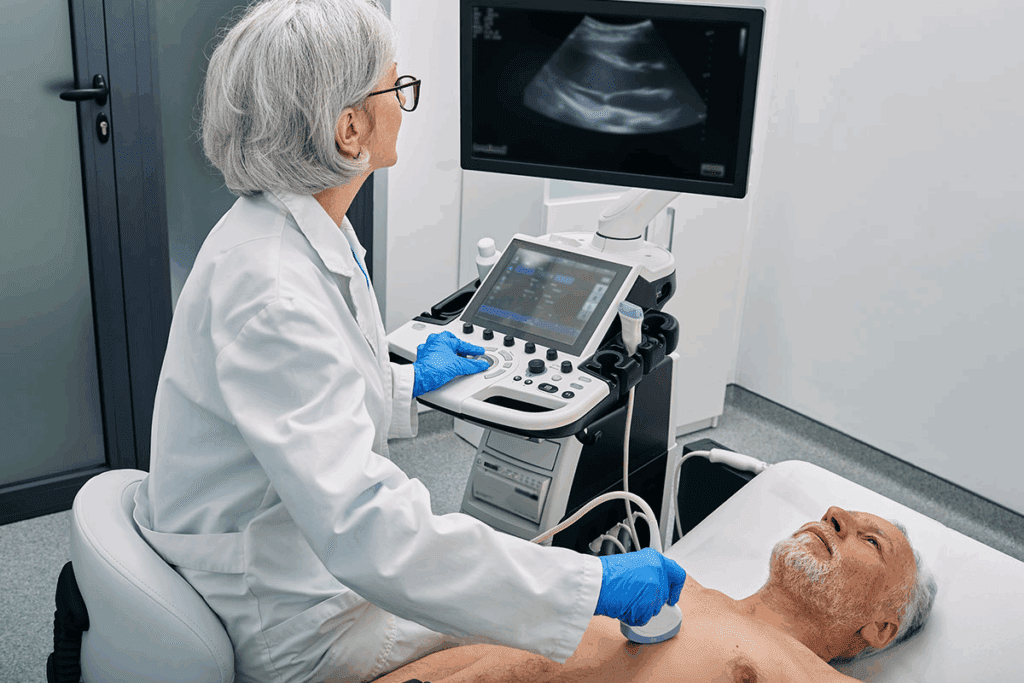
Learn what is cardio myopia, its effects on heart health, and how it differs from cardiomyopathy.
Cardio myopia, also known as cardiomyopathy, is a heart muscle disease. It makes it hard for the heart to pump blood well. At Liv Hospital, we are committed to providing patient-centered care. We help our patients understand heart health.
There are different types of cardio myopia, like dilated and hypertrophic. It can run in families or happen for other reasons. Knowing about cardio myopia is key to managing it and keeping your heart healthy.
Key Takeaways
- Cardio myopia refers to a disease of the heart muscle that impairs the heart’s ability to pump blood effectively.
- There are several types of cardio myopia, including dilated, hypertrophic, arrhythmogenic, and restrictive forms.
- Understanding cardio myopia is critical for effective management and maintaining heart health.
- Cardio myopia can be inherited or acquired.
- Liv Hospital provides patient-centered care for heart health conditions.
Understanding Cardio Myopia
It’s important to understand what cardio myopia is and how it affects the heart. This condition is linked to heart diseases. Knowing about it helps us see its impact on our health.
Definition and Medical Terminology
Cardio myopia is when we focus too much on certain heart health issues. It’s not a widely used term in medicine. But it points to the idea of focusing on specific heart problems.
Cardio Myopia vs. Cardiomyopathy: Clarifying the Terms
Cardiomyopathy, on the other hand, is a well-known heart muscle disease. Hypertrophic cardiomyopathy (HCM) is a type where the heart muscle thickens. This can block blood flow and cause other serious issues.
The main difference between cardio myopia and cardiomyopathy is their definitions and effects on the heart. Cardio myopia might mean focusing too much on heart health. But cardiomyopathy is a specific disease that affects the heart muscle.
| Condition | Description | Impact on Heart Health |
| Cardio Myopia | Limited focus on heart health aspects | Potential for overlooking broader heart health issues |
| Cardiomyopathy | Disease of the heart muscle | Can lead to serious complications like heart failure |
| Hypertrophic Cardiomyopathy (HCM) | Thickening of the heart muscle | Obstruction of blood flow, diastolic dysfunction |
The Anatomy of a Healthy Heart
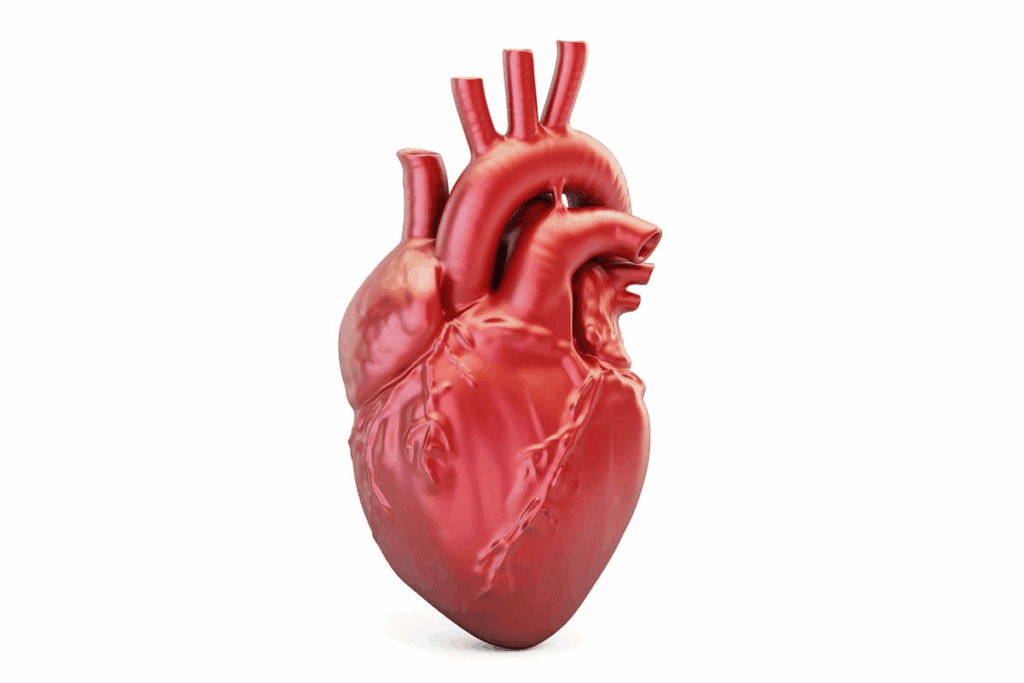
The human heart is a marvel of design, vital for our health. It pumps blood, bringing oxygen and nutrients to our bodies. Knowing how a healthy heart works helps us understand heart diseases better.
Normal Heart Structure and Function
A healthy heart has four chambers: the right and left atria, and the right and left ventricles. The atria collect blood, while the ventricles send it out. This design ensures blood flows well, thanks to valves that keep it moving forward.
The heart muscle, or myocardium, makes the heart pump. It contracts and relaxes, driven by electrical signals. This muscle’s work is key to keeping the heart pumping blood effectively.
How Blood Circulation Works
Blood circulation starts with the right atrium getting deoxygenated blood. It then goes to the lungs to get oxygen. The oxygen-rich blood returns to the heart, entering the left atrium and ventricle.
The left ventricle sends this blood to the body through the aorta. This is the largest artery, carrying blood to all parts of the body.
The Heart Muscle’s Role in Cardiovascular Health
The heart muscle’s function is critical for heart health. In diseases like dilated cardiomyopathy, the heart’s main chamber can weaken. Keeping the heart muscle healthy is key to preventing such problems.
In summary, a healthy heart is complex and vital for our health. Understanding its structure and function, including blood circulation, is essential. It helps us see why keeping our heart healthy is so important.
What Is Cardio Myopia and Its Impact on Heart Function
Understanding cardio myopia’s effects on the heart is key to keeping our hearts healthy. Cardio myopia, or cardiomyopathy, changes the heart muscle. This leads to changes in how the heart works.
How Cardiomyopathy Affects the Heart Muscle
Cardiomyopathy directly affects the heart muscle. It changes how well the heart can pump blood. The heart muscle is vital for pumping blood all over the body.
The heart muscle’s condition is critical for blood circulation. If the heart muscle is weak or stiff, it can’t pump blood well. This can cause organs and tissues to not get enough blood, leading to health problems.
Changes in Heart Structure and Pumping Ability
Cardiomyopathy can also change the heart’s structure. It can make the heart chambers bigger or the walls thicker. These changes can make it harder for the heart to pump blood.
The heart’s ability to pump blood is key for good circulation. If it’s not working right, you might feel tired, have trouble breathing, and more. These are signs of heart failure.
Long-term Consequences on Cardiovascular Health
The long-term effects of cardio myopia on heart health can be serious. If not treated, it can cause heart failure, irregular heartbeats, and other serious problems. It’s important to watch it closely and manage it well.
It’s essential to understand that catching and treating cardiomyopathy early can make a big difference. By managing risks and living a heart-healthy lifestyle, you can lower your chance of severe heart problems.
Types of Cardiomyopathy
Cardiomyopathy is not just one disease. It’s a group of heart muscle conditions. Knowing the different types is key for proper diagnosis and treatment.
Dilated Cardiomyopathy
Dilated cardiomyopathy makes the left ventricle big. This makes it hard for the heart to pump blood well. It’s common in kids and can cause heart failure if not treated.
Hypertrophic Cardiomyopathy
Hypertrophic cardiomyopathy makes the heart muscle thick. This can block blood flow. It’s a big risk for sudden death in young athletes. Finding it early and treating it right is very important.
Restrictive Cardiomyopathy
Restrictive cardiomyopathy makes the heart muscle stiff. This makes it hard for the ventricles to fill with blood. It can lead to high blood pressure and heart failure.
Arrhythmogenic Cardiomyopathy
Arrhythmogenic cardiomyopathy replaces heart muscle with fat. This causes abnormal heart rhythms. It’s a major cause of sudden death in young people and athletes.
Each type of cardiomyopathy has its own challenges. They need different management and treatment plans. We’ll look at causes, symptoms, and treatments in the next sections.
Causes and Risk Factors
It’s important to know what causes and increases the risk of cardio myopia. This condition, also known as cardiomyopathy, is influenced by many factors. We’ll look at genetic predisposition, acquired causes, and lifestyle factors.
Genetic Predisposition
Genetic mutations are a big part of cardiomyopathy. Some genetic disorders can harm the heart muscle, leading to cardiomyopathy. Familial cardiomyopathy is when it runs in families. We find out about genetic predisposition through family history and genetic tests.
“Genetic testing can find mutations linked to cardiomyopathy,” says recent research. This helps with early treatment and management.
Acquired Causes
Acquired causes of cardiomyopathy happen during a person’s life. They can be infections, nutritional deficiencies, or more. These factors can affect the heart muscle in different ways.
- Infections: Some infections, like myocarditis, can cause cardiomyopathy.
- High Blood Pressure: Long-term high blood pressure makes the heart work too hard, which can thicken the muscle.
- Nutritional Deficiencies: Not getting enough essential nutrients can harm the heart.
Lifestyle Factors
Lifestyle choices also play a big role in cardiomyopathy risk. Unhealthy habits can strain the heart.
Some key lifestyle factors include:
- Unhealthy Diet: Eating too much saturated fat, sodium, and sugar can harm the heart.
- Lack of Exercise: Not moving enough increases the risk of heart problems.
- Substance Abuse: Drinking too much alcohol and using drugs can damage the heart muscle.
Knowing these causes and risk factors helps us manage and prevent cardio myopia. Health experts say a healthy lifestyle and managing health conditions are key to reducing risk.
Symptoms and Warning Signs
It’s important to know the signs of cardio myopia to get help quickly. We’ll talk about the early signs, the symptoms as they get worse, and the urgent signs that need quick action.
Early Symptoms That May Go Unnoticed
In the beginning, cardio myopia might show small signs that are easy to miss. These include fatigue, dyspnea (shortness of breath), and palpitations. People might think these are from other things, which can delay getting a diagnosis.
Knowing these early signs is key. They can mean cardio myopia is starting. Always watch for changes in how you feel and see a doctor if things get worse or don’t go away.
Progressive Symptoms as the Condition Worsens
As cardio myopia gets worse, symptoms get stronger and can really affect your life. You might feel chest pain, syncope (fainting), and swelling in the legs. It can also lead to heart failure, where the heart can’t pump enough blood.
It’s important to know these symptoms to manage the condition well. We’ll look at how to handle these symptoms and slow down the disease.
Emergency Warning Signs Requiring Immediate Attention
In serious cases, cardio myopia can show signs that need quick medical help. These include severe chest pain, difficulty breathing, and loss of consciousness. Sudden cardiac death is a serious symptom that shows how urgent it is to spot these signs early.
It’s very important to get medical help right away if you or someone else has these emergency symptoms.
| Symptom Category | Common Symptoms | Action Required |
| Early Symptoms | Fatigue, dyspnea, palpitations | Monitor and consult a healthcare professional |
| Progressive Symptoms | Chest pain, syncope, swelling in legs | Seek medical evaluation and management |
| Emergency Symptoms | Severe chest pain, difficulty breathing, loss of consciousness | Immediate medical attention |
Complications of Untreated Cardiomyopathy
Untreated cardiomyopathy can seriously harm your heart. It can lead to severe issues like heart failure, arrhythmias, blood clots, and sudden cardiac death. Let’s look at these complications.
Heart Failure Development
Untreated cardiomyopathy can cause heart failure. The heart muscle weakens, making it hard to pump blood. This leads to fluid buildup, causing shortness of breath, fatigue, and swelling.
Key factors contributing to heart failure include:
- Reduced heart muscle function
- Increased pressure on the heart
- Fluid buildup in the lungs and other parts of the body
Arrhythmias and Electrical Disturbances
Cardiomyopathy can mess with the heart’s electrical system. This leads to arrhythmias or irregular heartbeats. These can be mild or life-threatening.
Types of arrhythmias associated with cardiomyopathy include:
- Atrial fibrillation
- Ventricular tachycardia
- Ventricular fibrillation
Blood Clots and Embolism Risks
The heart’s poor pumping can cause blood clots. If these clots break loose, they can travel and cause serious problems. This includes stroke or organ damage.
Sudden Cardiac Death: Understanding the Risk
Sudden cardiac death is a tragic risk of cardiomyopathy. It happens when the heart suddenly stops. Knowing the risks and taking steps to prevent it can help.
Risk factors for sudden cardiac death in cardiomyopathy patients include:
- Family history of sudden cardiac death
- Severe heart muscle thickening or scarring
- History of arrhythmias or heart failure
Diagnosis and Assessment Methods
Diagnosing cardio myopia involves a few steps. We use physical exams, medical history, and advanced imaging. This ensures we understand the condition fully.
Physical Examination and Medical History
First, we do a physical exam and ask about your medical history. We look for signs like shortness of breath and irregular heartbeats. These can point to heart problems.
We also ask about your family’s heart health and your lifestyle. This helps us find risk factors and decide on tests.
Imaging Technologies
Imaging is key in diagnosing cardio myopia. We use:
- Echocardiography: It shows the heart’s structure and function. This helps spot heart muscle and valve issues.
- Cardiac MRI: It gives detailed images of the heart. This lets us see the heart’s anatomy and any problems.
These tools are vital for seeing the heart’s condition and how severe cardio myopia is.
Laboratory Tests and Genetic Screening
Laboratory tests help check the patient’s health and find causes of cardio myopia. We do:
- Blood Tests: They check for heart failure, infections, or other heart issues.
- Genetic Screening: This looks for genetic mutations linked to cardio myopia, mainly in those with a family history.
These tests give us important information for diagnosis and treatment.
Specialized Cardiac Testing
Special tests help diagnose and assess cardio myopia. These include:
| Test | Description | Purpose |
| Electrocardiogram (ECG) | Records the heart’s electrical activity | Detects arrhythmias and conduction abnormalities |
| Stress Test | Evaluates heart function under stress | Assesses heart performance and identifies ischemia |
| Holter Monitor | Continuous ECG monitoring over 24-48 hours | Captures intermittent arrhythmias and assesses heart rhythm |
These tests give us important info about the heart’s electrical activity and function. They help us accurately diagnose and manage cardio myopia.
Treatment Approaches for Cardiomyopathy
Treating cardiomyopathy involves many steps to help the heart work better. The treatment plan is made just for each patient. It depends on the type of cardiomyopathy, how severe it is, and the patient’s health.
Medication Therapies
Medicine is key in managing cardiomyopathy. Beta-blockers and anti-arrhythmic medications are used to control symptoms and improve heart function. Beta-blockers slow the heart rate and reduce its workload. Anti-arrhythmic medications help keep the heart rhythm steady.
ACE inhibitors and ARBs are also used. They relax blood vessels and lower blood pressure, easing the heart’s workload. Diuretics help manage fluid buildup, a common problem in heart failure linked to cardiomyopathy.
Surgical Interventions
Surgery is sometimes needed. Septal myectomy is a surgery for hypertrophic cardiomyopathy. It removes part of the thickened heart muscle to relieve obstruction.
Heart transplantation is an option for those with advanced cardiomyopathy who haven’t responded to other treatments. This major surgery replaces the diseased heart with a healthy one from a donor.
Device Therapies
Device therapies are vital for managing some cardiomyopathy types. Implantable cardioverter-defibrillators (ICDs) are used in patients at risk of dangerous arrhythmias. ICDs can shock the heart back to a normal rhythm.
Cardiac resynchronization therapy (CRT) is used in heart failure patients. It helps the heart’s chambers beat in sync.
Heart Transplantation Considerations
For severe cardiomyopathy, heart transplantation might be the only option. Deciding on a transplant involves checking the patient’s health, the severity of their cardiomyopathy, and how likely they are to benefit from the transplant.
“Heart transplantation is a life-saving procedure for patients with end-stage heart failure. It offers a chance for improved quality of life and increased survival.”
Dr. Jane Smith, Cardiologist
As we’ve seen, treating cardiomyopathy is complex and needs a personalized approach. Understanding the different treatment options helps healthcare providers create effective plans with patients.
Living with Cardiomyopathy: Lifestyle Modifications
Managing cardiomyopathy is not just about medicine. It’s also about changing your daily habits. Making these changes can help you live better with the condition.
Dietary Recommendations
Eating right is key for heart health. Focus on fruits, veggies, whole grains, and lean proteins. Cut down on saturated fats, cholesterol, and sodium.
Nutritional Tips:
- Eat foods high in omega-3s like salmon and walnuts.
- Drink less alcohol to protect your heart.
- Drink lots of water to stay hydrated.
| Food Group | Recommended Foods | Foods to Limit |
| Fruits & Vegetables | Berries, leafy greens, citrus fruits | Fruits canned in syrup, fried vegetables |
| Proteins | Lean meats, fish, beans, lentils | Processed meats, high-fat dairy |
| Grains | Whole grains, brown rice, quinoa | Refined grains, sugary cereals |
Exercise Guidelines and Limitations
Exercise is good, but it must be safe for you. Talk to your doctor to create a workout plan that fits your needs.
Exercise Tips:
- Start with easy activities like walking or swimming.
- Avoid hard exercises that can hurt your heart.
- Watch how your body reacts to exercise and tell your doctor if you notice anything odd.
Stress Management Techniques
Keeping your heart healthy means managing stress. Try meditation, deep breathing, or yoga to lower stress.
Stress Reduction Strategies:
- Do mindfulness meditation every day.
- Find hobbies that make you happy and relaxed.
- If stress is too much, talk to a mental health expert.
Monitoring and Self-Care Practices
Watching your health and taking care of yourself is important. Keep track of your symptoms, medicine, and any health changes.
Self-Care Tips:
- Keep a health journal to track your progress.
- Follow your doctor’s advice on taking medicine.
- Stay close to family and friends for emotional support.
Prevention Strategies and Risk Reduction
To prevent cardiomyopathy, it’s important to know the risk factors and take steps to lower them. This means making lifestyle changes, managing health conditions, and understanding genetic risks.
Heart-Healthy Lifestyle Choices
Living a heart-healthy lifestyle is key. Eat foods like fruits, veggies, and whole grains. Stay active and avoid smoking and too much alcohol.
Managing Existing Health Conditions
It’s vital to manage health issues like high blood pressure and diabetes well. Work with your doctor to keep these conditions under control. Follow their advice on medication and lifestyle.
Genetic Counseling for Families
Genetic counseling is helpful for families with a history of cardiomyopathy. It can give insights into the risk of passing the condition to future generations.
Regular Cardiac Screening for High-Risk Individuals
People at high risk should get regular heart screenings. This can catch cardiomyopathy early and help manage it.
| Prevention Strategy | Description | Benefits |
| Heart-Healthy Diet | Eating a diet rich in fruits, vegetables, and whole grains | Reduces risk of heart disease and cardiomyopathy |
| Regular Exercise | Engaging in physical activity regularly | Improves heart health and overall well-being |
| Managing Health Conditions | Controlling conditions like hypertension and diabetes | Reduces the risk of cardiomyopathy |
Conclusion: The Future of Cardiomyopathy Care and Research
As we learn more about cardiomyopathy, the future looks bright. Research into its causes and effects is making diagnosis and treatment better. We’re seeing new medicines and devices that are changing the game.
Personalized medicine is at the heart of future care. It means treatments fit each person’s needs. This shift is thanks to ongoing research, making care more effective.
We must keep pushing to improve care and research for cardiomyopathy. This will bring us new treatments and better ways to manage the condition. The future is full of hope, and we’re all in this together.
FAQ
What is cardio myopia, and how is it related to cardiomyopathy?
Cardiomyopathy, often called cardio myopia, is when the heart muscle weakens or changes. This makes it hard for the heart to pump blood well. Doctors use these terms to talk about heart muscle diseases.
What are the main types of cardiomyopathy?
There are several types of cardiomyopathy. Dilated cardiomyopathy makes the heart big. Hypertrophic cardiomyopathy makes the heart muscle thick. Restrictive cardiomyopathy makes the heart stiff. Arrhythmogenic cardiomyopathy affects the heart’s electrical system.
What causes cardiomyopathy?
Cardiomyopathy can come from genes, infections, or toxins. It can also be caused by too much alcohol or drugs. Knowing the causes helps in preventing and managing the disease.
What are the symptoms of cardiomyopathy?
Symptoms can be mild or severe. They include shortness of breath, feeling tired, and swelling in the legs. Severe symptoms like chest pain and fainting need quick medical help.
How is cardiomyopathy diagnosed?
Doctors use a physical exam, medical history, and tests like echocardiography and MRI. They also do lab tests and genetic screening to check the heart and genes.
What are the treatment options for cardiomyopathy?
Treatments include medicines, surgery, and devices like ICDs. In severe cases, a heart transplant might be needed.
Can lifestyle changes help manage cardiomyopathy?
Yes, a healthy lifestyle can help. This includes eating right, exercising, managing stress, and regular check-ups.
How can cardiomyopathy be prevented?
Prevention starts with a healthy lifestyle. It also means managing health conditions, genetic counseling, and regular heart screenings for those at risk.
What are the complications of untreated cardiomyopathy?
Untreated cardiomyopathy can lead to heart failure, arrhythmias, blood clots, and sudden cardiac death.
Is cardiomyopathy a common condition?
Cardiomyopathy is a big cause of heart problems worldwide. Its frequency varies by type and population. Hypertrophic cardiomyopathy is a major cause of sudden death in young athletes.
References
- Martinez-Lemus, L. A. (2012). The dynamic structure of arterioles. Basic & Clinical Pharmacology & Toxicology, 110(1), 5-11. https://pubmed.ncbi.nlm.nih.gov/21989114/