At Liv Hospital, we understand the complexities of the human body and the impact of natural processes on our overall health. Cervical spine autofusion is a condition where vertebrae in the neck fuse together, either due to congenital conditions or age-related degeneration.
This natural process can significantly reshape spinal function and daily comfort. For instance, conditions like Klippel-Feil syndrome can lead to autofusion, altering the way the spine operates and affecting patient comfort.
We recognize that understanding cervical spine autofusion is crucial for effective management and long-term health. By exploring the differences between congenital and acquired autofusion, we can better address the needs of our patients.
Key Takeaways
- Cervical spine autofusion is a natural process where neck vertebrae fuse together.
- It can occur due to congenital conditions or age-related degeneration.
- Understanding autofusion is essential for effective spinal management.
- Autofusion can significantly impact spinal function and daily comfort.
- Liv Hospital is dedicated to providing advanced, patient-centered care for such conditions.
Understanding Cervical Spine Autofusion
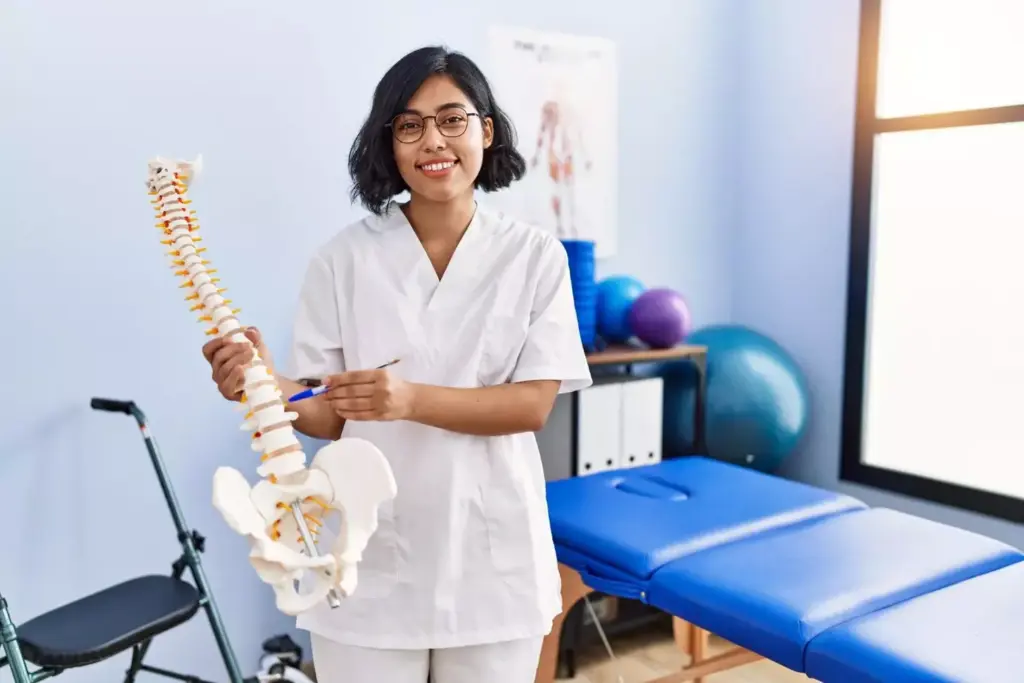
Autofusion in the cervical spine refers to the spontaneous fusion of two or more vertebrae without surgical intervention. This phenomenon can significantly impact the stability and mobility of the neck.
Definition and Basic Anatomy of the Cervical Spine
The cervical spine, located in the neck region, is composed of seven vertebrae that are designed to provide a wide range of motion while supporting the head. The unique anatomy of the cervical spine allows for flexibility and protection of vital structures such as the spinal cord. Autofusion occurs when there is an abnormal joining of these vertebrae, which can be due to various factors including congenital conditions, degenerative changes, or trauma.
The basic anatomy includes the vertebral bodies, intervertebral discs, facet joints, and ligaments. Understanding this anatomy is crucial to grasping how autofusion affects the cervical spine. As noted by a medical expert, “The cervical spine’s intricate structure is both a marvel of flexibility and a potential site for significant pathology when conditions like autofusion occur.”
“The cervical spine’s intricate structure is both a marvel of flexibility and a potential site for significant pathology when conditions like autofusion occur.”
How Natural Fusion Differs from Surgical Fusion
Natural fusion, or autofusion, differs significantly from surgical fusion. While surgical fusion is a deliberate medical intervention aimed at stabilizing a specific segment of the spine, autofusion is a spontaneous process that can occur due to various underlying causes.
| Characteristics | Natural Fusion (Autofusion) | Surgical Fusion |
|---|---|---|
| Cause | Spontaneous, often due to congenital or degenerative conditions | Deliberate medical intervention |
| Control and Predictability | Unpredictable, variable outcomes | Controlled, with more predictable outcomes |
| Impact on Spine | Can lead to reduced mobility and potential instability | Aims to stabilize the spine, potentially reducing pain and improving function |
Understanding the differences between natural and surgical fusion is essential for diagnosing and managing cervical spine autofusion effectively. As we continue to explore the implications of autofusion, it becomes clear that a comprehensive approach is necessary for patient care.
The Biological Process of Spinal Autofusion
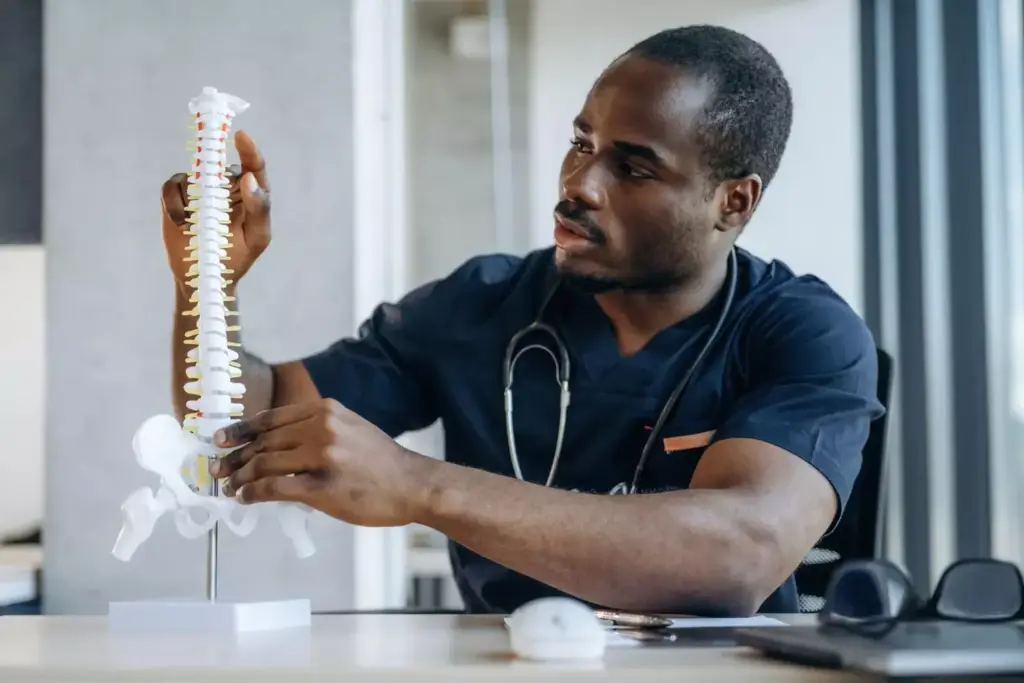
Understanding the biological mechanisms behind spinal autofusion is crucial for diagnosing and managing this condition. The process involves a complex interplay of various physiological factors that ultimately lead to the fusion of vertebrae.
Calcification of Ligaments and Osteochondrosis
One of the key factors in the development of spinal autofusion is the calcification of ligaments. This process involves the deposition of calcium salts in the ligaments surrounding the spine, leading to their gradual stiffening. Additionally, osteochondrosis, a condition characterized by the degeneration of cartilage and bone, plays a significant role in the autofusion process.
Osteochondrosis can lead to the deterioration of the intervertebral discs and the facet joints, creating an environment conducive to the natural fusion of vertebrae. As the condition progresses, the spine becomes increasingly rigid, and the risk of autofusion increases.
Timeline of Natural Fusion Development
The timeline for the development of natural fusion can vary significantly from person to person. In some cases, the process can occur relatively quickly, over the course of several months, while in other cases, it may take several years.
Factors influencing the timeline include the underlying cause of the autofusion, the presence of any underlying medical conditions, and the individual’s overall health. For instance, degenerative disc disease can accelerate the autofusion process, while the presence of conditions like Klippel-Feil syndrome may result in a more rapid progression.
- The initial stages of autofusion may involve the calcification of ligaments and the degeneration of intervertebral discs.
- As the condition progresses, the vertebrae begin to fuse together, leading to a loss of spinal mobility.
- The final stage of autofusion results in the complete fusion of the affected vertebrae, creating a single, rigid unit.
Congenital Causes of Naturally Fused Vertebrae
Understanding the congenital causes of naturally fused vertebrae is crucial for both diagnosis and treatment planning. Congenital conditions are those present at birth, and they can significantly impact the development and structure of the spine.
Klippel-Feil Syndrome and Its Prevalence
Klippel-Feil syndrome is a rare congenital disorder characterized by the fusion of any two of the seven cervical vertebrae. This condition occurs due to a failure in the normal segmentation of the cervical spine during fetal development. The prevalence of Klippel-Feil syndrome is estimated to be about 1 in 40,000 to 1 in 42,000 births, though it may be underdiagnosed due to varying degrees of severity.
Key Features of Klippel-Feil Syndrome:
- Fusion of cervical vertebrae
- Potential for associated anomalies such as Scoliosis or Spina Bifida
- Possible neurological issues due to spinal cord compression
Other Developmental Spinal Conditions
Apart from Klippel-Feil syndrome, other developmental spinal conditions can lead to naturally fused vertebrae. These include:
- Spinal dysraphism
- Congenital scoliosis
- Vertebral anomalies
These conditions highlight the complexity of spinal development and the various ways in which congenital factors can influence the spine.
Genetic Factors and Risk Assessment
Genetic factors play a significant role in the development of congenital spinal anomalies, including naturally fused vertebrae. Research suggests that certain genetic mutations can increase the risk of these conditions. Assessing the risk involves a combination of family history, genetic testing, and prenatal ultrasound.
| Condition | Characteristics | Risk Factors |
|---|---|---|
| Klippel-Feil Syndrome | Fusion of cervical vertebrae, potential neurological issues | Genetic mutations, family history |
| Congenital Scoliosis | Abnormal lateral curvature of the spine | Genetic predisposition, environmental factors |
Acquired Causes of Cervical Spine Autofusion
Acquired causes of cervical spine autofusion include a range of degenerative, traumatic, and inflammatory conditions that can significantly impact spinal health. As we age or experience certain types of injuries or diseases, the likelihood of developing autofusion in the cervical spine increases. Understanding these acquired causes is crucial for both prevention and management of the condition.
Age-Related Degeneration and Disc Disease
Age-related degeneration is a significant factor in the development of cervical spine autofusion. As people age, the intervertebral discs lose their height and elasticity, leading to a reduction in spinal flexibility. This degenerative process can result in the calcification of ligaments and the formation of bone spurs, which can eventually lead to the fusion of adjacent vertebrae. Degenerative disc disease is a common condition associated with aging, where the discs deteriorate, potentially causing autofusion.
A study on lumbar retrolisthesis and its implications on spinal health highlights the importance of understanding degenerative changes in the spine, which can be related to degenerative disc disease.
Trauma and Spinal Instability
Trauma to the cervical spine can also lead to acquired autofusion. Significant injuries, such as those sustained in car accidents or falls, can cause fractures or dislocations that result in spinal instability. Over time, the body’s attempt to stabilize the injured area can lead to the natural fusion of vertebrae. Spinal instability following trauma can thus be a precursor to autofusion, as the body tries to heal and stabilize the affected segment.
Inflammatory and Autoimmune Conditions
Certain inflammatory and autoimmune conditions can also contribute to the development of cervical spine autofusion. Diseases such as ankylosing spondylitis can cause chronic inflammation in the spine, leading to the fusion of vertebrae over time. These conditions highlight the complex interplay between the immune system and spinal health, where chronic inflammation can result in significant structural changes.
“Ankylosing spondylitis is a type of arthritis that can cause the vertebrae to fuse together, leading to a loss of spinal mobility.”
Auto Fusion of Vertebrae: Biomechanical Effects
Auto fusion of vertebrae is a complex process that influences spinal mobility and stability. When vertebrae fuse naturally, the spine’s biomechanical properties change, affecting its overall function. We will examine the effects of this process on the cervical spine, focusing on the changes in mobility, stress distribution, and overall stability.
Reduced Mobility in the Fused Segment
The fusion of vertebrae results in a reduction or complete loss of mobility in the affected segment. This reduced mobility can lead to compensatory mechanisms in other parts of the spine, as the body attempts to maintain its range of motion. While this compensation can be effective in some cases, it may also lead to additional stress on adjacent vertebrae.
Increased Stress on Adjacent Vertebrae
As the fused segment becomes less mobile, the adjacent vertebrae may experience increased stress due to the altered biomechanics of the spine. This increased stress can lead to accelerated degeneration in the adjacent segments, potentially resulting in further complications.
| Biomechanical Change | Effect on Spine | Potential Complications |
|---|---|---|
| Reduced Mobility | Compensatory mechanisms in other spinal segments | Increased wear and tear on adjacent vertebrae |
| Increased Stress on Adjacent Vertebrae | Accelerated degeneration | Potential for further spinal instability |
Impact on Overall Spinal Stability
Despite the potential for increased stress on adjacent vertebrae, auto fusion can sometimes contribute to overall spinal stability by eliminating motion in the affected segment. This stability can be beneficial in certain cases, particularly where instability is a significant concern.
We must consider the complex interplay between reduced mobility, increased stress, and overall spinal stability when evaluating the biomechanical effects of auto fusion of vertebrae. Understanding these factors is crucial for developing effective treatment plans and managing patient expectations.
Symptoms and Neurological Manifestations
Cervical spine autofusion can lead to a variety of symptoms that affect patients in different ways. The natural fusion of vertebrae in the cervical spine can result in distinct neurological manifestations that impact the quality of life.
Pain Patterns in Cervical Autofusion
Pain is a common symptom in patients with cervical spine autofusion. The pain patterns can vary, ranging from localized neck pain to radiating pain in the arms. Radicular pain, which follows the path of a nerve, is often experienced by patients with autofusion.
The intensity and frequency of pain can be influenced by several factors, including the extent of the autofusion, the presence of any underlying conditions, and the individual’s overall health.
| Pain Characteristic | Description |
|---|---|
| Localized Neck Pain | Pain confined to the neck area |
| Radicular Pain | Pain radiating along the nerve pathway |
| Referred Pain | Pain perceived in areas other than the actual source |
Numbness, Tingling, and Muscle Weakness
In addition to pain, patients with cervical spine autofusion may experience numbness, tingling, and muscle weakness. These symptoms occur due to the compression or irritation of nerves in the cervical spine.
Numbness and tingling are often reported in the arms or hands, while muscle weakness can affect the ability to perform daily activities. The severity of these symptoms can vary depending on the extent of nerve involvement.
Functional Limitations and Quality of Life
The symptoms associated with cervical spine autofusion can significantly impact a patient’s functional limitations and overall quality of life. Activities such as lifting, bending, or even simple movements can become challenging.
Assessing the impact of autofusion on daily life is crucial for developing an effective management plan. This includes addressing pain, improving mobility, and enhancing overall well-being.
Naturally Fused Vertebrae in Different Spinal Regions
The phenomenon of naturally fused vertebrae is observed across various spinal regions, each with distinct characteristics and implications. As we explore the differences in autofusion across the spine, it becomes clear that the condition’s impact varies significantly between regions.
Cervical Spine Autofusion Characteristics
Cervical spine autofusion presents unique challenges due to the neck’s high mobility and critical neurological structures. Naturally fused vertebrae in the cervical spine can lead to reduced range of motion and increased stress on adjacent vertebrae. “The cervical spine’s complex anatomy makes autofusion in this region particularly noteworthy,” as it can affect not only the neck’s flexibility but also the overall spinal alignment.
Patients with cervical autofusion may experience a range of symptoms, from mild discomfort to significant pain and neurological deficits. The condition’s progression can be influenced by factors such as age, lifestyle, and pre-existing spinal conditions.
Naturally Fused Vertebrae in the Lower Back
In contrast to the cervical spine, naturally fused vertebrae in the lower back (lumbar region) often result from different underlying causes, such as degenerative disc disease or trauma. The lumbar spine’s weight-bearing role means that autofusion in this area can significantly impact a person’s mobility and quality of life.
The characteristics of lumbar autofusion can include increased stiffness, pain, and in some cases, neurological symptoms due to nerve compression. Understanding these differences is crucial for developing effective treatment plans tailored to the specific needs of patients with lumbar autofusion.
Comparing Regional Differences and Outcomes
When comparing autofusion in different spinal regions, several key differences emerge. For instance, cervical autofusion tends to cause more pronounced limitations in mobility compared to lumbar autofusion. On the other hand, lumbar autofusion may lead to more significant pain and functional impairment due to the lower back’s critical role in weight-bearing and movement.
Outcomes for patients with naturally fused vertebrae in different spinal regions can vary widely. While some may experience minimal symptoms, others may face significant challenges.
“Understanding the regional differences in spinal autofusion is essential for providing personalized care and improving patient outcomes.”
By recognizing these differences, healthcare providers can develop targeted treatment strategies that address the unique aspects of autofusion in various spinal regions.
Diagnosis and Assessment Methods
The diagnosis of naturally fused vertebrae requires a multifaceted approach, including advanced imaging and detailed patient history. Accurately diagnosing autofusion is crucial for determining the appropriate treatment plan and managing symptoms effectively.
Imaging Techniques for Identifying Autofusion
Imaging plays a vital role in diagnosing autofusion. We utilize various imaging modalities to visualize the cervical spine and assess the extent of fusion.
- X-rays: Provide initial assessment of bone structure and alignment.
- Computed Tomography (CT) scans: Offer detailed images of bony structures and can detect calcification.
- Magnetic Resonance Imaging (MRI): Visualize soft tissues, including discs, nerves, and ligaments.
- Flexion-Extension X-rays: Assess the range of motion and stability of the cervical spine.
Clinical Examination and History Taking
A thorough clinical examination and detailed medical history are essential components of diagnosing autofusion. We assess:
- Symptoms: Pain patterns, numbness, tingling, and muscle weakness.
- Functional Limitations: Assessing how autofusion affects daily activities.
- Previous Injuries or Conditions: Understanding any previous trauma or conditions that may contribute to autofusion.
“A comprehensive clinical evaluation is critical in diagnosing autofusion and differentiating it from other spinal conditions.”
Differential Diagnosis Considerations
Differential diagnosis is crucial to distinguish autofusion from other conditions that may present similar symptoms. We consider:
| Condition | Characteristics |
|---|---|
| Degenerative Disc Disease | Disc height loss, osteophyte formation |
| Spondylolisthesis | Vertebral slippage, often with spondylolysis |
| Spinal Stenosis | Narrowing of the spinal canal, often with neurological symptoms |
By combining imaging findings with clinical assessment and considering differential diagnoses, we can accurately diagnose and manage naturally fused vertebrae.
Treatment Options for Naturally Fused Vertebrae
Managing naturally fused vertebrae effectively involves a range of strategies from conservative to surgical. The choice of treatment depends on several factors, including the extent of the autofusion, the presence of symptoms, and the overall health of the patient.
Conservative Management Approaches
For many patients, conservative management is the first line of treatment. This approach focuses on alleviating symptoms and improving quality of life without resorting to surgery. Physical therapy is often recommended to maintain or improve range of motion and strengthen the muscles supporting the cervical spine. Additionally, pain management techniques, including medication and lifestyle modifications, play a crucial role in managing symptoms associated with naturally fused vertebrae.
Other conservative approaches may include lifestyle adjustments such as maintaining a healthy weight, improving posture, and avoiding activities that exacerbate symptoms. Alternative therapies like chiropractic care, acupuncture, and massage therapy may also be beneficial for some patients.
Surgical Interventions When Necessary
In cases where conservative management is insufficient or the condition is severe, surgical intervention may be necessary. Surgical options can vary depending on the specific circumstances of the autofusion, including the location and extent of the fusion, as well as the patient’s overall health.
One common surgical approach is spinal decompression, which aims to relieve pressure on the spinal cord or nerves. Another option is spinal fusion surgery, which involves stabilizing the spine by fusing vertebrae together. In some cases, osteotomy may be performed to correct deformities or relieve pressure by cutting and realigning the bone.
The decision to proceed with surgery is made on a case-by-case basis, taking into account the potential benefits and risks. It’s crucial for patients to discuss their options thoroughly with their healthcare provider to determine the best course of treatment for their specific condition.
Conclusion: Living with Spinal Autofusion
Living with spinal autofusion requires a comprehensive understanding of the condition and its implications. As we have discussed, autofusion can occur in various spinal regions, including the cervical spine, and can result from different factors, including congenital conditions, age-related degeneration, and trauma.
Individuals with naturally fused vertebrae may experience reduced mobility, increased stress on adjacent vertebrae, and potential neurological manifestations. Proper management and care are crucial to mitigate these effects and maintain overall spinal stability.
By understanding the biological process of spinal autofusion and its biomechanical effects, we can better navigate the challenges associated with this condition. Effective diagnosis and assessment methods, including imaging techniques and clinical examination, play a vital role in developing personalized treatment plans.
Whether through conservative management or surgical interventions, the goal is to improve quality of life for individuals living with spinal autofusion. We emphasize the importance of seeking medical expertise to address the unique needs associated with cervical spine autofusion and autofusion spine.
FAQ
What is cervical spine autofusion?
Cervical spine autofusion, also known as auto fusion of vertebrae, is a condition where two or more vertebrae in the neck region of the spine fuse together naturally, without surgical intervention. This can occur due to various factors, including congenital conditions, age-related degeneration, trauma, or inflammatory and autoimmune conditions.
How does autofusion differ from surgical fusion?
Autofusion is a natural process where the body fuses vertebrae together, whereas surgical fusion, also known as spinal fusion surgery, is a medical procedure where vertebrae are fused together using bone grafts, rods, or other stabilizing devices. While both result in fused vertebrae, the underlying process and reasons for fusion differ.
What are the symptoms of cervical spine autofusion?
Symptoms of cervical spine autofusion can include pain patterns in the neck, numbness, tingling, and muscle weakness in the arms or hands, as well as functional limitations and reduced quality of life. The severity and presence of symptoms vary depending on the extent and location of the autofusion.
How is cervical spine autofusion diagnosed?
Diagnosis of cervical spine autofusion typically involves imaging techniques such as X-rays, CT scans, or MRI scans to visualize the fused vertebrae. Clinical examination and history taking are also crucial in assessing the condition and ruling out other potential causes of symptoms.
What are the treatment options for naturally fused vertebrae?
Treatment for naturally fused vertebrae depends on the severity of symptoms and the extent of autofusion. Conservative management approaches, such as physical therapy and exercise, may be recommended to manage symptoms and maintain spinal mobility. In some cases, surgical interventions may be necessary to stabilize the spine or relieve pressure on surrounding nerves.
Can autofusion be prevented?
While some causes of autofusion, such as congenital conditions, cannot be prevented, maintaining a healthy spine through regular exercise, proper posture, and a balanced diet can help reduce the risk of age-related degeneration and other acquired causes of autofusion.
How does autofusion affect spinal stability?
Autofusion can have both positive and negative effects on spinal stability. On one hand, the fused vertebrae can provide additional stability to the spine. On the other hand, the reduced mobility in the fused segment can lead to increased stress on adjacent vertebrae, potentially compromising overall spinal stability.
Are there any regional differences in the characteristics of naturally fused vertebrae?
Yes, naturally fused vertebrae can exhibit different characteristics depending on the spinal region. For example, cervical spine autofusion may present differently than naturally fused vertebrae in the lower back. Understanding these regional differences is essential for effective diagnosis and treatment.
What is the prognosis for individuals with spinal autofusion?
The prognosis for individuals with spinal autofusion varies depending on the underlying cause, extent of autofusion, and effectiveness of treatment. With proper management and care, many individuals with spinal autofusion can lead active and fulfilling lives.
Can spinal autofusion be treated with spine fusion surgery?
In some cases, spine fusion surgery may be considered for individuals with spinal autofusion, particularly if conservative management approaches are ineffective or if there are significant spinal instability or neurological symptoms. However, this decision should be made on a case-by-case basis, taking into account individual factors and medical history.
What is cervical spine autofusion?
Cervical spine autofusion, also known as auto fusion of vertebrae, is a condition where two or more vertebrae in the neck region of the spine fuse together naturally, without surgical intervention. This can occur due to various factors, including congenital conditions, age-related degeneration, trauma, or inflammatory and autoimmune conditions.
How does autofusion differ from surgical fusion?
Autofusion is a natural process where the body fuses vertebrae together, whereas surgical fusion, also known as spinal fusion surgery, is a medical procedure where vertebrae are fused together using bone grafts, rods, or other stabilizing devices. While both result in fused vertebrae, the underlying process and reasons for fusion differ.
What are the symptoms of cervical spine autofusion?
Symptoms of cervical spine autofusion can include pain patterns in the neck, numbness, tingling, and muscle weakness in the arms or hands, as well as functional limitations and reduced quality of life. The severity and presence of symptoms vary depending on the extent and location of the autofusion.
How is cervical spine autofusion diagnosed?
Diagnosis of cervical spine autofusion typically involves imaging techniques such as X-rays, CT scans, or MRI scans to visualize the fused vertebrae. Clinical examination and history taking are also crucial in assessing the condition and ruling out other potential causes of symptoms.
What are the treatment options for naturally fused vertebrae?
Treatment for naturally fused vertebrae depends on the severity of symptoms and the extent of autofusion. Conservative management approaches, such as physical therapy and exercise, may be recommended to manage symptoms and maintain spinal mobility. In some cases, surgical interventions may be necessary to stabilize the spine or relieve pressure on surrounding nerves.
Can autofusion be prevented?
While some causes of autofusion, such as congenital conditions, cannot be prevented, maintaining a healthy spine through regular exercise, proper posture, and a balanced diet can help reduce the risk of age-related degeneration and other acquired causes of autofusion.
How does autofusion affect spinal stability?
Autofusion can have both positive and negative effects on spinal stability. On one hand, the fused vertebrae can provide additional stability to the spine. On the other hand, the reduced mobility in the fused segment can lead to increased stress on adjacent vertebrae, potentially compromising overall spinal stability.
Are there any regional differences in the characteristics of naturally fused vertebrae?
Yes, naturally fused vertebrae can exhibit different characteristics depending on the spinal region. For example, cervical spine autofusion may present differently than naturally fused vertebrae in the lower back. Understanding these regional differences is essential for effective diagnosis and treatment.
What is the prognosis for individuals with spinal autofusion?
The prognosis for individuals with spinal autofusion varies depending on the underlying cause, extent of autofusion, and effectiveness of treatment. With proper management and care, many individuals with spinal autofusion can lead active and fulfilling lives.
Can spinal autofusion be treated with spine fusion surgery?
In some cases, spine fusion surgery may be considered for individuals with spinal autofusion, particularly if conservative management approaches are ineffective or if there are significant spinal instability or neurological symptoms. However, this decision should be made on a case-by-case basis, taking into account individual factors and medical history.