Congential talipes equinovarus, or clubfoot, is a common birth defect. It makes the foot turn inward and downward.
About 1 in 1000 newborns worldwide have clubfoot at birth. If not treated, it can lead to permanent disability. It also affects a child’s mobility and quality of life.
But, early treatment and the Ponseti method can correct over 90% of cases without surgery. We focus on giving top-notch care for babies with clubfoot. Our goal is to ensure the best results for them.
Key Takeaways
- Clubfoot is a common musculoskeletal birth defect affecting 1 in 1000 newborns worldwide.
- Early detection is key to avoid permanent disability.
- The Ponseti method is a highly effective treatment for clubfoot.
- More than 90% of cases can be fixed without surgery.
- Our team offers world-class care for babies with clubfoot using proven methods.
Understanding Clubfoot: Causes and Characteristics
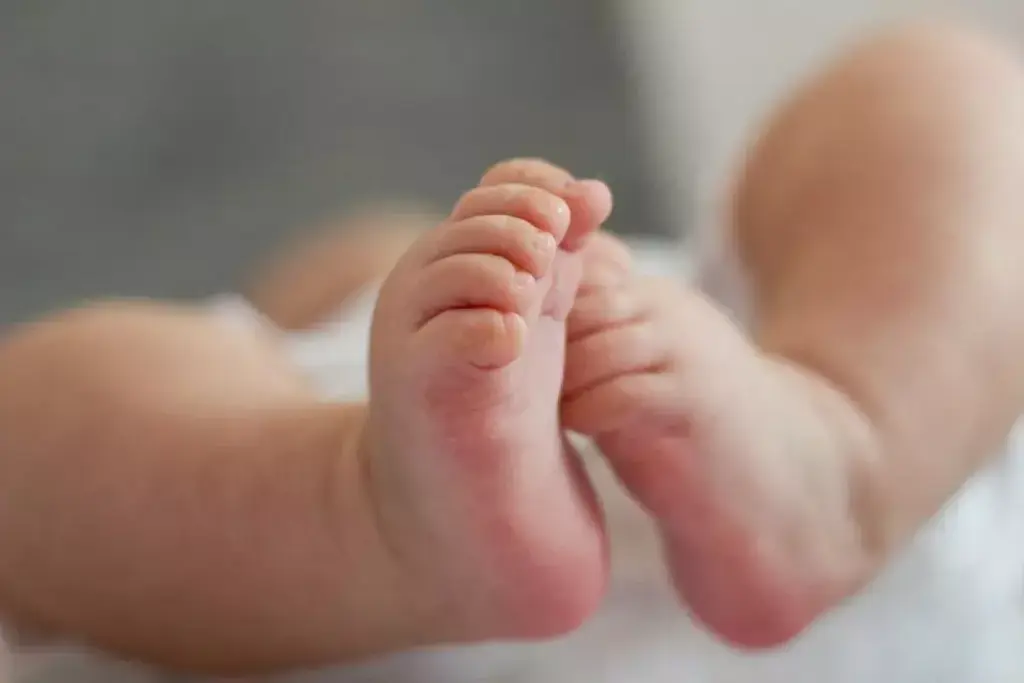
Congenital Talipes Equinovarus, or clubfoot, is a birth defect that affects a baby’s foot or feet. It’s a complex deformity of the foot and ankle.
Congenital Talipes Equinovarus Explained
Congenital Talipes Equinovarus is when a baby is born with feet that are twisted. The term “clubfoot” comes from the foot’s shape, which looks like a club. For more info, check out page on clubfoot.
Physical Characteristics and Prevalence
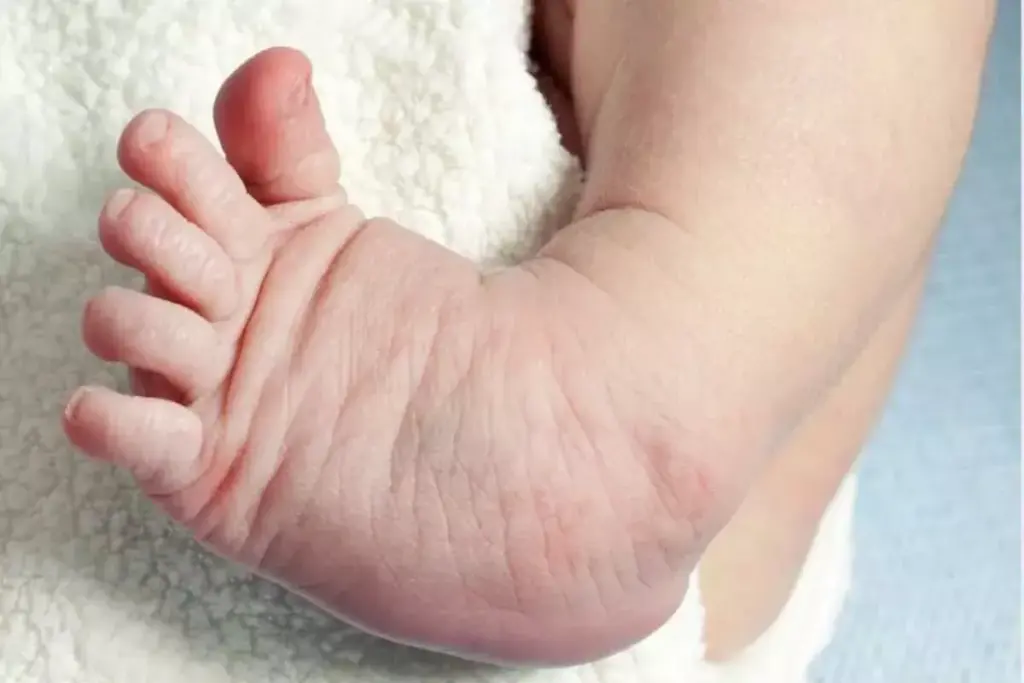
Clubfoot makes a foot twist inward, with the heel up and the forefoot turned in. It can be mild or severe and can affect one or both feet. About 1 in 1000 babies are born with clubfoot, with boys more often affected than girls.
In about half of the cases, both feet are affected. This shows how common it is in families.
| Characteristics | Description | Prevalence |
| Unilateral Clubfoot | Affects one foot | 50% of cases |
| Bilateral Clubfoot | Affects both feet | 50% of cases |
| Gender Affected | Males more frequently affected | Male:Female ratio varies |
Risk Factors and Genetic Components
The exact cause of clubfoot is not fully understood. But, genetics play a big role. Genes like TBX4, PITX1, and HOXA, HOXC, and HOXD are linked to limb development and clubfoot. If a parent has clubfoot, their child is more likely to have it too.
Research is ongoing to understand how these genes affect clubfoot. This knowledge helps in treating the condition and counseling families.
Diagnosing Clubfoot in Newborns
Finding clubfoot early is very important. It can be spotted before birth or right after it happens. Doctors use special ways to check for clubfoot before and after a baby is born.
Prenatal Detection Through Ultrasound
Ultrasound can find clubfoot before a baby is born. This helps parents get ready for treatment. Prenatal ultrasound shows if the foot is turned in, a sign of clubfoot. Thanks to better ultrasound tech, more cases are caught early.
Physical Examination After Birth
After a baby is born, doctors do a detailed check of the feet. This check is key to confirm if a baby has clubfoot. The doctor will move the foot to see how flexible it is and how bad the deformity is. This helps tell if it’s clubfoot or something else.
Differentiating Clubfoot from Other Foot Abnormalities
It’s important to tell clubfoot apart from other foot problems. Some issues might look like clubfoot but need different treatments. Doctors might use X-rays or more tests to make sure they know what they’re dealing with.
Knowing how doctors diagnose clubfoot helps parents. Early and correct diagnosis is the first step to treating clubfoot. This ensures the best care for the baby.
Club Foot Treatment Options for Babies
Parents of babies with clubfoot need to know their treatment options. Clubfoot, or congenital talipes equinovarus, can be treated early and effectively.
The Ponseti Method: A Non-Surgical Approach
The Ponseti method is the top choice for clubfoot treatment for babies. It’s a non-surgical way to fix the foot deformity. It starts right after birth and goes on for months.
This method is loved for its success and gentle approach. It includes:
- Gentle foot manipulation.
- Plaster casts to keep the foot right.
- Regular check-ups to adjust casts.
- A brace to keep the correction after casting.
Alternative Treatment Approaches
Though the Ponseti method is the top pick, other treatments might be used. This depends on how severe the clubfoot is or the child’s needs. The French functional method is another option, with its own way of correcting the foot.
Surgical Interventions: When Necessary
Surgery might be needed for treatment for clubfoot. This is when other treatments don’t work. Surgery can fix tight tendons to align the foot right.
Parental Care and Support During Treatment
Parents play a big role in clubfoot correction. They learn to care for casts or braces and go to follow-up visits. Getting help from healthcare and other parents is very helpful.
Knowing about clubfoot treatment for babies and being involved helps parents. It ensures the best care for their child.
Conclusion: Long-Term Outlook for Children with Treated Clubfoot
Children with clubfoot can live active lives if treatment starts early and is done right. Knowing about clubfoot disease is key to treating it well.
The outlook for clubfoot is mostly good. Most kids get their feet to work and look normal again after treatment. The Ponseti method is a top choice for fixing clubfoot.
Early diagnosis and treatment are vital. So is ongoing care to get the best results. With the right care, kids with clubfoot can do all sports and live a normal life.
FAQ
What is clubfoot?
Clubfoot, also known as congenital talipes equinovarus, is a birth defect of the foot. It makes the foot twist or turn. The foot points down and in, and the heel is up.
What are the physical characteristics of clubfoot?
Clubfoot has a twisted foot, a shorter leg or calf, and a smaller foot. The foot is stiff and hard to move. There’s also a deep crease on the foot’s sole.
How common is clubfoot?
Clubfoot affects about 1 in 1,000 babies. It’s more common in boys and can happen in one or both feet.
What causes clubfoot?
The exact cause of clubfoot is unknown. But it’s thought to be due to genetics and environment. Genes like PITX1 play a role in foot development.
Can clubfoot be detected prenatally?
Yes, ultrasound can spot clubfoot before birth. If an ultrasound suggests clubfoot, more checks can confirm it.
How is clubfoot diagnosed after birth?
After birth, a doctor checks the foot and ankle. They assess the deformity and rule out other issues.
What is the Ponseti method?
The Ponseti method is a non-surgical treatment for clubfoot. It uses casts and bracing to correct the foot. It’s a highly effective method.
Is surgery always necessary for clubfoot treatment?
No, surgery isn’t always needed. The Ponseti method works for many. But sometimes, surgery is needed for full correction.
What is the long-term outlook for children with treated clubfoot?
With proper treatment, children with clubfoot can live active lives. Early treatment is key for the best results and to avoid complications.
Is talipes hereditary?
Yes, clubfoot can run in families. But the exact genetic link is not fully understood. More research is needed to understand the risk.
What does a club foot look like?
A club foot twists or turns, pointing down and in. The heel is raised. The foot looks smaller or misshapen.
References
National Center for Biotechnology Information. Evidence-Based Medical Insight. Retrieved from https://pmc.ncbi.nlm.nih.gov/articles/PMC10548612/[1