Millions of families around the world have welcomed babies through Assisted Reproductive Technology (ART). In 2023, over 95,000 babies were born in the United States using ART. For those struggling with infertility, learning about ART can offer hope for starting a family.
The CDC explains that “Assisted reproductive technology (ART) includes all fertility treatments or procedures in which either eggs or embryos are handled to help achieve a pregnancy.” Liv Hospital uses top-notch reproductive technologies like IVF and ICSI. They focus on patient care and follow international standards to help people on their path to becoming parents.
Defining what is considered assisted reproductive technology (ART) and its common procedures.
Key Takeaways
- ART includes fertility treatments where eggs or embryos are handled.
- Over 95,000 babies were born through ART in the US in 2023.
- Liv Hospital offers advanced ART techniques with patient-centered care.
- IVF and ICSI are common ART methods used to achieve pregnancy.
- ART provides new possibilities for individuals and couples facing infertility.
Understanding Assisted Reproductive Technology (ART)
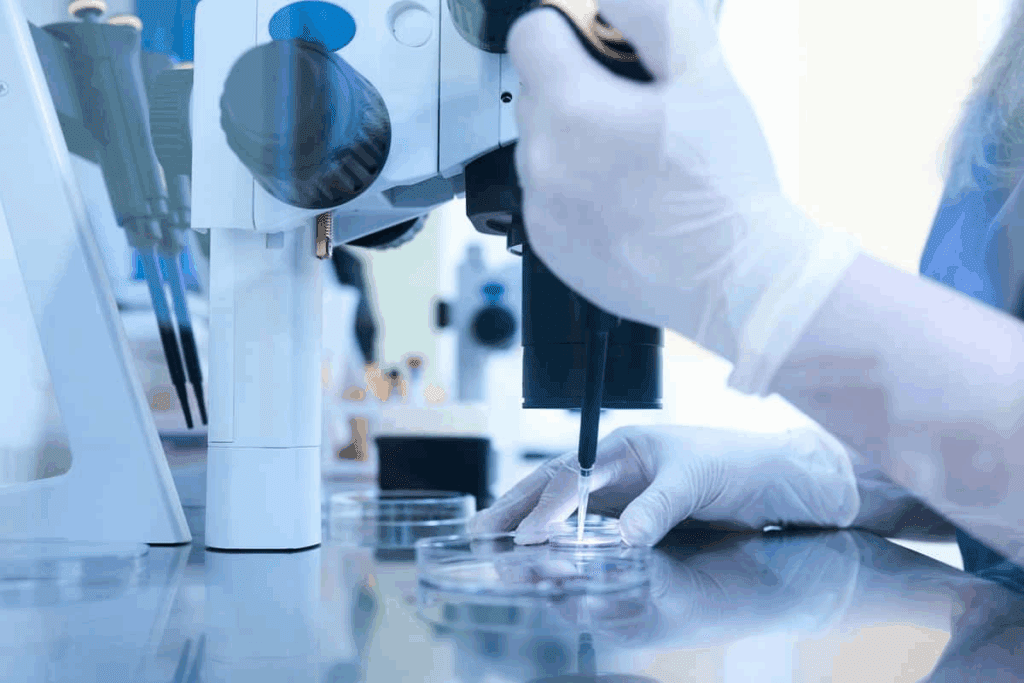
Assisted Reproductive Technology, or ART, is a set of treatments to help people get pregnant. These treatments involve complex medical steps that have grown a lot over time.
Definition and Purpose of ART
ART includes surgically removing eggs from a woman’s ovaries, mixing them with sperm in a lab, and then putting them back in the woman’s body or giving them to another woman. Its main goal is to help people or couples conceive when they face fertility problems. The most well-known ART method is In Vitro Fertilization (IVF).
The main parts of ART are:
- Medical help to make conception easier
- Lab work with eggs and sperm
- Help for different fertility issues, including both male and female problems
Brief History of Reproductive Technology
The history of ART started in the late 20th century with the first IVF baby born in 1978. Reproductive technology has grown a lot ever after, with big steps in IVF, egg and sperm donation, and freezing embryos. These changes have opened up new chances for those facing infertility.
Some key moments in ART’s history are:
- The start of intracytoplasmic sperm injection (ICSI) in the 1990s
- Improvements in testing embryos’ genes
- More ways to save fertility
As we keep learning and improving ART, it’s clear this technology has changed how we deal with fertility issues. It brings new hope and chances for many.
What Is Considered Assisted Reproductive Technology
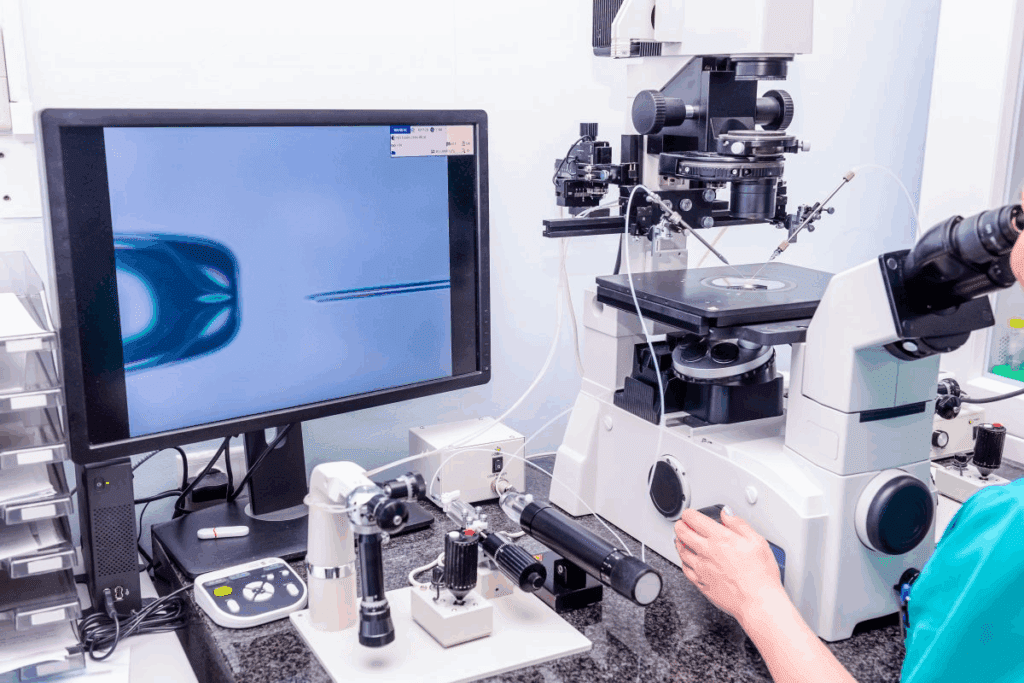
Assisted Reproductive Technology (ART) is a group of fertility treatments. They involve changing both egg and sperm. We will look at what makes a treatment ART and how it differs from other fertility methods.
Medical Criteria for ART Classification
To be called ART, a treatment must handle both human eggs and sperm. The main goal of ART is to help people get pregnant in ways other than naturally. ART includes treatments where both eggs and sperm are handled in a laboratory setting. This often means IVF, where eggs are taken out, mixed with sperm in a lab, and then put back in the uterus.
The CDC says ART doesn’t include treatments where only sperm are used, like IUI. It also doesn’t include treatments where a woman takes medicine to make more eggs but doesn’t plan to get them.
“ART involves the handling of both human eggs and sperm, typically in a laboratory setting, to achieve pregnancy.” – CDC
Distinguishing ART from Other Fertility Treatments
It’s important to know the difference between ART and other fertility treatments. For example, treatments that just use medicine to help ovulate but don’t take out eggs aren’t ART. IUI, where sperm is put directly into the uterus, isn’t ART because it doesn’t handle eggs.
| Treatment Type | Involves Egg Retrieval | Involves Sperm Handling | Considered ART |
|---|---|---|---|
| In Vitro Fertilization (IVF) | Yes | Yes | Yes |
| Intrauterine Insemination (IUI) | No | Yes | No |
| Oral Fertility Medications | No | No | No |
Knowing the difference between ART and other fertility treatments is key. It helps both patients and doctors make better choices about reproductive care.
The Global Impact of ART
The global Assisted Reproductive Technology (ART) market is growing fast. This growth is due to more people wanting fertility treatments. ART is changing lives and having a big economic impact worldwide.
Current Market Size and Growth
In 2022, the global ART market size was USD 25.7 billion. It’s expected to grow to USD 41.4 billion by 2030. This shows a big increase in demand for ART services.
The market is growing because of more infertility, better ART techniques, and more awareness about fertility treatments.
ART services are being used more and more around the world. This trend is likely to keep going as more people and couples look for fertility treatments.
Regional Differences in ART Utilization
ART use varies a lot by region. Developed countries have a strong ART setup, but developing regions are also seeing more ART use.
| Region | ART Market Size (2022) | Projected Market Size (2030) |
|---|---|---|
| North America | USD 10.2 billion | USD 15.6 billion |
| Europe | USD 8.5 billion | USD 12.3 billion |
| Asia-Pacific | USD 5.5 billion | USD 10.2 billion |
US Position in Global ART Landscape
The United States is a big player in the global ART market. It has advanced medical facilities and a high use of ART technologies. The country’s strong research and favorable rules help it lead in ART.
As the global ART market grows, we’ll see more ART technology and easier access to fertility treatments worldwide.
In Vitro Fertilization (IVF): The Cornerstone of ART
IVF is a key part of assisted reproductive technology (ART). It helps those facing fertility issues. The process involves fertilizing an egg with sperm outside the body, in a lab.
The IVF Process Explained
The IVF journey starts with ovarian stimulation. This uses medications to get the ovaries to produce many eggs. Then, a minor surgery called egg retrieval takes place.
After that, the eggs are fertilized with sperm in the lab. The embryos grow for 3-5 days. We watch them closely to see how they’re doing.
When the embryos are ready, we do an embryo transfer. This is when one or more embryos are put into the woman’s uterus.
When IVF Is Recommended
IVF is suggested for many fertility problems. These include tubal damage, endometriosis, male infertility, and unexplained infertility. It’s also for those who haven’t had success with other treatments.
Choosing IVF involves a detailed fertility check and talking to a fertility expert. We look at age, medical history, and infertility causes to decide if IVF is right.
Success Rates and Factors Affecting Outcomes
IVF success rates have grown a lot. In 2022, IVF was used in 2.5% of U.S. births. There were 91,771 IVF cycles, a 6% rise in ART cycles at SART clinics.
| Age | Success Rate |
|---|---|
| Under 35 | 47.7% |
| 35-37 | 37.7% |
| 38-40 | 24.4% |
| 41-42 | 13.3% |
Success rates depend on age, egg and sperm quality, and infertility causes. We help our patients understand these factors to improve their chances with IVF.
Advanced ART Techniques Beyond IVF
We’re exploring more than just In Vitro Fertilization (IVF) in Assisted Reproductive Technology (ART). New techniques have opened doors for those facing fertility issues. These advancements help individuals and couples in their journey to start a family.
Intracytoplasmic Sperm Injection (ICSI)
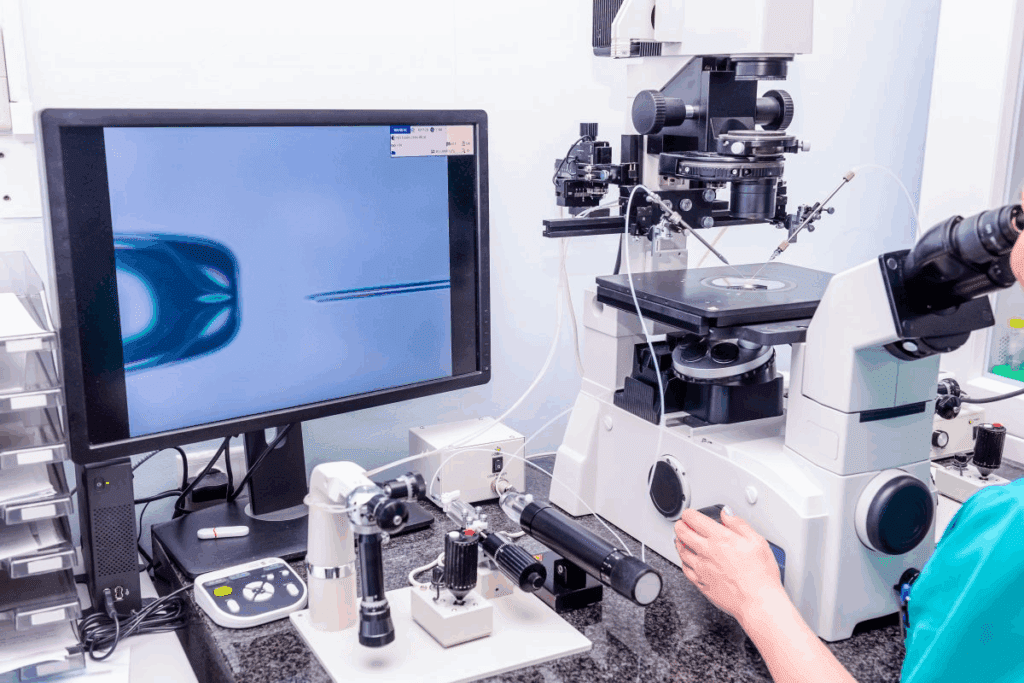
Intracytoplasmic Sperm Injection (ICSI) is a big leap in ART. It involves injecting a single sperm into an egg. This method has changed how we tackle male-factor infertility. It makes it possible to fertilize eggs even with very few or weak sperm.
Embryo Freezing and Thawing
Embryo freezing and thawing are key in modern ART. They let us save embryos for later use without needing more eggs. This way, we can use frozen embryos in future cycles, making ART more flexible and efficient.
Single Embryo Transfer (SET)
Single Embryo Transfer (SET) is becoming more common. It aims to avoid the risks of multiple pregnancies. By transferring just one embryo, we increase the chances of a healthy single birth.
Egg Preservation Methods
Egg preservation, or oocyte cryopreservation, is gaining popularity. It freezes eggs for future use, giving women more control over their fertility. This is great for women facing age-related fertility issues or those undergoing treatments that might harm their fertility.
These advanced ART techniques have greatly expanded family-building options. By using these innovations, we can offer more tailored and effective fertility treatments.
ART for Different Infertility Causes
ART is flexible and can be customized for various infertility issues. It offers personalized treatment options. Understanding the causes of infertility is key to finding the best treatment.
Male-Factor Infertility Solutions
Male-factor infertility is a big reason for infertility. ART has solutions like Intracytoplasmic Sperm Injection (ICSI). This method injects a single sperm into an egg, helping many who had few options before.
Experts say ICSI has changed reproductive medicine. It helps men with severe sperm issues have children. A detailed initial assessment is vital to choose the right treatment.
Age-Related Fertility Challenges
Age affects fertility, making it harder to conceive. Donor egg IVF is a solution for women facing this issue. It uses eggs from a younger donor.
Studies show ART success rates have improved for older women with donor eggs. This shows ART can help even with age-related fertility decline.
Endometriosis and ART
Endometriosis can harm fertility. ART, like IVF, is effective for women with endometriosis. IVF bypasses affected areas, making pregnancy possible.
ART is known to treat endometriosis-related infertility well. A study found IVF is a realistic chance for pregnancy for women with endometriosis.
Unexplained Infertility Approaches
Unexplained infertility is tough because the cause is unknown. ART offers a proactive solution. It starts with less invasive treatments and may move to IVF.
ART helps with unexplained infertility by improving conception chances. Fertility specialists stress the need for a tailored approach to increase success.
The ART Process: From Consultation to Pregnancy
Assisted Reproductive Technology (ART) helps people achieve pregnancy. It starts with a detailed initial assessment. Each step is vital for success.
Initial Fertility Assessment
The first step is a thorough fertility check. Tests like semen analysis and hormonal evaluations are done. The goal is to find any issues that might affect treatment success.
These tests help doctors understand why someone might be struggling to conceive. They then create a treatment plan that fits the individual’s needs.
Treatment Planning and Preparation
After the initial check, a treatment plan is made. It considers the person’s or couple’s specific situation. Preparation might include lifestyle changes or medication to help with egg production.
Choosing the right ART technique, like IVF or ICSI, is also part of this step. It depends on the individual’s or couple’s needs.
Procedure Implementation
The ART procedure involves several steps. Eggs are removed from the ovaries, mixed with sperm in the lab, and then placed in the uterus. This process needs careful timing and teamwork between the medical team and patients.
- Egg retrieval is a minor surgical procedure.
- Fertilization occurs in the laboratory.
- Embryo transfer is a relatively painless process.
Post-Procedure Care and Monitoring
After the procedure, close monitoring is key. Blood tests and ultrasound scans check for pregnancy. Supportive care helps with emotional and physical needs during this time.
Patients are given advice on post-procedure care. This includes rest, medication, and follow-up appointments. It helps ensure a smooth recovery and tracks the pregnancy’s progress.
The ART process is complex but rewarding. With patience, understanding, and the right support, healthcare providers can help increase the chances of success.
ART Statistics and Success Rates
ART success rates depend on many factors. We will look into these in detail. Knowing these elements is key for healthcare providers and those seeking fertility treatments.
Current US ART Utilization Data
Recent US ART data shows trends and outcomes. In 2022, about 91,771 IVF cycles were done, a 6% rise. This shows more people are turning to ART for family planning.
“The increasing demand for ART services reflects a broader societal shift towards seeking medical assistance for fertility challenges.” We must watch these stats closely. It’s important to understand what makes ART treatments successful.
Factors Influencing Success Rates
Several factors affect ART success rates. These include the age of those treated, the cause of infertility, egg and sperm quality, and the ART technique used.
- Age: The woman’s age is a big factor, with success rates dropping as age goes up.
- Cause of Infertility: The reason for infertility can affect ART success.
- Quality of Eggs and Sperm: The quality of reproductive cells is key for success.
- ART Technique: Different techniques, like IVF and ICSI, have different success rates.
Healthcare providers can guide patients better by understanding these factors. This helps patients make informed choices about their treatment.
“The complexity of ART success rates necessitates a nuanced approach to treatment planning, taking into account multiple individual factors.”
As ART advances, keeping an eye on these stats and understanding success factors is vital. It helps improve outcomes and supports those on their journey to parenthood.
Financial Aspects of Assisted Reproductive Technology
It’s important to know the costs of ART for those exploring fertility treatments. The costs can be high, and it’s key to understand what they cover.
Average Costs of Different ART Procedures
The price of ART varies a lot. In Vitro Fertilization (IVF) is common, costing between $12,000 and $17,000 per cycle in the U.S. Other treatments like Intracytoplasmic Sperm Injection (ICSI) and egg freezing can increase the total cost.
Here’s a quick look at some ART procedure costs:
- IVF: $12,000 – $17,000 per cycle
- ICSI: $1,000 – $3,000 per cycle
- Egg Freezing: $5,000 – $10,000 per cycle
- Embryo Freezing: $1,000 – $2,000 per year
Insurance Coverage in the United States
Insurance for ART varies a lot in the U.S. Some states require coverage, while others don’t. Knowing your insurance is key before starting ART. Always check with your provider to see what’s covered.
Here are some insurance points to remember:
- Find out if your state covers fertility treatments.
- Know which treatments your insurance covers.
- Understand the costs you’ll have to pay out of pocket.
Financial Assistance Programs and Options
For many, ART costs are too high. But, there are financial help programs to make treatments more affordable. These include grants, discounts for multiple cycles, and financing plans.
Grants and discounts for multiple cycles are available. There are also financing plans to spread out the cost. It’s worth looking into these options to find the best fit for you.
Ethical and Legal Considerations in ART
Assisted Reproductive Technology (ART) brings up many complex questions. We must think deeply about these issues as we explore ART. It’s important to handle these questions carefully.
Embryo Status and Rights
The debate over embryo rights is intense. Different places have different views on when life starts and what rights embryos have. The big questions about freezing, donating, and disposing of embryos are very important. Clinics need to handle these with care and respect for all views.
Donor Rights and Responsibilities
Donors in ART have their own rights and duties. They can choose to be anonymous or known, depending on where they are. Clinics must make sure donors know what they’re getting into. This includes rules on payment, consent, and the chance to meet their offspring.
Regulatory Framework in the US
In the US, ART is governed by many laws and guidelines. The Assisted Reproductive Technology Act of 2007 is key in this area. It deals with the business side of ART and donor rights. Following these rules is key to ethical practice and protecting everyone’s rights.
As ART grows, we must stay focused on its ethics and laws. This way, ART can be done in a way that respects everyone involved.
The Future of Assisted Reproductive Technology
New trends and technologies are changing Assisted Reproductive Technology. They are making treatments better and more available. We’re seeing big steps forward in this field, improving how ART works and who can use it.
Emerging Techniques and Research
Genetic editing, like CRISPR, is opening new doors in ART. It helps treat genetic issues. Also, freezing eggs and sperm is getting better, thanks to new tech.
Research on the microbiome and fertility is giving us new ideas. These ideas could lead to better treatments.
Preimplantation genetic testing (PGT) is also getting better. It checks embryos for genetic problems before they’re transferred. This could lead to more successful pregnancies and fewer genetic issues.
Potential Improvements in Success Rates
ART is getting better, and so are the chances of success. Time-lapse embryo imaging helps pick the best embryos. AI is also helping choose embryos, which could make things even better.
Adding personalized medicine to ART could also boost success rates. Treatments can be tailored to fit each person’s needs and genetics. This could lead to more successful outcomes.
Accessibility and Affordability Trends
ART is becoming more accessible and affordable. Telemedicine lets people talk to fertility experts online. This makes getting care easier and cheaper.
Also, treatments are getting cheaper, and more insurance covers fertility care. This makes ART more affordable for more people.
Conclusion
Assisted Reproductive Technology (ART) has changed the world of reproductive medicine. It gives hope to those facing infertility. We’ve seen how ART includes treatments like In Vitro Fertilization (IVF) and Intracytoplasmic Sperm Injection (ICSI).
ART is key because it tackles many infertility reasons. This includes issues with male fertility and age. Thanks to new tech, ART success rates are going up. This means more people can become parents.
ART is a big part of modern reproductive care. Its impact is seen worldwide. New methods and research are making ART even better. This makes ART an exciting and growing field.
Our summary shows how complex and flexible ART is. It’s a big help for those wanting to start a family. The bottom line is clear: ART has changed fertility treatment. It opens new doors for building families.
FAQ
What is Assisted Reproductive Technology (ART)?
ART is a way to help people have babies when they can’t naturally. It involves changing both egg and sperm to help conceive. We use it for those facing fertility problems.
What are the different types of Assisted Reproductive Technology?
ART includes In Vitro Fertilization (IVF), Intracytoplasmic Sperm Injection (ICSI), and freezing embryos. There’s also Single Embryo Transfer (SET) and ways to preserve eggs. We have many options to tackle different fertility issues.
How does IVF work?
IVF means fertilizing an egg with sperm outside the body. Then, the embryo is put into the uterus. It’s good for many fertility problems, like male issues or endometriosis.
What is the success rate of ART treatments?
ART success rates change based on age, fertility cause, and treatment. Success has gotten better over time. Our team will talk about your chances in detail.
How much does ART cost?
ART costs vary by treatment, location, and more. We have financial help to make it more affordable.
Are there any ethical considerations in ART?
Yes, ART raises questions about embryo rights and donor ethics. We follow strict rules to ensure our practices are fair and responsible.
What is the future of Assisted Reproductive Technology?
ART’s future looks bright with new techniques and research. We aim to lead in ART advancements to give our patients the best care.
How do I get started with ART treatment?
Start by scheduling a consultation with our experts. They’ll help with your first steps, treatment planning, and support you through the process.
What are the advanced ART techniques beyond IVF?
Beyond IVF, we offer ICSI, embryo freezing, Single Embryo Transfer (SET), and egg preservation. These help tackle specific fertility issues and improve success rates.
How does ART address different infertility causes?
ART tackles many fertility problems, like male issues, age, endometriosis, and unexplained infertility. Our team will find the best ART method for you.
References
World Health Organization. Assisted Reproductive Technology: Overview for Infertility. Retrieved from.
https://www.who.int/news/item/04-04-2023-1-in-6-people-globally-affected-by-infertility