
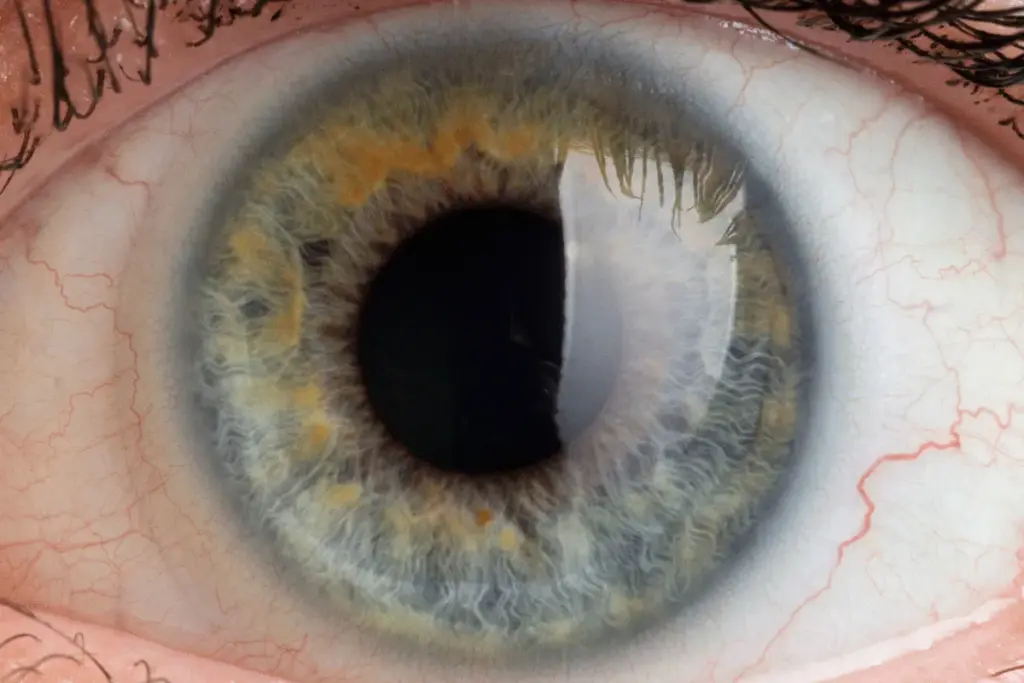
Eye injuries can be scary, and when they hit the cornea, it’s even more worrying. Corneal erosion and abrasion are two conditions that often get mixed up. They both mess with the cornea but in different ways.
A corneal abrasion happens when something hits your eye hard, causing a scratch. But corneal erosion is when the top layer of your cornea comes loose, usually when you wake up.
Knowing the difference between these eye problems is key to getting the right treatment. At Liv Hospital, we’re all about top-notch healthcare for patients from around the world.
Key Takeaways
- Corneal erosion and abrasion are two distinct eye conditions that affect the cornea.
- Abrasion is typically caused by direct trauma, while erosion occurs when the epithelial layer loosens or separates.
- Proper diagnosis is critical to avoid serious vision problems.
- Liv Hospital offers full support for international patients looking for top medical care.
- It’s vital to understand the differences to treat these conditions properly.
Understanding Corneal Injuries of the Eye
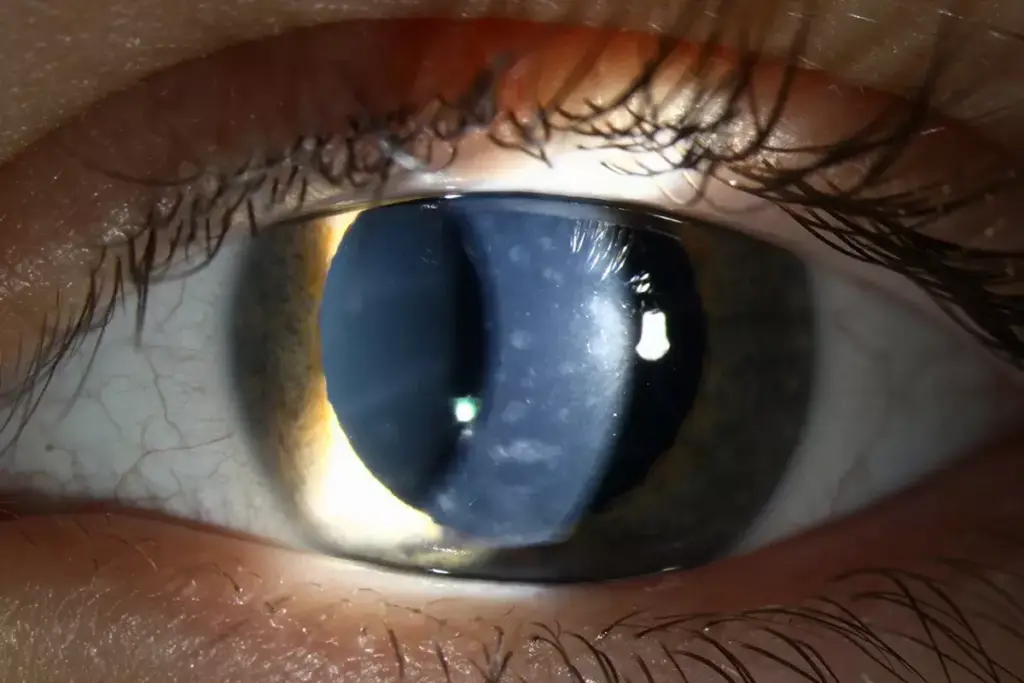
The cornea is the outer layer of the eye. It can get injured in different ways, like abrasions and erosions. These injuries are different and affect eye health in unique ways.
What Is a Corneal Abrasion?
A corneal abrasion is a scratch on the cornea’s surface. It removes the top layers of the eye. This usually happens from hitting the eye or having something in it.
Signs of a corneal abrasion include eye pain, redness, and feeling like something’s in there. Luckily, most heal in a week without lasting harm.
What Is Corneal Erosion?
Corneal erosion is when the top layer of the cornea comes loose. It can cause ongoing pain and is linked to past eye injuries or certain conditions.
Like abrasions, erosion symptoms include eye pain and redness. But, erosion can come back because the top layer keeps coming loose. For more on this, check outresource.
To understand the difference between corneal abrasion and erosion, let’s look at their main features:
| Characteristics | Corneal Abrasion | Corneal Erosion |
| Cause | Direct trauma or foreign objects | Previous injury, corneal dystrophies |
| Layer Affected | Superficial epithelial layer | Epithelial layer and underlying tissue |
| Healing Time | Typically 1-7 days | Variable, may recur |
| Symptoms | Pain, redness, foreign body sensation | Recurrent pain, discomfort |
Corneal Erosion vs. Abrasion: Key Differences
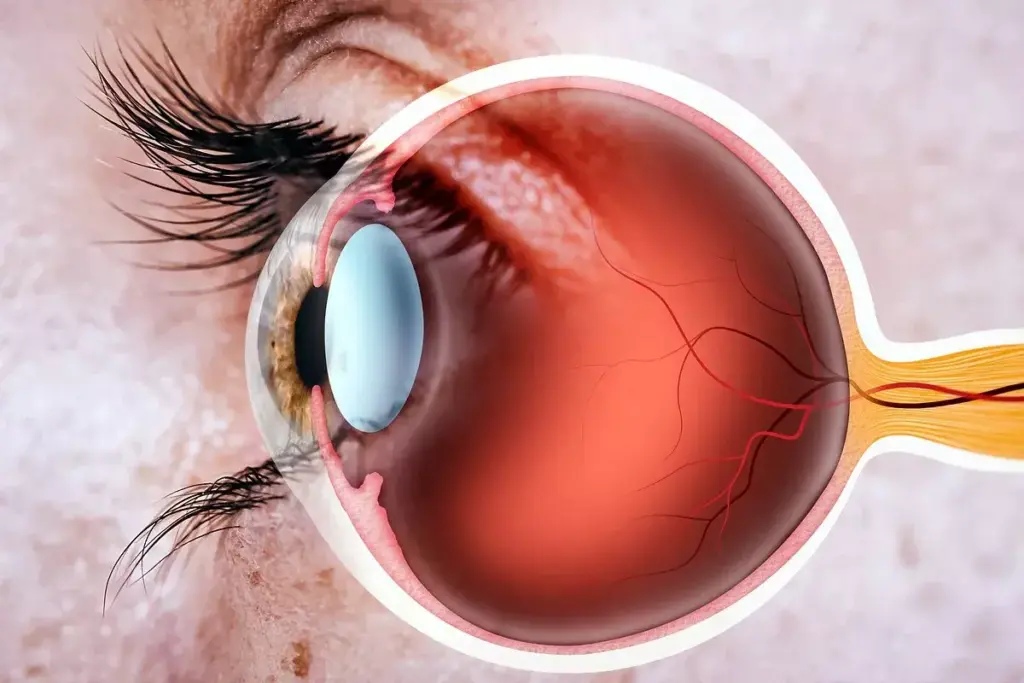
It’s important to know the difference between corneal erosion and abrasion. Both affect the cornea but in different ways. They have different causes, symptoms, and how they show up clinically.
Causes and Triggering Mechanisms
Corneal abrasions happen when the eye gets hurt, like from a scratch or accident. On the other hand, corneal erosions happen when the top layer of the eye comes loose. This can be because of an injury or something else that weakens the eye’s surface.
For example, if your eyelid sticks to the eye when you wake up, it might mean you have an erosion.
Abrasions usually happen right away, while erosions might not show up right away. Erosions can keep coming back.
Symptoms and Clinical Presentation
Both abrasions and erosions can hurt and make the eye red. But, there are key differences. Abrasions hurt right away and make the eye very sensitive to light. Erosions hurt more when you wake up, because the eyelid sticks to the eye during sleep.
This sticking happens because the top layer of the eye doesn’t stick right to the layer underneath.
To learn more about the differences, check out Abraham Eye’s resource on corneal abrasions and.
Diagnosis and Detection
To figure out if you have an erosion or abrasion, you need a full eye check. Doctors use special tools like a slit-lamp and fluorescein staining. These tools help see how damaged the eye is.
| Condition | Causes | Symptoms | Diagnosis |
| Corneal Abrasion | Traumatic injury | Immediate pain, redness, sensitivity to light | Slit-lamp examination, fluorescein staining |
| Corneal Erosion | Spontaneous loosening, underlying conditions | Recurrent pain, often upon waking, top layer of eye peeling off | Slit-lamp examination, fluorescein staining |
Knowing the differences helps doctors treat these eye problems better. They can give the right care and advice to patients.
Conclusion: Treatment Options and Prevention Strategies
It’s important to know the difference between corneal erosion and abrasion to manage and treat them well. We’ve talked about what causes them, their symptoms, and how to diagnose them. This knowledge helps prevent serious problems.
Treatment usually includes eye drops to keep the eye moist and prevent infection. Sometimes, surgery is needed, like anterior stromal puncture or phototherapeutic keratectomy. This is more common for people who keep getting corneal erosions. For big corneal abrasions, surgery might be needed to fix the eye.
To avoid these issues, protect your eyes and wear safety glasses. Keeping your eyes clean is also key. By being careful and proactive, you can lower your risk of eye injuries. This helps keep your vision sharp and your eyes healthy.
FAQ
What is the difference between a corneal abrasion and a corneal erosion?
A corneal abrasion is a small wound on the cornea, often from trauma or a foreign object. A corneal erosion is when the top layer of the cornea peels off. It can happen without trauma and may come back.
What are the symptoms of a corneal abrasion?
Symptoms of a corneal abrasion include sudden pain, redness, and tearing. You might also feel a foreign object in your eye.
How is a corneal erosion diagnosed?
A doctor uses a slit-lamp exam and fluorescein staining to diagnose a corneal erosion. This method shows the defect in the top layer of the cornea.
Can a corneal abrasion heal on its own?
Yes, most corneal abrasions heal in a few days. Using antibiotic ointment and sometimes a bandage contact lens can help. This care prevents complications.
What is the treatment for recurrent corneal erosion?
Treatment for recurrent corneal erosion includes eye drops and bandage contact lenses. In some cases, surgery is needed to help the cornea heal and prevent future problems.
How can corneal abrasions and erosions be prevented?
To prevent corneal abrasions and erosions, wear protective eyewear and keep your eyes clean. Managing dry eye can also help avoid complications.
What is the risk of complications from corneal abrasions or erosions?
Untreated corneal abrasions and erosions can lead to infection, scarring, and more erosions. It’s important to see a doctor if symptoms don’t get better or get worse.
Can corneal erosion lead to vision loss?
Corneal erosion can cause discomfort and lead to complications. But, vision loss is rare. It might happen if scarring or infection occurs.
How does an eyelid sticking to the eye relate to corneal erosion?
An eyelid sticking to the eye, often when waking up, can be a sign of corneal erosion. This happens because the cornea’s surface is irregular, causing the eyelid to stick.
References
National Center for Biotechnology Information. Evidence-Based Medical Insight. Retrieved from https://www.ncbi.nlm.nih.gov/books/NBK532960/



 Departments
 Related Videos
 Our Doctors
 News
News