At Liv Hospital, we know how vital heart health is. Coronary ischemia happens when the heart muscle doesn’t get enough blood. This is usually because the coronary arteries are narrowed or blocked.
Coronary heart disease (CHD) affects millions globally. It can be silent or show symptoms like angina or arrhythmia. We see how CHD can lead to heart attacks, making it key for patients to know about their heart health.
We, as a top healthcare provider, want to teach patients about CHD risks and effects. Knowing about the condition helps people take steps to keep their heart healthy.
Key Takeaways
- Coronary ischemia is a condition where the heart muscle doesn’t receive enough blood supply.
- Narrowed or blocked coronary arteries are the primary cause of coronary ischemia.
- Coronary heart disease can present with or without symptoms.
- Understanding heart health is key to preventing and managing CHD.
- Liv Hospital is dedicated to giving top-notch care for patients with coronary heart disease.
Understanding Coronary Ischemia Definition and Pathophysiology
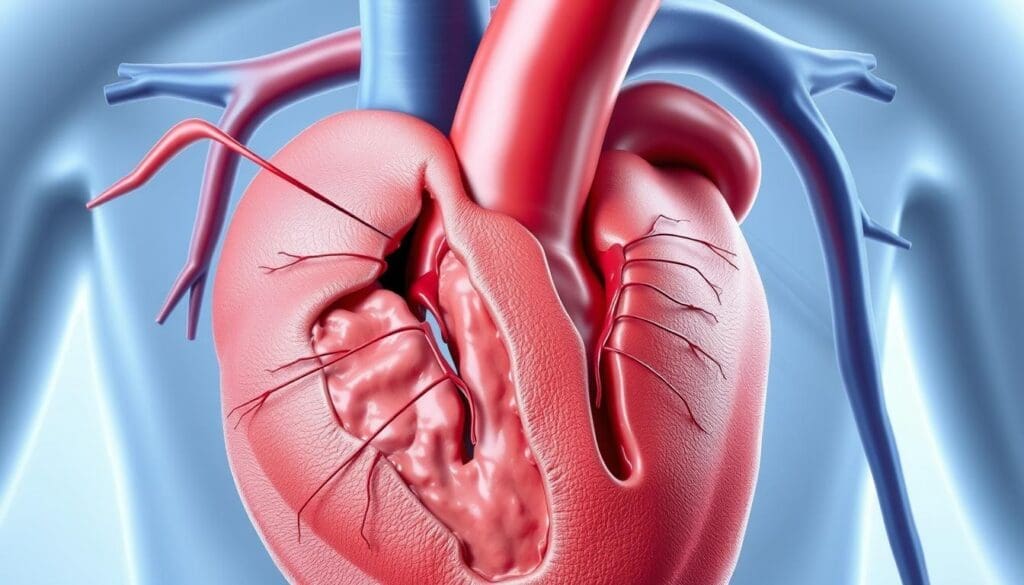
Coronary ischemia happens when the heart doesn’t get enough blood. This can damage the heart tissue. It occurs when the heart’s blood supply is blocked or narrowed.
The Process of Reduced Blood Flow to the Heart Muscle
The heart needs oxygen-rich blood to work right. If the coronary arteries are blocked, the heart doesn’t get enough oxygen. This leads to ischemia.
Many things can cause this, like atherosclerosis, blood clots, or spasms in the arteries. When you’re active or stressed, your heart needs more oxygen. If it can’t get it, the ischemia gets worse.
Oxygen Deprivation and Its Effects on Cardiac Tissue
Lack of oxygen, or hypoxia, can harm the heart tissue a lot. Without enough oxygen, the heart can’t work right, causing chest pain or angina. If this goes on, it can cause a heart attack, where the heart muscle is permanently damaged.
The damage from not enough oxygen can happen fast and be very serious. It’s very important to get medical help quickly to avoid lasting harm.
Acute vs. Chronic Coronary Ischemia
Coronary ischemia can be acute or chronic. Acute happens suddenly, often because of a blockage, and can lead to a heart attack. Chronic is a long-term problem where the heart doesn’t get enough oxygen.
It’s key to know the difference between acute and chronic coronary ischemia. Acute needs quick medical help. Chronic might need ongoing care to keep the heart healthy.
Coronary Heart Disease: A Detailed Look
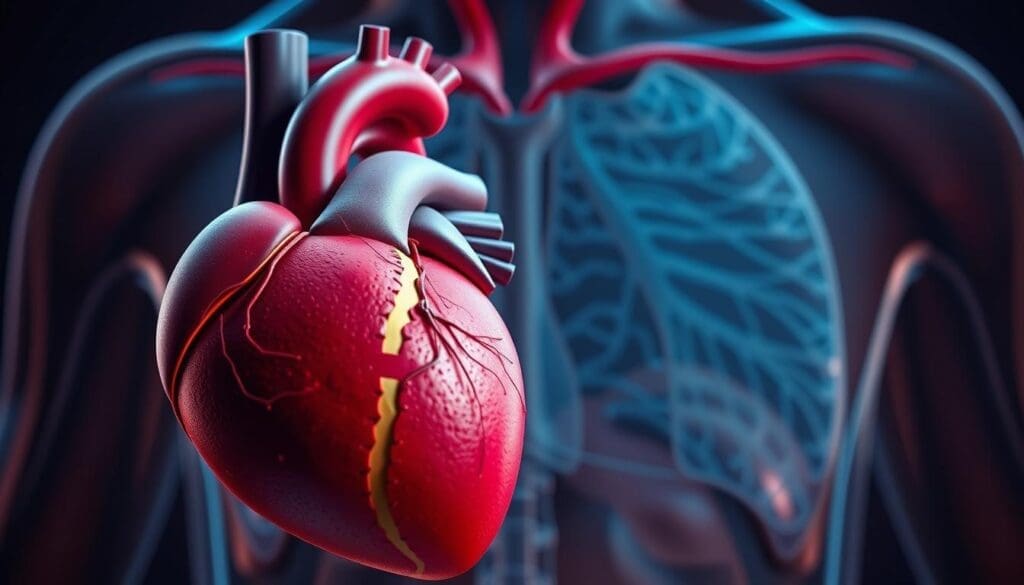
Coronary heart disease, also known as coronary artery disease, affects the heart’s blood supply. It’s a major cause of illness and death worldwide. We’ll dive into CHD, including its definition, the range of coronary artery disease, and related terms.
What Is Coronary Heart Disease (CHD)?
CHD happens when the heart’s blood supply arteries narrow or block. This is due to a buildup of plaque, made of fat, cholesterol, and more, on artery walls. This reduces blood flow to the heart, leading to angina, heart attack, or other serious issues.
The terms CHD, coronary artery disease (CAD), and ischemic heart disease are often mixed up. But they each have their own meaning. Knowing these terms is key for doctors and patients to manage the disease well.
The Spectrum of Coronary Artery Disease
Coronary artery disease covers a range of issues with the heart’s arteries. Mild narrowing might not cause symptoms. But a complete blockage can lead to a myocardial infarction or heart attack.
CAD can progress slowly or suddenly. Its impact varies based on the blockage size, other health issues, and overall heart health.
Terminology Clarification: CHD, CAD, and Ischemic Heart Disease
The terms CHD, CAD, and ischemic heart disease are often confused. But they each have a specific meaning.
- Coronary Heart Disease (CHD): Focuses on the disease affecting the coronary arteries.
- Coronary Artery Disease (CAD): Highlights the role of the coronary arteries in the disease.
- Ischemic Heart Disease: Concerns the reduced blood flow to the heart muscle, causing ischemia.
| Term | Description | Focus |
|---|---|---|
| Coronary Heart Disease (CHD) | Disease process affecting the coronary arteries | Disease process |
| Coronary Artery Disease (CAD) | Involvement of the coronary arteries | Arterial involvement |
| Ischemic Heart Disease | Reduced blood flow to the heart muscle | Consequence of disease |
It’s important to understand these differences for correct diagnosis and treatment. While related, each term highlights a unique aspect of the condition.
The Relationship Between Coronary Ischemia and Heart Disease
It’s important to understand how coronary ischemia and heart disease are connected. Coronary ischemia is when the heart doesn’t get enough blood. This is a big step towards heart disease.
Coronary ischemia happens when the heart’s blood supply is cut off. This is due to narrowed or blocked coronary arteries. Without enough oxygen, the heart muscle suffers damage. This damage can lead to heart disease over time.
How Coronary Ischemia Leads to Heart Disease
When the heart doesn’t get enough oxygen, it can’t work right. This can cause several problems, including:
- Angina: Pain or discomfort in the chest due to reduced blood flow.
- Myocardial Infarction: Also known as a heart attack, it happens when a part of the heart doesn’t get enough blood.
- Heart Failure: When the heart can’t pump enough blood for the body’s needs.
Coronary ischemia can cause these serious issues. It can also slowly damage the heart muscle. This damage is a big part of how heart disease progresses.
The Progressive Nature of Coronary Artery Obstruction
Coronary artery obstruction gets worse over time. It’s caused by plaque buildup in the arteries. As plaque grows, the arteries narrow, reducing blood flow.
Many things can make this problem worse, including:
- Atherosclerosis: The buildup of plaque in the arteries.
- Inflammation: The body’s response to injury or infection, which can make plaque worse.
- Lifestyle Factors: Smoking, diet, and exercise level can all affect how fast the disease progresses.
Arterial heart disease and heart artery disease are the same thing. They both come from atherosclerosis and obstruction. Knowing this helps us manage and prevent heart disease.
By spotting the signs of coronary ischemia early, we can stop heart disease from getting worse. We can make lifestyle changes and use medicine to control risk factors.
Atherosclerosis: The Primary Cause of Coronary Heart Disease
Atherosclerosis is when plaque builds up in artery walls, causing coronary heart disease. This buildup includes fatty deposits, cholesterol, and other substances. It makes the arteries hard and narrow.
Plaque Formation and Arterial Narrowing
The first step in plaque formation is damage to the artery lining. This damage lets lipids, like LDL cholesterol, get into the artery wall. Over time, these lipids and inflammatory cells form atherosclerotic plaques.
As plaques grow, they narrow the artery. This reduces blood flow to the heart muscle. It can cause heart muscle ischemia, worse during exercise.
Inflammation and Endothelial Dysfunction
Inflammation is key in atherosclerosis development. Inflammatory cells in the plaque make it unstable and increase rupture risk. Endothelial dysfunction also plays a big role, as it affects the artery’s ability to stay healthy.
Research shows inflammation starts early in coronary heart disease. It begins before symptoms appear, leading to more severe atherosclerosis.
Vulnerable Plaque and Rupture Risk
Not all plaques are the same. Some are more likely to rupture. Vulnerable plaques have a thin cap, a big lipid core, and lots of inflammation. When they rupture, they can cause blood clots and heart attacks.
Knowing what makes a plaque vulnerable is important. It helps us find and manage high-risk individuals. We’re learning more about how to spot and handle these plaques to prevent heart attacks.
Recognizing the Symptoms of Coronary Heart Disease
Spotting coronary heart disease symptoms early can greatly help patients. We’ll look at the signs that show CHD might be present. This includes both common symptoms and those that are less obvious.
Classic Symptoms: Angina and Chest Discomfort
Angina is a key sign of coronary heart disease. It’s chest pain or discomfort from less blood flow to the heart. Angina feels like pressure or squeezing in the chest, and can spread to the arms, back, neck, jaw, or stomach.
Angina is more like discomfort than pain. It can start with physical activity or stress. It usually goes away with rest or medicine.
“Angina is a warning sign that the heart is not getting enough oxygen-rich blood. It’s a signal that you should not ignore.”
Silent Ischemia: When CHD Presents Without Symptoms
Some people with coronary heart disease don’t show symptoms until it’s too late. This is called silent ischemia. They might have serious heart artery disease without feeling any pain or discomfort.
Silent ischemia is dangerous because it can be missed until a heart attack happens.
| Characteristics | Classic Angina | Silent Ischemia |
|---|---|---|
| Symptoms | Chest pain or discomfort | No noticeable symptoms |
| Triggers | Physical exertion, emotional stress | Variable, may not be triggered by typical factors |
| Risk | May lead to heart attack if not managed | Higher risk due to lack of awareness |
Warning Signs That Require Immediate Medical Attention
Certain symptoms need quick medical help. They might mean a heart attack or serious heart problems. These include:
- Severe chest pain or pressure that lasts more than a few minutes
- Shortness of breath
- Pain or discomfort in one or both arms, the back, neck, jaw, or stomach
- Lightheadedness or dizziness
- Cold sweats
- Nausea or vomiting
If you or someone you know has these symptoms, get emergency medical care right away.
It’s key to know the symptoms of coronary heart disease and when to get medical help. Early action and treatment can greatly help manage CHD and prevent serious problems.
Risk Factors for Developing Coronary Heart Disease
Coronary heart disease is caused by many risk factors. We can manage and prevent these factors. Knowing them is key to fighting the disease.
Non-Modifiable Risk Factors
Some risk factors can’t be changed. These include:
- Age: The risk goes up after 45 for men and 55 for women.
- Gender: Men face higher risks, but women’s risks rise after menopause.
- Family History: A family history of heart disease increases your risk.
- Genetic Predisposition: Some genes make you more likely to get heart disease.
Modifiable Risk Factors
Many risk factors can be changed. These include:
- Smoking: Quitting can greatly lower your risk.
- High Blood Pressure: Managing it with lifestyle and meds can help.
- High Cholesterol: High LDL and low HDL cholesterol are risks.
- Diabetes: Keeping blood sugar in check is vital.
- Obesity and Physical Inactivity: Being overweight and inactive are risks.
Emerging Risk Factors
New research has found more risk factors. These include:
- Inflammatory Markers: High CRP levels are linked to higher risks.
- Psychosocial Stress: Chronic stress and certain traits may increase risk.
- Air Pollution Exposure: Poor air quality raises cardiovascular disease risk.
By tackling both changeable and unchangeable risk factors, we can fight coronary heart disease better.
Diagnosis and Assessment of Coronary Heart Disease
We use many methods to check for coronary heart disease. Finding out if someone has CHD involves looking at their medical history and doing tests.
Non-Invasive Diagnostic Tests
First, we try non-invasive tests to see if someone has CHD. These tests are:
- Electrocardiogram (ECG): It shows how the heart’s electrical system works.
- Stress Test: This test checks how well the heart works when stressed.
- Echocardiogram: It uses sound waves to make pictures of the heart.
- Coronary Calcium Scan: This scan finds calcium in the heart’s arteries.
Invasive Diagnostic Procedures
If non-invasive tests don’t give clear answers, we might need to do more. These include:
- Coronary Angiography: It uses dye to see if there are blockages in the arteries.
- Cardiac Catheterization: This lets us measure the heart’s pressures.
Risk Stratification and Prognosis Assessment
After finding out if someone has CHD, we look at their risk. We check things like:
- Left Ventricular Function: This checks how well the heart pumps.
- Extent of Coronary Artery Disease: We see how many arteries are affected.
- Presence of Comorbidities: We look at other health issues that might affect CHD treatment.
By accurately diagnosing and assessing CHD, we can create treatment plans that help patients.
Treatment Approaches for Coronary Heart Disease
Coronary heart disease (CHD) treatment is a mix of lifestyle changes, medicines, and surgeries. We’ll dive into each part to see how they help manage CHD.
Lifestyle Modifications
Changing your lifestyle is key in fighting CHD. This means eating right, moving more, quitting smoking, and handling stress well.
Dietary Changes: Eat lots of fruits, veggies, whole grains, and lean meats. Cut down on bad fats and cholesterol.
Physical Activity: Exercise boosts heart health, helps with weight, and lowers stress. Aim for 150 minutes of moderate exercise weekly.
Pharmacological Interventions
Medicines are vital in CHD care. They help control symptoms, slow disease growth, and lower risk of serious problems.
- Antiplatelet Agents: These stop blood clots, cutting down heart attack risk.
- Statins: Statins cut LDL cholesterol, slowing artery plaque.
- Beta-blockers: Beta-blockers ease heart work, lower blood pressure, and heart rate.
Revascularization Procedures
For some, lifestyle changes and meds aren’t enough. They might need surgeries to get blood flowing to the heart again.
| Procedure | Description | Benefits |
|---|---|---|
| Angioplasty and Stenting | A small, non-invasive procedure to widen arteries and keep them open with a stent. | Improves blood flow, eases symptoms |
| Coronary Artery Bypass Grafting (CABG) | A surgery to bypass blocked arteries with a graft. | Boosts blood flow, lowers heart attack risk |
Every patient is different, and treatment choices depend on many factors. These include CHD severity, overall health, and personal wishes.
Epidemiology: How Many People Have Coronary Heart Disease?
Coronary heart disease (CHD) is a big health problem worldwide. It affects millions of people. Knowing how common it is helps us fight it better.
Global Prevalence and Incidence Rates
CHD is a major killer globally. The World Health Organization (WHO) says it causes over 7 million deaths each year. It’s a big problem in many countries.
More men than women get CHD, but the gap gets smaller with age. Some ethnic groups, like South Asians, are at higher risk.
Demographic Patterns in the United States
In the US, CHD is a big worry for health officials. The CDC says about 17.6 million adults have it. Over 360,000 die from it every year.
CHD hits older people hard. It also affects different groups in different ways. Non-Hispanic whites have more cases, but rates are rising in Hispanics and African Americans.
Conclusion: Living With and Preventing Coronary Heart Disease
Understanding coronary heart disease (CHD) is key to preventing and managing it. We’ve covered its definition, how it works, and the risks involved.
Living with CHD means making big lifestyle changes. This includes diet, exercise, and sometimes medicine. Preventing CHD means tackling risks like high blood pressure and diabetes with diet and exercise.
Managing CHD well means keeping an eye on your health and taking steps to avoid problems. By focusing on heart health, you can lower your risk of CHD and live better.
We stress the need for prevention and management in heart health. With the right habits and medical care, we can stop CHD before it starts and help those with it.
What is coronary heart disease?
Coronary heart disease (CHD) is when the heart’s blood supply gets cut off. This happens because the arteries that carry blood to the heart get blocked. This blockage is usually due to a buildup of plaque.
What is the difference between coronary heart disease and coronary artery disease?
People often mix up coronary heart disease (CHD) and coronary artery disease (CAD). CAD is when the arteries get blocked. CHD is what happens when this blockage cuts off blood to the heart, causing damage.
What are the symptoms of coronary heart disease?
Symptoms of CHD include chest pain or discomfort, shortness of breath, and feeling tired. You might also feel pain in your arms, back, neck, jaw, or stomach. Some people don’t show any symptoms at all.
What are the risk factors for developing coronary heart disease?
Risk factors for CHD include things you can’t change like age and family history. But you can change things like high blood pressure, high cholesterol, smoking, diabetes, and being overweight. New risk factors include inflammation and certain genes.
How is coronary heart disease diagnosed?
Doctors use several ways to find CHD. They look at your medical history and do a physical check-up. They might use an ECG, stress tests, and imaging like echocardiography. They might also do a coronary angiography.
What are the treatment options for coronary heart disease?
To treat CHD, doctors suggest lifestyle changes like eating right and exercising. They might also prescribe medicine like statins and beta-blockers. Sometimes, they need to do procedures like angioplasty or CABG.
Can coronary heart disease be prevented?
Yes, you can prevent or manage CHD. Keep your risk factors in check, eat well, exercise, don’t smoke, and manage health conditions like high blood pressure and diabetes.
How many people have coronary heart disease?
CHD affects millions worldwide, making it a big health problem. The number of people with CHD varies by where they live and who they are.
What does CHD mean?
CHD stands for coronary heart disease. It’s when the heart’s blood supply gets blocked, harming the heart muscle.
What is the definition of coronary artery disease?
Coronary artery disease is when the arteries get blocked. This blockage cuts off blood to the heart muscle.
What is ischemic heart disease?
Ischemic heart disease is another name for CHD. It’s when the heart doesn’t get enough oxygen and nutrients because of reduced blood flow.
Reference:
- “Ischemic Heart Disease – Cardiovascular Disability” – NCBI Bookshelf.https://www.ncbi.nlm.nih.gov/books/NBK209964/ (NCBI)
- “Coronary Artery Disease” – StatPearls / NCBI Bookshelf.https://www.ncbi.nlm.nih.gov/books/NBK564304/ (NCBI)
- “Ischaemic Heart Disease Pathophysiology Paradigms Overview” – MDPI.https://www.mdpi.com/1422-0067/21/21/8118 (MDPI)
- “Coronary Heart Disease (CHD) – NHS UK” — What is CHD & causes.https://www.nhs.uk/conditions/coronary-heart-disease/ (nhs.uk)
“Ischemic Heart Disease and Heart Failure: Role of coronary ion channels, microvascular dysfunction”. MDPI article.https://www.mdpi.com/1422-0067/21/9/3167 (MDPI)



 Departments
 Related Videos
 Our Doctors
 News
News