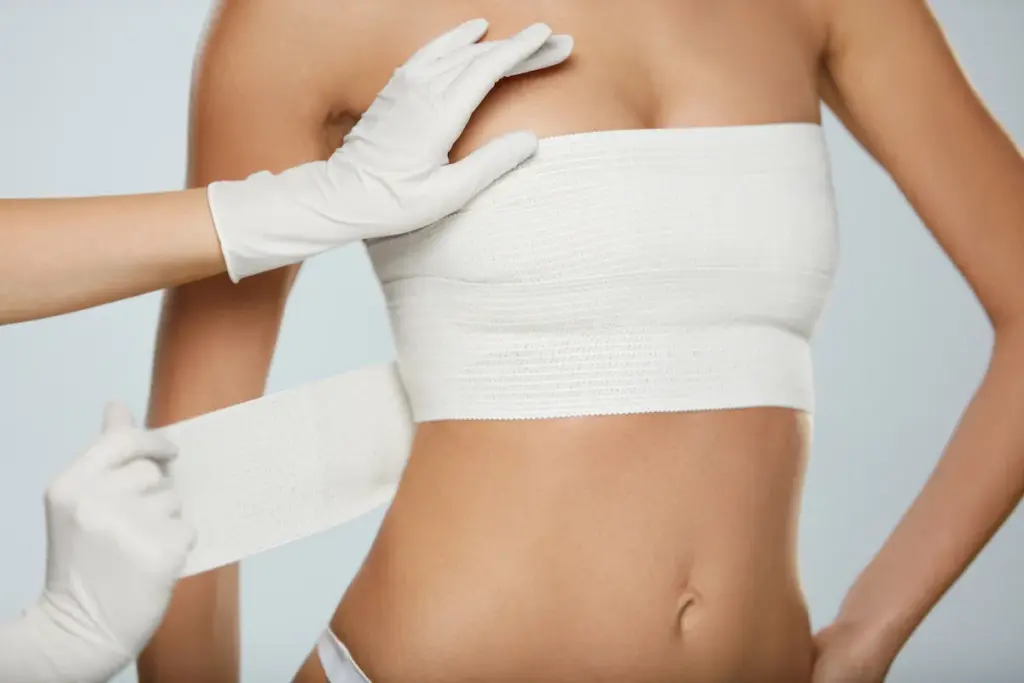
Breast reconstruction after mastectomy is a big step in recovery for many women. DIEP flap breast reconstruction is a detailed microsurgical method. It uses tissue from the lower abdomen to rebuild the breast and also makes the abdomen flatter, like a tummy tuck.
We are dedicated to top-notch healthcare and support for our international patients. Our team helps you through every part of the DIEP flap reconstruction surgery. This method is popular because it gives natural-looking results and makes patients very happy.
Key Takeaways
- DIEP flap surgery uses tissue from the lower abdomen to reconstruct the breast.
- It offers a natural alternative to implant-based reconstruction.
- The procedure involves microsurgical transfer of skin, fat, and blood vessels.
- Patients can benefit from a flatter abdomen, similar to a tummy tuck.
- Our team provides complete support throughout the reconstruction process.
Understanding DIEP Flap Breast Reconstruction
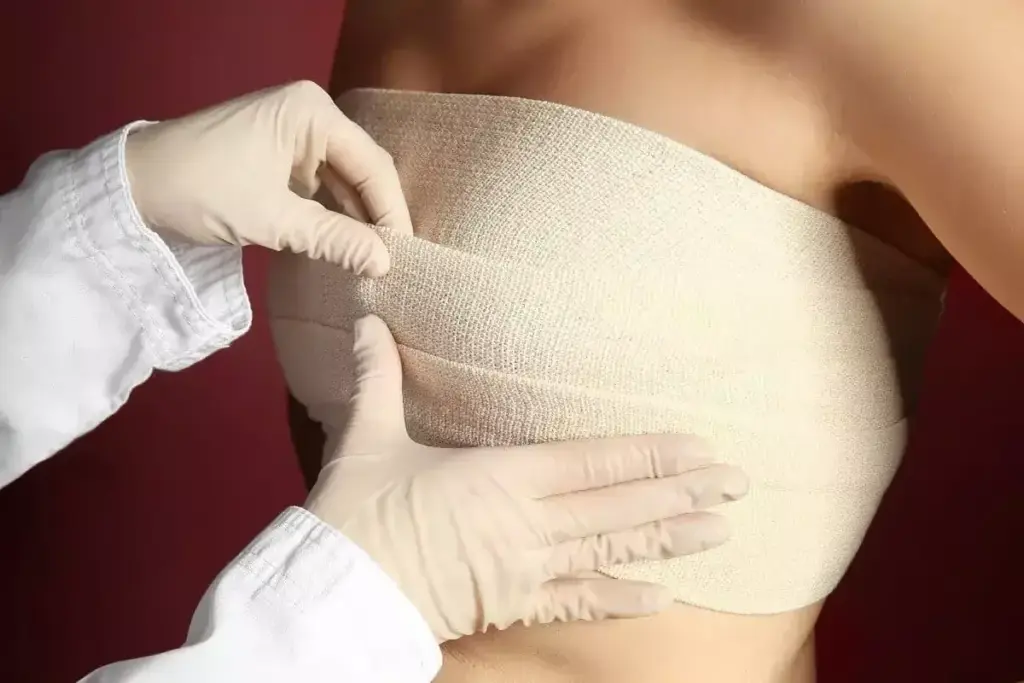
The DIEP flap procedure is a complex yet effective way to rebuild the breast after mastectomy. It uses the patient’s own tissue. This method moves skin, fat, and blood vessels from the abdomen to the chest. There, microsurgery reconnects the blood vessels to restore blood flow.
Definition and Basic Principles
DIEP flap breast reconstruction uses the patient’s abdominal tissue to make a new breast. It relies on microsurgery to connect blood vessels. This method is valued for creating a natural-looking and feeling breast without implants.
“The DIEP flap procedure represents a significant advancement in the field of breast reconstruction, providing a natural and sustainable solution.” –
Expert Opinion
Advantages Over Traditional Reconstruction Methods
DIEP flap surgery has many benefits over traditional methods, like using implants. The main advantages are:
- A more natural look and feel of the breast
- Long-term durability, reducing the need for future surgeries
- The added benefit of a flatter and tighter abdomen from the tissue transfer
Using the patient’s own tissue avoids implant-related risks. This makes DIEP flap reconstruction a popular choice for many.
| Reconstruction Method | Natural Look/Feel | Long-term Durability | Additional Benefits |
| DIEP Flap | High | High | Abdominal contouring |
| Implant-based | Variable | Moderate | None |
Ideal Candidates for DIEP Flap Reconstruction
Choosing DIEP flap reconstruction depends on several factors. These include overall health, enough abdominal tissue, and personal preferences. Patients who have had mastectomy and want a natural look often choose DIEP flap.
We carefully consider each patient’s needs and situation. This ensures they get the best care for their unique case.
The DIEP Surgery Procedure and Success Rates
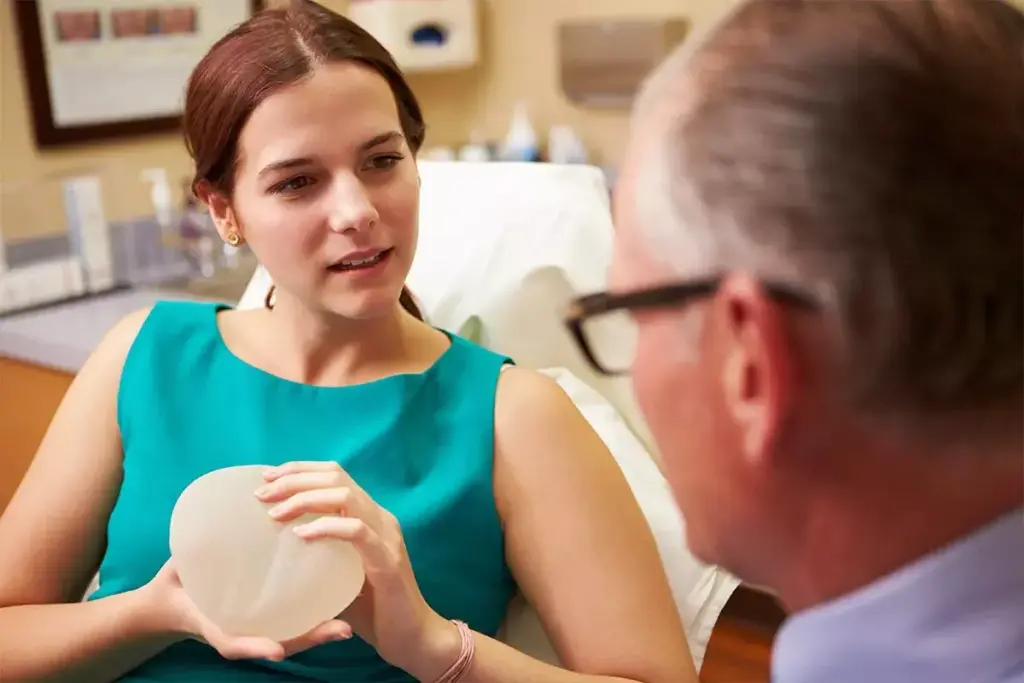
DIEP flap surgery is a detailed and rewarding process. It needs careful planning and precision for the best results. We know that breast reconstruction can be scary, so we’re here to help you feel ready for the surgery.
Pre-Surgical Planning and Preparation
The journey to successful DIEP flap surgery starts with detailed planning. Our surgeons work with you to understand your needs and what you want. They use advanced imaging to plan the surgery carefully. This is key to finding the best approach for your body and getting the results you want.
Key aspects of pre-surgical planning include:
- Detailed consultation to understand patient needs and expectations
- Advanced imaging to map the abdominal blood vessels and tissue
- Surgical simulation to predict outcomes and plan the procedure
The Microsurgical Technique
The DIEP flap procedure involves making an incision in the lower abdomen. It removes a flap of tissue that includes skin, fat, and blood vessels. This tissue is then moved to the chest to create one or two new breasts.
The surgeon connects the tiny blood vessels in the flap to the chest’s blood vessels. This microsurgery needs great precision and skill.
The microsurgical technique used in DIEP flap surgery offers several advantages, including:
- Minimal scarring due to the precise nature of the microsurgery
- Natural-looking results as the transferred tissue mimics the natural breast tissue
- High success rates due to the meticulous attachment of blood vessels
Clinical Outcomes and Statistics
The success rates for microvascular free tissue transfer, like DIEP flap surgery, are high. They range from 91 to 99 percent. A large German registry analysis found total flap loss rates as low as 2.0 percent, and partial flap loss rates were 1.1 percent.
| Outcome | Rate |
| Total Flap Loss | 2.0% |
| Partial Flap Loss | 1.1% |
| Success Rate | 91-99% |
These numbers show how effective and reliable DIEP flap surgery is for breast reconstruction. Our team is dedicated to getting the best results for our patients. We use the latest techniques and data to guide our practice.
Conclusion: Recovery and Long-Term Benefits of DIEP Flap Reconstruction
As you finish your DIEP flap reconstruction journey, knowing about recovery and long-term benefits is key. This surgery is complex, but with the right care, you can get great results. It takes 6 to 8 weeks to recover from DIEP flap surgery.
It’s important to keep your incisions clean, dry, and safe. Always follow your surgical team’s advice on how to care for yourself after surgery.
After surgery, you’ll be watched closely in the recovery room. They’ll check your heart rate, body temperature, blood pressure, and pain. Our team will guide you on how to care for your dressings, sutures, and drains before you go home.
We’re dedicated to giving you top-notch care and support during your recovery. This ensures the best results from your diep fla procedure.
We focus on caring for you with compassion. We help you through the recovery and enjoy the benefits of your new breast. Our expertise in diep flap surgery means we’re here to support you every step of the way.
FAQ
What is DIEP flap surgery?
DIEP flap surgery is a complex method for rebuilding a breast after a mastectomy. It moves tissue from the lower abdomen to the breast area. This gives a natural and lasting look.
What are the benefits of DIEP flap breast reconstruction?
This surgery not only rebuilds the breast but also makes the abdomen flatter, like a tummy tuck. It boosts confidence and well-being, making it a natural and lasting solution.
Am I an ideal candidate for DIEP flap reconstruction?
If you’ve had a mastectomy and have enough tissue in your lower abdomen, you might be a good candidate. Our experts will check if you’re a good fit for this procedure.
What is the DIEP surgery procedure like?
The DIEP surgery is a detailed process that needs careful planning and precision. It uses microsurgery to move tissue from the abdomen to the breast, creating a new breast.
What are the clinical outcomes and success rates of DIEP flap surgery?
Studies show DIEP flap surgery is very successful, with natural and lasting results. Our team will share success rates and what you can expect.
What is the recovery process like after DIEP flap reconstruction?
Recovering from DIEP flap surgery needs careful guidance and support. Our team is dedicated to helping you through your recovery, ensuring the best results.
What are the long-term benefits of DIEP flap reconstruction?
Long-term benefits include a natural breast, a flatter abdomen, and increased confidence and well-being. Our team will help you enjoy these benefits.
How does DIEP flap compare to traditional reconstruction methods?
DIEP flap offers a more natural look, less risk of implant problems, and a flatter abdomen compared to traditional methods.
What is involved in pre-surgical planning for DIEP flap surgery?
Pre-surgery planning for DIEP flap involves a detailed evaluation and preparation for the best results. Our team will guide you, using the latest techniques.
Can I undergo bilateral DIEP flap reconstruction?
Yes, you can have both breasts rebuilt using tissue from the lower abdomen. Our experts will check if this is right for you.
How does DIEP flap reconstruction affect the abdomen?
The surgery moves tissue from the lower abdomen, making it flatter, like a tummy tuck. This adds an extra beauty benefit to the breast reconstruction.
Reference
National Center for Biotechnology Information. Evidence-Based Medical Guidance. Retrieved from https://pmc.ncbi.nlm.nih.gov/articles/PMC9845050/