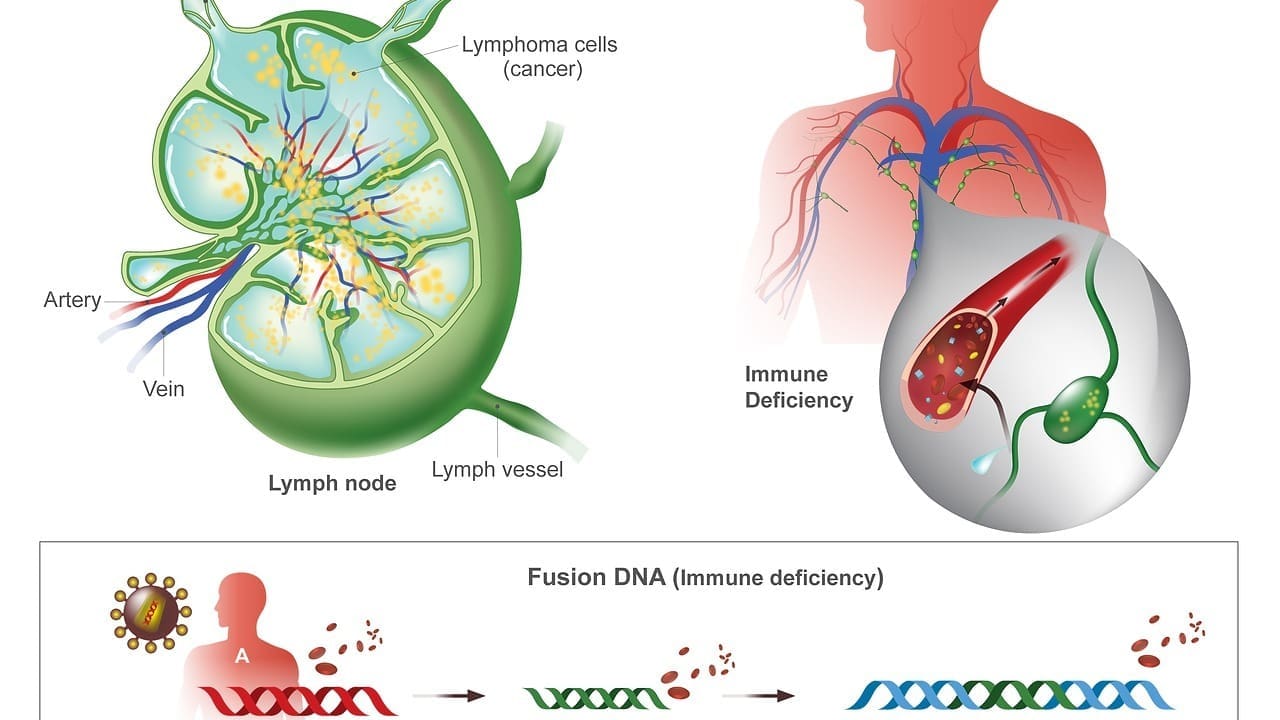
Diffuse large B-cell lymphoma (DLBCL) is a cancer that attacks the immune system. It grows fast, making it the most common aggressive non-Hodgkin lymphoma. Getting a DLBCL diagnosis can feel scary, but with the right care, many people get better.
At Liv Hospital, we have a team ready to help with the latest treatments. We know DLBCL affects everyone differently. Our care is focused on you, using the newest treatments like targeted therapies.
Key Takeaways
- DLBCL is the most common aggressive type of non-Hodgkin lymphoma.
- It is characterized by rapidly proliferating malignant B-cells.
- Timely and expert care can lead to remission for many patients.
- Liv Hospital offers a multidisciplinary team and the latest treatment protocols.
- Targeted therapies are among the latest medical advancements in DLBCL treatment.
Understanding DLBCL Disease: Definition and Classification
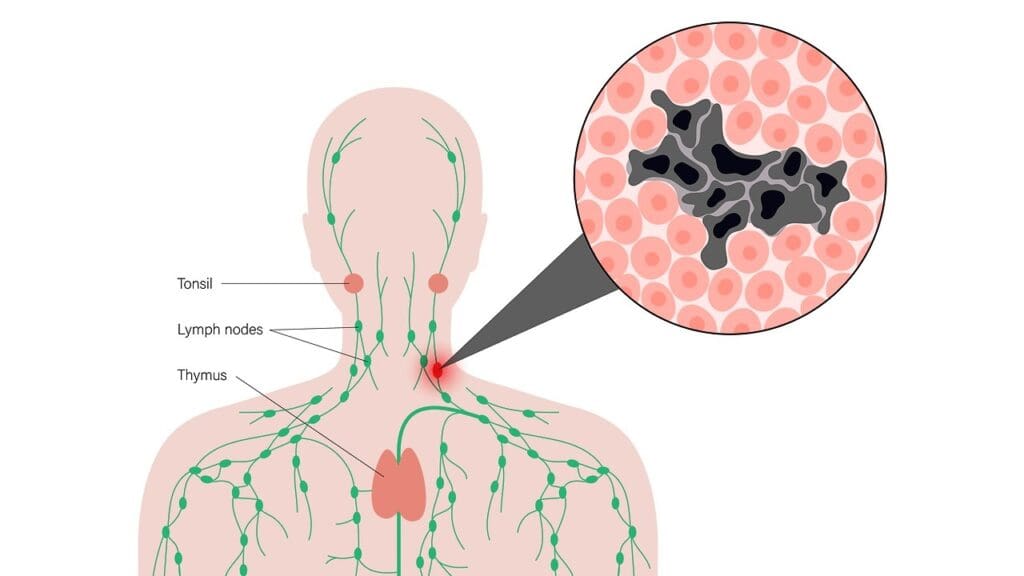
Diffuse Large B-Cell Lymphoma, or DLBCL, is a fast-growing type of non-Hodgkin lymphoma. It’s the most common subtype, making up about 30% of all lymphoma cases globally.
We will explore the definition and classification of DLBCL. We’ll look at its unique features and how malignant B-cells develop.
What Makes DLBCL Different from Other Lymphomas
DLBCL stands out because of its aggressive nature and large B-cells. The disease is clinically diverse, with over a dozen recognized subtypes. Each subtype has its own treatment outcomes and responses.
The variety in DLBCL subtypes shows why accurate diagnosis and classification are key.
The Origin and Development of Malignant B-Cells
Malignant B-cells in DLBCL come from the germinal centers of lymphoid follicles. The transformation into malignant cells involves complex genetic changes. These changes lead to uncontrolled cell growth and survival.
Knowing how these cells develop is vital for creating targeted therapies.
By understanding DLBCL’s definition, classification, and what sets it apart from other lymphomas, we can better grasp its complexity.
The development of malignant B-cells and DLBCL’s clinical diversity emphasize the need for personalized treatments.
Epidemiology and Risk Factors of DLBCL
Understanding DLBCL’s spread is key to finding treatments. We’ll look at how common it is and who’s most at risk.
Incidence and Prevalence Statistics
DLBCL is the top type of non-Hodgkin lymphoma, making up 30% of cases. It hits about 6 people per 100,000 in the U.S. each year. Rates differ around the world, with Western countries seeing more cases.
| Region | Incidence Rate (per 100,000) |
|---|---|
| North America | 6-7 |
| Europe | 5-6 |
| Asia | 3-4 |
DLBCL mostly strikes people aged 60 to 70. Men are slightly more likely to get it than women, showing a gender gap.
Who Is at Risk for Developing DLBCL
Several things raise the risk of getting DLBCL. These include:
- Age: Risk grows with age, more so after 60.
- Immunosuppression: People with weak immune systems, like those with HIV/AIDS, face higher risks.
- Genetic Predisposition: Having a family history of lymphoma can up your risk.
- Environmental Factors: Exposure to certain chemicals and pesticides can also increase risk.
Experts say, “Genetic and environmental factors mix to create DLBCL’s complex causes.”
“Knowing these risk factors is key for early detection and prevention.”
We keep studying DLBCL to grasp its causes better. By pinpointing high-risk groups, we aim to improve DLBCL patient outcomes.
The Molecular Biology Behind DLBCL
The molecular traits of DLBCL are key to its aggressiveness and how well treatments work. Thanks to molecular profiling, we now know more about DLBCL’s biology. This knowledge helps us tailor treatments to each patient.
Genetic Alterations in DLBCL
DLBCL has many genetic changes that affect how the disease progresses and how it responds to treatment. These changes include mutations in genes that control cell growth, death, and how the immune system works. For example, MYC and BCL2 gene rearrangements are common and tell us a lot about the disease’s outlook.
Genetic studies have also found different types of DLBCL based on specific mutations. These types have different outcomes and might need different treatments. Knowing about these genetic changes is key to finding effective treatments.
Cell of Origin Classification
The cell of origin classification is another important part of DLBCL’s molecular biology. It groups DLBCL into subtypes based on where the cancer started. These subtypes, like germinal center B-cell-like (GCB) and activated B-cell-like (ABC) DLBCL, have unique molecular profiles and behaviors.
The GCB subtype usually has a better outlook than the ABC subtype. But both can be aggressive and need quick treatment. Knowing the subtype helps doctors choose the best treatment, improving patient results.
We’re always learning more about DLBCL’s molecular biology. This knowledge is being used in treatments. Molecular profiling is becoming more important in deciding how to treat DLBCL patients.
Clinical Subtypes of DLBCL and Their Significance
DLBCL has over a dozen subtypes, each affecting treatment and patient outcomes. This variety shows why knowing the subtype is key for managing the disease well.
Major DLBCL Subtypes
There are several main subtypes of DLBCL, including:
- Germinal Center B-Cell-like (GCB) DLBCL: Has a better prognosis.
- Activated B-Cell-like (ABC) DLBCL: Has a worse prognosis and is more aggressive.
- Primary Mediastinal B-Cell Lymphoma (PMBL): Has unique features.
These subtypes vary in their genetic and molecular makeup. This affects how they behave and respond to treatment.
How Subtypes Affect Prognosis and Treatment
The DLBCL subtype greatly impacts both prognosis and treatment. For example, GCB DLBCL patients usually do better than ABC DLBCL patients. Knowing the subtype helps doctors choose the right treatment.
| DLBCL Subtype | Prognosis | Typical Treatment Approach |
|---|---|---|
| GCB DLBCL | Favorable | R-CHOP or similar chemoimmunotherapy regimens |
| ABC DLBCL | Poor | Intensive chemoimmunotherapy, potentially followed by targeted therapies |
| PMBL | Generally favorable | DA-EPOCH-R or other dose-adjusted regimens |
As we learn more about DLBCL subtypes, we’re moving towards more tailored treatments. This will help patients with this complex disease more effectively.
How DLBCL Disease Affects the Lymphatic System
It’s important to know how DLBCL impacts the lymphatic system for diagnosis and treatment. The lymphatic system fights off infections and diseases. DLBCL, a type of non-Hodgkin lymphoma, harms this system a lot.
Lymph Node Involvement and Presentation
Lymph nodes are a key sign of DLBCL. Patients often notice painless, fast-growing lumps in the neck, armpit, or groin. These lumps happen when cancer cells build up in the lymph nodes.
The way lymph nodes show up can differ. Sometimes, big lymph nodes can press on nearby areas. For example, lymph nodes in the chest might block the airway or big blood vessels. This can cause breathing or blood flow problems.
Impact on Immune Function
DLBCL doesn’t just affect lymph nodes; it also weakens the immune system. It messes with how the body makes antibodies and immune cells. This makes patients more likely to get infections.
These infections can be serious and even deadly. The weakened immune system also makes it harder for the body to fight the lymphoma. This can make treatments less effective and affect how well patients do.
Understanding DLBCL’s effect on the lymphatic system is key to good treatment plans. Knowing how it impacts lymph nodes and the immune system helps doctors improve care and outcomes for patients.
Extranodal Manifestations: When DLBCL Spreads Beyond Lymph Nodes
DLBCL can spread to different parts of the body, not just the lymph nodes. This can change how the disease is diagnosed and treated.
Gastrointestinal Involvement
Gastrointestinal issues are common in DLBCL. Symptoms include stomach pain, weight loss, and even bleeding. Prompt diagnosis is key to manage these problems well.
We suggest a detailed check-up, including endoscopy and imaging, to spot gastrointestinal DLBCL.
Central Nervous System DLBCL
CNS involvement by DLBCL is a serious issue that needs quick action. It can show up as primary CNS lymphoma or as a spread from elsewhere. Symptoms include neurological problems, headaches, and changes in mental state.
Early detection and treatment are essential to better outcomes. For more on how lymphoma affects organs, visit LivHospital.
Skin, Bone, and Other Organ Involvement
DLBCL can also affect the skin, bones, and other organs. Skin issues might look like nodules or ulcers. Bone problems can cause pain or fractures.
Other organs like the testes, breast, or liver can also get involved. A detailed diagnostic check is needed to see how far the disease has spread and to plan the right treatment.
In summary, DLBCL’s spread to other parts of the body adds complexity to diagnosis and treatment. It’s vital for healthcare providers to understand these aspects to give the best care to patients with DLBCL.
Recognizing DLBCL Symptoms: From Local to Systemic
DLBCL symptoms vary widely. They can range from swollen lymph nodes to fever and weight loss. Spotting these signs early is key for a quick diagnosis and treatment.
Classic Lymph Node Symptoms
DLBCL often causes lymph nodes to swell. This can happen in the neck, armpits, or groin. These swollen nodes are usually painless and grow fast. It’s important to catch lymph node swelling early to diagnose DLBCL.
Understanding B Symptoms: Fever, Night Sweats, and Weight Loss
About one-third of DLBCL patients have ‘B symptoms.’ These include fever, night sweats, and unexplained weight loss. B symptoms show the disease is advanced and can really affect a patient’s life.
- Fever: A high body temperature, often without an infection.
- Night Sweats: Sweating a lot at night, which can mess up sleep.
- Weight Loss: Losing weight without trying, which can happen fast.
Organ-Specific Symptoms
DLBCL can affect many organs, not just lymph nodes. For example, it might cause stomach pain or changes in bowel habits. It could also lead to neurological symptoms like confusion or weakness.
It’s vital for doctors to know about these symptoms. Spotting DLBCL symptoms early can greatly help patients.
Staging and Prognosis of DLBCL
Staging DLBCL and understanding prognostic factors are key steps in managing the disease. Knowing the stage and prognosis helps guide treatment and predict outcomes.
The Ann Arbor Staging System
The Ann Arbor Staging System is commonly used for DLBCL. It divides the disease into four stages. These stages are based on lymph node involvement and symptoms.
- Stage I: Involvement of a single lymph node group or lymphoid structure.
- Stage II: Involvement of two or more lymph node groups on the same side of the diaphragm.
- Stage III: Involvement of lymph node groups on both sides of the diaphragm.
- Stage IV: Diffuse or disseminated involvement of one or more extralymphatic organs, including the bone marrow.
This system helps doctors understand how far the disease has spread. This is important for planning treatment.
Prognostic Factors and Survival Rates
Prognostic factors are important for predicting DLBCL patient survival. These include age, performance status, LDH levels, number of extranodal sites, and Ann Arbor stage.
Patients with favorable factors tend to have better survival rates. For example, younger patients with low LDH levels and limited extranodal involvement usually have a better prognosis.
The International Prognostic Index (IPI)
The International Prognostic Index (IPI) is a tool used to predict DLBCL patient prognosis. It considers age, performance status, LDH levels, number of extranodal sites, and Ann Arbor stage.
The IPI gives a score that shows the patient’s risk category and expected survival rate. This information is vital for making treatment decisions and discussing prognosis with patients.
Understanding DLBCL stage and prognosis is critical for both doctors and patients. It allows for personalized treatment plans and gives insights into expected outcomes. This improves patient care.
Diagnostic and Treatment Approaches for DLBCL
Diagnosing and treating Diffuse Large B-Cell Lymphoma (DLBCL) needs a detailed plan. This plan includes advanced tests and treatments tailored for each patient. We will look at the different ways to diagnose and treat DLBCL, focusing on the newest discoveries.
Biopsy and Advanced Diagnostic Techniques
Getting a correct DLBCL diagnosis involves a biopsy and special tests. A biopsy takes tissue samples to check for lymphoma cells. The advanced tests include:
- Immunohistochemistry (IHC): Finds specific proteins on lymphoma cells.
- Fluorescence In Situ Hybridization (FISH): Looks for genetic changes in lymphoma cells.
- Molecular Diagnostics: Uses genetic tests to find specific mutations.
These tests help doctors accurately classify DLBCL and plan the right treatment.
Standard First-Line Therapies
The usual first treatment for DLBCL is a mix of chemotherapy and immunotherapy. This mix, called R-CHOP, has greatly improved patient outcomes.
We also consider the patient’s health, age, and disease details when choosing treatment.
Treatment for Relapsed or Refractory Disease
For DLBCL that comes back or doesn’t respond to treatment, options are more complex. These may include:
- Second-line chemotherapy: Uses different chemotherapy regimens for relapse.
- Autologous Stem Cell Transplantation: Uses the patient’s stem cells for high-dose chemotherapy.
- Targeted Therapies: Drugs that target specific molecules in lymphoma cells.
These treatments aim to control or cure the disease.
Emerging Therapies and Clinical Trials
The field of DLBCL treatment is always growing, with new therapies showing promise. These include:
- CAR-T Cell Therapy: Genetically modifies T cells to attack lymphoma cells.
- Bispecific Antibodies: Molecules that bind to two targets, boosting the immune response.
- Novel Targeted Therapies: Such as ZYNLONTA, targeting specific proteins on lymphoma cells.
Joining clinical trials can offer access to these new treatments and help advance DLBCL therapy.
We are dedicated to providing the latest and most effective treatments for DLBCL. This ensures our patients get the best care possible.
Conclusion: Living with DLBCL and Future Directions
Knowing about large B-cell lymphoma is key for patients. It helps them understand their diagnosis and treatment. DLBCL is a fast-growing type of non-Hodgkin lymphoma that needs quick and effective care.
Dealing with DLBCL can be tough, both in body and mind. We focus on giving care that covers the whole patient, not just the disease.
Research and clinical trials keep getting better for DLBCL patients. The goal is to find new, targeted treatments. We aim to improve patient results and quality of life.
We’re dedicated to top-notch healthcare for all, including international patients. By leading in DLBCL research and treatment, we can really help those with this disease.
FAQ
What is Diffuse Large B-Cell Lymphoma (DLBCL)?
DLBCL is a common aggressive lymphoma. It has large B-cells that are cancerous. It can start in lymph nodes or other places.
What are the risk factors for developing DLBCL?
Genetic and environmental factors can increase your risk. Certain health conditions also play a role. Knowing these can help identify who’s at higher risk.
How is DLBCL classified and what are its subtypes?
DLBCL is classified by cell origin and genetic changes. There are two main subtypes: germinal center B-cell-like (GCB) and activated B-cell-like (ABC). Each subtype has different outcomes.
What are the symptoms of DLBCL?
Symptoms include swollen lymph nodes and systemic issues like fever and weight loss. If it spreads, it can cause organ-specific symptoms.
How is DLBCL staged and what is the significance of staging?
DLBCL is staged using the Ann Arbor System. This shows how far the disease has spread. Staging helps predict outcomes and guide treatment.
What is the International Prognostic Index (IPI) and how is it used?
The IPI predicts patient outcomes based on age, performance status, and disease spread. It helps tailor treatment plans.
What are the treatment options for DLBCL?
Treatments include R-CHOP for first-line therapy. For relapse, options are salvage chemotherapy and new therapies like CAR-T cell therapy and ZYNLONTA.
What is the significance of molecular profiling in DLBCL treatment?
Molecular profiling helps understand DLBCL’s genetic changes. It guides personalized treatments and identifies patients for targeted therapies.
Can DLBCL be cured?
Yes, many patients can be cured with current treatments. Prompt diagnosis and treatment are key. Outcomes depend on stage, subtype, and treatment response.
What are the latest advancements in DLBCL treatment?
New treatments include targeted therapies, immunotherapies, and CAR-T cell therapies. These have improved outcomes, even for those with relapsed or refractory disease.
What is Diffuse Large B-Cell Lymphoma (DLBCL)?
DLBCL is a common aggressive lymphoma. It has large B-cells that are cancerous. It can start in lymph nodes or other places.
What are the risk factors for developing DLBCL?
Genetic and environmental factors can increase your risk. Certain health conditions also play a role. Knowing these can help identify who’s at higher risk.
How is DLBCL classified and what are its subtypes?
DLBCL is classified by cell origin and genetic changes. There are two main subtypes: germinal center B-cell-like (GCB) and activated B-cell-like (ABC). Each subtype has different outcomes.
What are the symptoms of DLBCL?
Symptoms include swollen lymph nodes and systemic issues like fever and weight loss. If it spreads, it can cause organ-specific symptoms.
How is DLBCL staged and what is the significance of staging?
DLBCL is staged using the Ann Arbor System. This shows how far the disease has spread. Staging helps predict outcomes and guide treatment.
What is the International Prognostic Index (IPI) and how is it used?
The IPI predicts patient outcomes based on age, performance status, and disease spread. It helps tailor treatment plans.
What are the treatment options for DLBCL?
Treatments include R-CHOP for first-line therapy. For relapse, options are salvage chemotherapy and new therapies like CAR-T cell therapy and ZYNLONTA.
What is the significance of molecular profiling in DLBCL treatment?
Molecular profiling helps understand DLBCL’s genetic changes. It guides personalized treatments and identifies patients for targeted therapies.
Can DLBCL be cured?
Yes, many patients can be cured with current treatments. Prompt diagnosis and treatment are key. Outcomes depend on stage, subtype, and treatment response.
What are the latest advancements in DLBCL treatment?
New treatments include targeted therapies, immunotherapies, and CAR-T cell therapies. These have improved outcomes, even for those with relapsed or refractory disease.