Diffuse large B-cell lymphoma is a serious type of non-Hodgkin lymphoma. It harms the immune system. It causes abnormal B lymphocytes to grow in lymph nodes and organs, leading to aggressive tumors. At Liv Hospital, we understand the impact of this condition on patients and their families.
Studies show that the 5-year survival rates for diffuse large B-cell lymphoma patients are between 50-70%. This depends on age, stage, and molecular profile. We are dedicated to giving top-notch healthcare and support to international patients.
Key Takeaways
- Diffuse large B-cell lymphoma is an aggressive form of non-Hodgkin lymphoma.
- It affects the immune system, leading to fast-growing tumors.
- The 5-year survival rates range from 50-70% depending on several factors.
- Liv Hospital provides complete care for international patients.
- Early diagnosis and treatment are key to better survival rates.
Understanding DLBCL Cancer: Definition and Overview
DLBCL is the most common type of non-Hodgkin lymphoma. It is known for being aggressive and having unique features. We will look into what DLBCL is, its characteristics, and how it behaves.
The Most Common Type of Non-Hodgkin Lymphoma
DLBCL makes up about 30-40% of all lymphoma cases. It is aggressive and symptoms can appear quickly.
Characteristics of Aggressive B-Cell Lymphomas
DLBCL and other aggressive B-cell lymphomas grow fast. They can cause serious harm if not treated. Key traits include:
- Rapid Progression: DLBCL can grow quickly, making early diagnosis and treatment key.
- B Symptoms: Patients may have fever, night sweats, and weight loss, showing a severe disease.
- Lymph Node Involvement: DLBCL often affects lymph nodes, causing them to swell and hurt.
By spotting DLBCL’s signs and symptoms, doctors can start the right treatment. This helps improve patient results.
Common Terminology and Abbreviations in DLBCL

It’s important for patients to understand the terms related to DLBCL. The medical world uses many terms and abbreviations. This can sometimes be confusing.
Medical Terminology Variations
DLBCL is known by several names, like DLCBL, DCBCL, DBLCL, and DLBLC. These names come from different ways of spelling or arranging the full term: Diffuse Large B-Cell Lymphoma. They all point to the same condition, which is large, cancerous B cells.
- DLCBL: A common abbreviation, sometimes used interchangeably with DLBCL.
- DCBCL: Another variation, maintaining the core elements of the full term.
- DBLCL and DLBLC: Less common variations, but they also refer to the same lymphoma type.
Layman’s Terms: Big B Cell Lymphoma and Large B Lymphoma
In simpler terms, DLBCL is called Big B Cell Lymphoma or Large B Lymphoma. These names focus on the big, cancerous B cells. Using these terms helps patients understand their diagnosis better.
We know patients often look for explanations of DLBCL terms. By explaining these terms, we want to help patients. This way, they can have better talks with their doctors.
The Biology of DLBCL: What Happens at the Cellular Level
Understanding DLBCL’s cellular biology is key to knowing how it grows and spreads. This cancer is complex, involving many cellular and molecular processes.
B Lymphocytes and Their Normal Function
B lymphocytes, or B cells, are important white blood cells in our immune system. They make antibodies to fight off infections. B cells mature and are selected to fight pathogens without harming our body.
In DLBCL, B cells turn cancerous and lose control. This leads to their uncontrolled growth and build-up in lymphoid tissues.
Malignant Transformation in DLBCL
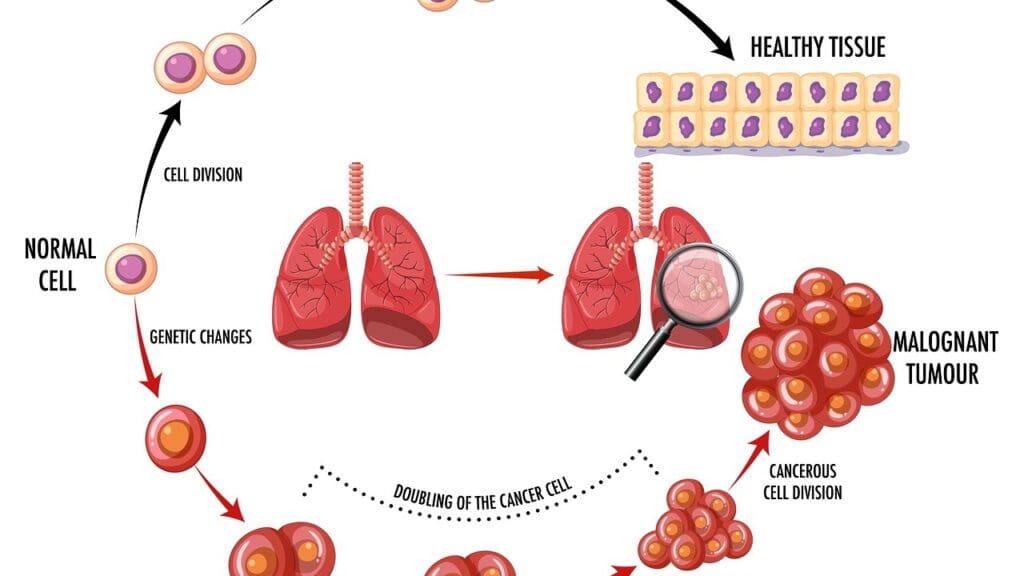
The transformation of B cells in DLBCL involves genetic changes. These changes disrupt normal cell growth and death. This lets the cancer cells grow without being stopped by the immune system.
Many genetic mutations in DLBCL affect cell growth and survival pathways. Knowing these changes is key to creating targeted treatments.
Diffuse Growth Pattern Explained
DLBCL is marked by a diffuse growth pattern. The cancer cells spread and destroy the lymph node or tissue’s structure. This pattern is different from other lymphomas.
The diffuse growth in DLBCL means it’s aggressive and needs quick, effective treatment. Knowing the biology behind this pattern helps in managing the disease.
Molecular Subtypes of DLBCL Cancer
The molecular classification of DLBCL is key in predicting outcomes and treatment plans. Research has identified two main subtypes: Germinal Center B-Cell-Like (GCB) and Activated B-Cell-Like (ABC).
Germinal Center B-Cell-Like (GCB) Subtype
The GCB subtype mirrors the genetic makeup of germinal center B cells. It often leads to a better prognosis than the ABC subtype. With proper treatment, the 5-year survival rate for GCB can be between 60-70%.
“The distinction between GCB and ABC subtypes has significant implications for understanding the pathogenesis of DLBCL and for developing targeted therapies.”
Activated B-Cell-Like (ABC) Subtype
The ABC subtype is linked to genes found in activated B cells. It tends to be more aggressive and less responsive to standard chemotherapy. It’s more common in older adults and often involves BCL2 and MYC gene rearrangements.
Clinical Significance of Molecular Classification
Knowing the molecular subtype of DLBCL is vital for treatment planning. It helps predict outcomes. Studies suggest that ABC subtype patients might benefit from targeted therapies, like NF-κB inhibitors.
| Molecular Subtype | Characteristics | Prognosis |
|---|---|---|
| GCB | Genes expressed in germinal center B cells | Favorable, higher 5-year survival rate |
| ABC | Genes expressed in activated B cells | Poor, more aggressive clinical course |
Recent studies show that DLBCL patients’ 5-year survival rates vary. They depend on age, stage, and molecular subtype. Molecular subtyping is a step towards personalized medicine, leading to more effective treatments.
How DLBCL Develops in the Body
DLBCL develops due to genetic and environmental factors. Knowing these factors helps us understand how the disease grows.
Risk Factors and Causes
Several things increase the risk of DLBCL. Age is a big factor, with most cases in people over 60. Males are slightly more likely to get it.
Immunosuppression also raises the risk. This can be from HIV/AIDS, autoimmune diseases, or after transplant. Exposure to certain chemicals and pesticides also increases the risk.
Some infections, like Helicobacter pylori and Epstein-Barr virus (EBV), raise the risk of DLBCL. But how they do it is not fully understood.
Genetic and Environmental Influences
Genetics are key in DLBCL. Certain genetic changes can make a person more likely to get it. For example, changes in MYD88 and CD79B genes are common in a certain type of DLBCL.
Environmental factors, like radiation and chemicals, also play a role. The mix of genetics and environment makes DLBCL complex.
DLBCL can affect areas outside the lymph nodes. This includes the abdomen, liver, skin, and brain. Understanding how it develops is very important.
Recognizing DLBCL Disease: Signs and Symptoms
It’s important to know the signs and symptoms of Diffuse Large B-Cell Lymphoma (DLBCL) for early treatment. We’ll cover the common signs of this condition. This will help patients and caregivers spot possible symptoms.
Primary Symptoms: Lymph Node Swelling, Fever, Night Sweats
DLBCL often shows up with lymph node swelling, which doesn’t hurt. This happens because cancerous B cells build up in the lymph nodes. Patients might also feel fever and night sweats. These are known as “B symptoms.”
B symptoms mean the disease might be more aggressive. Night sweats are a big warning sign. If you have these symptoms, get medical help right away.
B Symptoms and Their Significance in Prognosis
B symptoms, like fever, night sweats, and unexplained weight loss, are key in predicting DLBCL’s outcome. These symptoms can change how the disease is staged and treated.
| B Symptom | Description | Prognostic Significance |
|---|---|---|
| Fever | Elevated body temperature, often above 38°C | Indicates active disease, potentially impacting treatment response |
| Night Sweats | Recurring episodes of severe sweating at night | Suggests advanced disease, potentially worsening prognosis |
| Unexplained Weight Loss | Significant weight loss over a short period without clear cause | Associated with more aggressive disease and poorer outcomes |
Spotting these signs early can greatly improve DLBCL management and outcomes. If you notice any of these symptoms, see a doctor for the right care.
How DLBCL Affects Different Body Systems
DLBCL doesn’t just affect the lymphatic system. It can also impact other body systems. It’s important to know how DLBCL can affect the body in different ways.
Lymphatic System Involvement
DLBCL starts in the lymphatic system, which is part of our immune system. This system includes lymph nodes, spleen, and lymphoid tissues. In DLBCL, lymph nodes grow because of cancerous B cells.
This growth can press on nearby structures, causing symptoms. For example, neck lymph nodes swelling can lead to neck pain or swelling.
Extranodal Sites: Abdomen, Liver, Skin, and CNS
DLBCL can also spread to extranodal sites. This means it goes beyond the lymph nodes to other body parts. Common places include the abdomen, liver, skin, and central nervous system (CNS).
- The abdomen is often affected. Patients might feel pain, swelling, or discomfort due to masses or enlarged organs.
- Liver involvement can cause liver function test abnormalities and sometimes jaundice.
- Skin involvement shows as nodules, plaques, or ulcers. Skin DLBCL can be hard to diagnose.
- The central nervous system (CNS) is another possible site. CNS involvement is serious and needs quick treatment.
| Extranodal Site | Common Symptoms |
|---|---|
| Abdomen | Abdominal pain, swelling |
| Liver | Abnormal liver function, jaundice |
| Skin | Nodules, plaques, ulcers |
| CNS | Headaches, confusion, neurological deficits |
Systemic Effects of Advanced Disease
In advanced stages, DLBCL can have systemic effects. These can include fever, night sweats, weight loss, and fatigue. These symptoms are called “B symptoms” and suggest a worse prognosis.
“The presence of B symptoms in DLBCL patients indicates a more aggressive disease course and requires immediate medical attention.”
Advanced DLBCL can also cause organ dysfunction. This can happen directly from the cancer or indirectly through compression or metabolic issues.
Knowing how DLBCL affects different body systems is key to managing it well. Healthcare providers can tailor treatments by understanding how DLBCL manifests in each patient.
Diagnosis and Staging of Diffuse Large B-Cell Lymphoma
Getting a correct diagnosis of DLBCL is key. It involves several steps, like biopsy and pathology tests. These steps help figure out how far the disease has spread and plan the best treatment.
Biopsy and Pathology Examination
A biopsy is the main way to diagnose DLBCL. It means taking a sample from the affected area. This sample is then checked under a microscope by a pathologist to see if there are cancer cells.
Pathology examination is very important. Pathologists look for specific signs of DLBCL cells. They check for size, growth pattern, and cell surface markers. This helps tell DLBCL apart from other cancers or lymphomas.
Imaging Studies and Laboratory Tests
After diagnosing DLBCL, imaging studies help find out how far it has spread. CT scans, PET scans, and MRI are common. They show where and how big the tumors are, which is key for staging.
Laboratory tests are also important. Blood tests can show signs of lymphoma, like high LDH levels. A bone marrow biopsy might be done to see if the cancer has spread there.
The Ann Arbor Staging System for DLBCL
The Ann Arbor Staging System is used for DLBCL. It divides the disease into four stages. These stages are based on how many lymph nodes are affected and if there are symptoms.
| Stage | Description |
|---|---|
| I | Lymphoma is limited to one lymph node group or lymphoid structure. |
| II | Lymphoma is in two or more lymph node groups on the same side of the diaphragm. |
| III | Lymphoma is in lymph node groups on both sides of the diaphragm. |
| IV | Lymphoma has spread widely through one or more organs that are not part of a lymphatic area. |
Knowing the stage is very important. It helps doctors know what to expect and how to treat the disease. The Ann Arbor Staging System makes it easier to talk about the disease’s extent.
Treatment Approaches for DLBCL
It’s important for patients and doctors to know about DLBCL treatments. The right treatment depends on the disease stage, molecular details, and the patient’s health.
R-CHOP and Other First-Line Therapies
R-CHOP is the main first-line treatment for DLBCL. It combines rituximab, cyclophosphamide, doxorubicin, vincristine, and prednisone. R-CHOP has greatly improved DLBCL patient outcomes, leading to high remission rates. Other treatments might be used based on patient needs or in clinical trials.
Targeted and Immunotherapy Options
DLBCL treatment also includes targeted therapies and immunotherapies. These include monoclonal antibodies and checkpoint inhibitors. They target specific disease pathways.
- Monoclonal antibodies like rituximab target cancer cell proteins.
- Checkpoint inhibitors enhance the immune system’s cancer-fighting ability.
Stem Cell Transplantation for Relapsed/Refractory Disease
For those with relapsed or refractory DLBCL, stem cell transplantation is an option. It involves high-dose chemotherapy and stem cell infusion to rebuild the bone marrow. Most use autologous stem cells, but allogeneic transplantation is also available in some cases.
CAR T-Cell Therapy and Emerging Treatments
CAR T-cell therapy is a big step forward for relapsed/refractory DLBCL. It genetically modifies T cells to attack cancer. Several CAR T-cell products are approved for DLBCL, giving hope to those who’ve tried other treatments. Other new treatments, like bispecific antibodies and targeted therapies, are being tested in trials.
The DLBCL treatment scene is always changing, thanks to ongoing research. This research aims to better outcomes and lower side effects. Patients should talk to their doctors to find the best treatment for them.
Conclusion: Living with and Beyond DLBCL
Knowing the outlook for Diffuse Large B-Cell Lymphoma (DLBCL) patients is key. Studies show that 50-70% of patients live for 5 years. This depends on age, stage, and molecular profile. Thanks to new treatments, many can beat their cancer and live longer.
Dealing with DLBCL means getting all-around care and support. New treatments help patients feel better physically and emotionally. For details on DLBCL and treatments, check out Liv Hospital’s lymphoma resource. Staying updated and working with doctors can help patients live better and longer.
FAQ
What is Diffuse Large B-Cell Lymphoma (DLBCL)?
DLBCL is a fast-growing type of non-Hodgkin lymphoma. It happens when B lymphocytes turn cancerous. This leads to a spread-out growth in lymph nodes or other lymphoid areas.
What are the common symptoms of DLBCL?
Symptoms include swollen lymph nodes, fever, night sweats, weight loss, and feeling very tired. These signs, known as B symptoms, suggest a more serious disease.
How is DLBCL diagnosed?
Doctors use a biopsy and look at the tissue to confirm cancer. They also do imaging and lab tests to see how far the disease has spread.
What are the molecular subtypes of DLBCL?
There are two main types: Germinal Center B-Cell-Like (GCB) and Activated B-Cell-Like (ABC). Knowing the subtype helps doctors predict how the disease will progress and choose the best treatment.
What are the treatment options for DLBCL?
Treatments include R-CHOP chemotherapy, targeted therapies, immunotherapy, and CAR T-cell therapy. The right treatment depends on the disease’s stage and molecular subtype.
What is the prognosis for patients with DLBCL?
Prognosis depends on age, stage, and molecular subtype. Thanks to modern treatments, many patients can fully recover and live a long time.
What is the Ann Arbor staging system used for?
The Ann Arbor system helps classify DLBCL’s spread. It guides doctors in planning treatment and predicting outcomes.
Can DLBCL be cured?
While DLBCL is aggressive, many patients can be cured with the right treatment. Cure chances depend on the disease’s stage and how well it responds to treatment.
What are the risk factors for developing DLBCL?
Risk factors include genetic predisposition, certain infections, and environmental exposures. Knowing these can help in early detection and prevention.
How does DLBCL affect different body systems?
DLBCL affects the lymphatic system and can spread to other areas like the abdomen, liver, skin, and brain. Advanced disease can affect overall health.
What is Diffuse Large B-Cell Lymphoma (DLBCL)?
DLBCL is a fast-growing type of non-Hodgkin lymphoma. It happens when B lymphocytes turn cancerous. This leads to a spread-out growth in lymph nodes or other lymphoid areas.
What are the common symptoms of DLBCL?
Symptoms include swollen lymph nodes, fever, night sweats, weight loss, and feeling very tired. These signs, known as B symptoms, suggest a more serious disease.
How is DLBCL diagnosed?
Doctors use a biopsy and look at the tissue to confirm cancer. They also do imaging and lab tests to see how far the disease has spread.
What are the molecular subtypes of DLBCL?
There are two main types: Germinal Center B-Cell-Like (GCB) and Activated B-Cell-Like (ABC). Knowing the subtype helps doctors predict how the disease will progress and choose the best treatment.
What are the treatment options for DLBCL?
Treatments include R-CHOP chemotherapy, targeted therapies, immunotherapy, and CAR T-cell therapy. The right treatment depends on the disease’s stage and molecular subtype.
What is the prognosis for patients with DLBCL?
Prognosis depends on age, stage, and molecular subtype. Thanks to modern treatments, many patients can fully recover and live a long time.
What is the Ann Arbor staging system used for?
The Ann Arbor system helps classify DLBCL’s spread. It guides doctors in planning treatment and predicting outcomes.
Can DLBCL be cured?
While DLBCL is aggressive, many patients can be cured with the right treatment. Cure chances depend on the disease’s stage and how well it responds to treatment.
What are the risk factors for developing DLBCL?
Risk factors include genetic predisposition, certain infections, and environmental exposures. Knowing these can help in early detection and prevention.
How does DLBCL affect different body systems?
DLBCL affects the lymphatic system and can spread to other areas like the abdomen, liver, skin, and brain. Advanced disease can affect overall health.