Transcatheter aortic valve replacement (TAVR) has changed how we treat aortic valve stenosis. It’s a less invasive option compared to open-heart surgery. But, nearly 1 in 5 patients experience complications after TAVR.
This fact shows why it’s key to know the disadvantages and risks of TAVR. It’s a good treatment, but patients and doctors need to understand the possible problems. This way, they can make better choices.
Key Takeaways
- TAVR is a minimally invasive procedure for treating aortic valve stenosis.
- Complications can occur in a significant number of patients after TAVR.
- Understanding TAVR risks is critical for making informed decisions.
- Patients at high risk for open-heart surgery benefit from TAVR.
- Awareness of TAVR disadvantages helps in managing expectations.
Understanding TAVR: A Brief Overview

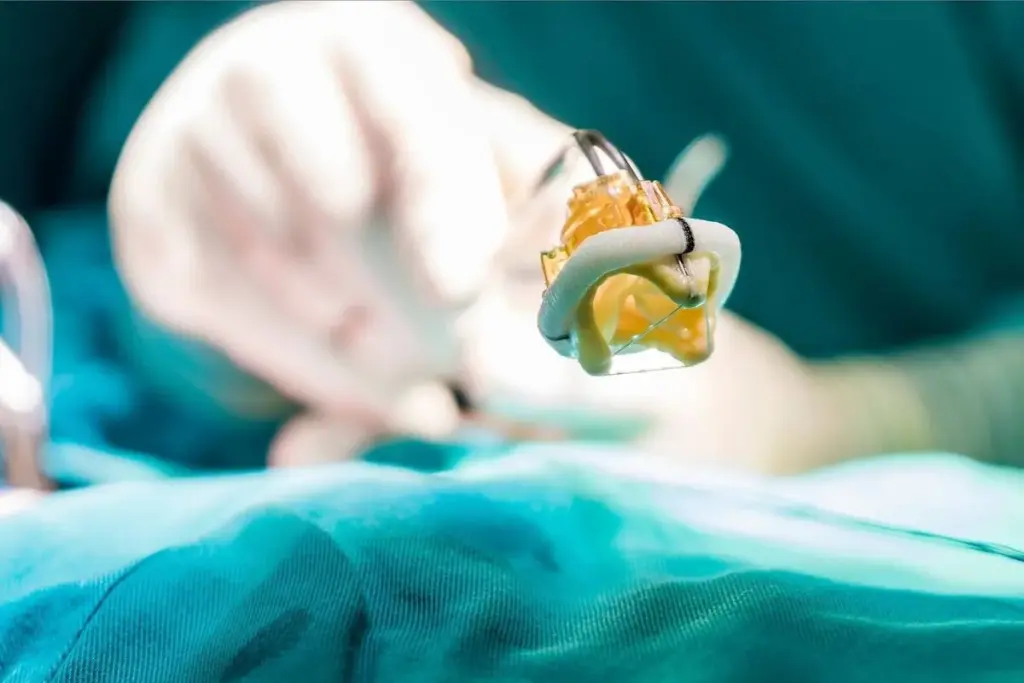
TAVR is a new way to fix a bad aortic valve. It uses a small tube to put in a new valve. This tube goes through an artery in the leg to the heart.
The new valve is made from animal tissue. It works like a normal valve.
The TAVR method is complex. It needs exact images and skilled hands. It’s a big step forward for treating aortic stenosis. But, like any big heart surgery, it has risks.
TAVR Procedure Overview
|
Procedure Aspect |
Description |
|---|---|
|
Approach |
Minimally invasive, catheter-based |
|
Prosthetic Valve Material |
Animal tissue |
|
Technical Requirements |
Precise imaging and technical skill |
Knowing how TAVR works is key for patients and doctors. TAVR has many good points, like less recovery time than open-heart surgery. But, it’s important to know about the possible TAVR complications and TAVR side effects.
TAVR is getting better with new research and tech. Keeping up with the latest news helps patients make smart choices. This way, they can understand their treatment options better.
What is the Downside of TAVR: Major Concerns

It’s important for patients and doctors to know the downsides of TAVR. TAVR has changed how we treat aortic valve disease. But, it comes with its own set of problems.
Procedural Risks
The risks of TAVR are many and can affect patients a lot. Some major risks include:
- Bleeding complications, which can range from minor to life-threatening
- Vascular complications arising from the large catheters used in the procedure
- Stroke, a risk that is very concerning because of its long-term effects
These risks show why choosing the right patient and using careful techniques are key to avoiding problems.
Post-Procedure Complications
After TAVR, patients face several complications that can impact their recovery and health. Some of these include:
- Valve malfunction, which can show up as paravalvular leak (PVL), where the new valve doesn’t fit perfectly
- Heart rhythm problems, which might need a pacemaker
- Kidney injury, a big worry for those with kidney problems already
Keeping a close eye on patients and regular check-ups are vital. They help manage these issues and aim for the best results.
Vascular Complications Associated with TAVR
Vascular complications, from minor to severe, are a big problem with TAVR. These issues can happen at the access site or in other parts of the blood vessels. This poses a big risk to patients.
Using bigger catheters increases the chance of vascular injury. If a patient has peripheral artery disease, this risk goes up even more. It’s key to know these risks to take good care of patients.
Access Site Injuries
Access site injuries are common with TAVR. These can be anything from small bruises to serious issues like bleeding or hematoma.
Key risks with access site injuries include:
- Infection
- Bleeding or hematoma
- Vascular dissection or rupture
Major Vascular Trauma
Major vascular trauma is a serious issue that can happen during TAVR. It involves big damage to the blood vessels, which can be very bad for the patient.
Major vascular trauma can lead to needing emergency surgery. It’s a very serious situation.
|
Type of Vascular Complication |
Description |
Potential Consequences |
|---|---|---|
|
Access Site Injuries |
Injuries occurring at the site of catheter insertion |
Infection, bleeding, vascular dissection |
|
Major Vascular Trauma |
Significant damage to vascular structures |
Emergency surgery, severe morbidity, mortality |
Vascular complications are a big worry with TAVR. It’s important to understand these risks to manage patients well and make informed choices.
The table above shows the types of vascular problems with TAVR. It highlights the serious outcomes of these issues.
Cardiac Complications Following TAVR
After TAVR, patients may face serious heart issues. TAVR is a groundbreaking method for treating aortic valve stenosis. Yet, it comes with risks that can affect a patient’s life quality.
Conduction Abnormalities and Pacemaker Requirements
One major heart problem after TAVR is conduction issues. These issues might mean a patient needs a permanent pacemaker. The chance of needing a pacemaker depends on the valve type and the patient’s heart health before TAVR.
Pacemaker needs after TAVR are very important. Doctors decide on a pacemaker if there are big heart rhythm problems. This choice affects how well a patient recovers and manages their health long-term.
Valve-Related Issues: Leakage, Migration, and Thrombosis
There are also risks like paravalvular leakage, valve migration, and thrombosis. Paravalvular leakage can cause heart failure if not treated. Valve thrombosis might lead to valve problems or blockages. These issues need careful watching and sometimes more treatment.
|
Complication |
Description |
Potential Impact |
|---|---|---|
|
Conduction Abnormalities |
Disturbances in the heart’s electrical conduction system |
May require pacemaker implantation |
|
Paravalvular Leakage |
Leakage around the implanted valve |
Can lead to heart failure |
|
Valve Thrombosis |
Formation of blood clots on the valve |
Can cause valve dysfunction or embolism |
It’s key to know about these heart problems to manage patient hopes and results. TAVR is a valuable treatment for many. But, it’s vital to think about the risks and benefits carefully.
Neurological Risks: Stroke and Cognitive Impairment
Neurological problems like stroke and cognitive decline can happen with TAVR. These issues can really affect a patient’s life after the procedure.
Periprocedural and Delayed Stroke Risk
Stroke risk during and after TAVR is a big worry. Periprocedural stroke might happen when catheters and devices move in the heart. This can dislodge plaque, leading to stroke. Studies show that stroke rates after TAVR can be between 2% and 5%.
There’s also a risk of stroke happening later, even weeks after the procedure. This makes it important to watch patients closely after TAVR.
Cognitive Decline and Silent Cerebral Ischemia
Cognitive decline after TAVR is a concern too. Silent cerebral ischemia is brain damage from poor blood flow without obvious stroke symptoms. It can lead to thinking problems. Research shows that silent cerebral ischemia after TAVR is common and might cause long-term thinking issues.
Why thinking problems happen after TAVR is complex. It could be due to embolic events, anesthesia effects, or the patient’s vascular health before the procedure. Knowing these risks helps manage patient hopes and improve results.
Mortality Risks and Long-Term Survival Concerns
TAVR has changed how we treat aortic valve disease, making it less invasive than surgery. But, it’s important to know about the risks, like death and long-term survival, to make good choices.
30-Day and 1-Year Mortality Statistics
The first month after TAVR is key, with death rates being a big worry. Studies show that the 30-day death rate can change based on who gets the treatment, how it’s done, and aftercare. The 1-year death rates also show the long-term risks of TAVR.
Mortality Rates After TAVR: A study in a top medical journal found these death rates:
|
Time Frame |
Mortality Rate (%) |
|---|---|
|
30-Day |
4.2 – 6.5 |
|
1-Year |
12.1 – 15.6 |
Valve Durability and Reintervention Rates
Survival after TAVR also depends on how long the valve lasts and if more surgery is needed. TAVR valves have gotten better, but they can wear out over time, leading to more surgeries.
Valve durability is key for TAVR’s long-term success. Researchers are working hard to make better valves that last longer and reduce the need for more surgeries.
TAVR vs. Surgical Valve Replacement: Comparative Disadvantages
Choosing between TAVR and surgical aortic valve replacement (SAVR) means looking at each procedure’s downsides. Both aim to fix aortic valve problems but take different approaches, come with different risks, and have varying outcomes.
Short-term Risk Differences
TAVR often has a lower risk of death and complications in the short term, mainly for those at high surgical risk. Yet, it also has its own risks, like vascular issues and stroke.
Key short-term risks for TAVR include:
- Vascular access site complications
- Periprocedural stroke
- Conduction disturbances requiring pacemaker implantation
SAVR, though more invasive, has a longer history of success. It lets doctors see and work on the valve and surrounding area directly.
Long-term Outcome Disparities
Looking at long-term results, the valve’s durability and need for future surgeries are key. SAVR has been seen as more durable, but TAVR’s technology is catching up.
|
Outcome |
TAVR |
SAVR |
|---|---|---|
|
30-Day Mortality |
Lower for high-risk patients |
Higher for high-risk patients |
|
Long-term Durability |
Evolving with technology |
Established track record |
|
Risk of Stroke |
Higher periprocedural risk |
Lower periprocedural risk |
The choice between TAVR and SAVR depends on a detailed look at the patient’s health, risk level, and what they prefer. Knowing the downsides of each helps make a better choice.
Patient Selection: Who Should Avoid TAVR?
Not all patients are right for TAVR. Certain factors are key to a good outcome. Choosing TAVR is complex, needing a look at many patient traits.
Age and Anatomical Contraindications
Age is a big deal for TAVR. Older patients with severe aortic stenosis might do well with TAVR. But, their health and body shape must be checked closely. The size and shape of the vascular access and valve anatomy matter a lot.
Some patients face higher risks with TAVR. This includes those with severe peripheral artery disease or bad aortic root anatomy. For them, surgery might be a better choice.
Comorbidity Considerations
Comorbid conditions can change how well TAVR works. Patients with severe lung disease, chronic kidney disease, or other serious health problems might be at higher risk.
It’s important to look at these health issues carefully. This helps decide if TAVR’s benefits are worth the risks. Sometimes, conservative management or other treatments are better for patients with big health problems.
Healthcare providers can make better choices about TAVR by thinking about these factors. This helps lower the chance of bad outcomes.
Quality of Life After TAVR: Realistic Expectations
TAVR is a big step in medical care, but its impact on life quality is different for everyone. It’s important to know what to expect to set realistic goals.
Functional Improvements and Limitations
Many people see big improvements in how they can do things after TAVR. They can do daily tasks more easily. But, how much you improve depends on your health before and any issues during the procedure.
Key areas of improvement may include:
- Increased mobility and reduced fatigue
- Enhanced ability to perform daily tasks without assistance
- Improved overall physical function and well-being
Even with these gains, some things might not change. You might have some symptoms left or need to keep seeing doctors. Talking to your doctor about what to expect is key.
Ongoing Medication Requirements and Follow-up Care
After TAVR, you’ll need to keep taking medicine to stay healthy. Regular check-ups are also important. They help make sure your valve is working right and adjust your medicine as needed.
|
Aspect of Care |
Description |
Frequency |
|---|---|---|
|
Medication Management |
Adjustments to anticoagulant and other medications |
Ongoing, with regular reviews |
|
Follow-up Appointments |
Monitoring of valve function and overall health |
Typically scheduled at 1, 6, and 12 months post-TAVR |
|
Lifestyle Adjustments |
Guidance on diet, exercise, and other lifestyle factors |
Ongoing, with personalized advice |
Knowing what TAVR can and can’t do helps set the right expectations for recovery and life quality. Getting ongoing care and advice from doctors is key to getting the most out of this treatment.
Conclusion: Balancing TAVR Risks Against Possible Benefits
Choosing to have Transcatheter Aortic Valve Replacement (TAVR) needs careful thought. It’s about weighing the risks against the benefits, looking at each patient’s situation and what they want.
Knowing what the downside of TAVR is key for both patients and doctors. TAVR is a good option for some with aortic valve stenosis. But, it’s important to know the downsides like procedural risks, vascular problems, heart issues, and brain risks.
By looking at these TAVR disadvantages and the possible benefits, patients can set realistic hopes for their life after the procedure. Age, body shape, and health problems also play a big role in deciding if TAVR is right.
In the end, understanding TAVR’s risks and benefits helps patients and doctors make the best choices. This leads to better care and outcomes for everyone.
FAQ
What are the major risks associated with TAVR?
TAVR carries risks like vascular and cardiac problems. It also poses neurological risks, including stroke and cognitive issues.
References
The Lancet. Evidence-Based Medical Insight. Retrieved from https://www.thelancet.com/journals/lancet/article/PIIS0140-6736(19)32452-0/fulltext