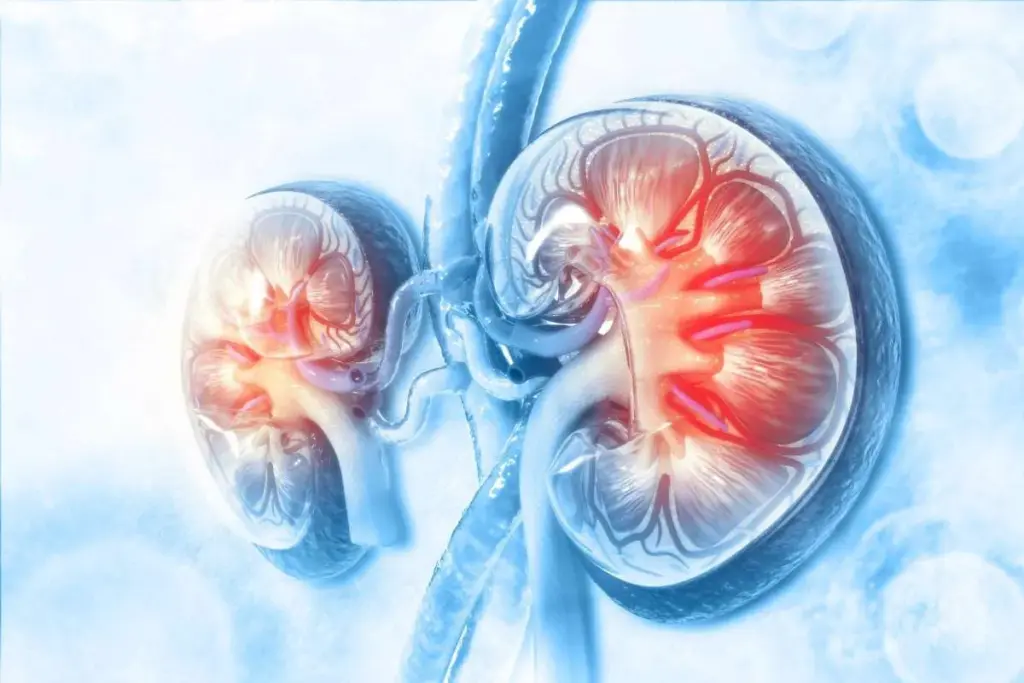
Feeling short of breath when you’re active can be scary and affect your daily life. At Liv Hospital, we get it and are here to help. We offer full care for those dealing with this problem.
Dyspnoea on exertion means it’s hard to breathe when you’re moving around. It can point to serious health issues like heart or lung problems.
Studies show exertional dyspnea might signal health problems early. This makes it key to see a doctor if you keep feeling this way.
Key Takeaways
- Shortness of breath during activity can be a symptom of underlying health conditions.
- Dyspnoea on exertion is linked to increased risk of mortality.
- Liv Hospital offers complete care for those with exertional dyspnea.
- Early diagnosis and treatment can greatly improve outcomes.
- Our team is dedicated to top-notch healthcare with full support.
Understanding What Is Dyspnoea on Exertion
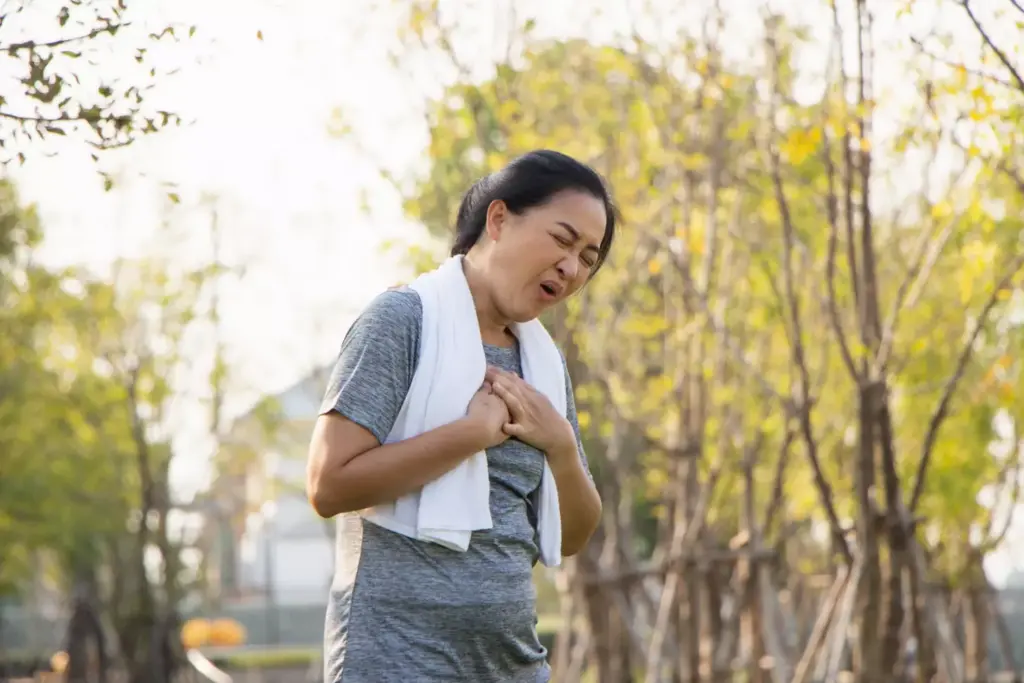
Dyspnoea on exertion is when you feel short of breath when you’re active. It can really affect your life, making it hard to do everyday things or exercise.
Definition and Medical Terminology
Dyspnoea on exertion means feeling short of breath when you’re active. It gets better when you rest. The term comes from Greek words for “difficult” and “breathing”.
Doctors also call it exertional dyspnea. It’s when you feel hard to breathe while exercising.
The American Thoracic Society says dyspnea is feeling uncomfortable while breathing. It can feel different for everyone.
“The experience of dyspnea is derived from interactions among multiple physiological, psychological, social, and environmental factors, and it may induce secondary physiological and behavioral responses.”
How It Differs from Normal Breathing During Exercise
When you exercise, your breathing rate goes up. But for people with dyspnoea on exertion, it feels harder to breathe. This is different from normal exercise.
- Healthy people breathe normally after stopping exercise.
- Those with dyspnoea on exertion might feel breathless for a long time.
- How bad it feels can change a lot, depending on why it happens.
The Subjective Experience of Breathing Discomfort
How people feel dyspnoea on exertion can be very different. Some feel like they can’t breathe, while others feel tightness in their chest. It’s important for doctors to listen to how each person feels.
It’s key for both patients and doctors to understand dyspnoea on exertion. Knowing what it is and how it feels helps us find the cause and treat it better.
The Physiology of Breathing During Physical Activity

When we do physical activity, our body needs more oxygen. This need triggers a complex response to meet it. This response is key for keeping our breathing right and doing well during exercise.
Normal Respiratory Response to Exercise
When we exercise, our breathing system kicks in by taking more breaths. We breathe deeper and more often to get more oxygen. Our brain controls this by watching the levels of carbon dioxide, oxygen, and hydrogen ions in our blood.
The normal response to exercise includes a few important changes:
- We breathe in and out more air.
- We breathe faster.
- We exchange gases better in our lungs.
These changes help our muscles get the oxygen they need to work well during activity.
When Normal Becomes Abnormal
While our breathing usually adapts well to exercise, sometimes it doesn’t. People with asthma or COPD might feel short of breath during exercise. This is because their lungs or airways don’t work as well.
Other things can also make breathing tough during exercise, like:
- Being out of shape.
- Being overweight.
- Having heart disease.
Knowing about these factors helps us spot who might need help and how to help them.
The Body’s Oxygen Demand and Supply System
The body’s system for getting oxygen is complex. It involves the lungs, heart, blood vessels, and muscles. When we exercise, this system has to work harder to meet the muscles’ oxygen needs.
The oxygen supply depends on several things:
- The lungs’ ability to exchange gases.
- The heart’s job of pumping blood.
- The blood vessels’ role in carrying oxygen to muscles.
- The muscles’ need for oxygen to make energy.
Keeping this system working well is important for good performance during exercise. It also helps avoid problems like shortness of breath during exercise.
Common Cardiovascular Causes of Exertional Dyspnea
Cardiovascular causes are a big deal when it comes to exertional dyspnea. We’ll look at the common heart problems that cause shortness of breath when you’re active.
Heart Failure and Its Impact on Breathing
Heart failure means the heart can’t pump enough blood. When you’re active, your body needs more oxygen, but a failing heart can’t keep up. This leads to shortness of breath. Heart failure can be caused by things like coronary artery disease, high blood pressure, and diabetes.
As the heart gets weaker, fluid can build up in the lungs. This makes breathing even harder.
Coronary Artery Disease
Coronary artery disease (CAD) happens when the heart’s blood supply gets blocked. This is because of plaque buildup in the coronary arteries. It can cause chest pain and shortness of breath when you’re active. CAD is a big risk factor for heart attacks, which can make heart function worse and lead to shortness of breath.
Valvular Heart Disease
Valvular heart disease is when the heart valves are damaged or don’t work right. This can make the heart work too hard, leading to shortness of breath. Severe cases might need surgery to fix or replace the valve. This can help ease symptoms like shortness of breath.
In short, heart problems are a big deal for exertional dyspnea. Knowing about these issues is key for getting the right treatment.
Pulmonary Conditions Leading to Shortness of Breath During Activity
Many lung diseases can make it hard to breathe when you’re active. These diseases mess with how well your lungs take in oxygen and get rid of carbon dioxide. This makes it hard to breathe when you’re moving around.
Chronic Obstructive Pulmonary Disease (COPD)
COPD is a lung disease that gets worse over time. It’s caused by smoking, but also by other things like where you live and your genes. It includes emphysema and chronic bronchitis.
Symptoms and Impact: COPD makes you wheeze, cough, and feel short of breath. These problems get worse with time. When you exercise, it’s even harder to breathe because your airways get narrower.
Asthma and Exercise-Induced Bronchoconstriction
Asthma is a long-term inflammation of the airways. It causes wheezing, shortness of breath, tightness in the chest, and coughing. Exercise-induced bronchoconstriction (EIB) makes your airways narrow during or after exercise.
Mechanism: Asthma and EIB make your airways react to triggers, causing them to narrow and get inflamed. This makes it harder to breathe and leads to more symptoms during exercise.
Interstitial Lung Disease and Pulmonary Fibrosis
Interstitial lung disease (ILD) affects the tissue and space around the air sacs in your lungs. Pulmonary fibrosis scars your lung tissue.
Impact on Lung Function: ILD and pulmonary fibrosis make your lungs stiff. This makes it hard for them to expand. It also messes up gas exchange, causing you to feel short of breath when you’re active.
| Pulmonary Condition | Primary Characteristics | Impact on Exercise |
|---|---|---|
| COPD | Airflow obstruction, emphysema, chronic bronchitis | Increased shortness of breath, wheezing |
| Asthma/EIB | Airway inflammation, bronchoconstriction | Wheezing, coughing, shortness of breath during exercise |
| ILD/Pulmonary Fibrosis | Lung tissue scarring, interstitial inflammation | Reduced lung capacity, exertional dyspnea |
Knowing about these lung diseases is key to managing breathing problems. Getting the right diagnosis and treatment can really improve life for those affected.
Other Medical Causes of Dyspnea with Exertion
Exertional dyspnea has many causes, not just heart and lung diseases. Other medical conditions can also cause shortness of breath when you’re active.
Anemia and Blood Disorders
Anemia means you don’t have enough red blood cells or hemoglobin. This makes it hard for your body to get oxygen to your tissues. You might feel tired and have trouble breathing when you exercise. Blood disorders like sickle cell disease can also cause these problems.
Obesity and Physical Deconditioning
Obesity can make it harder to breathe when you’re active. Carrying extra weight puts more stress on your heart and lungs. A sedentary lifestyle can also make you less able to exercise and breathe well.
- Increased workload on the respiratory system
- Decreased lung volume
- Reduced exercise tolerance
Psychological Factors and Anxiety
Psychological issues like anxiety can also cause breathing problems when you’re active. Anxiety can make you breathe too much, leading to lightheadedness and shortness of breath. It’s important to consider these factors when trying to understand and treat breathing problems.
Rare but Serious Conditions
Some rare but serious conditions can also cause breathing problems when you’re active. For example, pulmonary hypertension is high blood pressure in the lungs’ arteries. Certain neuromuscular diseases can also affect breathing muscles. Finding these conditions often requires a detailed medical check-up and special tests.
It’s key to understand all the possible reasons for exertional dyspnea to treat it effectively. By looking at a wide range of possible causes, doctors can create better treatment plans for their patients.
Recognizing the Symptoms and Warning Signs
It’s important to know the difference between normal breathlessness when exercising and dyspnea. We should understand our body’s usual reactions to physical activity. This helps us spot when something is wrong.
Differentiating Normal Exercise Breathlessness from Dyspnea
Many people feel breathless when they exercise. But dyspnea on exertion is different. It feels uncomfortable and out of place, even for light activity. We need to watch how long and how hard we breathe.
Normal breathlessness goes away when we stop or slow down. But dyspnea can stick around, even when we rest. Its severity doesn’t always match how hard we’re working.
Associated Symptoms That Indicate Serious Conditions
Some symptoms with dyspnea might mean a bigger problem. These include:
- Chest pain or tightness
- Dizziness or lightheadedness
- Palpitations or irregular heartbeat
- Coughing or wheezing
- Swelling in the legs or ankles
- Blue-tinged lips or fingers (cyanosis)
Spotting these signs early can help find and treat problems sooner. This can greatly improve our health.
Diagnostic Approaches for Exertional Shortness of Breath
Figuring out why someone gets short of breath when they exercise is complex. It involves many tools and methods. We’ll cover how doctors find out what’s causing this problem, so we can understand it better.
Medical History and Physical Examination
Talking to a doctor about your health is key. They want to know about your symptoms, any health issues, and how you live. A physical examination is also important. It lets doctors check your overall health and look for signs of other problems.
Pulmonary Function Tests and Exercise Testing
Pulmonary function tests (PFTs) check how well your lungs work. They help find out if lung problems are causing your shortness of breath. Exercise testing, like cardiopulmonary exercise testing (CPET), sees how your body handles exercise. It can spot heart or lung issues.
Imaging and Laboratory Studies
Imaging studies, like chest X-rays or CT scans, show what’s going on in your lungs and heart. Laboratory studies, like blood tests, can find things like anemia or metabolic problems that might cause shortness of breath.
Using all these methods, doctors can find out why you get short of breath when you exercise. Then, they can make a plan to help you feel better.
Treatment Strategies for Breathlessness Upon Exertion
Breathlessness when you’re active can really limit you. But, there are many ways to make it better. It’s all about finding the right treatment for the cause of your breathlessness.
Addressing the Underlying Cause
First, we need to figure out why you’re feeling breathless. It could be heart problems, lung diseases, or other issues. Fixing the main problem can help get rid of the breathlessness.
Medication Options for Symptom Management
Medicines are key in managing breathlessness symptoms. Depending on your condition, we might prescribe different drugs. These could be for your lungs, heart, or other areas. We aim to find the best treatment with the fewest side effects.
Pulmonary Rehabilitation and Exercise Training
Pulmonary rehab is a big help. It includes exercises, education, and support. We tailor the exercises to fit your level and slowly increase them. This helps you get stronger and breathe better when you’re active.
Oxygen Therapy and Assistive Devices
For severe cases, oxygen therapy might be needed. It helps keep oxygen levels up during exercise. We also look into devices like portable oxygen concentrators to help you move around more easily. Other tools, like fans or breathing exercises, can also help manage symptoms.
By using a mix of treatments, we can really help you feel better. This includes fixing the cause, using medicines, rehab, and possibly oxygen therapy. Together, these can greatly improve your life and how well you can exercise.
Preventing Exertional Dyspnoea and Improving Exercise Tolerance
Exertional dyspnea can be prevented by gradually increasing exercise and being aware of the environment. Simple lifestyle changes can greatly improve exercise tolerance. This reduces the risk of shortness of breath during physical activity.
Gradual Exercise Progression
Increasing exercise intensity and duration is key for better heart health. It helps avoid exertional dyspnea. This method strengthens the heart and lungs as they adapt to physical activity.
To gradually increase exercise:
- Start with low-intensity exercises and gradually increase the intensity over time.
- Begin with short exercise sessions and gradually increase the duration.
- Monitor your body’s response to exercise and adjust your routine as needed.
Maintaining a Healthy Weight
Keeping a healthy weight is vital for avoiding exertional dyspnea. Excess weight strains the heart and lungs, making breathing harder during exercise.
A healthy weight comes from a balanced diet and regular exercise. Benefits include:
| Benefit | Description |
|---|---|
| Improved Cardiovascular Health | Reduces heart disease risk and improves heart function. |
| Increased Exercise Tolerance | Improves body’s ability to do physical activity without shortness of breath. |
| Reduced Strain on the Heart and Lungs | Less strain on heart and lungs due to excess weight. |
Avoiding Triggers and Environmental Factors
Avoiding triggers and environmental factors is key to preventing exertional dyspnea. Common triggers include:
- Air pollution
- High pollen counts
- Extreme temperatures
Knowing these triggers and avoiding them can lower the risk of shortness of breath during exercise.
When to Seek Medical Attention for Difficulty Breathing on Exertion
Knowing when to get medical help for shortness of breath during exercise is key. This symptom can point to serious health issues. We’ll show you when to seek medical help and how to get ready for your doctor’s visit.
Red Flags That Require Immediate Care
Some symptoms with shortness of breath need quick medical help. These include:
- Chest pain or discomfort that gets worse with exercise
- Severe shortness of breath that doesn’t get better with rest
- Dizziness or fainting spells
- Rapid or irregular heartbeat
- Coughing up blood or rust-colored mucus
If you notice any of these signs, get medical help right away. They could mean serious problems like heart disease or lung issues that need fast attention.
Preparing for Your Doctor’s Appointment
Before your doctor’s visit, gather important info. This includes:
- Your full medical history, including past diagnoses and treatments
- A list of your current medications and supplements
- Details about your symptoms, when they started, and how they’ve changed
- Any test results or medical records that might be relevant
Being ready will help your doctor understand your situation better. This way, they can make an accurate diagnosis.
Questions Your Healthcare Provider May Ask
At your appointment, your doctor will ask you several questions. They aim to find out why you’re experiencing shortness of breath. Some questions might be:
- Can you describe your symptoms in detail?
- When did you first notice your symptoms?
- Have you recently started any new exercise or activity?
- Do you have any family history of heart or lung diseases?
Sharing your symptoms and medical history openly will help your doctor. They can then figure out the cause and plan the right treatment.
Conclusion: Understanding and Addressing Dyspnea on Exertion
It’s key to understand dyspnea on exertion to manage it well and help patients. This condition can stem from many sources, like respiratory or heart issues. Spotting the signs early is vital for getting the right treatment.
To tackle dyspnea on exertion, we need a full plan. This includes figuring out the cause, treating it, and preventing future problems. Knowing the root cause and using the right treatment can greatly improve life quality. For more details, check out Medical News Today.
At Liv Hospital, we aim to offer top-notch healthcare to everyone, including international patients. Our skilled team is ready to provide tailored care and advice for those facing dyspnea on exertion. Together, we can make a big difference in managing this condition.
What is dyspnoea on exertion?
Dyspnoea on exertion is when you feel short of breath while doing physical activities. It’s a sign that something might be wrong with your body.
What causes dyspnea on exertion?
Many things can cause dyspnea on exertion. Heart problems like heart failure or coronary artery disease are common causes. So are lung issues like COPD or asthma. Even being overweight or having anxiety can make it worse.
How is exertional dyspnea different from normal breathlessness during exercise?
Exertional dyspnea is more serious than usual breathlessness during exercise. It doesn’t go away with rest. It can also come with other symptoms like chest pain or feeling dizzy.
What are the diagnostic approaches for exertional shortness of breath?
Doctors use several ways to find out why you’re feeling short of breath. They’ll ask about your health, do a physical check, and might do tests like lung function tests or chest X-rays. These help figure out what’s causing the problem.
How is exertional dyspnea treated?
Treatment depends on what’s causing the shortness of breath. Doctors might prescribe medicine, suggest pulmonary rehab, or recommend oxygen therapy. Changing your lifestyle, like exercising slowly and staying healthy, can also help.
Can exertional dyspnea be prevented?
Some steps can help prevent exertional dyspnea. Staying at a healthy weight, avoiding things that make breathing harder, and slowly getting better at exercise can help. But, not all cases can be prevented.
When should I seek medical attention for difficulty breathing on exertion?
If you’re having trouble breathing, chest pain, or feel dizzy while exercising, get help right away. Even if it’s just a little hard to breathe, seeing a doctor if it keeps happening is important.
What questions will my healthcare provider ask to diagnose the cause of exertional dyspnea?
Your doctor will ask about your health history, when symptoms started, and what makes them better or worse. They’ll also want to know about your lifestyle. They might do a physical check and order tests to find out why you’re feeling short of breath.
What is dyspnea on exertion a sign of?
Dyspnea on exertion can mean there’s a serious health issue that needs attention. It’s a warning sign that can lead to serious problems if not treated.
How can I prepare for my doctor’s appointment for exertional dyspnea?
Before your doctor’s visit, write down your symptoms and when they happen. Mention anything that makes them better or worse. Also, list your medicines and be ready to talk about your health and lifestyle.
References
- Wasserman, K. (1982). Dyspnea on exertion: Is it the heart or the lungs? JAMA, 248(16), 2039–2043. https://doi.org/10.1001/jama.248.16.2039 JAMA Network+1
- Healthline Editorial Team. (2019, July 19). What you should know about shortness of breath on exertion. Healthline. Retrieved from https://www.healthline.com/health/shortness-of-breath-on-exertion Healthline
- MD Searchlight Team. (2023, June 11). Dyspnea on exertion. MD Searchlight. Retrieved from https://mdsearchlight.com/lung-disease-respiratory-health/dyspnea-on-exertion/ MD Searchlight
- Ziegler, K. (2019?). Dyspnea on exertion: Definition, causes, treatment, and more. Medical News Today. Retrieved from https://www.medicalnewstoday.com/articles/dyspnea-on-exertion Medical News Today
- Hashmi, M. F. (2023). Dyspnea. In NCBI Bookshelf. Retrieved from https://www.ncbi.nlm.nih.gov/books/NBK499965/ ncbi.nlm.nih.gov