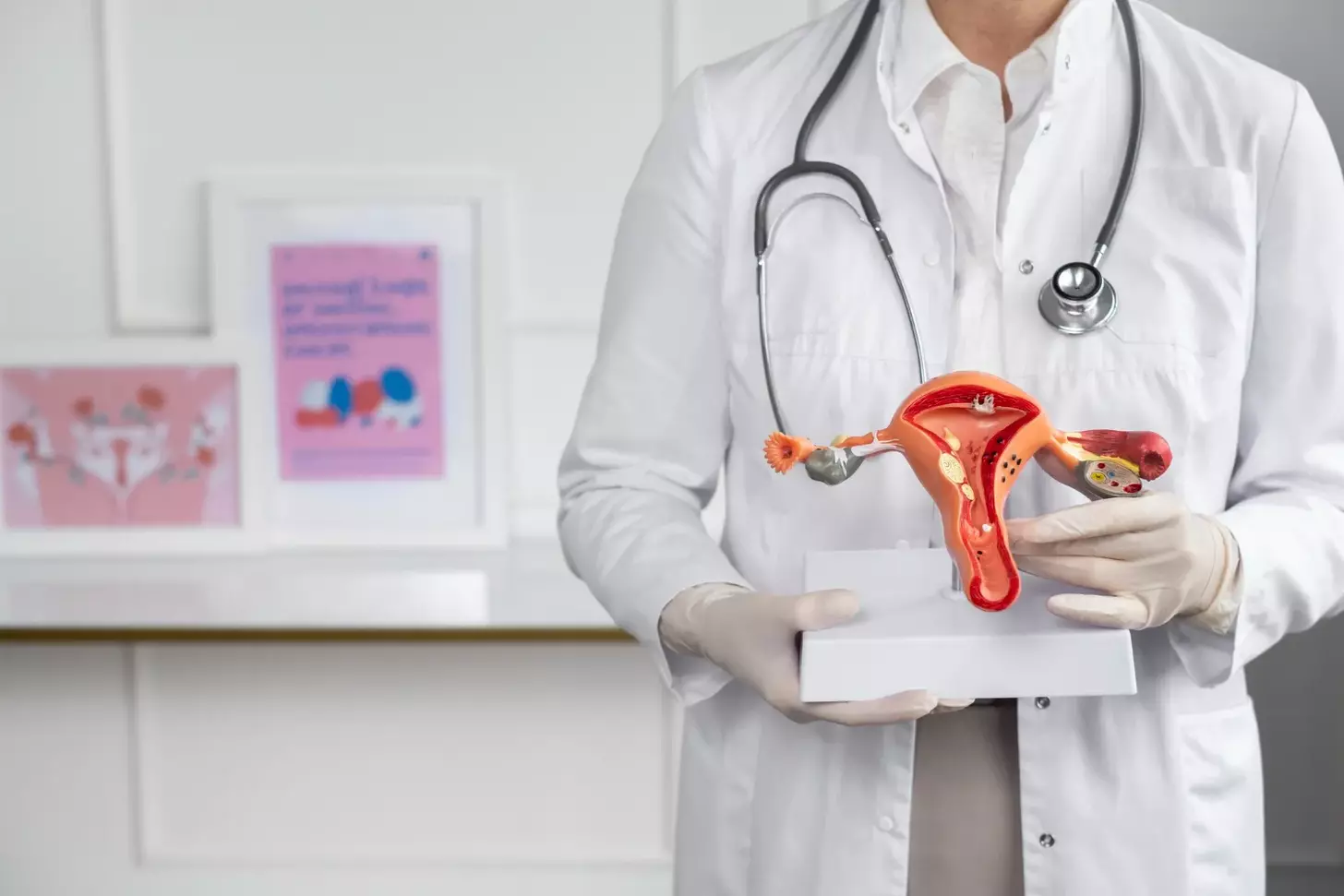
Dealing with endometriosis can be challenging, and surgical options can be overwhelming. We understand the concerns and complexities involved in treating this condition.
Excision surgery is a precise technique that removes endometrial lesions, providing long-term relief and improving quality of life. By understanding how this procedure works, women can make informed decisions about their treatment.
At Liv Hospital, we are committed to providing world-class healthcare with complete support for international patients. Our team of experts utilizes cutting-edge protocols to ensure effective treatment.
Key Takeaways
- Excision surgery is a precise technique for removing endometrial lesions.
- This procedure provides long-term symptom relief and improves quality of life.
- Liv Hospital is dedicated to delivering advanced care with patient-centered excellence.
- Our experts use cutting-edge protocols for effective treatment.
- We provide comprehensive support for international patients seeking endometriosis treatment.
Understanding Endometriosis and Its Impact

Endometriosis, a chronic and often painful condition, has a profound impact on the lives of those affected. To understand the significance of excision surgery, it’s essential to grasp what endometriosis is and how it affects individuals.
What Happens in Endometriosis
In endometriosis, tissue similar to the lining inside the uterus grows outside of it, causing inflammation, scarring, and pain. This misplaced tissue, known as endometrial implants, can be found on various pelvic structures, including the ovaries, fallopian tubes, and the pelvic lining. We know that endometrial excision, also called endo excision surgery or endometriosis excision surgery, is typically performed laparoscopically.
Common Symptoms and Challenges
The symptoms of endometriosis can vary widely among individuals but often include pelvic pain, heavy or irregular menstrual bleeding, and fertility issues. For many, the condition presents significant challenges, not only physically but also emotionally, affecting daily life and overall well-being. Understanding these symptoms is crucial for identifying the need for effective endometriosis treatment.
Why Surgical Intervention May Be Necessary
While not all cases of endometriosis require surgery, for many individuals, surgical intervention is a necessary step in managing the condition. Excision surgery, in particular, has emerged as a highly effective approach, allowing for the precise removal of endometrial lesions. By understanding the role of surgery in endometriosis treatment, patients and healthcare providers can make informed decisions about the best course of care.
The Complete Guide to Excision of Endometriosis
Excision surgery for endometriosis is a highly specialized procedure that has revolutionized the treatment of this debilitating condition. As we explore the intricacies of this surgical technique, it’s essential to understand its definition, principles, and how it compares to other approaches.
Definition and Basic Principles
Excision of endometriosis refers to the surgical removal of endometrial lesions by cutting them out. This method is based on the principle of completely removing the affected tissue to prevent recurrence and alleviate symptoms. Excision surgery for endometriosis involves a meticulous technique where the surgeon identifies, isolates, and removes the endometrial growths.
The success of excision surgery largely depends on the surgeon’s expertise and the thoroughness of the procedure. By removing the lesions entirely, this method aims to provide long-term relief from symptoms such as pain and heavy bleeding, which are commonly associated with endometriosis.
How Excision Differs from Other Approaches
Unlike other surgical methods such as ablation, which merely destroys the surface of the endometrial lesions, excision surgery for endometriosis involves the complete removal of the affected tissue. This fundamental difference is crucial because it directly impacts the effectiveness and recurrence rates of the treatment.
Excision is often preferred because it allows for a more thorough removal of the lesions, potentially reducing the risk of recurrence. Moreover, the removed tissue can be sent for histological examination, providing a definitive diagnosis.
The Gold Standard for Endometriosis Treatment
Excision surgery has emerged as the gold standard for endometriosis treatment due to its effectiveness in removing endometrial lesions and providing symptom relief. The technique has been shown to significantly improve pain, fertility, and quality of life for many women suffering from endometriosis.
By understanding the principles behind excision surgery and how it differs from other approaches, patients can make informed decisions about their care. It’s crucial for those considering this treatment to consult with a qualified specialist to discuss their options and potential outcomes.
Types of Endometriosis Surgery Compared
When considering surgical options for endometriosis, it’s essential to understand the different techniques available. The surgical management of endometriosis encompasses several approaches, each with its own methodology and benefits. We will explore these various methods to help patients make informed decisions about their treatment.
Excision Surgery: Cutting Out Lesions
Excision surgery involves the removal of endometrial lesions by cutting them out. This method is considered highly effective for treating endometriosis, especially for deep or complex lesions. By removing the lesions entirely, excision surgery aims to provide long-term relief from symptoms and potentially improve fertility outcomes. Fulguration of endometriosis is another related technique that involves destroying the lesions using electric current.
Ablation and Fulguration: Burning Lesions
Ablation and fulguration are techniques that involve destroying endometrial lesions using heat or electric current. Ablation typically uses a device to destroy the surface layer of the endometrial implants, while fulguration involves using an electric current to achieve a similar effect. These methods are often considered for patients with superficial lesions or when excision is not feasible.
Combined Surgical Approaches
In some cases, a combined approach may be employed, where both excision and ablation or fulguration techniques are used. This hybrid method allows surgeons to tailor the treatment to the individual patient’s needs, potentially improving outcomes. The decision to use a combined approach depends on various factors, including the extent and location of the endometriosis.
Why Terminology Varies in Medical Settings
The terminology used to describe endometriosis surgery can vary between medical settings and even among surgeons. This variation can sometimes lead to confusion for patients. Understanding that different terms may refer to similar techniques is crucial. For instance, some sources may use the terms “ablation” and “fulguration” interchangeably, while others may make distinctions between them.
The Laparoscopic Excision Procedure Explained
The laparoscopic excision procedure represents a significant advancement in the surgical treatment of endometriosis, combining minimal invasion with maximal precision. This technique has revolutionized the management of endometriosis, offering patients a highly effective treatment option with fewer complications and quicker recovery times.
Pre-Surgical Preparation
Before undergoing laparoscopic excision surgery, patients typically undergo a thorough pre-surgical evaluation. This includes a detailed medical history, imaging studies, and a physical examination to assess the extent of the endometriosis and identify any potential risks or complications.
We also advise patients on necessary lifestyle adjustments and provide instructions on pre-operative care, such as dietary restrictions and medication management. Clear communication and patient education are crucial in preparing patients for a successful surgical outcome.
The Step-by-Step Surgical Process
Laparoscopic excision surgery involves several key steps:
- Insertion of laparoscopic ports: Small incisions are made to insert the laparoscope and surgical instruments.
- Exploration of the pelvic cavity: The surgeon examines the pelvic area to identify all endometrial lesions.
- Excision of endometrial lesions: The identified lesions are carefully removed using specialized surgical techniques.
- Hemostasis and closure: The surgeon ensures there is no bleeding and closes the incisions.
Throughout the procedure, advanced visualization techniques play a critical role in enhancing the surgeon’s ability to identify and remove endometrial lesions precisely.
Advanced Visualization Techniques
Advanced visualization is a cornerstone of successful laparoscopic excision surgery. Techniques such as high-definition laparoscopy and fluorescence imaging enable surgeons to visualize the surgical site in great detail, allowing for more accurate identification and removal of endometrial tissue.
“The use of advanced visualization techniques in laparoscopic excision surgery has significantly improved our ability to diagnose and treat endometriosis effectively, leading to better patient outcomes.”
Precision Removal of Endometrial Tissue
The precision removal of endometrial tissue is critical to the success of laparoscopic excision surgery. Surgeons use specialized instruments and techniques to ensure that all affected tissue is removed while preserving healthy surrounding tissue. This precision is key to reducing symptoms, improving fertility outcomes, and enhancing overall quality of life for patients.
By combining advanced visualization techniques with precise surgical methods, we can significantly improve patient outcomes and provide effective relief from the symptoms of endometriosis.
Benefits of Endometriosis Excision Surgery
Excision surgery is a highly specialized procedure that has shown remarkable success in treating endometriosis. By removing the endometrial lesions entirely, this surgical approach offers several significant advantages to patients suffering from this condition.
Pain Reduction and Symptom Relief
One of the primary benefits of excision surgery is the substantial reduction in pain and other symptoms associated with endometriosis. By precisely removing the problematic tissue, patients often experience a significant decrease in pelvic pain, cramping, and other debilitating symptoms.
Improved Fertility Outcomes
Excision surgery has been shown to improve fertility outcomes for women with endometriosis. By meticulously removing endometrial lesions that can interfere with reproductive organs, this surgery can enhance the chances of conception and successful pregnancy.
Enhanced Quality of Life
The removal of endometrial lesions through excision surgery can lead to an overall improvement in the quality of life. Patients often report being able to engage in daily activities without the burden of chronic pain and discomfort, allowing them to lead more active and fulfilling lives.
Lower Recurrence Rates
Compared to other surgical approaches, excision surgery is associated with lower recurrence rates of endometriosis. This is because the surgery focuses on completely removing the endometrial tissue, reducing the likelihood of the condition returning.
By understanding these benefits, patients can make informed decisions about their treatment options and potentially experience significant improvements in their symptoms and overall well-being.
Excision vs. Ablation for Endometriosis: Key Differences
When it comes to treating endometriosis, two primary surgical approaches are often considered: excision and ablation. Understanding the differences between these methods is crucial for making informed decisions about treatment.
Tissue Removal vs. Surface Treatment
Excision surgery involves the complete removal of endometrial lesions, whereas ablation focuses on destroying the surface of the endometrial implants. Excision is often considered more thorough as it removes the root of the lesions, potentially reducing recurrence rates.
Ablation, on the other hand, uses techniques like laser or electrocautery to burn away the surface of the endometrial tissue. While this method can provide symptom relief, it may not remove all affected tissue, potentially leading to higher recurrence rates compared to excision.
Effectiveness for Different Types of Lesions
The effectiveness of excision versus ablation can vary depending on the type and depth of endometrial lesions. Deep infiltrating endometriosis, for instance, may benefit more from excision due to its invasive nature. Studies have shown that complete excision techniques can significantly reduce recurrence rates for deep lesions.
- Excision is generally preferred for deep or complex lesions.
- Ablation may be considered for superficial or less complex cases.
Long-Term Outcomes and Recurrence Rates
Long-term outcomes and recurrence rates are critical factors in choosing between excision and ablation. Research indicates that excision surgery tends to have lower recurrence rates compared to ablation, particularly for deep infiltrating endometriosis. This is because excision removes the lesions entirely, rather than just treating the surface.
When Each Approach May Be Recommended
The choice between excision and ablation depends on several factors, including the extent and type of endometriosis, the patient’s overall health, and their surgical history. Excision is often recommended for patients with deep or recurrent endometriosis, while ablation might be considered for those with superficial lesions or in cases where a less invasive approach is preferred.
Ultimately, the decision should be made in consultation with a healthcare provider, taking into account the individual patient’s needs and circumstances. By understanding the key differences between excision and ablation, patients can make more informed choices about their treatment.
Potential Risks and Complications of Endometriosis Surgery
Understanding the potential risks and complications of endometriosis surgery is crucial for informed decision-making. While excision surgery is a highly effective treatment for endometriosis, it’s essential to consider the potential risks involved.
Common Side Effects
As with any surgical procedure, patients undergoing excision surgery for endometriosis may experience common side effects. These can include:
- Temporary discomfort or pain
- Bloating or swelling
- Spotting or light bleeding
- Infection
Most of these side effects are manageable with proper post-operative care. It’s crucial to follow your surgeon’s instructions to minimize these risks.
Serious Complications to Be Aware Of
While less common, serious complications can occur. These may include:
- Bowel or bladder injury
- Excessive bleeding
- Damage to surrounding organs
- Adhesions or scar tissue formation
Discussing these potential complications with your surgeon can help you understand how to identify and manage them.
Risk Factors That May Increase Complications
Certain factors can increase the risk of complications during or after endometriosis surgery. These include:
| Risk Factor | Description |
|---|---|
| Previous abdominal surgery | Increased risk of adhesions |
| Deep infiltrating endometriosis | Higher risk of bowel or bladder injury |
| Poor overall health | Increased risk of infection or delayed healing |
How Surgeons Minimize Risks
Surgeons take several precautions to minimize risks during endometriosis surgery. These include:
- Advanced pre-operative planning
- Use of laparoscopic techniques
- Precision in identifying and removing endometrial lesions
- Careful post-operative care instructions
By understanding the potential risks and complications, patients can better prepare themselves for the procedure and recovery. It’s essential to choose an experienced surgeon who can guide you through the process and minimize risks.
Recovery After Excision Surgery for Endometriosis
After undergoing excision surgery for endometriosis, understanding the recovery process is crucial for a smooth and successful healing journey. Laparoscopic excision surgery enables thorough lesion removal with minimal disruption to healthy tissue, which can lead to a relatively quicker recovery compared to more invasive surgical methods.
Immediate Post-Operative Period
The immediate post-operative period is critical for setting the stage for a successful recovery. Patients are closely monitored in the recovery room for any immediate complications and are given pain management medication as needed. We emphasize the importance of having a support person to assist with transportation and initial post-operative care.
Short-Term Recovery Timeline
In the short term, patients can expect a gradual improvement in their symptoms over several weeks. Rest and avoiding strenuous activities are recommended during this period. We typically advise patients to take it easy for at least 2-4 weeks, depending on the extent of the surgery and individual healing rates.
Long-Term Healing and Follow-Up
Long-term healing involves follow-up appointments with your healthcare provider to monitor the healing process and address any concerns or complications. Adherence to post-operative instructions is crucial for minimizing the risk of complications and ensuring optimal recovery.
Managing Post-Surgical Expectations
Managing expectations after surgery is vital for patient satisfaction and overall well-being. We work closely with our patients to provide clear guidance on what to expect during the recovery process, including potential challenges and the timeline for improvement. This support helps in reducing anxiety and improving the overall recovery experience.
Finding an Endometriosis Excision Specialist
The journey to finding a qualified endometriosis specialist begins with understanding what qualifications and expertise to look for. Excision surgery for endometriosis is typically performed laparoscopically, enabling thorough lesion removal. This requires a surgeon with specialized skills and experience in endometriosis treatment.
Important Qualifications to Look For
When searching for an endometriosis excision specialist, there are several key qualifications to consider. Look for a surgeon who is board-certified in obstetrics and gynecology (OB-GYN) and has received additional training in laparoscopic surgery. Specialized training in endometriosis surgery is also crucial, as it indicates that the surgeon has the necessary expertise to handle complex cases.
It’s also beneficial to find a surgeon who is affiliated with a reputable medical institution or has a good standing within their medical community. This can be an indicator of their commitment to staying updated with the latest medical advancements.
Questions to Ask Potential Surgeons
Once you have identified potential surgeons, it’s essential to ask the right questions to gauge their suitability for your needs. Some key questions to consider include:
- What experience do you have with laparoscopic excision surgery for endometriosis?
- Can you share your success rates and complication rates with this type of surgery?
- How do you stay current with the latest techniques and advancements in endometriosis treatment?
- What is your approach to patient care and follow-up after surgery?
Asking these questions can provide valuable insights into a surgeon’s expertise and approach to treating endometriosis.
The Importance of Specialized Experience
Specialized experience is critical when it comes to endometriosis excision surgery. A surgeon with extensive experience in treating endometriosis is more likely to have the skills needed to handle complex cases and achieve better outcomes. Look for a surgeon who has a track record of successfully treating patients with endometriosis similar to your condition.
Resources for Finding Qualified Specialists
There are several resources available to help you find a qualified endometriosis excision specialist. You can start by asking your primary care physician for recommendations or seeking referrals from friends or family members who have undergone similar treatment. Additionally, professional organizations such as the American Society for Reproductive Medicine or the Endometriosis Association can provide valuable resources and directories of specialists.
By taking the time to research and find a qualified endometriosis excision specialist, you can ensure that you receive the best possible care for your condition.
Conclusion: Making Informed Decisions About Endometriosis Treatment
Making informed decisions about endometriosis treatment is crucial for effective management of the condition. We have explored the various aspects of excision surgery for endometriosis, including its benefits, risks, and recovery process. By understanding the available treatment options, patients can take control of their endometriosis care and make decisions that best suit their needs.
At our institution, we are committed to providing world-class healthcare with complete support for international patients. Our team of specialists is dedicated to delivering personalized care and ensuring the best possible treatment outcomes for endometriosis patients. By choosing excision surgery with a qualified specialist, patients can experience significant pain reduction, improved fertility outcomes, and enhanced quality of life.
Empowered with the right information, patients can navigate their endometriosis treatment journey with confidence. We encourage patients to consult with a qualified healthcare provider to determine the most effective treatment plan for their specific needs, ensuring they receive comprehensive endometriosis care.
What is excision surgery for endometriosis?
Excision surgery for endometriosis is a precise surgical technique that removes endometrial lesions, providing long-term relief and improving quality of life.
How does excision surgery differ from ablation or fulguration?
Excision surgery involves cutting out endometrial lesions, whereas ablation or fulguration involves burning the lesions. Excision is considered the gold standard for treating endometriosis due to its higher success rate and lower recurrence rates.
What are the benefits of laparoscopic excision surgery for endometriosis?
Laparoscopic excision surgery offers several benefits, including precise removal of endometrial lesions, improved pain relief, enhanced fertility outcomes, and lower recurrence rates.
What is the recovery process like after excision surgery for endometriosis?
The recovery process typically involves an immediate post-operative period, a short-term recovery timeline, and long-term healing and follow-up. Patients can manage their expectations by understanding the recovery process and following post-surgical guidelines.
How do I find a qualified endometriosis excision specialist?
To find a qualified specialist, look for important qualifications, ask potential surgeons questions, and consider their specialized experience. Utilize resources that can help you find qualified specialists in your area.
What are the potential risks and complications of endometriosis surgery?
While generally safe, endometriosis surgery carries potential risks and complications, including common side effects and serious complications. Understanding these risks and discussing them with your surgeon can help minimize their occurrence.
Can excision surgery improve fertility outcomes for patients with endometriosis?
Yes, excision surgery has been shown to improve fertility outcomes for patients with endometriosis by precisely removing endometrial lesions that can affect reproductive health.
How does excision surgery compare to other types of endometriosis surgery?
Excision surgery is considered the gold standard for treating endometriosis due to its precise removal of endometrial lesions, resulting in higher success rates and lower recurrence rates compared to other surgical approaches.
References:
• Lasa Health. (n.d.). Excision vs. ablation: Endometriosis surgery 101. https://www.lasahealth.com/blog-the-pelvic-edit/endometriosis-surgery-explained-excision-vs-ablation-and-why-it-matters