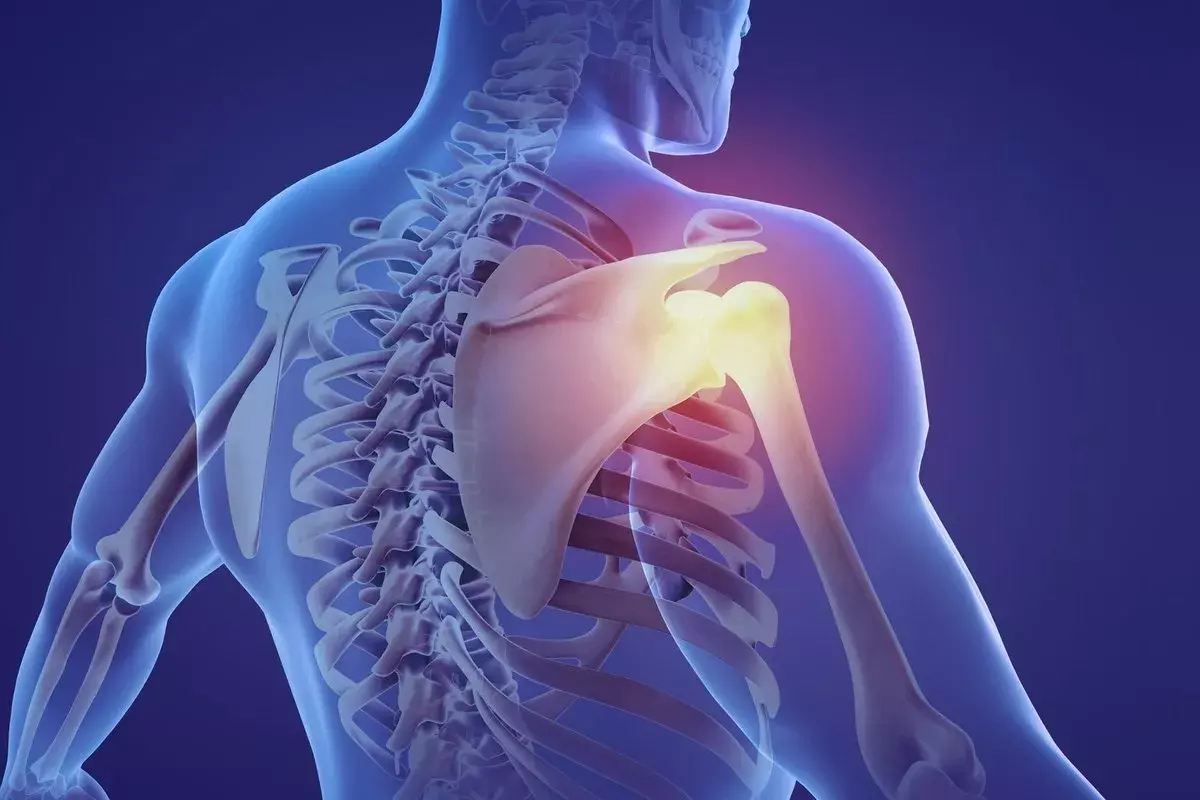
Glenohumeral arthritis is a condition that affects the shoulder. It causes a lot of pain and makes it hard to move. It’s tricky to figure out because its symptoms can look like other shoulder problems.
At Liv Hospital, we focus on you when we treat glenohumeral osteoarthritis. Our team uses the latest tools to find out what’s wrong and plan the best treatment.
Glenohumeral osteoarthritis happens when the parts of the shoulder wear down. This leads to pain, stiffness, and trouble moving.
Key Takeaways
- Understanding glenohumeral joint arthritis is key to managing it well.
- Glenohumeral osteoarthritis is a degenerative condition that affects the shoulder.
- Symptoms include stiffness and limited movement.
- Getting a correct diagnosis is vital for a good treatment plan.
- Liv Hospital offers a patient-centered approach to managing glenohumeral arthritis.
Understanding Glenohumeral Joint Arthritis
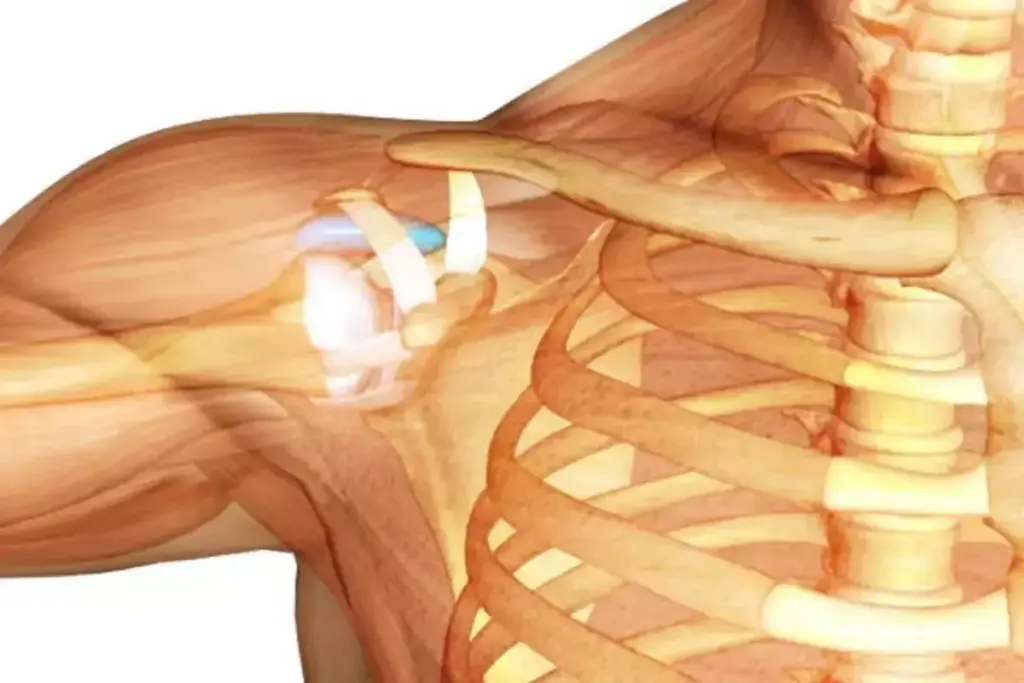
To understand glenohumeral joint arthritis, we need to know about the shoulder’s anatomy and how arthritis affects it. The glenohumeral joint is a ball-and-socket joint. It’s made up of the humeral head and the glenoid. This joint allows for a wide range of motion.
Definition and Shoulder Joint Anatomy
The glenohumeral joint is complex. It enables movements like flexion, extension, and rotation. Glenohumeral osteoarthritis happens when cartilage in this joint wears down. This leads to bone-on-bone contact and a lot of pain.
For more detailed information on glenohumeral osteoarthritis, you can visit Understanding Glenohumeral Osteoarthritis.
Prevalence and Demographics
Glenohumeral joint arthritis is common in middle-aged and elderly people. Studies show it gets more common with age. It affects a lot of people over 60 years old.
The condition is marked by glenoid arthrosis and glenohumeral osteophytes. These are bony projections that can cause more irritation and damage.
Hallmark Features and Characteristics
The main signs of glenohumeral joint arthritis are joint pain, stiffness, and limited mobility. As it gets worse, mild glenohumeral arthritis can turn into a severe condition. This can lead to significant disability.
Key characteristics include:
- Cartilage degradation
- Osteophyte formation
- Glenoid arthrosis
- Joint inflammation
Knowing these features is key to diagnosing and managing the condition well.
Causes and Mechanisms of Glenohumeral Joint Pain

Glenohumeral joint pain comes from many factors. Knowing these helps in diagnosing and treating glenohumeral arthropathy well.
Primary Risk Factors
Several main factors lead to glenohumeral joint pain. These include:
- Getting older increases the chance of joint damage.
- Women are more likely to get arthritis that affects the glenohumeral joint.
- Smoking is linked to many musculoskeletal problems, including glenohumeral arthrosis.
- Being overweight puts more stress on joints, speeding up wear and tear.
- Having had shoulder injuries can cause chronic instability and degeneration over time.
These factors can lead to severe glenohumeral osteoarthritis. This condition causes a lot of pain and makes it hard to move.
Secondary Causes
Other causes also play a role in glenohumeral joint pain. These include:
- Problems with the rotator cuff can mess up the shoulder’s normal function.
- Long-term instability causes abnormal wear and tear on the joint surfaces.
It’s important to tackle these secondary causes to manage glenohumeral joint pain fully.
Disease Progression and Joint Changes
Glenohumeral joint disease gets worse over time. It starts with cartilage damage, then inflammation, and ends with joint degeneration.
As glenohumeral osteoarthritis gets worse, people feel more pain, move less, and have a lower quality of life. Knowing how the disease progresses helps in creating better treatment plans.
Comprehensive Management Approaches
Managing Glenohumeral Joint Arthritis involves several steps. These include diagnosing the condition, trying conservative treatments, considering surgery, and making lifestyle changes. We will look at each step to help you understand how to manage this condition well.
Diagnostic Methods and Assessment
Getting an accurate diagnosis is key to managing Glenohumeral Joint Arthritis. Doctors use a mix of clinical checks and imaging tests to diagnose.
- They start with a detailed medical history and physical exam to check the shoulder’s function and pain.
- Then, they use X-rays or MRI scans to confirm the diagnosis and see how much damage there is.
This combination of methods helps doctors understand the patient’s condition well. They can then plan the best treatment.
Conservative Treatment Options
For Glenohumeral Joint Arthritis, doctors often start with non-surgical treatments. These include:
- NSAIDs and Pain Management: NSAIDs help reduce pain and swelling.
- Physical Therapy: Gentle exercises and therapy improve shoulder movement and muscle strength.
- Corticosteroid Injections: These injections can temporarily ease pain and swelling.
These treatments can help manage symptoms and improve life quality for those with mild to moderate arthritis.
Surgical Interventions
If non-surgical treatments don’t work, surgery might be needed. Options include:
- Arthroscopic Surgery: This is a minimally invasive procedure to clean the joint and remove damaged tissue.
- Joint Replacement Surgery: This is for severe cases, where the joint is replaced with an artificial one.
Surgery is usually for those with advanced disease who haven’t improved with other treatments.
Lifestyle Modifications and Self-Care
Medical and surgical treatments are not the only ways to manage Glenohumeral Joint Arthritis. Lifestyle changes are also important. These include:
- Resting the Shoulder: Avoiding activities that make the condition worse.
- Using Assistive Devices: Tools and devices that help reduce strain on the shoulder.
- Maintaining a Healthy Weight: This reduces stress on the joints.
By making these lifestyle changes, patients can better manage their symptoms and improve their quality of life.
Conclusion
Glenohumeral arthritis is a serious condition that impacts many people’s lives. It’s important to know about glenohumeral osteoarthritis and its effects on the joint. This knowledge helps both patients and healthcare providers.
We’ve looked at the causes, symptoms, and ways to manage glenohumeral joint osteoarthritis. A mix of diagnostic methods, treatments, surgeries, and lifestyle changes is key. This approach helps manage the condition well.
Understanding glenohumeral arthritis is vital for good care. We stress the need for a complete treatment plan. This ensures patients get all the support they need.
FAQ
What is Glenohumeral Joint Arthritis?
What are the symptoms of Glenohumeral Joint Arthritis?
What causes Glenohumeral Joint Arthritis?
How is Glenohumeral Joint Arthritis diagnosed?
What are the treatment options for Glenohumeral Joint Arthritis?
Can Glenohumeral Joint Arthritis be managed without surgery?
What is glenoid arthrosis?
How does Glenohumeral Joint Arthritis affect daily life?
What lifestyle modifications can help manage Glenohumeral Joint Arthritis?
Is Glenohumeral Joint Arthritis a common condition?
References:
National Center for Biotechnology Information. Evidence-Based Medical Insight. Retrieved from https://pmc.ncbi.nlm.nih.gov/articles/PMC6209346/[2