

Gouty arthropathy is a long-term and severe form of gout. It happens when urate crystals build up in joints and tissues. Gout itself is an inflammatory arthritis caused by too much uric acid in the blood. This leads to sharp crystals in the joints.
Chronic joint damage and permanent disability can happen if gout is not treated. It’s key for both patients and doctors to know the difference between acute gout and chronic gouty arthropathy. This helps avoid permanent damage to joints.
Key Takeaways
- Gouty arthropathy is the chronic stage of gout disease.
- It is characterized by the deposition of monosodium urate crystals.
- Untreated acute gout can lead to chronic joint damage.
- Early recognition and intervention are critical.
- Gout affects millions worldwide and is becoming more common.
Gouty Arthropathy: Definition and Pathophysiology

To understand gouty arthropathy, we must explore its causes and how it develops. It’s marked by the buildup of monosodium urate crystals in joints. This buildup causes inflammation and pain.
The Formation of Monosodium Urate Crystals
The process behind gout starts with an imbalance in uric acid levels. When uric acid builds up, it forms crystals in joints. This triggers inflammation and pain.
From Acute Gout to Chronic Joint Disease
At first, gout shows up as sudden, painful attacks. But if not treated, it can turn into a long-term problem. This long-term issue is called gouty arthropathy, causing lasting damage to joints and tophi formation.
Epidemiology and Risk Factors
Gouty arthropathy is shaped by genetics, diet, and lifestyle. People with a family history of gout, those eating a lot of purines, and those with conditions like high blood pressure and kidney disease are more likely to get gout.
Key Differences Between Gout and Gouty Arthropathy
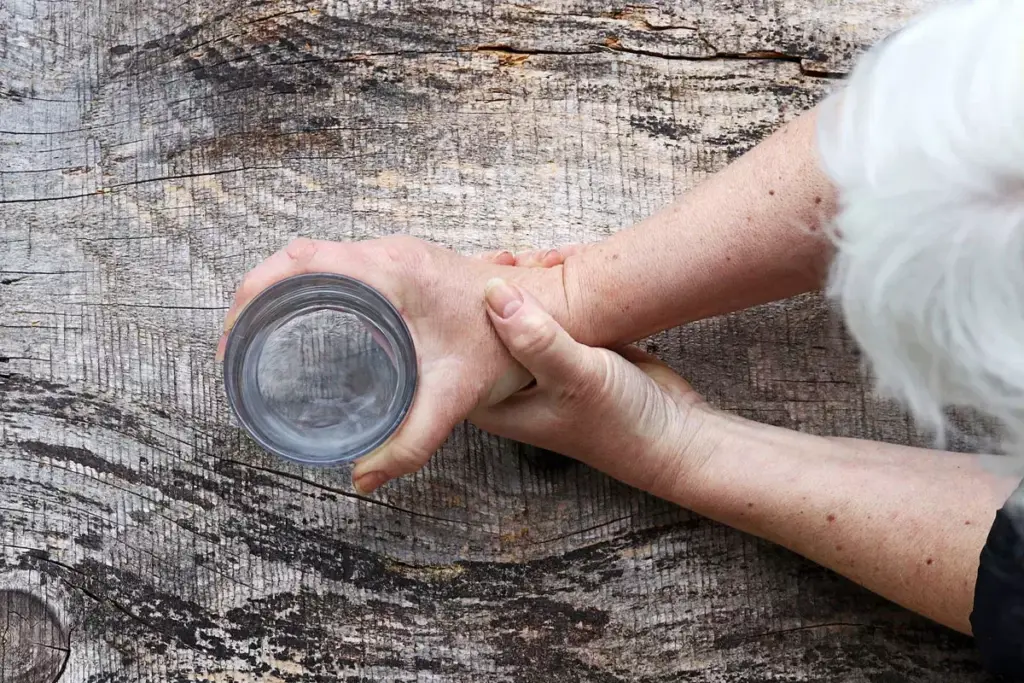
Gout and gouty arthropathy have big differences that affect how we treat patients. Gout often causes sudden, severe pain. Gouty arthropathy is a long-term condition that can damage joints.
Acute Gout: Symptoms and Clinical Presentation
Acute gout starts with sudden, intense pain, usually in the big toe’s base. But, it can also hit the elbow. The joint gets swollen, red, and sore. Elbow gout pics show clear swelling and inflammation.
Acute gout symptoms usually go away in days to weeks. But, repeated attacks can cause long-term joint problems. Knowing the symptoms early is key for quick treatment.
Chronic Gouty Arthropathy: Joint Destruction and Tophi
Chronic gouty arthropathy causes ongoing joint inflammation and damage. This can lead to deformity and disability. Tophi, deposits of monosodium urate crystals, can form in and around joints, making things worse. Foot x-ray gout imaging can show joint damage and tophi.
Going from acute gout to chronic gouty arthropathy means ongoing inflammation and urate crystal buildup. This shows why long-term management is so important.
Diagnostic Imaging Findings
Imaging is key in telling gout and gouty arthropathy apart. Gout x-ray foot images can show joint damage and tophi. Techniques like ultrasound and dual-energy CT help too.
Laboratory Tests and Crystal Identification
Lab tests, like finding monosodium urate crystals in synovial fluid, confirm gout and gouty arthropathy. Looking at gout x ray foot images, along with clinical and lab results, helps see how much the joints are affected.
Knowing the differences between gout and gouty arthropathy is vital. It helps doctors give better, more focused treatments.
Conclusion: Treatment Approaches and Long-term Outlook
Understanding gouty arthropathy is key to better patient care. We’ve covered what it is, how it works, and how it differs from gout. Now, let’s talk about how to treat it and what the future holds for those affected.
Treating gout and gouty arthropathy requires a mix of therapies. This includes medicines to lower urate levels, anti-inflammatory drugs, and changes in lifestyle. For example, eating right and avoiding certain foods can help prevent attacks, as seen in some eel gout photos.
The term “outy” is sometimes used to describe gouty arthropathy symptoms. Knowing what “outy” means in gout is vital for both patients and doctors to manage the condition well.
With the right treatment plan, patients with gouty arthropathy can see big improvements in their lives. We stress the need for a treatment that fits each patient’s needs. This approach leads to better long-term results.
FAQ
What is gouty arthropathy?
Gouty arthropathy is a chronic form of gout characterized by recurrent joint inflammation and damage caused by deposition of monosodium urate crystals.
How does gouty arthropathy differ from gout?
Gout refers to acute inflammatory attacks, while gouty arthropathy describes the chronic joint damage and structural changes resulting from long-standing gout.
What causes the formation of monosodium urate crystals?
Monosodium urate crystals form when high levels of uric acid in the blood (hyperuricemia) crystallize and deposit in joints and surrounding tissues.
What are the risk factors for developing gout and gouty arthropathy?
Risk factors include high purine diet, obesity, alcohol use, kidney disease, certain medications, genetics, and metabolic conditions.
How is gouty arthropathy diagnosed?
It is diagnosed through clinical evaluation, joint fluid analysis showing urate crystals, blood tests for uric acid, and imaging studies to assess joint damage.
What are the symptoms of gouty arthropathy?
Symptoms include recurrent joint pain, swelling, redness, stiffness, tophi formation, and progressive joint deformity.
Can gouty arthropathy be treated?
Yes, it is treated with medications to lower uric acid levels, anti-inflammatory drugs for flare control, lifestyle modifications, and long-term management strategies.
What is the long-term outlook for patients with gouty arthropathy?
With proper treatment and uric acid control, many patients can prevent joint damage and manage symptoms effectively, but untreated cases may lead to chronic disability.
References
National Center for Biotechnology Information. Evidence-Based Medical Insight. Retrieved from https://pmc.ncbi.nlm.nih.gov/articles/PMC8745871/[1