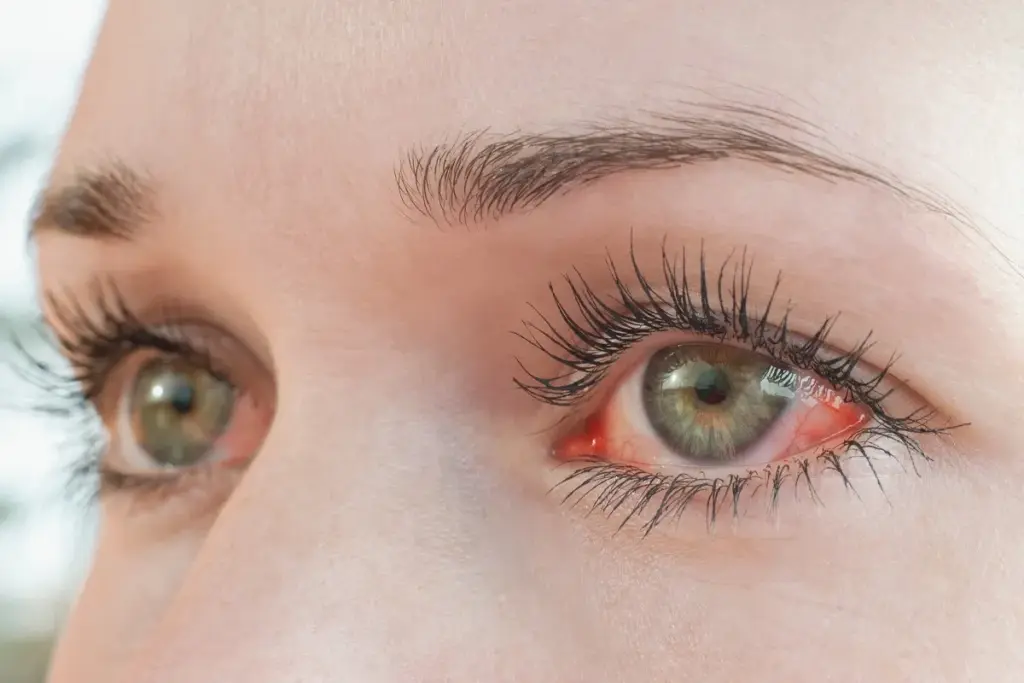
Infectious keratitis is a serious corneal infection that can cause vision loss if not treated quickly. It is caused by different microorganisms, like bacteria, fungi, viruses, and parasites.
At Liv Hospital, we know how serious keratitis infection is. It’s a major cause of corneal blindness worldwide. We must treat it quickly to avoid permanent vision loss. We aim to give top-notch ophthalmologic care, following the latest academic protocols.
Key Takeaways
- Understanding the definition and causes of infectious keratitis is key.
- Keratitis infection can come from many microorganisms.
- Quick treatment is needed to avoid vision loss.
- Liv Hospital offers advanced ophthalmologic care for corneal infections.
- Our care includes the latest academic protocols and international standards.
Understanding Infectious Keratitis
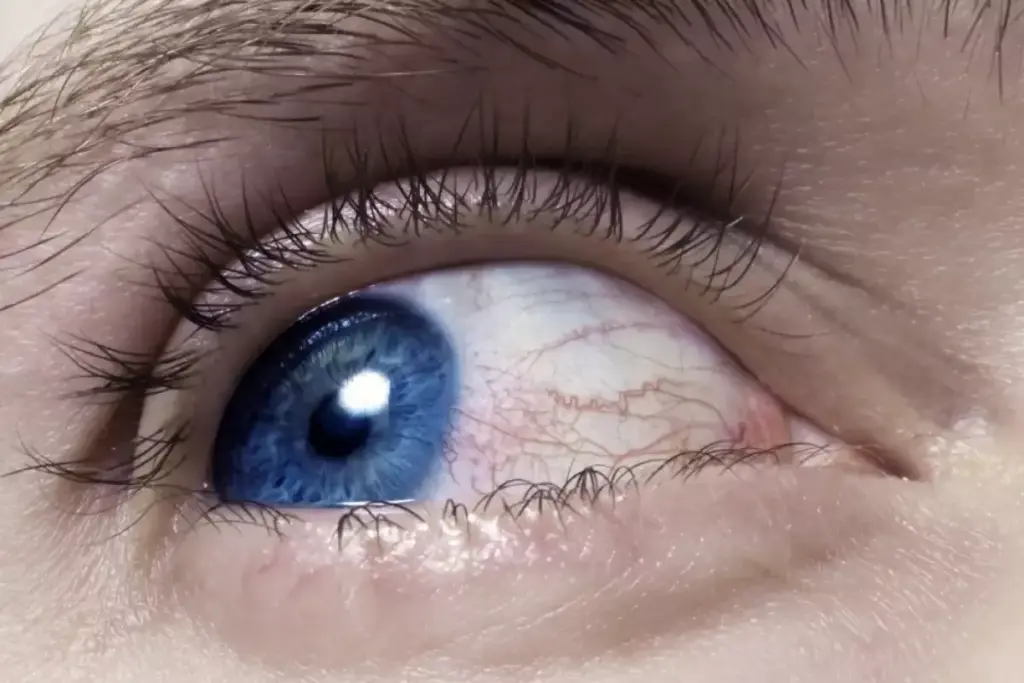
It’s important for doctors and patients to know about infectious keratitis. This eye disease can cause serious vision loss if not treated right away. Knowing its causes, symptoms, and treatments is key.
Definition and Clinical Significance
Infectious keratitis is when the cornea gets inflamed because of an infection. This can happen from different kinds of germs like bacteria, fungi, viruses, and parasites. It’s serious because it can lead to significant vision loss if not treated quickly.
The Medical organization says it can cause serious problems like scarring and holes in the cornea. This shows why getting medical help fast is so important.
Global Prevalence and Demographics
About 6 million people worldwide get infectious keratitis, leading to blindness in one eye each year. It’s a big health issue, mainly in places where healthcare is hard to get.
People between 30 and 55 years old are most often affected. But anyone can get it. People who wear contact lenses are at higher risk because of corneal eye infections.
Knowing who is most at risk helps in making better prevention plans. This can help improve the lives of those who get infectious keratitis.
Types and Causes of Infectious Keratitis
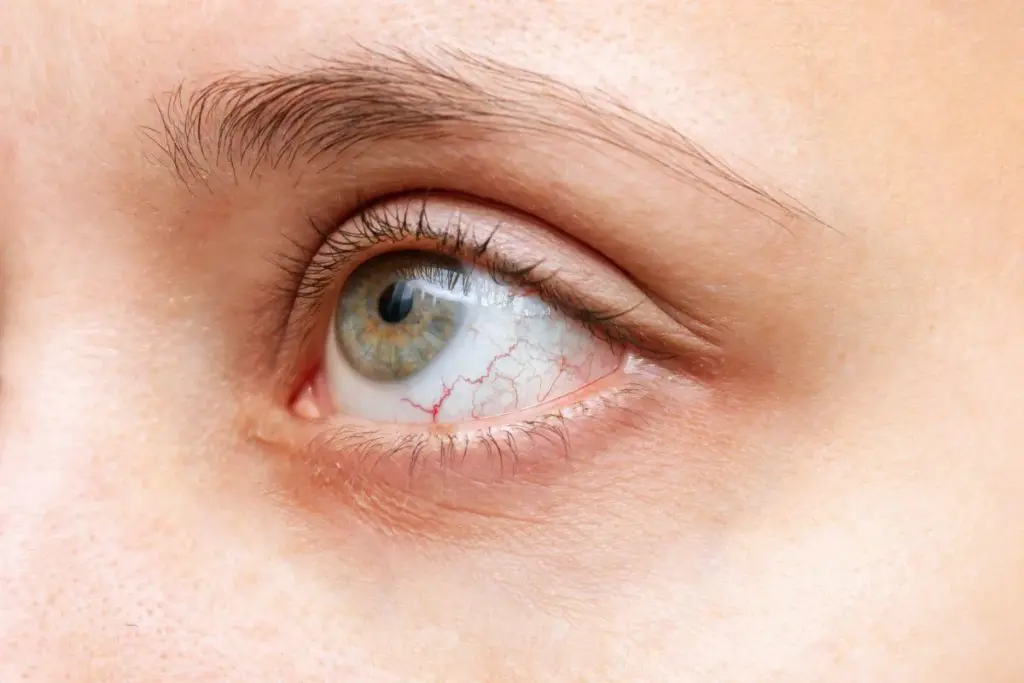
Infectious keratitis comes from many sources, like bacteria, fungi, viruses, and parasites. Knowing these causes helps doctors diagnose and treat the condition.
Bacterial Keratitis
Bacterial keratitis is a big problem, often linked to wearing contact lenses. Contact lens hygiene is key to avoiding this issue. Common culprits include Pseudomonas aeruginosa and Staphylococcus aureus. Symptoms include pain, redness, and discharge.
- Pain and redness are common symptoms.
- Discharge is often present.
- Contact lens wear is a significant risk factor.
Fungal Keratitis
Fungal keratitis is more common in warm climates and among farm workers. It often happens after eye injuries involving organic material. Fungal keratitis can be caused by Fusarium and Aspergillus. It’s hard to diagnose because it progresses slowly and symptoms are not clear.
Viral Keratitis
Viral keratitis, often caused by herpes simplex virus (HSV), can cause a lot of problems. HSV keratitis can be either superficial or deeper, with the deeper form being more serious. Antiviral therapy is the main treatment, aiming to reduce virus and inflammation.
- HSV is a common cause of viral keratitis.
- Epithelial and stromal keratitis are two forms.
- Antiviral therapy is key for treatment.
Acanthamoeba and Parasitic Keratitis
Acanthamoeba keratitis is linked to contact lens use, mainly with water contamination. Proper contact lens care is vital to prevent it. Parasitic keratitis is rare but can happen from different parasites. It needs careful diagnosis and specific tests.
- Acanthamoeba keratitis is linked to contaminated water.
- Proper contact lens hygiene is preventive.
- Parasitic keratitis requires specific diagnostic approaches.
Risk Factors and Diagnosis
Infectious keratitis is hard to diagnose and treat because of many risk factors. Knowing these factors and how to diagnose them is key to managing the condition well.
Common Risk Factors
Several things can make you more likely to get infectious keratitis. Contact lens wear is a big risk, mainly if you wear them at night or in water. This is because lenses can sometimes scratch the cornea, letting germs in.
Eye trauma is also a big risk. Eye injuries can damage the cornea, making it easier for infections to start. People with compromised immune systems, like those with diabetes or on immunosuppressive therapy, are also more at risk.
Diagnostic Approaches and Testing
Diagnosing infectious keratitis involves both clinical exams and lab tests. A detailed clinical examination is vital. The ophthalmologist looks for signs of infection, like ulcers or infiltrates, on the cornea.
Corneal scrapings are often done to get material for lab tests. This means gently scraping the cornea to collect cells and discharge. These are then looked at under a microscope or cultured to find the cause.
Labs are key in figuring out what’s causing the keratitis. Cultures and sensitivity tests help find the pathogen and the best treatment. Sometimes, tests like PCR (Polymerase Chain Reaction) are used to find specific microbial DNA.
Conclusion
Infectious keratitis is a serious eye condition that needs quick diagnosis and treatment to avoid vision loss. We talked about the different causes of IK, like bacterial, fungal, viral, and parasitic infections. We also looked at the risk factors that make it more likely to happen.
Knowing what keratitis is and how it affects the cornea is key to managing it well. Finding out you have IK involves a detailed check-up and lab tests. These help figure out what’s causing the infection.
There are many ways to treat keratitis, based on the cause and how bad it is. Starting treatment early can stop serious problems and keep your vision safe. If your symptoms don’t get better or get worse, see a doctor right away.
By learning about keratitis and its treatments, you can help keep your eyes healthy. This can stop vision loss from cornea keratitis.
FAQ
What is infectious keratitis?
Infectious keratitis is a serious infection of the cornea. The cornea is the clear dome-shaped surface at the front of the eye. It’s caused by various microorganisms like bacteria, fungi, viruses, or parasites.
Is keratitis contagious?
Some forms of keratitis, like viral keratitis, can be contagious. But others, like bacterial or fungal keratitis, are not. It’s important to practice good hygiene to prevent the spread of infection.
What are the common causes of infectious keratitis?
Infectious keratitis can be caused by bacterial, fungal, viral, or parasitic infections. Risk factors include contact lens wear, eye trauma, or a weakened immune system.
What are the symptoms of infectious keratitis?
Symptoms include eye pain, redness, blurred vision, sensitivity to light, discharge, or feeling something in the eye. If you experience these symptoms, seek medical attention right away.
How is infectious keratitis diagnosed?
Diagnosis involves a thorough eye examination. This includes clinical evaluation, corneal scrapings, and lab tests like cultures, PCR, or microscopy. These tests help identify the cause of the infection.
What are the treatment options for infectious keratitis?
Treatment depends on the cause of the infection. It may include antimicrobial medications like antibiotics, antifungals, antivirals, or antiparasitics. Supportive care is also used to manage symptoms and aid in healing.
Can infectious keratitis lead to vision loss?
If untreated or if treatment is delayed, infectious keratitis can cause severe complications. This includes vision loss. Quick diagnosis and proper treatment are key to preventing vision problems.
Who is at risk of developing infectious keratitis?
People who wear contact lenses, have eye trauma, or have a weakened immune system are at higher risk. Other risk factors include previous eye surgery or certain health conditions.
How can infectious keratitis be prevented?
Prevention involves good hygiene, avoiding eye trauma, and managing health conditions. Regular eye check-ups help in early detection and treatment.
What is the difference between microbial keratitis and infectious keratitis?
Microbial keratitis and infectious keratitis describe the same condition. They refer to an infection of the cornea caused by microorganisms. The term microbial keratitis emphasizes the microbial cause.
Can I wear contact lenses again after keratitis?
Yes, you can wear contact lenses again after recovering from keratitis. But, follow proper hygiene and attend regular follow-up appointments with an eye care professional. This helps monitor for any signs of recurrence or complications.
References
National Center for Biotechnology Information. Evidence-Based Medical Insight. Retrieved from https://www.ncbi.nlm.nih.gov/pmc/articles/PMC2566379