

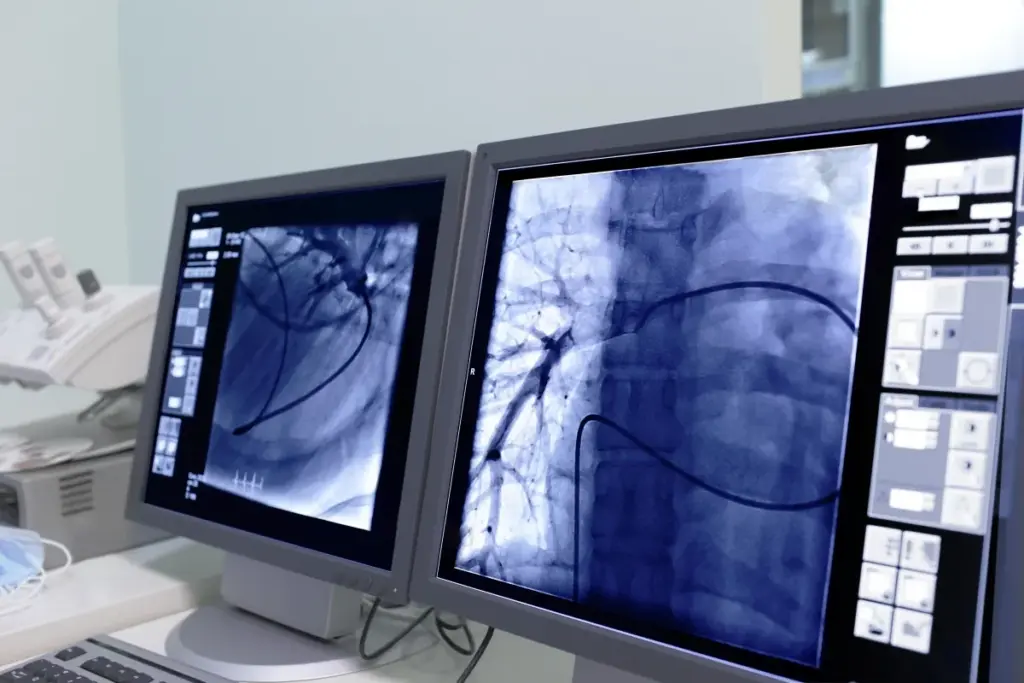
Interventional radiology (IR) has changed how we treat medical conditions. It offers many effective treatments. But, like any medical procedure, IR comes with risks. It is crucial for patients to be aware of these risks. We’ll talk about the main risks, like bleeding, infection, and vascular injury, and how common they are.
Studies show IR procedures can have serious risks. The risk levels change based on the procedure and the patient. For example, getting a blood vessel accessed can have risks up to 6%. Putting in an IVC filter can have risks up to 40% . Knowing these risks is key for patients getting IR treatments.
Key Takeaways
- Interventional radiology procedures carry significant risks, including bleeding and infection.
- Complication rates vary widely depending on the procedure and patient factors.
- Understanding these risks is essential for patients undergoing IR procedures.
- Percutaneous arterial access and IVC filter insertion have notable complication rates.
- Patient-specific factors contribute to the likelihood of complications.
Understanding Interventional Radiology Procedures
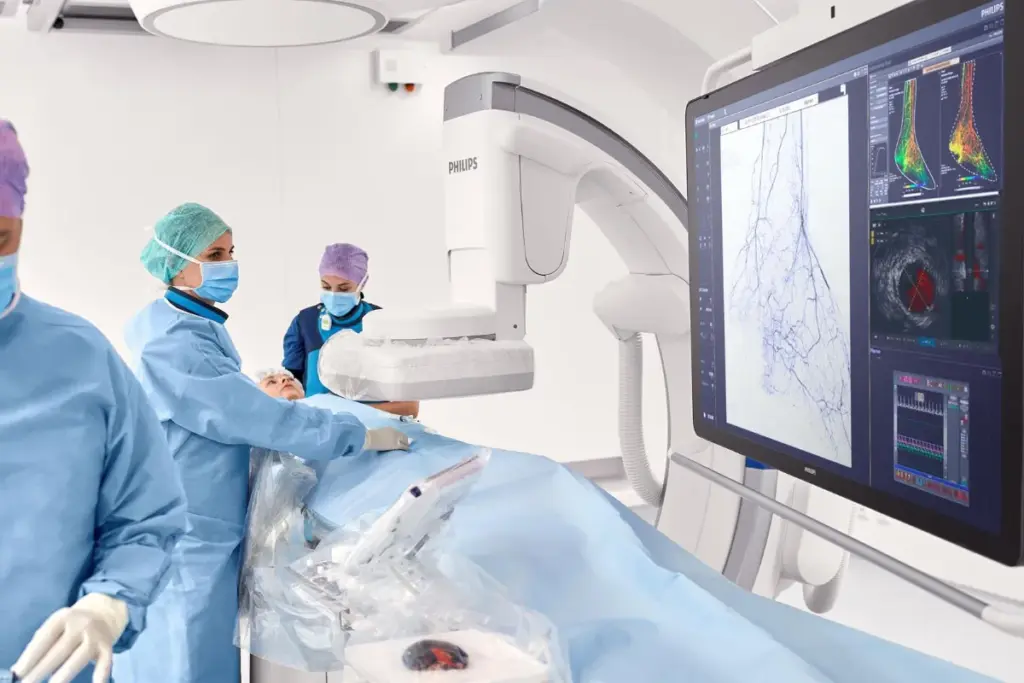
Interventional radiology is a fast-growing field. It offers new ways to treat many medical issues. IR uses imaging to guide procedures that are less invasive. This means less risk and quicker recovery times than traditional surgery.
Definition and Scope of Interventional Radiology
Interventional radiology is a medical field that uses imaging like X-ray and MRI. It guides procedures that are both for diagnosis and treatment. IR covers a wide range, from vascular interventions to non-vascular procedures like biopsies.
Common Types of IR Procedures
IR procedures include vascular interventions like angioplasty and stenting. They also include non-vascular procedures like biopsies and tumor treatments. These are designed to be less invasive, reducing risks and promoting faster recovery.
- Vascular interventions: angioplasty, stenting, and embolization.
- Non-vascular procedures: biopsies, drainages, and tumor treatments.
Benefits of Minimally Invasive Approaches
IR procedures have many benefits. They offer reduced risk of complications, less pain, and quicker recovery times. This makes IR a good choice for those at high risk for surgery or who prefer less invasive treatments.
Understanding IR helps us see its important role in medicine. As we learn more about IR’s side effects, we must remember its benefits. IR’s minimally invasive nature offers significant advantages.
General Risk Factors for IR Complications
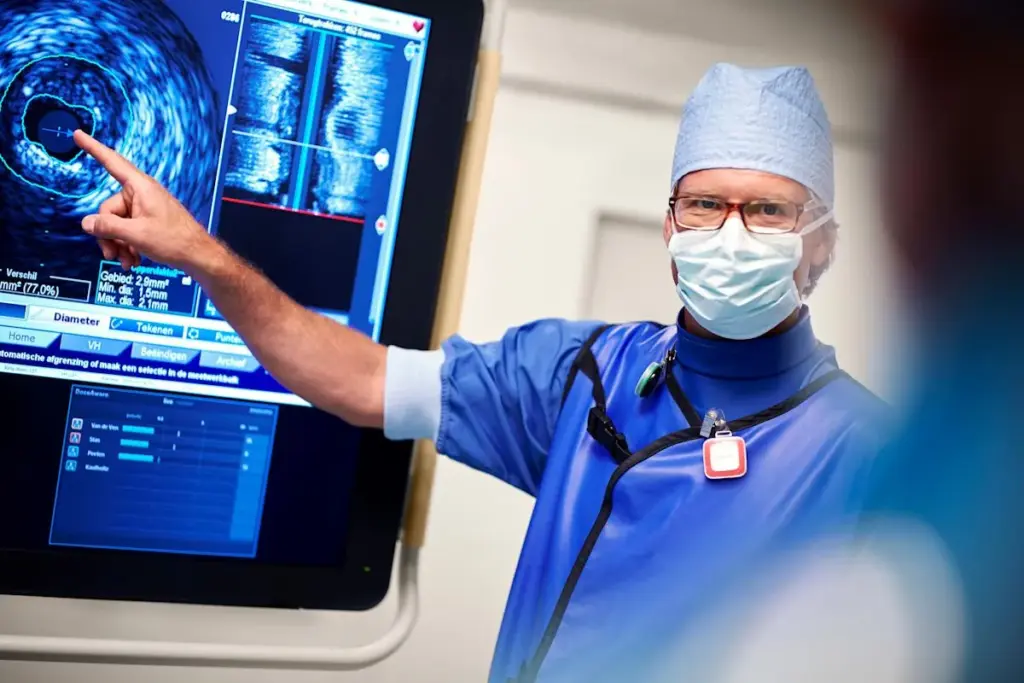
The chance of problems during or after IR procedures depends on several key factors. Knowing these risk factors is key to avoiding bad outcomes and getting the best results for patients.
Patient-Related Risk Factors
Factors related to the patient greatly affect the risk of IR complications. Conditions like diabetes, hypertension, and kidney disease can make recovery harder. Also, those with coagulopathy or on anticoagulant therapy face a higher risk of bleeding.
Age is another factor, with older patients at higher risk due to health issues and less ability to recover. Patients with a history of allergic reactions to contrast media need extra care.
Procedure-Related Risk Factors
The type and complexity of the IR procedure also play a big role. Procedures with complex vascular anatomy or needing multiple interventions carry a higher risk. Using larger devices or sheaths can lead to more vascular problems. Also, procedures needing prolonged fluoroscopy time expose patients to more radiation.
Facility and Operator Experience
The experience of the operator and the facility’s IR procedure volume are key. High-volume centers with experienced operators have lower complication rates. They have better techniques and patient selection. Having advanced equipment and multidisciplinary support also helps improve outcomes.
|
Risk Factor Category |
Specific Risk Factors |
Impact on IR Complications |
|---|---|---|
|
Patient-Related |
Comorbidities (diabetes, hypertension, kidney disease), coagulopathy, anticoagulant therapy, age |
Increased risk of bleeding, infection, and delayed recovery |
|
Procedure-Related |
Complexity of procedure, vascular anatomy, device size, fluoroscopy time |
Higher risk of vascular complications, radiation exposure |
|
Facility and Operator |
Operator experience, facility volume, equipment quality, multidisciplinary support |
Better outcomes, lower complication rates with experienced operators and high-volume centers |
Common Immediate Side Effects of IR Procedures
IR procedures can have immediate side effects. These include bleeding, hematoma, and discomfort. It’s important to know these risks to manage them well.
Bleeding and Hematoma Formation
Bleeding is a common side effect because IR procedures are invasive. Hematoma formation can happen at the access site. We try to reduce these risks, but they can occur.
Pain and Discomfort
Pain and discomfort are immediate side effects. IR procedures are less invasive than surgery, but can cause temporary pain. We use care and medication to manage this.
Infection Risk
Infection is a risk, showing the need for sterile techniques and post-procedure care. We focus on infection control measures to lower this risk.
Knowing these side effects helps patients prepare for IR procedures. Being aware of these risks lets us manage them well for the best outcomes.
Vascular Complications in Interventional Radiology
Understanding vascular complications is key to making IR procedures safer and more effective. These complications can happen because IR procedures often deal with blood vessels.
Pseudoaneurysm Development
A pseudoaneurysm, or false aneurysm, is when blood leaks from an artery into the tissue around it. This happens because of the way IR procedures access and work with arteries.
Arterial Dissection
Arterial dissection is when a tear in the artery’s inner layer lets blood into the artery wall. This can block or rupture the artery, making it hard to manage.
Thrombosis and Embolism
Thrombosis is when a blood clot forms in a vessel. Embolism is when a clot or particle moves and blocks a vessel. Both are serious and can have big effects on patients.
Complication Rates for Percutaneous Arterial Access
Percutaneous arterial access is a common method in IR. But, it can lead to vascular problems. The risk depends on the needle size, technique, and patient factors.
We stress the need for careful patient choice, precise procedure technique, and good post-procedure care. This helps lower the risk of vascular issues in IR.
Contrast Media-Related Side Effects
Contrast media are used in IR procedures to make vascular structures more visible. But, they come with risks like allergic reactions and kidney damage. These substances help doctors see better during procedures.
Allergic Reactions to Contrast Dye
Allergic reactions to contrast media can vary in severity. Mild symptoms include itching, rash, or hives. Severe reactions, like anaphylaxis, can be dangerous.
People with allergies or past reactions to contrast media are at higher risk.
Contrast-Induced Nephropathy
Contrast-induced nephropathy (CIN) is a big worry, mainly for those with kidney problems. It’s when kidney function drops suddenly after contrast media use. Risk factors include kidney disease, diabetes, and dehydration.
Management of Contrast Reactions
It’s key to manage contrast reactions well for patient safety. For mild reactions, antihistamines or corticosteroids might be given. Severe reactions need quick action, like epinephrine and other support.
For those at high risk, premedication with corticosteroids and antihistamines is an option.
Knowing the risks of contrast media and how to handle reactions is vital for safe IR practice. By understanding the side effects and taking precautions, healthcare providers can reduce risks and improve patient outcomes.
Radiation Exposure Risks in IR Procedures
It’s important to know about radiation risks in interventional radiology. We need to understand the dangers it poses to patients and medical staff. This knowledge helps us keep everyone safe.
Acute Radiation Effects
High doses of radiation can harm the skin and tissues right away. These effects can be mild or severe, like ulcers and tissue death. We must watch for these signs to give the right care.
- Radiation-induced skin injuries
- Potential for acute radiation syndrome in extreme cases
- Necessity for dose monitoring and management
Long-Term Radiation Concerns
Long-term risks include cancer, genetic changes, and other effects. These risks are small but important. We must think carefully about the benefits and risks of each procedure.
Key long-term concerns include:
- Increased cancer risk
- Genetic effects on future generations
- Cumulative dose considerations
Radiation Safety Protocols
To lower radiation risks, we need strong safety rules. This means using the least amount of radiation needed. We also need to improve imaging and train everyone well.
“The key to minimizing radiation risks lies in a thorough safety culture. This includes education, technology, and better procedures.” –
Expert in Interventional Radiology
With strict safety rules, we can make IR procedures safer. This protects both patients and healthcare workers.
Organ-Specific Complications and Damage
Interventional radiology is getting better, but we must focus on organ-specific issues. These procedures are mostly safe but can cause problems specific to the organs involved.
Liver and Biliary Complications
Procedures on the liver or biliary system can cause issues like bile duct injury or liver problems. These problems come from the liver’s complex structure and the challenges of IR procedures in these areas.
Bile duct injury is a big worry, leading to bile leaks, strictures, or long-term issues. Liver dysfunction is also a risk, mainly for those with existing liver disease.
Pulmonary Complications
IR procedures on the lungs or pulmonary vasculature can lead to complications. These include pneumothorax, hemothorax, or pulmonary embolism.
The risk of pneumothorax is high in lung biopsies or drainages. Pulmonary embolism is also a concern, mainly in procedures of the lower extremities or pelvic areas.
Neurological Complications
IR procedures on the brain or spinal cord can cause neurological issues. These can be stroke, spinal cord injury, or nerve damage.
Stroke is a major risk in cerebral angiography or angioplasty. Nerve damage can happen from direct injury or from compression by a hematoma.
Inadvertent Organ Injury
Inadvertent organ injury is a risk in IR procedures, more so in complex or hard-to-reach areas. This can cause various complications based on the organ affected.
For example, inadvertent puncture of adjacent organs can happen in procedures like paracentesis or thoracentesis. Organ dysfunction can result from direct injury or the procedure’s impact on the organ’s blood supply.
Device and Equipment-Related Complications
Using devices and equipment in IR procedures can sometimes cause problems. These tools are key to the success of interventional radiology. But, misuse or malfunction can lead to bad outcomes.
Misplacement Issues
Misplacement is a common issue. It can happen during the first placement or later. Device misplacement can cause serious harm, like organ damage or not getting the desired effect.
Technical Failures and Mishaps
Technical failures are a big worry. These can be from device malfunction to equipment problems. Keeping equipment in good shape and doing regular checks is important to avoid these issues.
Foreign Body Retention
Foreign body retention is a problem that can be avoided. It happens when a device or part of it stays inside the patient. This can cause infections, organ damage, or other serious health issues. Strict procedural protocols and careful checks after the procedure can help avoid this.
Preventable Adverse Events
Many complications from devices and equipment can be prevented. A study on the Boston University Medical Campus website found that more preventable adverse events. Following safety rules, making sure everyone is well-trained, and keeping equipment in good condition can lower these risks.
Procedure-Specific Complications and Risks
Interventional radiology (IR) procedures are less invasive but carry unique risks. Each procedure has its own set of complications. It’s vital for doctors and patients to know these risks.
Angiography and Angioplasty Complications
Angiography and angioplasty help diagnose and treat blood vessel diseases. Possible complications include vascular injury, bleeding, and thrombosis. These risks can be lowered with the right technique and choosing the right patients.
Embolization Procedure Risks
Embolization stops blood flow to certain areas or organs. Risks include non-target embolization and post-embolization syndrome. This syndrome causes pain, fever, and nausea.
IVC Filter Placement Complications
IVC filters prevent blood clots from reaching the lungs. But, up to 40% of patients face complications like filter migration, filter fracture, and caval penetration. It’s important to choose patients carefully and follow up closely.
Drainage Procedure Complications
Drainage procedures clear blockages or abscesses. Though safe, up to 10% of patients face complications like infection, bleeding, and organ injury. Using the right technique and proper care after the procedure can help avoid these issues.
Knowing the specific risks of each IR procedure helps doctors and patients make better decisions. This knowledge is key to safe and effective care.
Post-Procedure Complications and Recovery Issues
It’s key to take good care of patients after IR procedures. Knowing the possible complications during recovery is important.
Post-Procedural Pain Management
Effective pain management after IR procedures is critical for patient comfort. We mix medicine and other methods to keep patients comfortable. Pain management strategies are made just for each patient, based on their procedure and health history.
Delayed Bleeding
Delayed bleeding can happen after IR procedures. We watch patients for bleeding signs and act fast if needed. Prompt recognition and treatment help avoid big problems.
Wound Care Challenges
Wound care after IR procedures can be tough. It includes risks of infection and slow healing. We use evidence-based wound care practices to help wounds heal and avoid problems.
30-Day Readmission Rates
Studies, like the MACAFI trial, show high 30-day readmission rates after IR procedures. Rates can be as high as 42%. We aim to reduce readmissions by giving great post-procedure care and teaching patients about complications and when to get help.
By tackling these complications, we can make care better and improve patient results.
Statistical Analysis of IR Mortality and Morbidity
Looking at the stats on IR mortality and morbidity helps us make care better. It shows us the risks of IR procedures. This is important for both patients and doctors.
Complication Rates by Procedure Type
IR procedures have different risks. For example, angiography and angioplasty have different risks than embolization or IVC filter placement. Knowing these differences helps us set better expectations and improve results.
- Angiography and angioplasty: Complication rates range from 2-5%, often related to vascular access issues.
- Embolization procedures: Complication rates can be higher, up to 10%, due to the complexity of the procedure and the risk of non-target embolization.
- IVC filter placement: Complications occur in up to 40% of cases, often related to filter migration or caval penetration.
Post-Procedure Mortality Data
IR procedure mortality rates vary, from 11-19%. This shows how important it is to choose the right patient and use the right technique. The patient’s health, the procedure’s complexity, and the doctor’s skill all play a role.
“The mortality rate associated with IR procedures is a critical metric that reflects not only the procedural risks but also the underlying health of the patient population.”
— Expert in Interventional Radiology
Readmission Rates and Causes
Readmission rates after IR procedures are high. This means we need to focus on good care after the procedure. Common reasons for readmission include bleeding, infection, or if the procedure didn’t work.
|
Cause of Readmission |
Frequency |
|---|---|
|
Bleeding or Hematoma |
30% |
|
Infection |
20% |
|
Procedural Failure |
15% |
By understanding these trends, we can improve patient care. We can make procedures safer and lower the chance of complications and readmissions.
Prevention Strategies for IR Complications
To prevent problems in Interventional Radiology (IR), we need a detailed plan. This plan includes checking patients carefully, planning procedures well, and using the latest tools and methods. By doing this, we can lower the chance of bad outcomes and make care better for patients.
Pre-Procedure Patient Assessment
Checking patients before a procedure is very important. We look at their medical history, current health, and any allergies. Choosing the right patients and preparing them well helps avoid problems.
- Reviewing medical history to identify risks
- Looking at current health and any other health issues
- Checking for allergies to contrast or other materials
Procedural Planning and Technique Optimization
Planning and improving how we do procedures is key to avoiding complications. We pick the best procedure, use the newest tech, and make sure our team is skilled. Good planning can greatly lower the chance of bad outcomes.
- Picking the right procedure for the patient
- Using the latest technology and tools
- Making sure our team is experienced and trained
Equipment and Technology Advancements
New equipment and tech are very important in reducing IR problems. High-quality imaging, advanced tools, and the latest gear can make procedures safer and better. Keeping up with new tech is very important.
- Using top-notch imaging for clear views
- Using the latest tools and wires
- Using the newest equipment to improve results
Advanced Protocols Implementation
Using advanced protocols is also key to avoiding IR problems. This means following strict infection rules, using checklists, and making sure everyone talks clearly. Good protocols can make patients much safer.
- Following strict infection rules
- Using checklists for procedures
- Making sure everyone talks clearly
Managing Complications When They Occur
Even with preventive steps, complications can happen. That’s why a detailed management plan is key. We focus on immediate actions, a team effort, and follow-up care to manage these issues well.
Immediate Interventions for Acute Complications
Acting fast is critical when complications strike. Prompt action can lessen the effects of problems like bleeding or allergic reactions. We use various methods to tackle these issues effectively.
Multidisciplinary Approach to Complication Management
Working together is essential for managing complications. Radiologists, surgeons, and others team up to offer complete care. By collaborating, we ensure patients get the right treatment, leading to better results.
Follow-up Care Protocols
Follow-up care is vital for managing complications. We have clear plans for checking on patients after procedures. Regular check-ins help us catch and treat any new issues early.
Special Considerations for High-Risk Patients
High-risk patients need special care during IR procedures. This is to avoid complications and get the best results. We know some patients face more risks during these procedures.
Elderly Patients
Elderly patients have unique challenges. They may have less energy, more health issues, and take many medicines. Careful pre-procedure checks help spot risks early. We adjust medicine doses and watch them closely during and after the procedure.
Patients with Comorbidities
Patients with big health issues, like diabetes or kidney disease, need careful handling. Working together with other doctors is key for their care. We focus on keeping blood sugar and blood pressure in check and checking kidney function before starting IR procedures.
Pediatric Considerations
Pediatric patients face special challenges in IR procedures. They are smaller and their bodies are growing. Special tools and methods are needed for them. We also try to use less radiation and find the right sedation and pain relief for their age and size.
Understanding the needs of these high-risk patients helps us create better plans. This way, we can improve their results and reduce risks from IR procedures.
Safety Culture in Interventional Radiology
A strong safety culture in IR is very important. It helps us reduce risks and keep patients safe during procedures.
Importance of Robust Safety Protocols
Good safety protocols are key to a strong safety culture in IR. They help us get ready for any problems that might happen during procedures. Some important parts of these protocols include:
- Regular equipment maintenance
- Strict adherence to sterile techniques
- Continuous monitoring of patient vital signs
Training and Certification Standards
Keeping our team well-trained and certified is very important. This ensures they can do IR procedures safely and well. This includes:
- Regular training sessions for new and existing staff
- Certification programs for IR specialists
- Continuous education on the latest IR techniques and technologies
Quality Improvement Initiatives
Improving quality is key to making sure patients are safe. We do this by:
- Regularly reviewing IR procedure outcomes
- Looking into adverse event reports
- Using new technologies and techniques to improve safety
Reporting Systems for Adverse Events
Having a good system for reporting adverse events is very important. It helps us learn from mistakes and avoid future problems. Our system makes sure that:
- All adverse events are documented and reviewed
- Root cause analyses are done to find the real issues
- Actions are taken to stop the problem from happening again
Creating a strong safety culture in IR involves many things. These include safety protocols, training, quality improvement, and reporting adverse events. By focusing on these, we can greatly improve patient safety and outcomes.
Informed Consent and Patient Education
Informed consent is key in interventional radiology (IR), making sure patients know the risks and benefits of their treatment. We educate our patients about their options, helping them make informed choices. This empowers them to take control of their health.
Good informed consent is more than just sharing information. It’s about having a real conversation with the patient. Discussing the risks and benefits of IR procedures is essential. We must be open about possible complications and the benefits, like less invasive methods and quicker recovery times.
Discussing Risks and Benefits
We aim to give clear, easy-to-understand information to our patients. We explain the procedure in simple terms and what they can expect. This helps patients make choices that fit their values and needs.
Setting Realistic Expectations
Setting realistic expectations is also key. We work with patients to understand what they hope for and what’s possible. This includes talking about possible complications and the recovery process. By setting clear expectations, we can reduce anxiety and improve satisfaction.
Patient Preparation Guidelines
Preparing patients for their IR procedure is important for a successful experience. We give them clear instructions on how to prepare, including dietary restrictions and medication changes. Following these guidelines helps reduce risks and ensures the best results.
In conclusion, informed consent and patient education are essential in IR. By having open and honest talks with our patients, we build trust and empower them. As we move forward in IR, we’re dedicated to providing top-notch care with compassion and respect.
Conclusion: Balancing Risks and Benefits of Interventional Radiology
Interventional radiology has changed how we treat many health issues. It offers big benefits to patients. But, it also has risks and complications that need careful handling.
Healthcare teams can manage these risks by following strict safety steps. This way, they can reduce bad outcomes. Balancing the benefits and risks of IR is essential to provide optimal care for patients.
IR’s benefits, like being less invasive and having shorter recovery times, are big pluses. But, we must also think about the downsides. These can include bleeding, infection, and problems with blood vessels.
We believe that with a thorough approach to patient care and safety, IR’s benefits can shine while keeping risks low. This balanced method is vital for IR’s growth and right use in medicine.
FAQ
What are the most common side effects of Interventional Radiology (IR) procedures?
Side effects include bleeding and pain. You might also experience discomfort or infection. Vascular issues like pseudoaneurysm and thrombosis can happen too.
How can allergic reactions to contrast media be managed during IR procedures?
Mild to severe allergic reactions to contrast media can occur. For mild reactions, antihistamines or corticosteroids are used. Severe cases require advanced life support.
What are the risks associated with radiation exposure in IR procedures?
Radiation can cause skin injury and increase cancer risk. Safety protocols like using low doses and shielding help reduce these risks.
Can IR procedures cause organ-specific complications?
Yes, they can. Liver or biliary system procedures might cause bile duct injury. Pulmonary procedures can lead to pneumothorax.
How can device and equipment-related complications be prevented in IR?
Proper technique and safety protocols are key. Regular equipment checks are also important.
What are the complication rates for specific IR procedures like IVC filter placement and drainage procedures?
Rates vary. IVC filter placement can have up to 40% complication rate. Drainage procedures might see up to 10% complications.
How are post-procedure complications managed?
Complications like pain and delayed bleeding are managed with pain meds and monitoring. Proper wound care is also essential.
What is the importance of informed consent and patient education before IR procedures?
It’s vital for patients to understand the procedure’s risks and benefits. This reduces anxiety and improves outcomes.
Are there special considerations for high-risk patients undergoing IR procedures?
Yes, high-risk patients need special care. This includes adjusted plans and post-procedure care to minimize risks.
How can IR complications be prevented?
Complications can be prevented with thorough patient assessment and careful planning. Optimizing technique and using safety measures are also key.
References
National Center for Biotechnology Information. Evidence-Based Medical Insight. Retrieved from https://pmc.ncbi.nlm.nih.gov/articles/PMC11021012/

























